

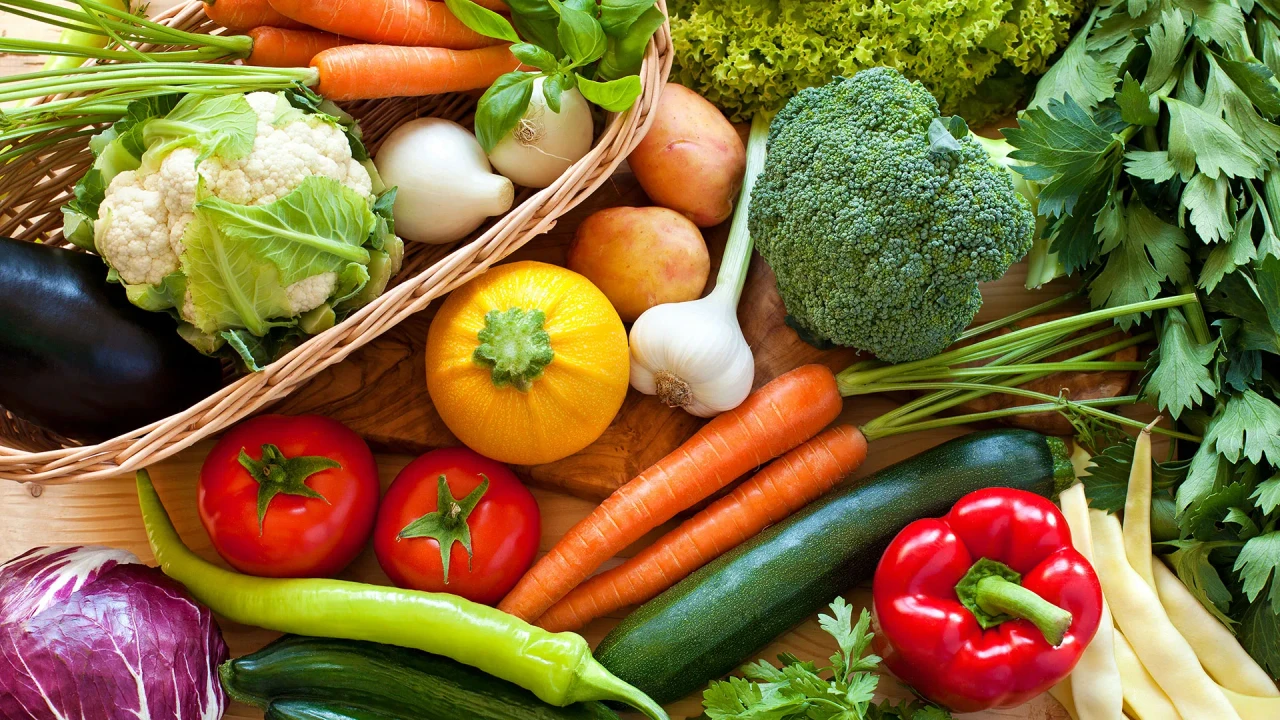

Learning different vegetables name is useful for children, students, parents, cooks, and anyone interested in maintaining a balanced diet. Vegetables come in many shapes, colors, flavors, and textures, and each variety can add something different to everyday meals. From familiar choices such as potatoes, carrots, tomatoes, onions, spinach, and cauliflower to less commonly used vegetables such as asparagus, artichoke, kale, and zucchini, the vegetable world is remarkably diverse. Knowing their names also makes grocery shopping, meal planning, cooking, and learning about nutrition much easier.
Vegetables are an important part of meals in many cultures. In India, vegetables are commonly prepared as sabzi, curry, stir-fry, soup, stuffed dishes, salads, and mixed preparations. Different regions also have their own traditional vegetables and cooking techniques. Modern eating habits have increased interest in fresh, frozen, minimally processed, and seasonal produce because people increasingly want convenient foods without losing nutritional variety. A broader understanding of vegetables name can therefore help people make more informed choices when planning meals.
What Are Vegetables?
Vegetables are edible parts of plants that are commonly used in savory meals. Depending on the plant, people may eat the root, stem, leaf, flower, bulb, or fruit. Carrots and radishes are roots, spinach and cabbage are leafy vegetables, onions and garlic are bulbs, while broccoli and cauliflower are flower structures. Tomatoes, cucumbers, pumpkins, and bell peppers are botanically fruits, although they are generally treated as vegetables in everyday cooking.
The nutritional characteristics of vegetables vary considerably. Some provide substantial dietary fiber, while others are particularly known for vitamin and mineral content. Many vegetables also contain naturally occurring plant compounds that contribute to their color, flavor, and nutritional profile. Instead of focusing on a single vegetable as a complete source of nutrition, a varied selection throughout the week can provide a broader range of nutrients and flavors.
Common Vegetables Name and Their Everyday Uses
There are hundreds of vegetables eaten around the world, but some appear regularly in household kitchens. Potatoes are among the most widely used because they can be boiled, roasted, fried, mashed, baked, or added to curries. Carrots are commonly eaten raw, cooked, roasted, or added to soups and mixed vegetable dishes. Onions are used extensively as a base ingredient, while tomatoes contribute acidity, moisture, and flavor to sauces, curries, soups, and salads.
Leafy vegetables also have an important place in everyday cooking. Spinach can be cooked into curries, soups, omelets, or other dishes, while cabbage can be stir-fried, steamed, fermented, or incorporated into salads. Green peas are frequently used in rice dishes and curries, and beans can be cooked in several ways. These familiar vegetables name are useful starting points for people who want to increase variety without making their meals unnecessarily complicated.
| Vegetable | Common Part Eaten | Typical Uses |
|---|---|---|
| Potato | Tuber | Curries, roasting, boiling, baking |
| Carrot | Root | Salads, soups, roasting, cooking |
| Spinach | Leaves | Curries, soups, sautés |
| Cauliflower | Flower | Curries, roasting, stir-frying |
| Cabbage | Leaves | Stir-fries, salads, cooked dishes |
| Onion | Bulb | Curries, salads, sauces |
| Tomato | Fruit | Curries, salads, sauces |
| Peas | Seeds | Rice dishes, curries, soups |
| Radish | Root | Salads, curries, pickles |
| Pumpkin | Fruit | Soups, curries, roasting |
Root Vegetables and Their Characteristics
Root vegetables develop underground and are often valued for their satisfying texture. Carrots, beets, radishes, turnips, sweet potatoes, and certain varieties of yam are common examples. Their flavors can range from naturally sweet to peppery or earthy. Because many root vegetables have a firm structure, they work particularly well in roasting, boiling, stewing, and slow cooking.
Sweet potatoes are especially versatile because they can be baked, boiled, roasted, or incorporated into both savory and sweet preparations. Beets can add a distinctive color to salads and cooked meals, while radishes are often eaten raw or used in regional recipes. Including different root vegetables can make meals more interesting while introducing different textures and flavors.
Leafy Vegetables for Everyday Meals
Leafy vegetables include spinach, kale, lettuce, mustard greens, collard greens, fenugreek leaves, and several regional greens. They are generally delicate compared with root vegetables and often require shorter cooking times. Many leafy greens are easy to add to soups, curries, stir-fries, wraps, sandwiches, and other dishes.
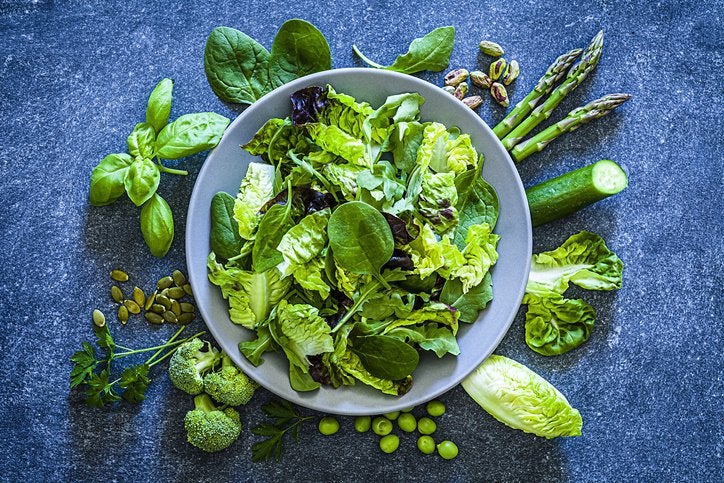
In Indian kitchens, leafy greens have long been incorporated into traditional meals. Spinach and mustard greens, for example, can be transformed into flavorful cooked preparations using spices and other ingredients. Freshness is particularly important with leafy produce because leaves can lose quality relatively quickly. Washing them appropriately and storing them under suitable conditions can help maintain their texture and usability.
Cruciferous Vegetables and Why They Are Popular
Cruciferous vegetables include broccoli, cauliflower, cabbage, Brussels sprouts, kale, and related vegetables. They are recognized by their distinctive textures and flavors and can be prepared in numerous ways. Cauliflower works well in curries, roasted dishes, soups, and mixed preparations, while broccoli is frequently steamed, roasted, stir-fried, or added to pasta and other meals.
These vegetables have become increasingly popular in modern meal planning because they can be used in both traditional and contemporary recipes. Roasting can create a deeper flavor, while steaming or lightly cooking can provide a softer texture without requiring complicated preparation. The variety within this group demonstrates why learning different vegetables name is more useful than relying on only a few familiar options.
Green Vegetables and Colorful Produce
Green vegetables are often the first category people think about when discussing healthy eating, but color diversity is equally useful when planning meals. Bell peppers, carrots, tomatoes, purple cabbage, beetroot, corn, and pumpkin can add contrasting colors to a plate. A colorful meal is not automatically healthier, but choosing a variety of naturally colored vegetables can make food more appealing and encourage broader dietary diversity.
Green beans, peas, zucchini, cucumber, and bell peppers can be prepared in simple ways without requiring lengthy recipes. They can be sautéed, steamed, roasted, added to curries, or served in salads. For busy households, easy preparation matters because vegetables that require minimal cooking are more likely to become part of regular meals.
Vegetables by Season
Seasonality can influence availability, freshness, taste, and price. Although supermarkets and modern supply chains make many vegetables available throughout the year, some produce is more closely associated with particular seasons. Seasonal vegetables can also become important ingredients in traditional regional recipes.
For example, winter menus in many parts of India may feature vegetables such as peas, carrots, radishes, cauliflower, spinach, and mustard greens. Summer meals may include cucumber, gourds, okra, tomatoes, and other produce that works well in lighter preparations. Seasonal eating does not require strict rules; instead, it can be a practical way to introduce variety while making use of locally available produce.
How to Include More Vegetables in Daily Meals
Increasing vegetable intake does not necessarily mean completely changing a person’s diet. Small changes can make vegetables a more consistent part of meals. A person might add spinach to an omelet, carrots to a soup, peas to rice, or mixed vegetables to a curry. Salads can provide another simple option, especially when fresh ingredients are readily available.
Preparation method also affects the eating experience. Roasting can bring out sweetness, steaming can preserve a fresh texture, and stir-frying can combine vegetables with aromatic ingredients. Soups and curries are useful for combining several vegetables in one dish. The key is to find preparations that fit personal preferences and household routines rather than treating vegetables as a separate or inconvenient part of eating.
A practical approach is to keep several types of produce available at home. One leafy vegetable, one root vegetable, one cruciferous vegetable, and one or two colorful options can provide a useful starting point. Frozen vegetables can also be convenient when fresh produce is unavailable or when reducing food waste is a priority. What matters most is maintaining variety over time.
Vegetables for Children and Students
Learning vegetables name can be both an educational and practical activity for children. Younger students can learn names by connecting vegetables with their colors, shapes, textures, and uses. For example, a carrot can be associated with its orange color and crunchy texture, while spinach can be recognized as a leafy green vegetable. Such associations can make vocabulary learning more memorable.
Children may also become more interested in vegetables when they participate in simple food preparation. Allowing them to wash suitable produce, arrange vegetables on a plate, or choose ingredients for a meal can create a positive connection with food. Presenting vegetables in different forms can also help children discover preferences instead of assuming that they dislike an entire category based on one preparation.
Buying and Storing Fresh Vegetables
Selecting good-quality vegetables starts with observing appearance, firmness, smell, and signs of damage. Produce should generally be free from excessive bruising, mold, or unusual deterioration. However, not every vegetable needs to look perfect to be useful. Minor cosmetic imperfections do not necessarily mean that a vegetable has lost its nutritional value.
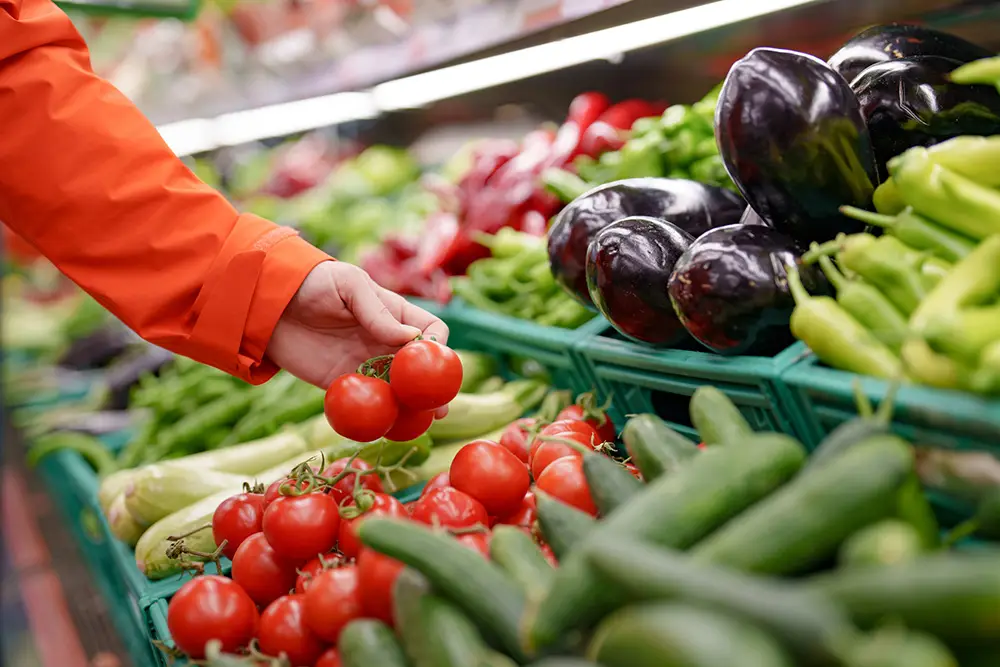
Storage requirements differ among vegetables. Leafy greens often benefit from cool storage, while some produce can be better preserved in other conditions. Keeping vegetables appropriately stored can reduce spoilage and household food waste. Buying quantities that can realistically be consumed is often more useful than purchasing large amounts simply because they appear inexpensive.
Simple Ways to Build Vegetable Variety
People often eat the same vegetables repeatedly because familiar ingredients are convenient. Expanding variety can be easier when new vegetables are introduced one at a time. Someone who regularly eats potatoes and carrots could try beetroot, turnip, sweet potato, zucchini, or another unfamiliar option. This gradual approach avoids making meal planning feel complicated.
Here are a few simple habits that can increase variety:
- Add one different vegetable to a familiar recipe.
- Mix two or three vegetables into curries, soups, or stir-fries.
- Try both raw and cooked versions where appropriate.
- Choose vegetables with different colors and textures.
These habits make vegetables name more than a vocabulary list. They turn the names into practical choices that can be used while shopping, cooking, and planning balanced meals.
Traditional and Modern Vegetable Cooking
Traditional vegetable cooking often reflects local ingredients, climate, culture, and family habits. Indian cuisine demonstrates this particularly well, with vegetables appearing in dry sabzis, gravies, dals, stuffed dishes, pickles, chutneys, and mixed preparations. Similar diversity exists in cuisines around the world, where the same vegetable may be prepared very differently.
Modern cooking has expanded these possibilities further. Vegetables may now appear in grain bowls, wraps, roasted trays, smoothies, sandwiches, pasta dishes, and quick stir-fries. Air fryers, pressure cookers, ovens, and other kitchen appliances have also made different cooking techniques more accessible. This combination of traditional knowledge and modern convenience gives households many ways to enjoy vegetables without following a single cooking style.
Why Learning Different Vegetable Names Matters
Knowing a wider range of vegetables name can improve communication as well as food awareness. Parents can use vegetable names when teaching children, students can use them in school assignments, and shoppers can identify ingredients more confidently. For cooks, knowing different varieties makes it easier to understand recipes and substitute ingredients when a particular vegetable is unavailable.
The vocabulary can also become useful when comparing foods from different regions. Some vegetables have several local names, while the same name may refer to different varieties in different places. Learning both common and regional terminology can therefore reduce confusion. It also encourages curiosity about food traditions and agricultural diversity.
Conclusion
Vegetables offer remarkable diversity in color, texture, flavor, cooking method, and nutritional composition. From familiar potatoes, onions, tomatoes, carrots, and spinach to broccoli, zucchini, beetroot, peas, gourds, and many regional varieties, there are countless options to explore. Understanding different vegetables name can make shopping and meal planning easier while encouraging people to move beyond a limited selection of familiar foods.