

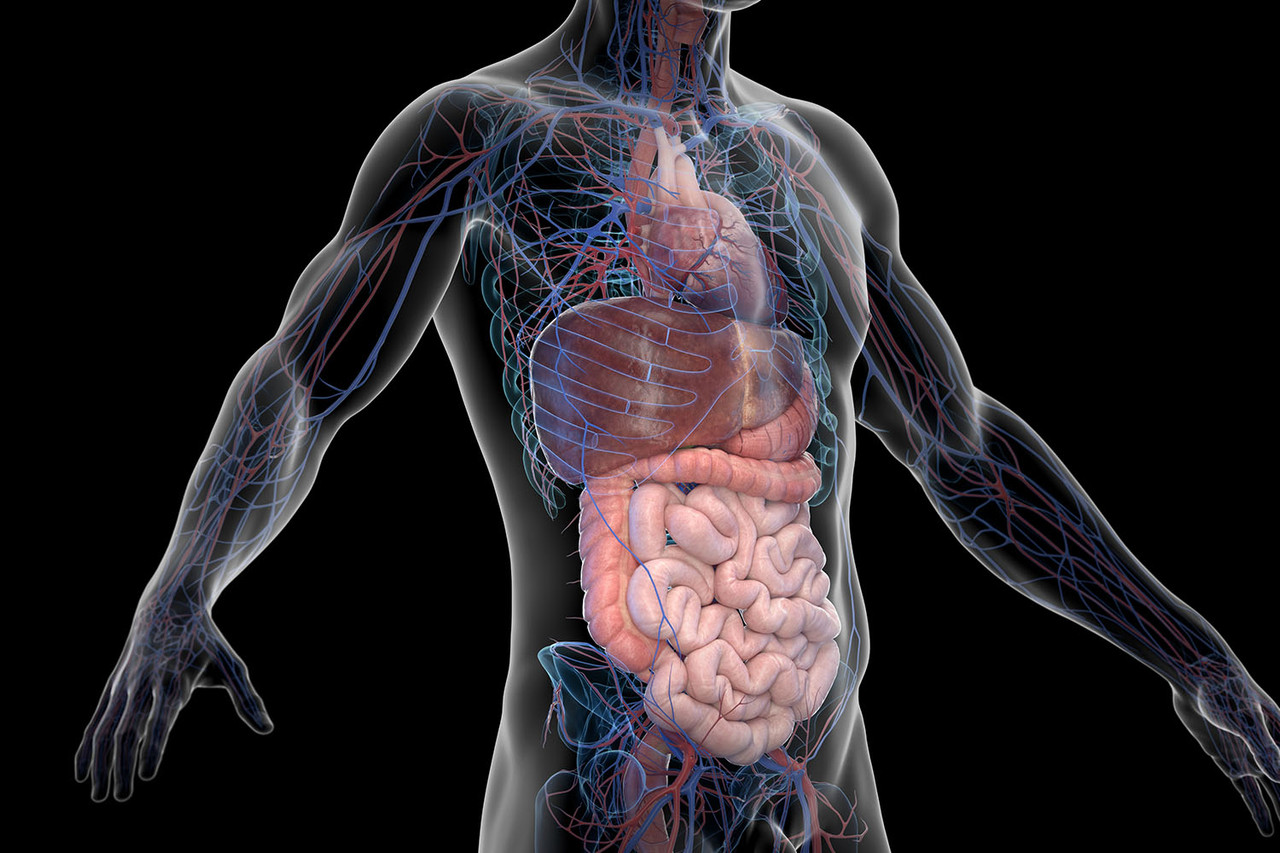

Learning about the human body is one of the most useful parts of basic education. Children, students, language learners, and adults often need to understand the names of different parts of the body and what they do. The human body is made up of many connected structures that work together to support movement, communication, breathing, digestion, protection, and other essential activities. Learning body parts name can also improve vocabulary and make it easier to describe physical locations, health concerns, injuries, and everyday experiences. From the head and face to the hands, feet, chest, and internal organs, every part has a specific role. A simple understanding of these names creates a foundation for learning anatomy and health-related subjects.
Why Learning Body Part Names Is Important
Knowing the names of body parts helps people communicate clearly about the human body. For young learners, these words are among the first vocabulary terms introduced in school because they are easy to connect with familiar objects. Words such as head, eye, ear, nose, mouth, hand, leg, and foot are useful in everyday conversations. Students can later build on this basic vocabulary by learning about muscles, bones, organs, joints, and body systems. Understanding body parts name is also helpful when discussing personal hygiene, exercise, nutrition, injuries, or general health.
Body-part vocabulary is not limited to classrooms. Doctors, teachers, parents, trainers, and caregivers regularly use anatomical terms to explain different parts of the body. Clear terminology helps people identify where discomfort or an injury occurs. It can also make health and science lessons easier to understand. For language learners, these words provide practical vocabulary that can be used in many real-life situations.
Head and Face Parts
The head contains the brain and several important sensory organs. It also includes many visible parts that help people communicate and interact with the environment. Common body parts name related to the head and face include the hair, forehead, eyebrows, eyes, ears, nose, cheeks, mouth, lips, teeth, tongue, chin, and jaw.
The eyes allow people to see their surroundings, while the ears are responsible for hearing and helping maintain balance. The nose is involved in smelling and also plays an important role in breathing. The mouth contains the teeth and tongue, which contribute to eating, speaking, and tasting. Eyebrows and eyelashes provide additional protection for the eyes. Learning these names is particularly useful for children because facial features are easy to identify and remember.
Upper Body Parts
The upper part of the body includes the neck, shoulders, chest, back, arms, elbows, wrists, and hands. The neck connects the head with the rest of the body and supports movement of the head. The shoulders provide an important connection between the torso and arms.
The chest protects several vital organs and is involved in breathing. The back provides support and helps maintain posture. Arms allow people to perform many activities, including lifting, reaching, writing, carrying, and throwing. The elbow connects the upper and lower sections of the arm, while the wrist connects the hand to the forearm.
Hands are among the most versatile parts of the human body. Each hand contains a palm, fingers, and a thumb. Fingers help with activities requiring precision, such as typing, drawing, eating, and holding objects.
Lower Body Parts
The lower body is responsible for much of the body’s movement and support. Important body parts name in this area include the waist, hips, thighs, knees, legs, ankles, and feet. The hips connect the upper body with the legs and play an important role in walking and maintaining balance.
The thighs contain strong muscles that help support body weight and produce movement. Knees are joints that allow the legs to bend and straighten. The lower legs extend from the knees to the ankles. Ankles connect the legs with the feet and help provide stability while standing or walking.
Feet support the entire body when a person stands, walks, runs, or jumps. Each foot includes a heel, sole, toes, and other structures that help with balance and movement.
Hands, Fingers, and Nails
The hands deserve special attention because they are involved in countless daily activities. Each hand normally has five digits: four fingers and one thumb. The fingers are commonly identified as the thumb, index finger, middle finger, ring finger, and little finger.
Fingernails cover the ends of the fingers and provide protection. The palm is the inner surface of the hand, while the back of the hand faces outward. Hands contain bones, muscles, tendons, nerves, and blood vessels that work together to provide movement and sensation.
Learning these body parts name can be especially useful for children learning English or studying basic science. Teachers can use simple activities such as pointing to different parts, drawing a hand, or labeling a diagram to help students remember the vocabulary.
Feet and Toes
Feet are essential for movement, balance, and stability. They contain several bones and joints and are supported by muscles, tendons, and ligaments. The major visible parts include the heel, sole, arch, ankle, and toes.
The toes help maintain balance while standing and moving. Like fingers, toes have nails that protect their tips. Comfortable and healthy feet are important because they carry the body’s weight during many everyday activities.
Children can learn these words through simple exercises. For example, a teacher can ask students to identify the heel, ankle, sole, or toes. Such activities make learning more interactive and help connect new vocabulary with familiar physical structures.
Internal Body Parts
Not all parts of the human body can be seen from the outside. Internal organs are located inside the body and perform essential functions. Major internal organs include the brain, heart, lungs, liver, kidneys, stomach, and intestines.
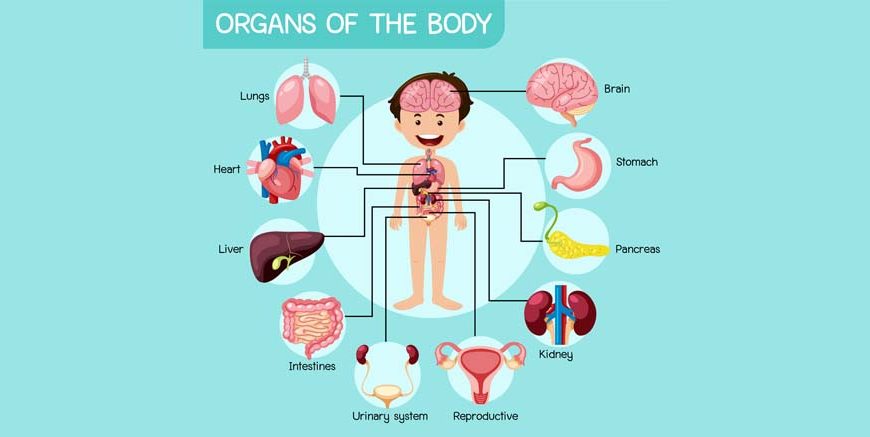
The brain controls many activities and processes information from the body and environment. The heart pumps blood throughout the body. The lungs help with breathing by taking in oxygen and releasing carbon dioxide. The stomach helps digest food, while the intestines continue digestion and absorb nutrients.
The liver performs many important metabolic functions, and the kidneys help filter waste from the blood and maintain fluid balance. Learning internal body parts name gives students a basic introduction to human anatomy and helps them understand how different organs work together.
Bones and Joints
The skeleton provides the body’s framework and supports movement and posture. Bones protect important organs and provide attachment points for muscles. The skull protects the brain, while the rib cage helps protect organs in the chest.
The spine supports the body and helps protect the spinal cord. Other major bones include the shoulder blades, collarbones, upper-arm bone, forearm bones, pelvis, thigh bones, shin bones, and smaller bones in the hands and feet.
Joints connect bones and allow movement. Examples include the shoulder, elbow, wrist, hip, knee, and ankle. Different joints provide different types and ranges of movement. Understanding these structures helps students see how the skeleton and muscles work together.
Muscles and Movement
Muscles allow the body to move and maintain posture. They work by contracting and relaxing, often pulling on bones through connective tissues called tendons. Muscles are found throughout the body, including the arms, legs, abdomen, back, and face.
Strong and healthy muscles support everyday activities such as walking, climbing stairs, lifting objects, and maintaining balance. Regular physical activity can help maintain muscle strength and flexibility.
When learning body parts name, students may first focus on visible areas and later learn specific muscle groups. This progression makes anatomy easier to understand because learners can connect scientific terms with physical movement.
Sense Organs
Humans rely on several organs to receive information from the environment. The five commonly taught senses are sight, hearing, smell, taste, and touch. The eyes are associated with sight, the ears with hearing, the nose with smell, and the tongue with taste. The skin plays a major role in the sense of touch.
These sensory organs allow people to recognize sounds, identify objects, notice temperatures, taste food, and respond to their surroundings. Learning about the senses alongside body parts name can help students understand why different parts of the body have specialized functions.
Body Parts and Their Main Functions
| Body Part | Main Function |
|---|---|
| Brain | Controls and coordinates many body activities |
| Heart | Pumps blood throughout the body |
| Lungs | Help with breathing and gas exchange |
| Eyes | Provide vision |
| Ears | Support hearing and balance |
| Nose | Helps with breathing and smelling |
| Mouth | Supports eating, speaking, and tasting |
| Hands | Help with gripping and detailed movements |
| Legs | Support movement and body weight |
| Feet | Provide balance and support |
| Skin | Protects the body and provides sensation |
| Stomach | Helps digest food |
How Children Can Learn Body Parts Easily
Children often learn best when lessons are interactive. Parents and teachers can introduce body parts name through songs, games, flashcards, drawings, and labeling exercises. Asking a child to point to their nose, ears, shoulders, knees, or toes can turn vocabulary practice into an enjoyable activity.

Drawing a human figure and labeling different parts is another useful approach. As children become more familiar with basic terms, they can progress toward more advanced anatomy vocabulary. Repetition is important because regularly using new words helps move them into long-term memory.
Body Parts Vocabulary for English Learners
Body-part vocabulary is also valuable for people learning English as a second language. These words appear frequently in conversations, classroom instructions, healthcare discussions, and descriptions of people.
Learners can organize vocabulary into groups such as head and face, upper body, lower body, internal organs, and senses. This method is often easier than trying to memorize a long list at once. Practicing complete sentences can further improve understanding. For example, learners can describe what they use their hands, eyes, ears, or feet to do.
Conclusion
The human body is an intricate system in which every part has a purpose. Learning body parts name provides a useful foundation for understanding anatomy, health, movement, and everyday communication. Beginning with familiar external parts such as the head, eyes, ears, hands, legs, and feet makes learning simple. Students can then progress toward internal organs, bones, muscles, joints, and sensory systems. Whether the goal is improving vocabulary, helping children with schoolwork, or developing basic knowledge of human anatomy, learning body-part names can be both practical and educational. With regular practice, visual learning, and simple explanations, these terms become easier to remember and use correctly.