

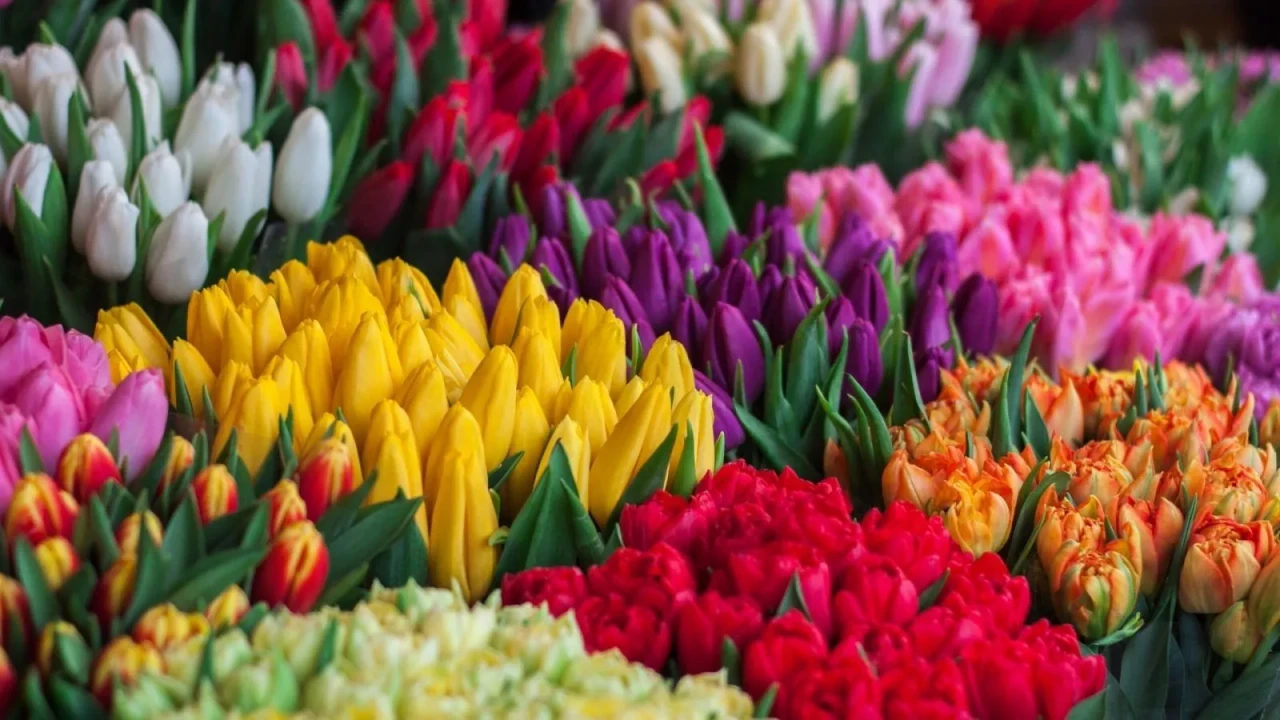

Flowers are one of nature’s most attractive creations. They add color, fragrance, beauty, and life to gardens, homes, parks, and special occasions. From familiar roses and lotuses to colorful tulips and cheerful sunflowers, every flower has its own appearance and character. Learning different flowers name can be useful for students, gardeners, nature lovers, children, and anyone interested in plants. Flowers are also closely connected with emotions and celebrations because people often use them to express love, friendship, respect, happiness, and sympathy. Some flowers are grown mainly for decoration, while others are valued for their fragrance, traditional uses, or importance to pollinators. Understanding different varieties makes it easier to choose suitable flowers for gardens, bouquets, festivals, and indoor decoration.
Why Learning Different Flowers Is Useful
Knowing different flowers name helps people identify plants and understand their characteristics. For children, learning flower names can be an enjoyable way to develop vocabulary and an interest in nature. Gardeners can use flower names to research sunlight, watering, soil, temperature, and seasonal requirements. Flowers also have an important ecological role because many provide nectar and pollen for bees, butterflies, birds, and other organisms. Some flowers bloom throughout the year in suitable conditions, while others appear mainly during particular seasons. Their colors can range from white and yellow to pink, red, purple, orange, and blue. Learning about flowers can therefore combine language, gardening, science, culture, and environmental awareness in a simple and enjoyable way.
Popular Flowers and Their Characteristics
There are thousands of flowering plants around the world, but some varieties are especially popular. Rose is widely recognized for its attractive petals and pleasant fragrance. Lotus is strongly associated with water gardens and has large, elegant blooms. Sunflowers are known for their bright yellow petals and large flower heads. Marigolds are commonly grown in gardens and are popular during celebrations in many parts of India.
 Jasmine is valued for its small white flowers and strong fragrance. Tulips are admired for their smooth, cup-shaped blooms and wide range of colors. Hibiscus has large, striking flowers and is commonly grown in warm climates. These examples show why learning flowers name can be an interesting way to explore the diversity of the plant kingdom.
Rose
The rose is one of the world’s best-known flowers. It comes in numerous varieties and colors, including red, pink, white, yellow, orange, and purple shades. Roses are commonly associated with love, affection, beauty, and appreciation. They can be grown in gardens, containers, and landscaped areas when appropriate growing conditions are provided. Roses generally benefit from adequate sunlight, well-drained soil, regular watering, and suitable pruning. Different varieties have different growth habits, so gardeners can select climbing, shrub, miniature, or other forms according to available space. Roses are also widely used in bouquets, decorations, perfumes, and cultural celebrations.
Lotus
The lotus is an aquatic flowering plant admired for its elegant appearance. It usually grows in ponds and other suitable water environments, producing broad leaves and distinctive flowers. Lotus flowers may appear in shades such as pink and white. The plant has considerable cultural and symbolic importance in several Asian traditions. Because lotus plants naturally grow in water, they require different conditions from ordinary garden flowers. Adequate sunlight and suitable water depth can support healthy growth. The lotus is also an excellent example of how flowers can become connected with culture, art, architecture, and traditional practices.
Sunflower
The sunflower is famous for its bright yellow petals and large central flower head. It is generally associated with warmth, happiness, energy, and positivity. Sunflowers usually perform well in sunny locations and can grow considerably taller than many common garden flowers. Their seeds are also valuable as food for people and wildlife. The flower attracts pollinators and can contribute to biodiversity in suitable gardens. Because of its recognizable shape and cheerful color, the sunflower is especially popular among children and gardeners. Adding sunflowers to an outdoor space can create a bold visual feature while also supporting some forms of local wildlife.
Marigold
Marigold is a popular flowering plant that is particularly familiar in India. Its flowers commonly appear in yellow, orange, and related warm shades. Marigolds are frequently used for decorations, religious ceremonies, festivals, garlands, and landscaping. They can also be grown relatively easily in many suitable conditions. Regular sunlight, appropriate watering, and well-drained soil can help support healthy plants. Marigolds are available in different forms and sizes, making them useful for borders, containers, and garden beds. Their bright appearance makes them an important part of many seasonal celebrations.
Jasmine
Jasmine is well known for its delicate white flowers and distinctive fragrance. It is popular in gardens and is also used in traditional garlands and perfumes. Depending on the variety, jasmine can grow as a shrub, climber, or vine. Warm conditions and sufficient sunlight generally help many jasmine varieties produce healthy growth and flowers. Because of its fragrance, jasmine is often planted near entrances, windows, balconies, and sitting areas where its scent can be appreciated. It is an excellent example of how a flower can provide both visual beauty and an appealing natural fragrance.
Hibiscus
Hibiscus is recognized for its large, colorful flowers and prominent central structures. Depending on the variety, blooms can be red, pink, yellow, orange, or other shades. Hibiscus generally thrives in warm conditions with sufficient sunlight and appropriate moisture. It is commonly grown in gardens and containers in tropical and subtropical regions. Regular care can encourage continued flowering during favorable periods. The flower is also popular in decorative and cultural contexts. Its large blooms make it easy to recognize, making hibiscus a useful addition to any list of common flowers name.
Tulip
Tulips are popular spring-blooming flowers known for their simple, cup-shaped blooms. They are available in many colors, including red, yellow, pink, white, and purple. Tulips are especially associated with ornamental gardens and seasonal floral displays. Their growth requirements depend strongly on climate and variety, and many tulips perform best where they can experience a suitable cool period. They are frequently planted in groups because masses of tulips can create an impressive display. Their clean shape and wide range of colors have made them popular in gardens and floral arrangements around the world.
Other Common Flowers
Besides the flowers already discussed, many other varieties are popular in gardens and natural landscapes. A useful list of flowers name includes:
- Daisy
- Lily
- Daffodil
- Orchid
- Lavender
- Carnation
- Chrysanthemum
- Gerbera
- Petunia
- Zinnia
- Dahlia
- Pansy
- Magnolia
- Gardenia
- Bougainvillea
- Morning glory
- Periwinkle
- Cosmos
- Aster
- Snapdragon
Each flower has its own structure, color, fragrance, growing requirements, and blooming period. Some are better suited to warm climates, while others prefer cooler conditions. Some flowers grow well in containers, whereas others require larger garden spaces. Choosing plants according to local climate and available sunlight can make gardening more successful.
Flowers According to Color
Flower colors can influence how people perceive a garden or floral arrangement. Red flowers are often connected with passion, love, and strong emotions. Yellow flowers can create a cheerful and energetic appearance. White flowers are frequently associated with purity, peace, and simplicity. Pink flowers can suggest affection, gentleness, and admiration. Purple flowers often create an elegant or dramatic visual effect.
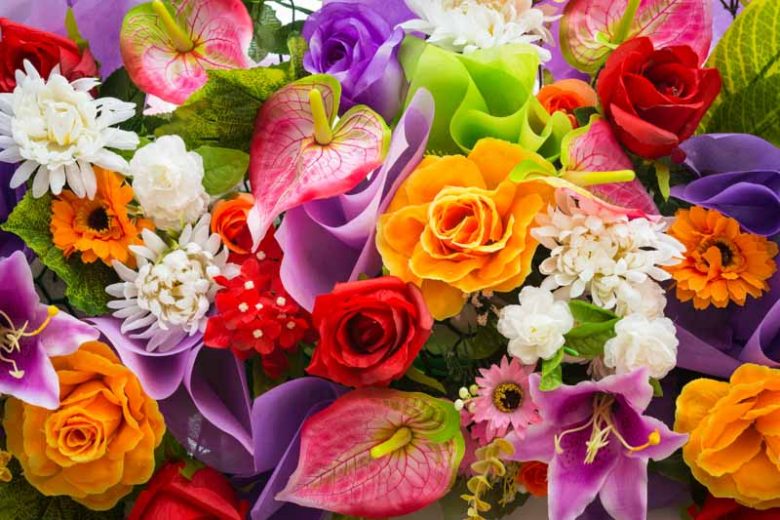 Orange flowers can add warmth and brightness to outdoor spaces. Blue flowers are less common among naturally occurring garden varieties but can create a calm and distinctive appearance. Understanding flower colors can help people select suitable plants for decoration, gifts, celebrations, and landscaping.
Flowers for Different Seasons
Flowers do not all bloom at the same time. Their flowering periods depend on species, climate, temperature, sunlight, and growing conditions. Some varieties are associated with spring, while others perform better during summer, autumn, or winter in suitable regions. Gardeners who select flowers with different blooming periods can create a garden that changes throughout the year. Seasonal planting can also provide food and habitat for pollinators at different times. When choosing flowers, it is therefore useful to consider not only appearance but also the local growing season. A basic understanding of flowers name and their seasonal preferences can make garden planning easier and more effective.
How to Choose Flowers for a Garden
Choosing flowers requires more than selecting the most attractive blooms. First, consider the amount of sunlight available in the planting area. Some flowers require several hours of direct sunlight, while others tolerate partial shade. Soil drainage is another important factor because many flowering plants do not perform well in constantly waterlogged soil. Gardeners should also consider available space, local temperature, watering requirements, and maintenance time. Native or climate-appropriate plants can often be easier to maintain. Containers may be suitable for balconies and small spaces, while larger gardens offer more room for shrubs and spreading plants. By comparing different flowers name and their requirements, gardeners can create attractive and practical planting plans.
Importance of Flowers in Nature
Flowers have a major role in plant reproduction and ecosystems. Many flowering plants depend on insects, birds, bats, wind, or other natural processes to transfer pollen. Bees and butterflies frequently visit flowers while collecting nectar or pollen, helping support pollination. Flowers can therefore contribute to biodiversity and provide important resources for wildlife. A garden containing a variety of flowering plants can offer food to pollinators across different seasons. Beyond their ecological function, flowers also make natural environments more attractive and enjoyable for people. Protecting flowering plants and creating pollinator-friendly spaces can be a simple way to support local ecosystems.
Flowers in Daily Life and Culture
Flowers are deeply connected with human life. People use them at weddings, birthdays, festivals, religious events, ceremonies, and other celebrations. They are also used in bouquets, home decoration, landscaping, traditional crafts, perfumes, and greeting arrangements. Different societies have developed their own meanings and traditions around particular flowers. In India, flowers such as marigold, jasmine, lotus, and rose have important cultural roles. Floral designs also appear in art, clothing, architecture, and decorative traditions. This cultural importance makes learning flowers name more than a simple vocabulary exercise because flowers can provide insight into nature, history, traditions, and everyday life.
Tips for Growing Healthy Flowers
Healthy flowers need suitable conditions rather than excessive care. Start by selecting plants that match the local climate and the available sunlight. Use appropriate soil with good drainage and provide water according to each plant’s requirements. Avoid watering every plant on exactly the same schedule because different species have different moisture needs. Remove damaged growth when necessary and provide support for climbing or tall varieties. Fertilizer can be useful when applied appropriately, but excessive fertilizer may harm plants. Regularly observing leaves, stems, buds, and soil can help gardeners notice problems early. With consistent care and suitable plant selection, even a small garden can contain a colorful collection of flowering plants.
Conclusion
Flowers bring beauty, fragrance, color, and ecological value to the world around us. From roses and lotus to sunflowers, marigolds, jasmine, hibiscus, and tulips, every variety offers something distinctive. Learning flowers name can help children improve their vocabulary, gardeners make better planting choices, and nature lovers understand the diversity of flowering plants. Flowers also support pollinators and play meaningful roles in celebrations, traditions, decoration, and daily life. Whether someone has a large garden, a balcony, or simply an interest in nature, exploring different flowers can be both educational and enjoyable. With the right knowledge of flower varieties, seasons, colors, and growing requirements, anyone can better appreciate the remarkable diversity and beauty of the plant world.