



The natural world is filled with extraordinary creatures and plants that many people may never see in their lifetime. From mysterious animals living in remote forests to ancient trees surviving for thousands of years, Earth’s biodiversity represents a fascinating collection of life forms. Learning about these rare species helps us understand the importance of protecting ecosystems and preserving nature for future generations. The study of unique names and identities of plants and animals can reveal interesting stories about their origins, habitats, and characteristics. With namestriology, nature enthusiasts can explore meaningful names connected to rare animals and tree species while discovering amazing facts about the living world. Every species has a special role in maintaining ecological balance, whether it is a tiny insect, a large mammal, or a towering tree hidden deep inside a forest.
Rare species often remain unknown because they exist in limited locations or have small populations. Some animals have developed unique survival skills, while certain trees have adapted to extreme environments over centuries. These natural wonders remind us that the planet still holds countless discoveries waiting to be explored.
The Importance of Discovering Rare Animal Species
Rare animals are among the most valuable treasures of Earth’s wildlife. They represent unique evolutionary paths and provide important information about how species adapt to changing environments. Many rare animals have special physical features, unusual behaviors, or incredible survival techniques that make them different from common species. Protecting these animals is essential because the loss of even one species can affect the balance of an entire ecosystem.
Some rare animals live in isolated forests, deep oceans, mountains, or deserts where human activity has limited access. Their survival depends on protecting their natural habitats and reducing threats such as climate change, pollution, and illegal hunting. By understanding their names, characteristics, and stories, people can develop greater appreciation for wildlife conservation.
Examples of rare animals include:
- Saola: Known as the Asian unicorn, this extremely rare mammal is found in the forests of Vietnam and Laos.
- Axolotl: A unique aquatic creature famous for its ability to regenerate body parts.
- Amur Leopard: One of the rarest big cats, recognized for its beautiful spotted coat.
- Vaquita: A small marine mammal with a very limited population in the ocean.
Exploring these species through namestriology provides a deeper connection between names, natural history, and the remarkable features that make every animal special.
Amazing Facts About Rare Animals
Rare animals often surprise researchers with their extraordinary abilities and unusual lifestyles. Some species have existed for millions of years and carry biological features that help them survive difficult conditions. Their stories show the incredible creativity of nature.
For example, the axolotl has fascinated scientists because it can regenerate damaged body parts, including limbs and certain tissues. The saola remained unknown to modern science until the 1990s, showing how many hidden species may still exist in unexplored areas. The Amur leopard can survive in cold climates and move quietly through snowy forests while hunting.
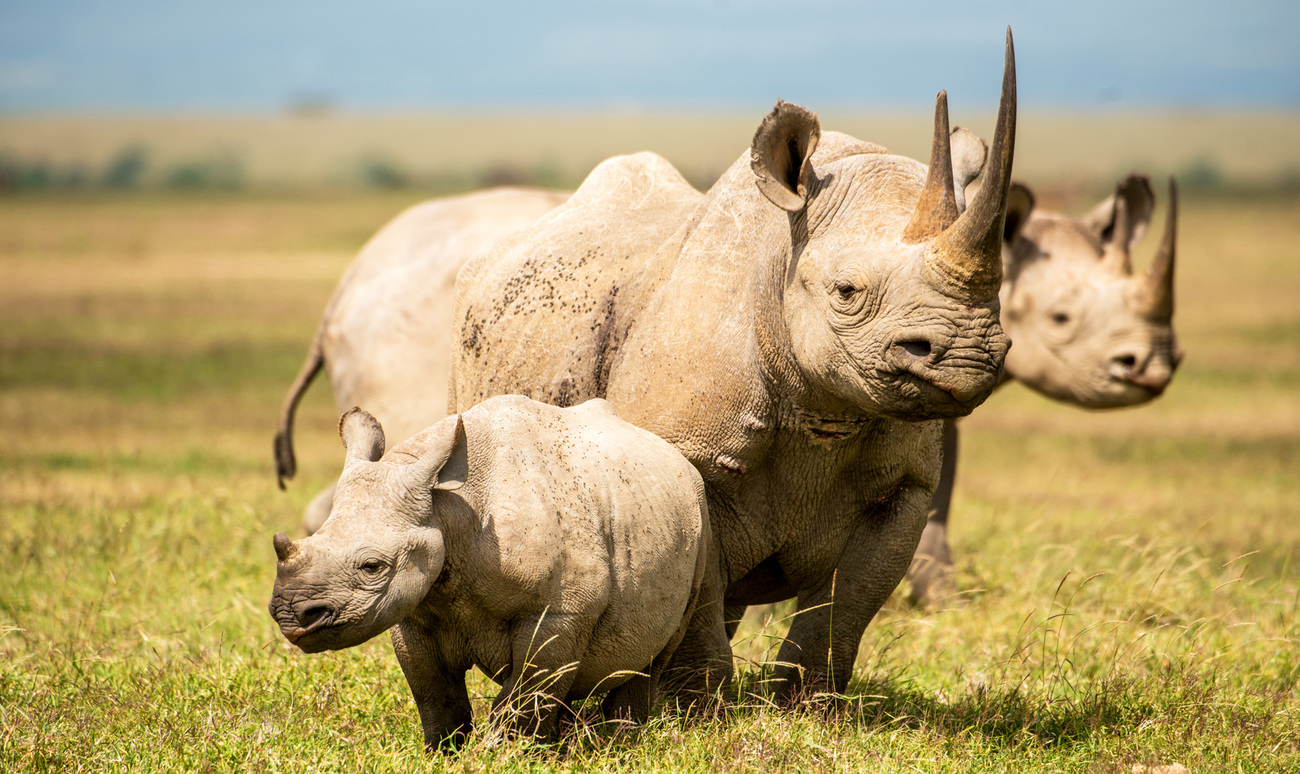
Another interesting fact is that many rare animals play important environmental roles. Predators help control populations of other animals, while smaller species contribute to food chains and ecosystem stability. Losing these animals may create unexpected changes in nature.
Understanding rare animal names and their meanings allows people to connect emotionally with wildlife. Names often describe appearance, location, behavior, or cultural significance. Through namestriology, these connections become a way to explore the relationship between language and the natural environment.
Rare Tree Species That Showcase Nature’s Beauty
Trees are some of the oldest living organisms on Earth, providing oxygen, shelter, food, and protection for countless species. While many trees are common, some rare tree species exist only in specific regions and have unique features that make them extraordinary.
Rare trees often survive in challenging environments. Some grow slowly over hundreds of years, while others develop unusual shapes or protective characteristics. These trees represent natural history and act as living records of environmental changes.
Here are some remarkable rare tree species:
| Rare Tree Species | Unique Feature | Natural Habitat |
|---|---|---|
| Dragon Blood Tree | Produces red resin and has an umbrella-shaped canopy | Socotra Island |
| Wollemi Pine | Ancient tree species dating back millions of years | Australia |
| Baobab Tree | Stores large amounts of water inside its trunk | Madagascar and Africa |
| Monkey Puzzle Tree | Distinctive sharp leaves and unusual appearance | South America |
| African Blackwood | Valuable wood with slow growth rate | Eastern Africa |
These trees are not only beautiful but also important for maintaining biodiversity. Many rare trees provide homes for insects, birds, and other wildlife. Protecting them ensures that future generations can experience their natural beauty.
How Rare Trees Adapt to Extreme Environments
Nature has allowed rare tree species to develop impressive survival strategies. Some trees can survive droughts, strong winds, poor soil conditions, and extreme temperatures. Their adaptations demonstrate the strength and flexibility of plant life.
The dragon blood tree, for example, has a unique shape that helps collect moisture from the atmosphere while reducing water loss. The baobab tree stores water in its thick trunk, allowing it to survive long dry seasons. The Wollemi pine has survived environmental changes for millions of years because of its strong resistance and unique genetic features.
These trees also teach humans valuable lessons about sustainability. Their ability to survive with limited resources shows the importance of conserving natural environments. Studying their names, origins, and characteristics through namestriology helps people appreciate the hidden stories behind these incredible plants.
The Connection Between Names and Natural Discoveries
Every species name carries a story. Names may come from geographical locations, physical features, historical references, or scientific observations. Understanding these names makes learning about nature more interesting and meaningful.
Animal and tree names often describe something special about the species. A name might explain an animal’s color, movement, habitat, or behavior. Similarly, tree names may highlight their appearance, cultural importance, or environmental role.

The connection between names and nature creates a bridge between science and human curiosity. People remember information more easily when they understand the meaning behind a name. Namestriology explores this connection by focusing on how names reflect the identity and uniqueness of living organisms.
By studying natural names, students, researchers, and nature lovers can gain a better understanding of biodiversity. It encourages curiosity and inspires people to protect the remarkable species that share our planet.
Threats Facing Rare Animals and Trees
Despite their importance, many rare species face serious challenges. Human activities have changed natural environments and created conditions that make survival difficult for many plants and animals.
Major threats include:
- Habitat destruction caused by deforestation and urban expansion.
- Climate changes affecting natural living conditions.
- Pollution damaging ecosystems and food sources.
- Illegal wildlife trade reducing animal populations.
- Unsustainable resource use harming rare trees.
Conservation efforts focus on protecting habitats, supporting breeding programs, and educating communities about biodiversity. Everyone can contribute by respecting nature, reducing waste, and supporting environmental protection.
Rare animals and trees are not only valuable because they are uncommon. They represent millions of years of evolution and contain knowledge that can help scientists understand life on Earth. Protecting them means protecting the natural balance that supports all living beings.
Why Learning About Rare Species Matters
Discovering rare animals and tree species encourages people to look beyond familiar surroundings and appreciate the incredible diversity of life. Many natural wonders remain hidden because they exist in remote areas, but learning about them creates awareness and respect for conservation.
Nature provides countless examples of adaptation, resilience, and beauty. A small animal surviving in a challenging habitat or an ancient tree growing for centuries represents the remarkable power of life. These examples remind humans that every species has value.
Namestriology offers an interesting perspective on exploring the identities of rare species. By understanding the meaning behind names, people can create stronger connections with nature and develop greater curiosity about the world around them.
Conclusion
Rare animals and tree species represent some of the most fascinating parts of our planet. They show the incredible variety, creativity, and strength found in nature. From mysterious wildlife hidden in forests to ancient trees standing for thousands of years, every species carries a unique story worth discovering. Protecting these natural treasures requires awareness, responsibility, and appreciation. Learning about their names, characteristics, and habitats helps people understand why conservation is necessary. Through namestriology, the connection between names and natural wonders becomes a meaningful way to explore biodiversity. The Earth’s rare species remind us that nature is full of surprises. By valuing and protecting these extraordinary animals and trees, we can ensure that future generations continue to experience the beauty and mystery of the natural world.