

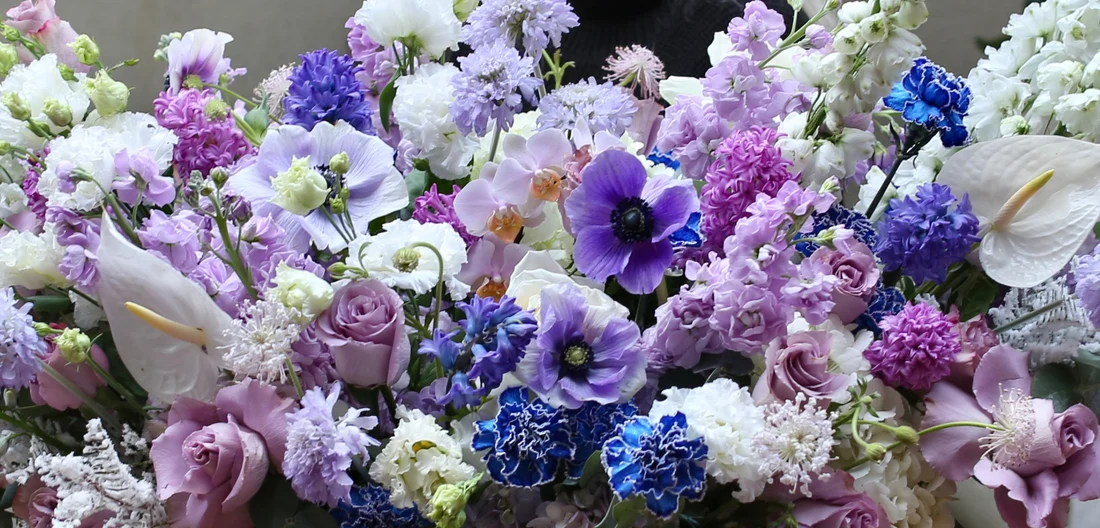

Flowers are among nature’s most beautiful creations, bringing color, fragrance, and freshness to our surroundings. From the delicate petals of a rose to the bright appearance of a sunflower, every flower has its own unique charm. Flowers are used in gardens, homes, celebrations, religious ceremonies, weddings, and special occasions. They also play an important role in supporting biodiversity by providing nectar and pollen for bees, butterflies, and other pollinators. Learning about different flowers can help people choose suitable varieties for gardening, decoration, gifting, and landscaping.
Understanding a flowers name is useful for students, gardening beginners, nature lovers, and anyone who wants to identify common flowering plants. Some flowers are known for their fragrance, while others are appreciated for their vibrant colors, long blooming periods, or cultural significance. For example, roses are widely associated with love, marigolds are popular during festivals in India, and sunflowers are admired for their bright yellow appearance. Each variety has different growing requirements, making it important to understand its characteristics before planting it.
Flowers are available in many shapes, sizes, and colors, including red, white, pink, yellow, purple, orange, and blue. Some varieties thrive in warm weather, while others grow better during cooler months. By exploring common flower varieties, their meanings, and their care requirements, readers can make better choices for home gardens, balconies, flower arrangements, and outdoor spaces.
What Are Flowers and Why Are They Important?
Flowers are the reproductive structures of flowering plants, also known as angiosperms. They help plants produce seeds and, in many species, attract pollinators through their colors, scents, and nectar. Although flowers are often admired for their beauty, their ecological importance is equally significant. Pollinators such as bees, butterflies, and certain birds depend on flowering plants for food, while plants benefit from the transfer of pollen that supports reproduction.
Flowers also have cultural, emotional, and economic importance. Florists use them to create bouquets, event decorations, and floral arrangements, while gardeners select flowering plants to improve the appearance of outdoor and indoor spaces. In India, flowers such as marigolds, jasmine, lotus, and roses are commonly used during festivals, weddings, and religious occasions. Flowers can also communicate emotions that are sometimes difficult to express in words, making them popular gifts for birthdays, anniversaries, celebrations, and moments of sympathy.
50 Popular Flowers Name and Their Characteristics
Different flowers offer different combinations of appearance, fragrance, growing conditions, and practical uses. Some are suitable for small balcony gardens, while others need large outdoor spaces. The following table introduces several familiar flowers and explains their most recognizable characteristics.
| Flower name | Common color | Main characteristic |
|---|---|---|
| Rose | Red, pink, white, yellow | Fragrant petals and classic beauty |
| Sunflower | Yellow | Large flower head and sun-loving growth |
| Lotus | Pink, white | Aquatic flowering plant |
| Marigold | Yellow, orange | Bright blooms and festival decorations |
| Jasmine | White | Sweet fragrance |
| Tulip | Red, yellow, pink, purple | Cup-shaped flowers |
| Lily | White, pink, orange | Prominent petals and elegant appearance |
| Hibiscus | Red, pink, yellow | Large, colorful blooms |
| Daisy | White, yellow | Simple petals and central disc |
| Orchid | Purple, white, pink | Distinctive flower shapes |
| Lavender | Purple | Fragrant flowers and narrow foliage |
| Daffodil | Yellow, white | Trumpet-shaped central structure |
| Chrysanthemum | Various colors | Dense, layered petals |
| Gerbera | Red, orange, pink, yellow | Bright, daisy-like appearance |
| Bougainvillea | Pink, purple, red | Colorful papery bracts |
| Petunia | Purple, pink, white | Popular bedding and container plant |
| Pansy | Purple, yellow, blue | Distinctive face-like markings |
| Zinnia | Various colors | Colorful flowers for summer gardens |
| Dahlia | Various colors | Large blooms with layered petals |
| Morning glory | Blue, purple, pink | Climbing habit and trumpet-shaped flowers |
| Periwinkle | Pink, white, purple | Small flowers and evergreen foliage |
| Magnolia | White, pink, purple | Large, often fragrant flowers |
| Gardenia | White | Glossy leaves and strong fragrance |
| Tuberose | White | Tall flower spikes and sweet scent |
| Calendula | Yellow, orange | Bright blooms and cool-season growth |
| Cosmos | Pink, white, purple | Delicate petals and airy foliage |
| Aster | Purple, pink, white | Star-like flowers |
| Snapdragon | Various colors | Tall flower spikes |
| Sweet pea | Pink, purple, white | Fragrant climbing flowers |
| Bluebell | Blue, violet | Bell-shaped flowers |
| Foxglove | Pink, purple, white | Tall spikes with bell-shaped blooms |
| Camellia | Pink, red, white | Glossy leaves and decorative flowers |
| Begonia | Pink, red, white, orange | Decorative foliage and blooms |
| Impatiens | Pink, red, white, purple | Suitable for shaded gardens |
| Freesia | Various colors | Fragrant, funnel-shaped flowers |
| Ranunculus | Various colors | Many delicate, layered petals |
| Anemone | White, red, purple | Contrasting central disc |
| Plumeria | White, pink, yellow | Fragrant flowers in warm climates |
| Night-blooming jasmine | White | Strong fragrance after dark |
| Calendula officinalis | Yellow, orange | Traditional ornamental and garden plant |
| Blue pea | Blue, white | Climbing vine with distinctive flowers |
| Kalanchoe | Red, pink, yellow | Succulent plant with clustered blooms |
| Verbena | Purple, pink, red | Clusters of small flowers |
| Phlox | Pink, white, purple | Dense clusters of colorful blooms |
| Yarrow | White, yellow, pink | Flat-topped flower clusters |
| Coreopsis | Yellow | Daisy-like flowers |
| Salvia | Blue, purple, red | Upright flower spikes |
| Sweet William | Pink, red, white | Clustered, often patterned petals |
| Hellebore | White, pink, purple | Early-season flowers in cooler climates |
| Queen of the night | White | Large, night-opening flowers in certain cactus species |
This list includes familiar ornamental plants as well as varieties valued for fragrance, seasonal growth, and garden design. Some names, such as queen of the night, can refer to different plants depending on the region, so botanical identification can be helpful when selecting a particular species.
Different Types of Flowers Based on Their Growing Conditions
Flowers can be grouped according to the environments in which they grow best. Understanding these differences makes it easier to select plants that suit local temperatures, sunlight levels, soil conditions, and available space. A flower that thrives in a sunny garden may struggle on a shaded balcony, while a plant suited to cool weather may produce fewer blooms during extreme heat.

1. Summer Flowers
Summer flowers generally tolerate warmer conditions and often perform well in sunny locations when they receive suitable watering. Sunflowers, zinnias, portulaca, and many varieties of marigold are popular choices for warm-weather gardens. These flowers can add bright colors to balconies, terraces, borders, and outdoor planters. In hot regions, including many parts of India, gardeners should consider the intensity of afternoon sunlight and the speed at which containers dry out.
Good drainage is particularly important during hot weather because roots can suffer when the soil remains excessively wet. Watering in the morning helps plants receive moisture before temperatures rise. Adding an appropriate layer of organic mulch around outdoor plants can help conserve soil moisture, although mulch should not be placed directly against stems.
2. Winter and Cool-Season Flowers
Cool-season flowers are often planted when temperatures become milder or colder, depending on the local climate. Pansies, petunias, calendula, sweet peas, and certain varieties of chrysanthemum can provide color during cooler periods. In northern Indian cities, winter is often a favorable season for growing many annual flowering plants because temperatures are more comfortable for their development.
Gardeners should still pay attention to the needs of individual varieties. Some plants prefer full sunlight even during winter, while others tolerate partial shade. Seeds and seedlings should be planted according to local growing conditions rather than a universal calendar. Protecting delicate plants from frost, avoiding waterlogged soil, and removing damaged flowers can help maintain healthy growth.
3. Indoor and Shade-Tolerant Flowers
Not every flowering plant needs a garden with direct sunlight. Certain begonias and impatiens can grow well in partially shaded outdoor spaces, while some orchids and other tropical flowering plants can adapt to bright indoor locations. African violets are another popular option for indoor growing when they receive suitable indirect light and careful watering.
However, indoor plants still require adequate light, air circulation, and suitable humidity. A room that appears bright to people may not provide enough light for a flowering plant. Placing plants near an appropriate window and avoiding standing water around their roots can improve their chances of blooming. Before choosing an indoor variety, check whether its light and temperature requirements match the intended location.
Popular Flowers and Their Meanings
Flowers often carry symbolic meanings shaped by culture, tradition, literature, and personal experience. These meanings are not universal, but they can help people select flowers for gifts and celebrations.
Roses are commonly associated with love, appreciation, friendship, and admiration. Red roses often represent romantic love, while yellow roses are frequently used to express friendship and happiness. White roses may symbolize remembrance or new beginnings, depending on the occasion. Their versatility makes roses popular choices for bouquets, anniversaries, weddings, and formal arrangements.
Lotus flowers have important symbolic associations in several Asian cultures and are often connected with purity, renewal, and spiritual growth. Sunflowers commonly represent warmth, optimism, and positivity because of their bright appearance. Jasmine is admired for its fragrance and has cultural significance in many Indian traditions, where its flowers may be used in garlands and celebrations.
Lilies are often selected for elegant arrangements, although their meanings differ according to color and cultural context. Marigolds are widely associated with festive decorations and ceremonial uses in India. Orchids can communicate refinement and admiration, making them suitable for decorative displays and thoughtful gifts. When selecting a flower for a meaningful occasion, it is useful to consider the recipient’s preferences as well as traditional symbolism.
How to Choose the Right Flowers for Your Garden
Choosing flowers requires more than selecting attractive colors. The best plants are those that can grow successfully in the available environment and fit the gardener’s maintenance routine. Before purchasing seeds or seedlings, consider how much sunlight the location receives, whether the soil drains well, and how much time can be devoted to watering, pruning, and removing spent blooms.
For beginners, flowers such as marigolds, zinnias, cosmos, and sunflowers can be practical options in suitable climates. They offer visible growth and colorful blooms without requiring elaborate garden designs. People with limited space can use pots, railing planters, or vertical supports for suitable varieties. Climbers such as morning glory can make use of vertical space, while compact flowering plants may be better suited to windowsills and small balconies.
A useful selection process includes these considerations:
- Sunlight: Match each plant with its recommended light conditions.
- Watering: Choose varieties suited to the time available for plant care.
- Space: Check mature plant height and width before planting.
- Climate: Select flowers that tolerate local seasonal temperatures.
- Maintenance: Consider pruning, feeding, pest management, and flowering duration.
Native flowering plants can also be valuable choices because locally adapted species may support regional pollinators and require fewer adjustments to local conditions. Their suitability still depends on the species, soil, and site. Combining flowers with different blooming periods can provide a more continuous display of color and help make a garden attractive across several seasons.
Essential Tips for Healthy Flowering Plants
Healthy flowers depend on a combination of suitable light, well-managed watering, appropriate nutrition, and good growing conditions. Overwatering is a common problem because gardeners sometimes assume that more water always produces better growth. In reality, many flowering plants need soil that drains efficiently and allows roots to receive oxygen. Check the moisture level before watering, particularly when growing plants in containers.
Soil quality also influences flowering performance. Most garden plants benefit from a growing medium that provides adequate drainage while retaining enough moisture and nutrients. Compost can improve soil structure when used appropriately, but excessive fertilizer may encourage leafy growth at the expense of flowers. Always follow the recommended feeding instructions for the plant variety rather than applying fertilizer more frequently than necessary.

Regular inspection can help identify pests and diseases before they spread. Look for unusual leaf discoloration, damaged buds, sticky residue, or signs of fungal growth. Removing dead flowers can encourage continued blooming in some varieties, while pruning should be performed according to the plant’s growth pattern. Different species flower at different times, so learning the needs of individual plants is more effective than applying the same care routine to every flower.
Flowers in Decoration, Celebrations, and Everyday Life
Flowers are widely used to improve the appearance of homes, workplaces, public spaces, and event venues. Fresh bouquets can add color to dining tables, while flowering pots can brighten balconies and entrances. For weddings and celebrations, florists combine flowers with greenery, decorative fabrics, and suitable containers to create arrangements that complement the event’s style. The choice of flowers often depends on seasonal availability, budget, fragrance preferences, and the desired color scheme.
In India, flowers are especially visible during festivals, weddings, religious observances, and family celebrations. Marigold garlands, jasmine arrangements, and roses are common examples of flowers used for decorative and ceremonial purposes. Flowers are also given to express congratulations, gratitude, sympathy, and affection. Beyond special occasions, growing flowers at home can provide an enjoyable hobby and create opportunities to observe plant growth, seasonal changes, and visiting pollinators.
Fresh flowers generally last longer when placed in a clean container with fresh water and kept away from excessive heat. Trimming the stems and removing leaves that sit below the waterline can help maintain a bouquet. Some varieties naturally last longer than others, so selecting flowers according to the intended display period is useful. For people seeking lower-maintenance decoration, dried flowers and suitable long-lasting potted plants can offer alternatives to frequently replacing fresh arrangements.
Conclusion
Flowers bring together natural beauty, cultural significance, ecological value, and practical uses. From roses and lilies to marigolds, sunflowers, orchids, and jasmine, every variety has distinctive characteristics that make it suitable for particular environments and occasions. Learning about flower colors, meanings, growing conditions, and maintenance requirements helps people make informed choices when planning a garden, selecting a gift, or decorating a living space.
Exploring a flowers name is a useful starting point for understanding the wide variety of flowering plants available around the world. Whether someone wants to grow colorful blooms on a small balcony, create an attractive landscape, support pollinators, or choose meaningful flowers for a celebration, the right selection can make a significant difference. By matching plants to local conditions and providing consistent, appropriate care, anyone can enjoy the beauty of flowers while developing a deeper appreciation for the natural world.