

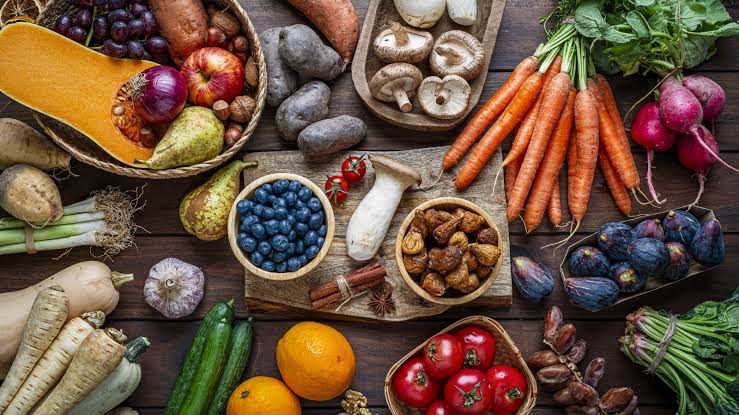

Vegetables are an essential part of a balanced diet and play an important role in maintaining overall health. From leafy greens and colorful root vegetables to crunchy pods and nutritious gourds, different varieties offer a wide range of vitamins, minerals, fiber, and other beneficial nutrients. They add flavor, color, and texture to everyday meals while helping people create healthier eating habits. Whether served raw in salads, cooked in curries, added to soups, or prepared as side dishes, vegetables can make meals more satisfying and nutritious.
Learning the different vegetables name and understanding how each variety is used can make grocery shopping and meal planning easier. Many people regularly purchase familiar options such as potatoes, onions, tomatoes, carrots, spinach, and cabbage without realizing how many other varieties are available. Exploring different vegetables can introduce new flavors into the kitchen and help families enjoy a wider selection of nutrients. Seasonal availability, local food traditions, personal preferences, and household budgets can all influence which vegetables people choose.
In today’s busy lifestyle, choosing fresh and affordable vegetables is a practical way to improve everyday eating habits. People do not need expensive ingredients or complicated recipes to prepare nutritious meals. A simple combination of seasonal produce, whole grains, pulses, and suitable protein sources can support a balanced diet. By learning about vegetable categories, nutritional qualities, preparation methods, and storage techniques, anyone can make more informed food choices.
Understanding Different Types of Vegetables
Vegetables are commonly grouped according to the part of the plant that people eat. These categories include leaves, roots, stems, flowers, fruits, bulbs, and seeds or pods. Each group offers different textures and culinary possibilities. Leafy vegetables such as spinach and fenugreek leaves work well in cooked dishes, while root vegetables such as carrots and radishes can be eaten raw or cooked. Flower vegetables such as cauliflower and broccoli are popular in stir-fries, curries, and roasted dishes.
Understanding these categories is helpful when planning varied meals. Instead of purchasing the same few ingredients every week, shoppers can select vegetables from different groups. For example, a meal containing leafy greens, carrots, peas, and cauliflower provides variety in color, flavor, and texture. Although vegetables differ in their nutrient composition, regularly eating a diverse selection is generally more beneficial than relying on a single variety. The best choices depend on availability, individual dietary needs, and how the vegetables fit into the overall meal.
Popular Vegetables Name List for Everyday Cooking
Many vegetables are widely available in Indian markets and supermarkets throughout the year. Their popularity comes from their versatility, affordability, and ability to complement a variety of traditional and modern recipes. Potatoes can be used in curries, parathas, snacks, and baked dishes. Onions form the base of many savory preparations, while tomatoes contribute acidity, moisture, and flavor to sauces and gravies. Carrots, beans, peas, cabbage, and cauliflower are equally useful for preparing everyday meals.
The following table provides a practical reference for identifying common vegetables and understanding how they are typically used in the kitchen.
| Vegetable | Common culinary use | Nutritional highlight |
|---|---|---|
| Potato | Curries, soups, and baked dishes | Carbohydrates and potassium |
| Tomato | Gravies, salads, and sauces | Vitamin C and lycopene |
| Carrot | Salads, soups, and cooked dishes | Beta-carotene |
| Spinach | Dal, curries, and vegetable dishes | Folate and vitamin K |
| Cauliflower | Curries, roasting, and stir-fries | Vitamin C and fiber |
| Cabbage | Salads, rolls, and stir-fries | Vitamin C and vitamin K |
| Green peas | Rice dishes, curries, and soups | Plant protein and fiber |
| Broccoli | Steaming, roasting, and stir-fries | Vitamin C and folate |
| Radish | Salads, parathas, and pickles | Vitamin C and fiber |
| Ladyfinger | Curries and dry vegetable preparations | Fiber and folate |
These examples show that vegetables can contribute different nutrients to the diet. However, their exact nutritional content varies according to variety, growing conditions, freshness, storage, and cooking method. A diverse selection is therefore a sensible approach to everyday nutrition.
Leafy Green Vegetables and Their Benefits
Leafy green vegetables are valued for their nutrient density and versatility. Spinach, fenugreek leaves, amaranth leaves, mustard greens, coriander leaves, and lettuce are common examples. Many leafy greens provide folate, vitamin K, carotenoids, and varying amounts of iron, calcium, and vitamin C. These nutrients support several normal body functions, including blood formation, bone health, and immune function. Leafy greens also contribute fiber, which helps support regular digestion.
In Indian households, leafy greens can be prepared in numerous ways. Spinach can be added to lentils, soups, parathas, and vegetable curries, while fenugreek leaves bring a distinctive flavor to flatbreads and cooked dishes. Mustard greens are often prepared with other ingredients to create a hearty meal, and fresh coriander is commonly used to enhance flavor. Washing leafy vegetables thoroughly under clean running water is important before preparation. Cooking methods such as steaming, quick sautéing, or adding greens toward the end of cooking can help preserve texture and some heat-sensitive nutrients.
Root and Tuber Vegetables for Energy and Variety
Root and tuber vegetables grow underground and include carrots, radishes, beetroots, turnips, potatoes, sweet potatoes, and yams. These vegetables differ considerably in their nutrient profiles. Carrots contain beta-carotene, which the body can convert into vitamin A, while sweet potatoes provide carbohydrates and carotenoids. Potatoes are a useful source of energy and potassium, and radishes offer a crisp texture with a peppery flavor. Beetroots contribute folate and naturally occurring plant compounds that give them their characteristic color.
These vegetables are easy to incorporate into daily meals because they can be prepared using many cooking techniques. Carrots can be eaten raw, grated into salads, or cooked with peas. Radishes are used in salads and stuffed flatbreads, while beetroot can be added to soups and vegetable preparations. Potatoes and sweet potatoes can be boiled, steamed, or roasted. For a balanced diet, preparation methods matter: boiling or roasting with moderate amounts of oil is generally preferable to making deep-fried dishes the everyday choice. Keeping edible skins on suitable vegetables after thorough washing can also increase fiber intake.
Cruciferous Vegetables and Their Culinary Uses
Cruciferous vegetables include cabbage, cauliflower, broccoli, radishes, and several varieties of mustard greens. These vegetables contain fiber, vitamins, minerals, and naturally occurring plant compounds that have attracted scientific interest. Broccoli and cauliflower are especially popular because they can be used in traditional curries, soups, roasted dishes, and international recipes. Cabbage is often included in salads, stir-fries, stuffed preparations, and fermented foods.
One advantage of this group is its flexibility in cooking. Cauliflower can be roasted with spices, steamed, or combined with potatoes and peas. Broccoli can be lightly steamed or sautéed, while cabbage can be cooked quickly to retain some of its crispness. These methods allow people to enjoy different flavors without relying on heavy sauces. There is no need to eat every variety daily; rotating them throughout the week is a practical way to introduce diversity into a balanced diet.
Seasonal Vegetables and Smart Shopping Choices
Seasonal vegetables are often a practical choice because they may be more readily available, fresher, and less expensive than produce transported over long distances. In India, availability varies by region, weather, and farming conditions. Winter markets in many areas commonly feature carrots, peas, radishes, cauliflower, and leafy greens. During warmer months, cucumbers, gourds, okra, and several other varieties may be widely available. These patterns are general rather than fixed, so local market conditions should guide purchasing decisions.
When shopping, look for vegetables with a fresh appearance, suitable firmness, and no obvious signs of decay. Avoid produce with extensive mold, unpleasant odors, or widespread soft and damaged areas. Comparing prices at different stalls can help households stay within budget, while buying quantities that can be consumed before spoilage reduces waste. Frozen vegetables can also be useful when fresh options are unavailable or inconvenient. They may retain much of their nutritional value because they are often processed soon after harvesting. Choosing between fresh and frozen produce should depend on cost, availability, convenience, and personal preference.
How to Include More Vegetables in Your Daily Diet
Adding more vegetables does not require a complete change in eating habits. Small adjustments to familiar meals can increase variety without making cooking complicated. Vegetables can be mixed into lentils, added to rice dishes, included in sandwiches, or served alongside chapatis and other staples. For breakfast, grated carrots or chopped spinach can be added to savory pancakes and omelets. At lunch, a serving of cooked vegetables can complement dal and rice, while dinner can include a vegetable soup, stir-fry, or mixed curry.
Consistency is often more useful than following an overly complicated meal plan. People who dislike a particular vegetable can try preparing it in another way, such as roasting instead of boiling or combining it with familiar herbs and spices. Children may be more willing to try colorful vegetables when they are served in appealing combinations. Adults with busy schedules can wash and prepare suitable ingredients in advance, provided they are stored safely. The aim is to make vegetables a regular part of meals rather than treating them as an occasional addition.
Practical Tips for Preparing and Storing Vegetables
Proper handling helps maintain vegetable quality, reduce waste, and support food safety. Different varieties have different storage requirements. Some leafy greens and many tender vegetables generally benefit from refrigeration, while whole potatoes and onions are usually best kept in a cool, dry, well-ventilated place away from direct sunlight. Tomatoes may be stored at room temperature until ripe, depending on their condition and how soon they will be used. Cut or peeled vegetables should be refrigerated promptly in clean, covered containers.
A few simple practices can make daily preparation easier:
- Wash vegetables under clean running water before cutting or eating them.
- Remove damaged portions and discard vegetables showing significant spoilage.
- Store cut vegetables in clean, covered containers in the refrigerator.
- Use suitable cooking methods that avoid excessive oil and prolonged heating.
- Plan meals around the produce that needs to be used first.
Washing vegetables before preparation is important, but soaking them for unnecessarily long periods is not required for most varieties. Avoid using soap or household detergents on produce. Cutting vegetables into appropriately sized pieces can help them cook evenly, and preparing only the amount needed can reduce leftovers. For packed or frozen vegetables, follow the storage and preparation instructions on the packaging.
Common Mistakes to Avoid When Eating Vegetables
One common mistake is assuming that all vegetables provide identical nutrients. Although most contribute beneficial compounds, leafy greens, starchy tubers, legumes, and colorful vegetables have different nutritional characteristics. Another mistake is eating only one or two familiar varieties for long periods. Expanding the range of vegetables can improve dietary diversity and make meals more interesting. Similarly, relying heavily on deep-fried preparations may add substantial fat and calories, reducing the advantages of otherwise nutritious ingredients.
People sometimes believe that raw vegetables are always healthier than cooked vegetables. In reality, the effect of cooking depends on the vegetable and nutrient involved. Heat can reduce certain water-soluble vitamins, but cooking can also improve the availability of some compounds, make vegetables easier to chew, and increase food safety. A combination of raw and cooked preparations is a reasonable approach for most people. Anyone with specific dietary restrictions or medical nutrition requirements should follow advice appropriate to their individual circumstances rather than assuming that every vegetable is suitable in unlimited quantities.
Building a Balanced Diet With Vegetables
A balanced diet includes more than vegetables alone. Whole grains, pulses, beans, nuts, seeds, fruits, and suitable protein sources also contribute important nutrients. Vegetables can provide volume, flavor, fiber, and a wide range of micronutrients, while other food groups help meet energy and protein needs. Combining these foods creates meals that are both satisfying and varied. For example, a plate containing whole-grain roti, dal, a seasonal vegetable preparation, and a small salad offers a practical combination of carbohydrates, protein, fiber, and micronutrients.
The appropriate amount of vegetables depends on age, activity level, overall energy requirements, and individual health needs. A useful everyday strategy is to include different colors and types across meals instead of trying to meet every nutritional goal with a single ingredient. Red tomatoes, orange carrots, dark green leafy vegetables, and purple beetroots each bring their own characteristics to the plate. Variety also helps prevent meal fatigue, making healthy eating easier to maintain over time.
Conclusion
Understanding the different vegetables name, their categories, and their culinary uses can make everyday food choices simpler and more informed. From leafy greens and root vegetables to cruciferous varieties and seasonal produce, each group offers distinctive flavors and nutritional benefits. Including a broad selection of vegetables in regular meals can support dietary variety, provide fiber and essential nutrients, and make home cooking more enjoyable.
The most effective approach is to choose vegetables that are fresh, affordable, available locally, and suited to personal preferences. Proper washing, safe storage, and sensible cooking methods help preserve quality while reducing unnecessary waste. Rather than following complicated food trends, focus on adding variety to familiar meals and maintaining consistent eating habits. With thoughtful shopping and simple preparation, vegetables can remain an accessible and valuable part of a balanced diet throughout the year.