



The Indian entertainment industry has experienced a major transformation with the growth of digital streaming platforms. Audiences are no longer limited to traditional television serials or theatrical films. Today, viewers can explore a wide range of stories through streaming services, including romantic dramas, crime thrillers, comedy shows, historical series, and realistic social narratives. One of the most interesting developments in this changing entertainment landscape is the growing popularity of the web series heroine, a character who often plays a central role in shaping the story and connecting with viewers.
In earlier television formats, female characters were frequently written around family responsibilities, relationships, and predictable storylines. Modern web series have created opportunities for more diverse characters, including ambitious professionals, detectives, entrepreneurs, artists, and women navigating complicated personal circumstances. These characters can be confident, vulnerable, intelligent, humorous, or morally complex. Their experiences often reflect the challenges and aspirations of contemporary society, making them relatable to audiences from different backgrounds.
The popularity of female leads also highlights the contribution of talented actresses who bring depth and authenticity to their performances. Some established film stars have embraced digital entertainment, while emerging performers have built their reputations through original streaming productions. Understanding this trend provides a useful perspective on how acting, storytelling, and audience preferences are evolving in India’s digital entertainment industry.
What Does Web Series Heroine Mean?
The term web series heroine generally refers to a female lead or an important female character in a series released through an online streaming platform. Depending on the story, she may be the main protagonist, a supporting character who influences important events, or an antagonist whose decisions drive the central conflict. The word heroine does not necessarily mean that the character must be perfect or traditionally heroic. Instead, it can describe a woman whose experiences, decisions, and development are essential to the narrative.
For example, a crime drama might feature a determined police officer investigating a difficult case, while a romantic series could follow a young woman discovering her ambitions and understanding her relationships. A political thriller might present a powerful leader dealing with corruption, public pressure, and personal sacrifices. Each character serves a different purpose, but all demonstrate how female roles can contribute to a compelling story. The quality of the writing, the actress’s performance, and the character’s development often determine whether viewers remember the role long after finishing the series.
Popular Indian Actresses Known for Web Series
Indian streaming entertainment includes performers from different generations and regional film industries. Established actresses have used digital projects to explore characters that may be less common in conventional commercial cinema. At the same time, newer performers have gained attention through original productions that allow them to demonstrate their acting abilities.
Sushmita Sen, for example, received attention for her role in the crime drama Aarya, where she portrays a woman forced to take responsibility for her family under dangerous circumstances. The character combines emotional vulnerability with determination, illustrating how a lead role can evolve as the story progresses. Raveena Tandon also explored the streaming format through Aranyak, a mystery thriller that places its female lead at the centre of a complicated investigation.
Other notable performers include Shefali Shah, who has delivered memorable performances in Delhi Crime, and Rasika Dugal, recognised for her work in productions such as Mirzapur and Delhi Crime. Their performances demonstrate different approaches to character development, ranging from emotionally restrained portrayals to roles involving intense personal conflicts. Rather than relying only on glamour or popularity, these actresses often use subtle expressions, dialogue delivery, and physical performance to make their characters believable.
Notable Web Series Heroines and Their Memorable Roles
A number of Indian web series have become known for strong female characters who influence the direction of their stories. These performances demonstrate that an engaging female lead can emerge from many genres, including crime, comedy, romance, and family drama. The following table presents selected examples of actresses and their widely recognised streaming roles.
| Actress | Web Series | Character or Role |
|---|---|---|
| Sushmita Sen | Aarya | Aarya Sareen |
| Shefali Shah | Delhi Crime | DCP Vartika Chaturvedi |
| Raveena Tandon | Aranyak | Kasturi Dogra |
| Rasika Dugal | Mirzapur | Beena Tripathi |
| Mithila Palkar | Little Things | Kavya Kulkarni |
| Shweta Tripathi | Mirzapur | Gajgamini Gupta, known as Golu |
| Samantha Ruth Prabhu | The Family Man Season 2 | Rajalakshmi Sekaran, known as Raji |
| Huma Qureshi | Maharani | Rani Bharti |
These examples reflect the variety of female roles available in streaming entertainment. Some characters are shaped by crime and political conflict, while others focus on relationships, personal growth, or social expectations. Their differences demonstrate why audiences should consider the genre and storyline when looking for a series featuring a particular type of female lead.
How Female Characters Are Changing Indian Entertainment
One major change in digital storytelling is the movement away from strictly predictable character types. Female characters are increasingly portrayed as people with competing responsibilities, complicated emotions, professional ambitions, and personal weaknesses. They can make mistakes, change their opinions, experience setbacks, and learn from difficult situations. Such qualities make a character feel more realistic because real people rarely fit into simple categories of good or bad.
Crime dramas provide particularly clear examples of this development. A female investigator may struggle to balance demanding professional duties with family expectations, while a woman involved in a criminal organisation may face difficult choices involving survival, loyalty, and power. In other genres, a working woman might question social expectations while trying to establish her career, or a young adult might learn to communicate honestly in a changing relationship. These storylines allow writers to explore the pressures experienced by women without making every character’s journey identical.
Another important development is the increased visibility of women from different economic and cultural backgrounds. Instead of presenting only wealthy, glamorous characters, many series explore the lives of professionals, students, rural women, homemakers, and individuals facing financial difficulties. This diversity gives audiences more opportunities to recognise aspects of their own experiences in fictional stories.
Different Genres Featuring Female Leads
Crime and Thriller Series
Crime and thriller productions often feature women as investigators, witnesses, suspects, lawyers, or individuals caught in dangerous circumstances. These characters can create suspense because their decisions influence the investigation and the consequences of criminal activity. In Delhi Crime, Shefali Shah’s portrayal of DCP Vartika Chaturvedi highlights the emotional and professional pressures associated with police work. The character’s authority is balanced by moments of reflection, making her more than a conventional action-oriented protagonist.
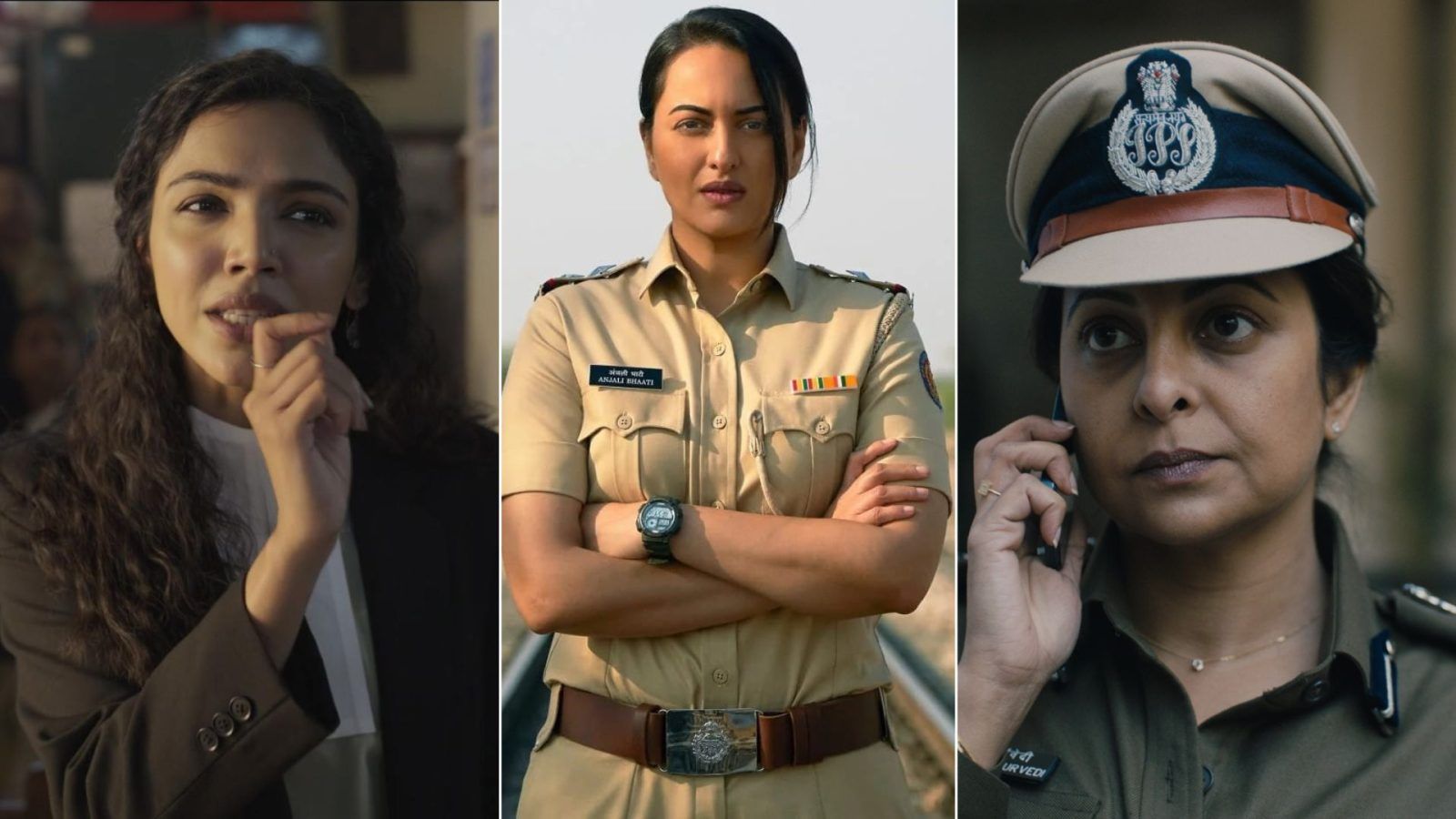
Thrillers also allow actresses to explore morally complicated characters. A woman may be forced to protect her family, uncover a conspiracy, or confront a powerful organisation. The strongest performances make these decisions understandable without suggesting that every action is necessarily justified. This balance between character motivation and moral complexity is one reason audiences often find crime dramas engaging.
Romance and Relationship Dramas
Romantic web series generally focus on communication, emotional maturity, changing expectations, and the challenges of maintaining relationships. Unlike some traditional romantic stories, modern productions may examine uncertainty, career pressures, financial independence, and the differences between personal desires and social expectations. In Little Things, Mithila Palkar portrays Kavya Kulkarni, a young woman navigating everyday life and a relationship with her partner.
These stories are often relatable because they focus on ordinary experiences rather than dramatic coincidences alone. Conversations about work, friendships, family, and future plans can become meaningful parts of the narrative. A well-developed female lead helps viewers understand how relationships evolve and why personal growth sometimes requires difficult decisions.
Comedy and Family Entertainment
Comedy series provide another space for women to display personality, confidence, and individuality. Female characters may challenge family expectations, respond to workplace problems, or navigate friendships through humour. Strong comic performances depend on timing, expressions, dialogue delivery, and the ability to make everyday situations entertaining without reducing the character to a stereotype.
Family-oriented stories can also explore generational differences and changing social values. A young woman may have different career ambitions from her parents, while an older character may question assumptions about marriage, independence, or responsibility. When these conflicts are written thoughtfully, comedy can encourage audiences to reflect on social issues while enjoying the story.
What Makes a Web Series Heroine Memorable?
A memorable character is not created by appearance or popularity alone. The most convincing performances combine a well-written personality with believable emotions and meaningful development. Viewers often remember a character because she faces a difficult choice, demonstrates courage in an unexpected situation, or learns something important about herself. These moments create an emotional connection that can continue beyond the final episode.
Several factors contribute to the success of a female lead:
- Strong character development: The character changes naturally as the story progresses.
- Authentic acting: Expressions, dialogue, and reactions feel appropriate to the situation.
- Relatable motivations: Viewers understand what the character wants and what she risks losing.
- A meaningful storyline: Her decisions have genuine consequences for the wider narrative.
- Original personality: The character has distinctive qualities instead of copying familiar stereotypes.
These elements work together to create performances that feel engaging rather than artificial. Even a character with limited screen time can leave a strong impression when the writing and acting are effective.
The Role of Streaming Platforms in Promoting New Talent
Streaming platforms have created additional opportunities for actresses who might previously have struggled to find substantial roles in mainstream productions. Series can accommodate longer character arcs, allowing performers to develop a personality over multiple episodes instead of completing the entire journey within a two-hour film. This format can be especially useful for stories involving family relationships, professional growth, political conflicts, or psychological struggles.
The digital environment has also encouraged audiences to explore content in several Indian languages. Hindi-language productions remain prominent, but viewers can also discover female leads in Tamil, Telugu, Malayalam, Bengali, Marathi, and other regional productions. Subtitles and dubbing make some of these stories accessible to audiences who do not speak the original language. As a result, performers can gain recognition beyond their traditional regional markets.
However, streaming visibility does not automatically guarantee long-term success. A performer still depends on the quality of the script, the production, audience engagement, and opportunities for future work. The most sustainable careers usually develop through a combination of strong performances, thoughtful project selection, and the ability to adapt to different characters.
How to Choose a Web Series Based on Its Female Lead
Choosing a series becomes easier when viewers consider the type of story they want to experience. Someone interested in suspense may prefer a police procedural or psychological thriller, while viewers seeking light entertainment might enjoy a romantic comedy or a slice-of-life drama. The actress’s previous work can also provide clues about her acting style, although performances may differ significantly from one project to another.
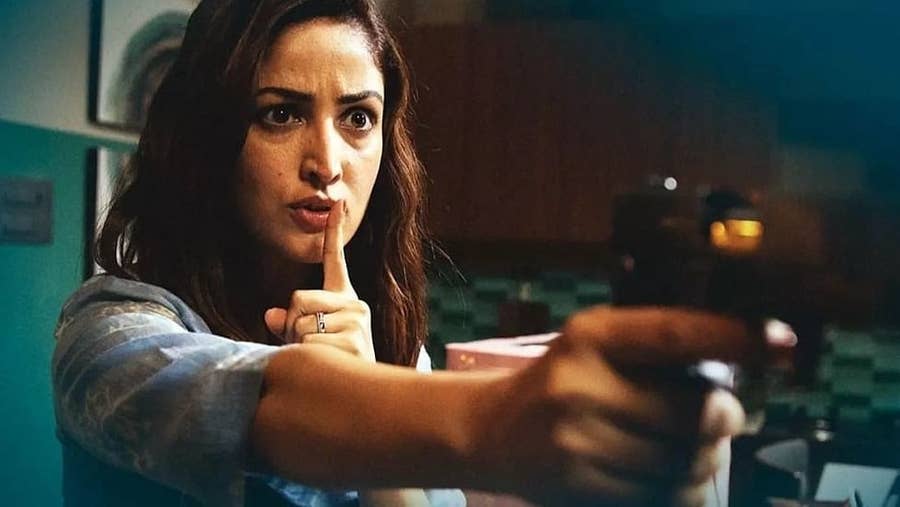
Before starting a series, consider these practical factors:
- Genre: Decide whether you prefer crime, romance, comedy, drama, or suspense.
- Storyline: Check whether the central conflict and character journey interest you.
- Performance style: Consider whether you enjoy realistic, dramatic, subtle, or energetic acting.
- Content suitability: Review the themes, language, and age guidance before watching with family.
It is also useful to look beyond short clips and promotional material. A trailer may highlight dramatic scenes without revealing the overall quality of the writing. Reviews and audience discussions can help, but personal preferences matter because a series that appeals to one viewer may not suit another.
Challenges Faced by Female Leads in Digital Entertainment
Despite growing opportunities, actresses continue to face challenges in the entertainment industry. One concern is that some productions still rely on familiar stereotypes, presenting women mainly as romantic interests, victims, or supporting figures in a male character’s journey. Although these roles can be meaningful when developed carefully, a lack of variety limits the stories available to both performers and audiences.
Another challenge involves the pressure to maintain visibility in a crowded digital market. New series are released regularly, and audience attention can shift quickly. Actresses may need to balance professional opportunities with public expectations, online criticism, and the demands of promoting their projects. The popularity of a role can also lead to typecasting, where performers repeatedly receive similar characters because a previous performance was successful.
Writers, directors, producers, and casting teams all have a role in addressing these issues. More diverse stories, balanced character development, and meaningful opportunities behind the camera can help create a richer entertainment landscape. Progress depends not only on the number of female-led series but also on the quality, originality, and range of the roles being produced.
Future Trends for Female Characters in Web Series
The future of female-led streaming entertainment is likely to involve greater experimentation with genres, storytelling formats, and character perspectives. Audiences increasingly have access to stories that combine suspense with family drama, romance with workplace challenges, or comedy with social commentary. This flexibility gives writers opportunities to create characters whose lives cannot be explained through a single label.
Regional storytelling is another area with considerable potential. As viewers discover productions from different parts of India, actresses working in regional industries may find wider audiences. Stories rooted in local culture, language, and social conditions can offer fresh perspectives while addressing universal themes such as ambition, family, identity, and independence.
Technology will continue to influence how audiences discover and watch content, but strong storytelling will remain essential. Recommendation systems may help viewers find shows that match their interests, yet a lasting connection still depends on compelling characters and convincing performances. The most successful female leads will likely be those who feel distinctive, emotionally authentic, and relevant to the world around them.
Conclusion
The growth of digital entertainment has expanded the range of female characters available to Indian audiences. From determined investigators and complicated political figures to young professionals and women navigating relationships, modern streaming productions offer stories that explore different aspects of life. Talented actresses have helped bring these characters to life through performances that combine emotional depth, individuality, and realism. The appeal of a web series heroine ultimately depends on much more than popularity or screen presence. Strong writing, meaningful character development, believable motivations, and a well-constructed storyline all contribute to a memorable performance. As streaming entertainment continues to evolve, viewers can expect more varied perspectives and opportunities for actresses to explore challenging roles. For audiences, this growing diversity makes discovering a new series an opportunity to experience fresh stories, different viewpoints, and performances that remain memorable long after the final episode.