

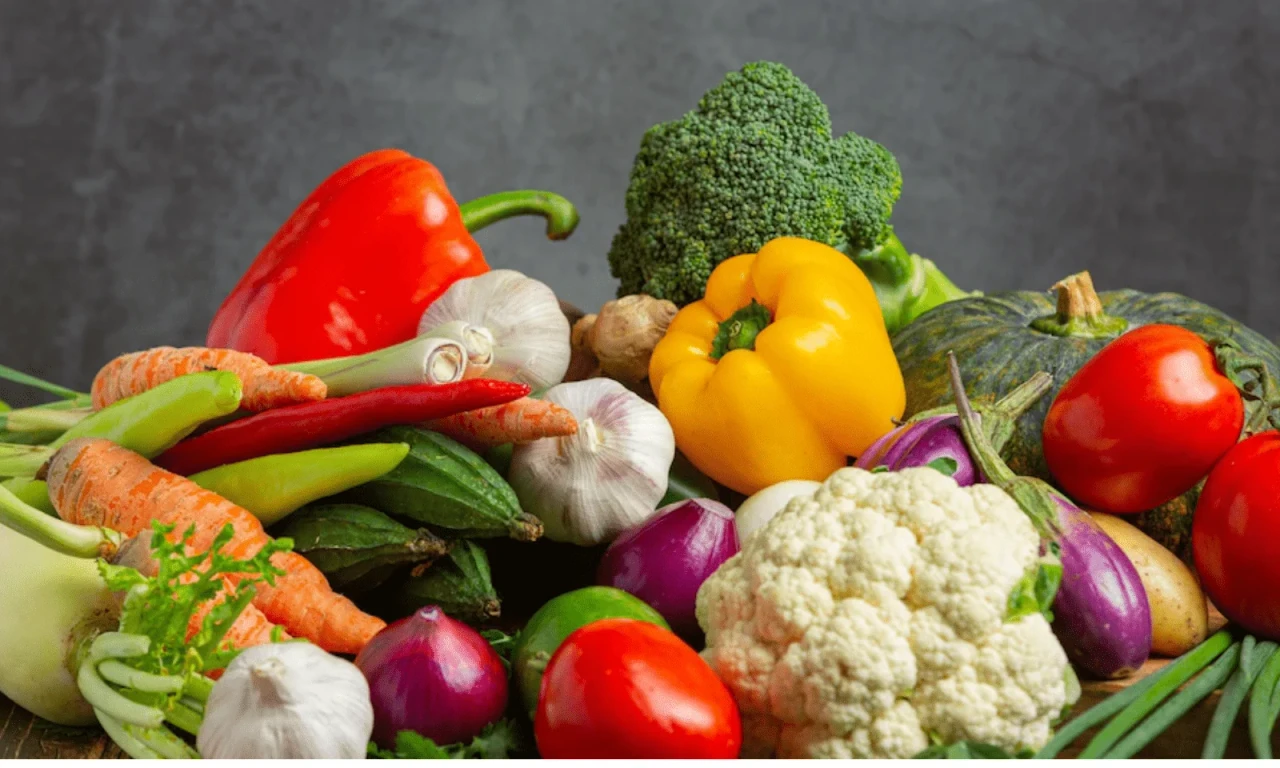

Vegetables are an essential part of a balanced diet because they provide vitamins, minerals, dietary fiber, and other nutrients that support overall health. From leafy greens and colorful root vegetables to crunchy pods and nutritious gourds, every variety offers a different combination of taste, texture, and nutritional value. Understanding vegetables name and their uses can make grocery shopping easier, improve meal planning, and help families introduce more variety into their everyday meals.
Across India and other parts of the world, vegetables are used in countless traditional and modern recipes. Spinach, potatoes, tomatoes, cauliflower, carrots, cabbage, peas, and bottle gourd are common ingredients in Indian kitchens. Some vegetables are enjoyed raw in salads, while others are boiled, steamed, roasted, or cooked with spices. Their availability also changes according to the season, making it useful to understand which varieties are commonly consumed throughout the year.
Learning about different vegetables is not only helpful for cooking but also for developing healthier eating habits. Children can learn to identify vegetables by their colors and shapes, while adults can choose suitable varieties for breakfast, lunch, dinner, and snacks. A diverse selection of vegetables can make meals more satisfying and support a nutritious lifestyle without requiring expensive or complicated ingredients.
What Are Vegetables?
Vegetables are edible plant parts that people commonly use in savory dishes, salads, soups, and other meals. Depending on the plant, the edible portion may be a leaf, root, stem, flower, fruit, bulb, or seed. For example, spinach is eaten for its leaves, carrots for their roots, cauliflower for its flower structure, and potatoes for their underground tubers. This variety explains why vegetables differ considerably in appearance, flavor, and nutritional composition.
In everyday cooking, the word vegetable is mainly a culinary category rather than a strict botanical classification. Tomatoes, cucumbers, pumpkins, and bell peppers are botanically fruits because they develop from flowers and contain seeds, but they are generally treated as vegetables in savory cooking. Understanding this distinction makes it easier to explore plant foods without becoming confused by scientific terminology.
Different Vegetables Name List by Category
There are many ways to organize a vegetables name list, but grouping vegetables according to their edible parts is one of the simplest approaches. This method helps people recognize unfamiliar varieties and understand how different vegetables can be incorporated into meals.
1. Leafy Green Vegetables
Leafy vegetables are valued for their freshness, versatility, and nutrient content. Common examples include spinach, fenugreek leaves, lettuce, amaranth leaves, mustard greens, coriander leaves, and kale. These vegetables can be used in curries, soups, salads, stuffed flatbreads, and cooked side dishes. Spinach and mustard greens are particularly familiar in Indian households, where they are often prepared with lentils, spices, or other vegetables.
Many leafy greens provide folate, vitamin K, carotenoids, and fiber. However, their nutritional content varies depending on the variety and preparation method. Washing leafy vegetables thoroughly before cooking is important because soil and other contaminants may remain on their surfaces. Light cooking can make some greens easier to eat, while raw preparations can preserve heat-sensitive nutrients when handled safely.
2. Root Vegetables
Root vegetables grow underground and are widely used in everyday meals. Examples include carrots, beetroot, radishes, turnips, sweet potatoes, and yams. They are popular because they can be roasted, boiled, mashed, grated, or added to soups and curries. Carrots provide beta-carotene, which the body can convert into vitamin A, while sweet potatoes supply carbohydrates and can provide fiber and several vitamins.
These vegetables are particularly useful when planning filling meals. Carrots can be added to salads and mixed vegetable dishes, beetroot can be grated into salads or cooked as a side dish, and radishes are often eaten in salads or used in stuffed parathas. Their natural flavors range from sweet to peppery, allowing cooks to create different combinations without relying entirely on sauces or additional seasonings.
3. Flower Vegetables
Flower vegetables are edible flowering structures or immature flower clusters. Cauliflower and broccoli are two familiar examples, while banana flowers are also eaten in several regional cuisines. Cauliflower is commonly used in curries, parathas, roasted dishes, and vegetable rice. Broccoli is frequently steamed, stir-fried, or added to pasta and soups.
These vegetables contribute fiber and various vitamins and plant compounds to the diet. Their taste and texture depend on the cooking method. Steaming or lightly sautéing them can preserve a pleasant texture, whereas prolonged cooking may make them soft and affect some heat-sensitive nutrients. Pairing flower vegetables with lentils, whole grains, or other vegetables creates more varied and balanced meals.
4. Stem and Bulb Vegetables
Stem vegetables include celery and asparagus, while bulb vegetables include onions and garlic. These ingredients are widely used to build flavor in dishes, although their culinary roles differ. Celery adds a crisp texture to salads and soups, asparagus can be steamed or grilled, and onions provide a flavorful base for many Indian gravies. Garlic is commonly used with ginger, spices, and onions to create aromatic preparations.
Onions and garlic are especially important in home cooking because relatively small amounts can add substantial flavor. Celery and asparagus may be less common in some Indian kitchens, but they can introduce variety into soups, stir-fries, and continental recipes. Including different plant parts in meals helps diversify the foods people eat throughout the week.
5. Fruit Vegetables
Several foods commonly called vegetables are botanically fruits. Tomatoes, cucumbers, eggplants, bell peppers, pumpkins, and many types of squash belong to this group. They are usually used in savory recipes because of their flavor and texture. Tomatoes are important in sauces, chutneys, curries, and soups, while cucumbers are frequently eaten raw in salads and served with meals.
Eggplants can be roasted, stuffed, grilled, or cooked into curries. Bell peppers add color and crunch to stir-fries, and pumpkins are useful in soups and traditional vegetable preparations. These foods offer different amounts of water, fiber, vitamins, and other nutrients. Their versatility makes them suitable for a wide range of diets and cooking styles.
6. Pod and Seed Vegetables
Pod and seed vegetables include green peas, green beans, cluster beans, broad beans, and okra. Green peas provide carbohydrates, fiber, and plant protein, while beans can contribute fiber and several micronutrients. Okra, commonly called bhindi in India, is popular in stir-fries and curries because of its distinctive texture and ability to absorb spices.
These vegetables work well in everyday home cooking. Peas can be combined with potatoes or rice, green beans can be lightly sautéed, and okra can be cooked with onions and spices. Fresh, frozen, and appropriately preserved varieties can all be useful, depending on availability, budget, and cooking preferences.
Common Vegetables Name List in English and Hindi
For students, home cooks, and people learning English, comparing vegetable names in two languages can be especially helpful. The following table includes familiar vegetables commonly found in Indian markets and kitchens.
| Vegetables Name in English | Hindi Name | Common Use |
|---|---|---|
| Potato | Aloo | Curries and snacks |
| Tomato | Tamatar | Gravies and salads |
| Onion | Pyaz | Curries and cooking bases |
| Carrot | Gajar | Salads and cooked dishes |
| Cauliflower | Phool Gobhi | Curries and parathas |
| Spinach | Palak | Saag and dals |
| Eggplant | Baingan | Bharta and curries |
| Radish | Mooli | Salads and parathas |
| Okra | Bhindi | Stir-fries and curries |
| Bottle Gourd | Lauki | Curries and soups |
| Bitter Gourd | Karela | Stuffed and sautéed dishes |
| Pumpkin | Kaddu | Curries and soups |
| Green Peas | Matar | Rice and vegetable dishes |
| Cabbage | Patta Gobhi | Salads and stir-fries |
| Beetroot | Chukandar | Salads and cooked dishes |
This comparison demonstrates that learning vegetable names can also improve food vocabulary and everyday communication. Regional names sometimes differ, and English names may vary between countries. For example, eggplant is also called aubergine, while zucchini is sometimes known as courgette. Recognizing these alternatives can be useful when reading recipes or shopping in different locations.
Nutritional Benefits of Eating Vegetables
Vegetables contribute to a healthy diet by supplying a range of essential nutrients. Leafy greens may provide folate and vitamin K, orange vegetables often contain carotenoids, and many vegetables supply vitamin C, potassium, and dietary fiber. Fiber supports normal digestion and can help people feel satisfied after meals. Eating a variety of vegetables also introduces different naturally occurring plant compounds into the diet.
No single vegetable supplies every nutrient in ideal amounts, which is why variety matters more than relying on one popular food. A meal containing spinach, carrots, peas, and tomatoes offers a different nutrient combination from a meal based only on potatoes. Vegetables can also add volume, color, and flavor to meals, helping people create satisfying dishes while balancing portions of grains, protein-rich foods, and healthy fats.
The health benefits depend on the overall dietary pattern, portion sizes, preparation methods, and individual nutritional needs. Vegetables should therefore be viewed as one important part of a balanced diet rather than a guaranteed treatment or prevention method for a specific disease.
How to Choose Fresh Vegetables
Selecting fresh vegetables can improve the quality, flavor, and texture of everyday meals. Look for produce that is appropriate for its variety, with a reasonably firm texture, natural color, and no extensive signs of decay. Leafy greens should generally look fresh rather than excessively wilted, while root vegetables should be checked for softness, major damage, or mold. A few cosmetic imperfections do not automatically mean that a vegetable is unsuitable to eat.
The best choice also depends on how soon the vegetable will be used. If you plan to cook a dish the same day, you may be able to purchase ripe tomatoes or delicate leafy greens. For longer storage, select suitable produce that is in good condition and store it according to its requirements. Some vegetables benefit from refrigeration, while others, such as whole potatoes and onions, are generally better kept in a cool, dry, well-ventilated place away from direct sunlight.
A practical shopping approach includes these considerations:
-
Choose vegetables that suit the planned meals and available budget.
-
Check for mold, extensive bruising, unusual softness, and signs of spoilage.
-
Buy seasonal produce when it is affordable and readily available.
-
Wash vegetables under clean running water before cutting or eating them.
These simple habits can reduce unnecessary waste and make grocery shopping more efficient.
Seasonal Vegetables and Their Importance
Seasonality influences the availability, price, flavor, and freshness of vegetables. In many parts of India, peas, carrots, radishes, cauliflower, and several leafy greens are especially popular during cooler months. During warmer periods, cucumbers, gourds, okra, and certain other vegetables may be widely available. However, growing conditions vary by region, so seasonal patterns are not identical throughout the country.
Choosing seasonal produce can help households manage food expenses while enjoying a changing range of ingredients. It also encourages variety in cooking. A winter meal might feature carrot and peas curry, while a summer lunch could include cucumber salad and a bottle gourd preparation. Rather than following a rigid list, shoppers can check local markets and choose produce that is fresh, affordable, and suitable for their household.
Easy Ways to Include More Vegetables in Daily Meals
Increasing vegetable intake does not require complicated recipes or a complete change in eating habits. Small adjustments can make a meaningful difference over time. Chopped vegetables can be added to omelets, poha, upma, pulao, pasta, and sandwiches. Soups and dals can include carrots, spinach, tomatoes, or gourds, while salads can combine cucumber, beetroot, cabbage, and other fresh ingredients.
Cooking methods also influence how appealing vegetables taste. Roasting can bring out natural sweetness, steaming can preserve a firm texture, and stir-frying allows vegetables to retain some crispness. In Indian cooking, familiar spices such as cumin, turmeric, coriander, and black pepper can add flavor without making recipes unnecessarily complicated. Using moderate amounts of oil and salt can help keep everyday preparations balanced.
For families with children, presentation and involvement can make vegetables more approachable. Offering colorful combinations, letting children help wash produce, and serving unfamiliar vegetables alongside familiar foods can encourage curiosity. Repeated exposure may be more effective than forcing someone to eat a particular vegetable, especially when tastes and preferences differ between family members.
Common Mistakes to Avoid When Preparing Vegetables
One common mistake is washing vegetables after cutting them into small pieces and leaving them submerged in water for long periods. Depending on the vegetable, this may cause some water-soluble nutrients to leach into the water. A better general approach is to wash produce under clean running water before cutting it, while following appropriate food-safety practices for each type.
Another mistake is cooking every vegetable for the same amount of time. Delicate leafy greens may need only a short cooking period, while potatoes and some other firm vegetables require more time to become tender. Overcooking can negatively affect texture and reduce certain heat-sensitive nutrients. Choosing a suitable cooking method for each vegetable helps maintain both flavor and quality.
Storage also deserves attention. Vegetables should be checked regularly for spoilage, and damaged or decaying pieces should be handled appropriately. Keep raw produce separate from raw meat and other potential sources of contamination, use clean utensils, and refrigerate cut or cooked vegetables promptly when required. These precautions are important for maintaining food quality and reducing the risk of foodborne illness.
Conclusion
Understanding different vegetable categories, their names, nutritional properties, and everyday uses makes it easier to plan balanced and enjoyable meals. From leafy greens and root vegetables to flower vegetables, bulbs, pods, and botanically classified fruit vegetables, each group offers different flavors and cooking possibilities. Learning a vegetables name list in English and Hindi can also support students, families, and anyone interested in improving their food vocabulary. The most practical approach is to eat a varied selection of vegetables, choose fresh and affordable produce, follow safe preparation and storage practices, and experiment with different recipes. Seasonal ingredients can make meals more economical, while simple cooking methods can help preserve appealing flavors and textures. By gradually including a wider range of vegetables in daily meals, households can build healthier and more sustainable eating habits without making food preparation unnecessarily difficult.