

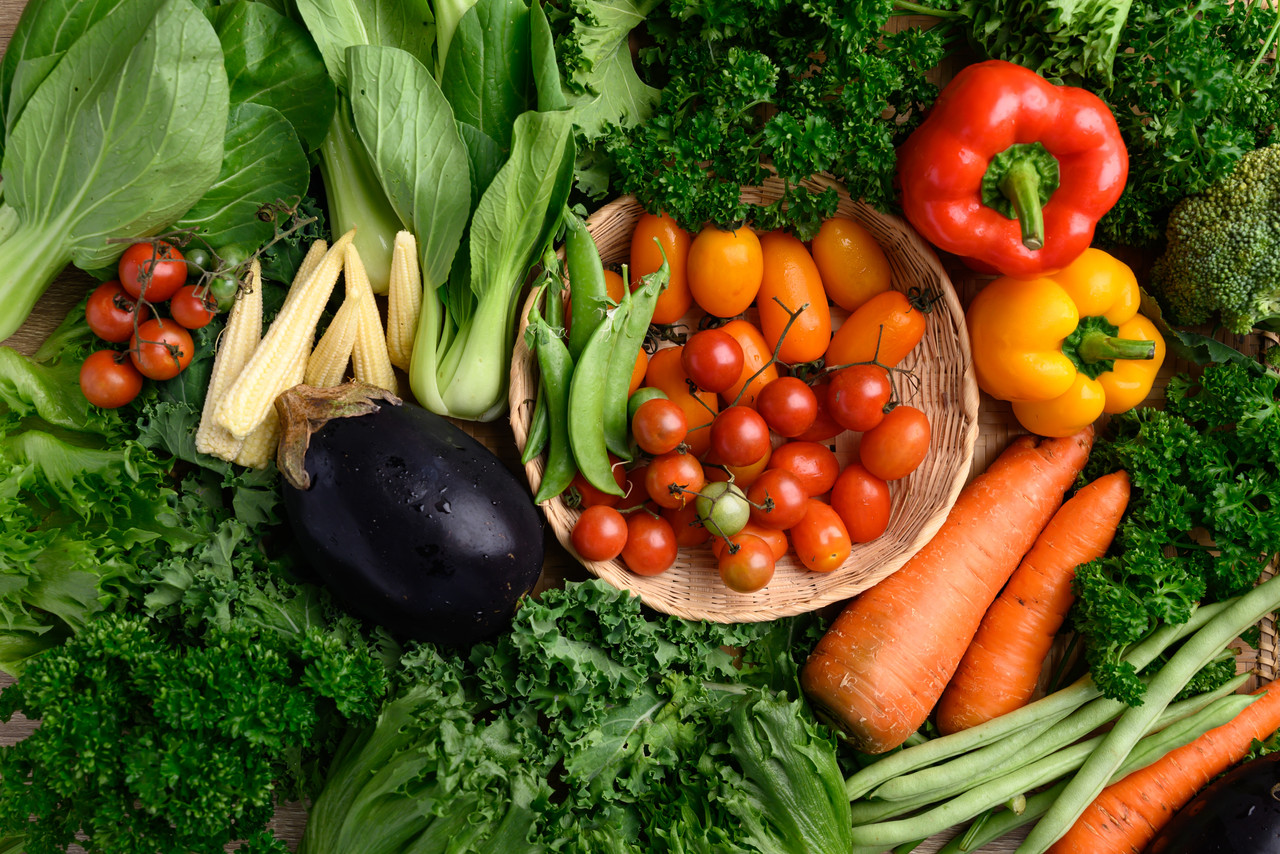

Vegetables are an essential part of a balanced diet, providing important vitamins, minerals, dietary fiber, and other nutrients that support overall health. From leafy greens and colorful root vegetables to crunchy gourds and nutritious beans, every variety offers different flavors, textures, and culinary possibilities. Learning the names of vegetables can help children improve their vocabulary, students expand their general knowledge, and adults make more informed decisions when planning daily meals.
In India, vegetables play a central role in traditional cooking, with different varieties used to prepare curries, sabzis, dals, soups, salads, parathas, and many other dishes. Some vegetables are available throughout the year, while others are seasonal and become more affordable or flavorful during particular months. Understanding their names, nutritional properties, and common uses makes grocery shopping easier and helps households create a varied menu without relying on the same ingredients every day.
This guide to vegetables name covers common varieties in English, their nutritional value, different categories, cooking methods, and practical tips for choosing and storing fresh produce. Whether you are learning basic food vocabulary or looking for ideas to improve your eating habits, this information provides a useful starting point.
Why Is It Important to Know Vegetable Names?
Knowing the names of vegetables is useful in everyday life, education, cooking, and nutrition. Children can use vegetable names to develop language skills, recognize foods, and understand the importance of healthy eating. Adults may benefit when following recipes, reading food labels, communicating with shopkeepers, or exploring unfamiliar ingredients at local markets. For people learning English, vegetable vocabulary is also a practical way to improve everyday communication.
A good understanding of vegetables can also encourage greater variety in meals. Someone who regularly eats potatoes and onions, for example, might discover new ways to prepare spinach, beetroot, pumpkin, broccoli, or green beans. Including different colors and varieties can make meals more interesting while helping provide a wider range of nutrients. Rather than focusing on a single supposedly perfect vegetable, it is more useful to develop the habit of eating a diverse selection throughout the week.
Common Vegetables Name in English
Many vegetables are familiar because they are regularly used in household cooking. Some can be eaten raw, while others require cooking to improve their texture, flavor, or digestibility. The following table lists common vegetables and explains how they are typically used.
| Vegetable name | Common category | Common culinary use |
|---|---|---|
| Potato | Tuber | Curries, fries, and mashed dishes |
| Tomato | Fruit botanically, used as a vegetable | Sauces, salads, and gravies |
| Onion | Bulb | Curries, soups, and seasoning |
| Carrot | Root | Salads, soups, and cooked dishes |
| Spinach | Leafy green | Dal, curries, and sautés |
| Cabbage | Leafy vegetable | Stir-fries, salads, and rolls |
| Cauliflower | Flower vegetable | Curries, roasting, and parathas |
| Brinjal | Fruit botanically, used as a vegetable | Bharta, curries, and roasting |
| Radish | Root | Salads, parathas, and pickles |
| Beetroot | Root | Salads, soups, and cooked dishes |
| Pumpkin | Fruit botanically, used as a vegetable | Soups, curries, and roasting |
| Green peas | Legume | Pulao, curries, and mixed vegetables |
| Cucumber | Fruit botanically, used as a vegetable | Salads, sandwiches, and raita |
| Ladyfinger | Seed pod | Stir-fries and curries |
| Bottle gourd | Fruit botanically, used as a vegetable | Curries, soups, and stews |
This list includes ingredients that can be found in many Indian kitchens. However, the culinary category of a food does not always match its botanical classification. Tomatoes, cucumbers, pumpkins, and brinjals develop from flowers and contain seeds, so botanically they are fruits. In cooking, they are commonly treated as vegetables because of their savory flavors and typical uses.
Different Types of Vegetables
Leafy Green Vegetables
Leafy green vegetables include spinach, fenugreek leaves, mustard greens, amaranth leaves, lettuce, and coriander leaves. They are often valued for their vitamins, minerals, fiber, and naturally occurring plant compounds. Spinach is commonly added to dals and curries, while mustard greens are traditionally cooked with other ingredients to create regional dishes. Fenugreek leaves can be used in flatbreads, vegetable preparations, and savory snacks.
These vegetables are versatile and can be prepared through steaming, sautéing, boiling, or light cooking. Washing them carefully under clean running water is important because their leaves can collect soil and debris. Since leafy greens can lose freshness relatively quickly, it is helpful to store them appropriately and use them within a reasonable period. Adding different leafy vegetables to meals throughout the week can increase dietary variety without requiring complicated recipes.
Root and Tuber Vegetables
Root and tuber vegetables grow underground or develop edible underground storage structures. Carrots, radishes, beetroot, turnips, potatoes, and sweet potatoes are familiar examples. Their textures and flavors vary considerably, making them suitable for different dishes. Carrots can be eaten raw or cooked, radishes are often used in salads and stuffed parathas, and potatoes are popular in countless regional recipes.
These vegetables can contribute fiber and important nutrients to everyday meals. Carrots provide beta-carotene, which the body can convert into vitamin A, while potatoes supply carbohydrates and potassium. Preparation methods influence their overall nutritional profile: deep-frying generally adds more fat and calories than boiling, steaming, or roasting with a moderate amount of oil. Combining root vegetables with leafy greens, pulses, and other food groups can help create balanced meals.
Flower and Stem Vegetables
Cauliflower, broccoli, and certain varieties of banana flower are examples of edible flower vegetables. Their edible portions include flower buds or developing flower structures. Celery, asparagus, and the tender stems of several leafy plants are commonly eaten as stem vegetables. These ingredients can add variety to meals because their textures range from crisp and tender to firm and fibrous.
Cauliflower is widely used in Indian cooking, particularly in dry sabzis, curries, and stuffed flatbreads. Broccoli can be steamed, roasted, or included in stir-fries, while celery is often used to build flavor in soups and stocks. Cooking these vegetables until tender but not excessively soft can preserve their texture and make them enjoyable to eat. The appropriate cooking time depends on the size of the pieces and the desired result.
Fruiting Vegetables
Fruiting vegetables include tomatoes, brinjals, capsicums, cucumbers, pumpkins, and gourds. Although many are botanically fruits, they are generally prepared in savory dishes. Their flavors range from the mild sweetness of pumpkin to the refreshing taste of cucumber and the slightly bitter character of some gourds. This variety makes them useful in salads, curries, stuffed dishes, roasted preparations, and soups.
Fruiting vegetables can provide water, fiber, vitamins, and other nutrients. Tomatoes contain lycopene, a naturally occurring plant compound, while capsicums provide vitamin C. Cucumbers have a high water content and can contribute to hydration as part of an overall diet. Choosing a mix of these vegetables helps prevent meals from becoming repetitive and gives home cooks more options when preparing food for different tastes and preferences.
Legume Vegetables
Green peas, green beans, cluster beans, and tender broad beans are common examples of vegetables from the legume family. Some are eaten as immature pods, while others are consumed as developing seeds. These foods can contribute fiber, vitamins, minerals, and varying amounts of protein. They are especially useful in mixed vegetable dishes, pulao, soups, curries, and simple stir-fries.
Green peas can add natural sweetness to a meal, whereas green beans provide a firm, slightly crisp texture when cooked appropriately. Combining legume vegetables with whole grains and other plant foods can help create satisfying meals. Dried pulses such as chickpeas, kidney beans, and lentils are also important sources of plant protein, although they are usually discussed separately from fresh vegetables in everyday food vocabulary.
Health Benefits of Eating Vegetables Regularly
Vegetables contribute to several aspects of health when included in a balanced eating pattern. Their fiber supports normal digestion and can help maintain regular bowel movements. Fiber-rich foods may also help people feel satisfied after eating, particularly when they replace some highly refined or calorie-dense foods. Different vegetables supply different nutrients, so eating a variety is generally more beneficial than depending on only one or two familiar choices.
Vegetables also provide vitamins and minerals involved in normal body functions. Vitamin C supports immune function and helps the body absorb iron from plant foods. Vitamin A, which can be produced from beta-carotene in foods such as carrots and spinach, contributes to normal vision and immune function. Potassium supports normal muscle and nerve function. However, vegetables are not medicines, and eating them alone cannot prevent or cure every illness. Their greatest value comes from being part of a varied diet that also includes suitable sources of protein, healthy fats, and other essential nutrients.
How to Choose Fresh Vegetables
Selecting good-quality produce can improve the flavor of meals and reduce food waste. Freshness is not always determined by appearance alone, but several practical signs can help when shopping at a local market or grocery store. Choose vegetables that are appropriate for their variety, avoid those with extensive decay, and consider how soon you plan to use them.
Keep these simple points in mind when buying vegetables:
- Choose firm produce with a natural color and no extensive mold or decay.
- Check leafy greens for excessive wilting, sliminess, or unpleasant odors.
- Avoid vegetables with deep cuts, leaking areas, or extensive soft spots.
- Buy seasonal varieties when practical, considering local availability and price.
- Purchase quantities that your household can reasonably consume before spoilage.
Not every vegetable must look perfectly uniform to be nutritious. Small differences in shape, size, or color are often normal. A slightly irregular carrot or potato may be perfectly suitable for cooking, provided it is fresh and free from significant spoilage. Planning meals before shopping can also help prevent unnecessary purchases and make it easier to use ingredients efficiently.
Best Ways to Store Vegetables
Proper storage helps maintain freshness, texture, and quality. Many leafy vegetables last longer when kept refrigerated in a clean container or suitable produce bag, with excess moisture managed to reduce spoilage. Root vegetables have different storage requirements: potatoes generally need a cool, dry, dark, and well-ventilated location, while carrots and radishes are commonly stored in the refrigerator. Some produce, including onions, benefits from dry storage with good airflow.
It is not necessary to wash every vegetable immediately after shopping if it will be stored for several days. Excess moisture can accelerate spoilage in certain varieties. Instead, remove damaged pieces, store produce appropriately, and wash it thoroughly under clean running water before preparation. Keep raw vegetables separate from raw meat and seafood to reduce the risk of cross-contamination. Refrigerate cut or prepared vegetables promptly, and follow safe food-handling practices when preparing meals.
Easy Ways to Include More Vegetables in Daily Meals
Adding vegetables to meals does not require expensive ingredients or advanced cooking skills. A simple breakfast can include vegetables in an omelet, poha, upma, or stuffed paratha. Lunch may feature a seasonal sabzi alongside dal, roti, rice, or another staple. Dinner can include a vegetable soup, mixed vegetable curry, stir-fried greens, or roasted produce. The aim is to develop a practical routine rather than follow a complicated eating plan that is difficult to maintain.
For busy households, preparing vegetables in advance can make cooking easier. Ingredients such as carrots, capsicums, cabbage, and green beans can be prepared for use in quick stir-fries or mixed dishes. Frozen vegetables are another practical option because they can reduce preparation time and help limit food waste. Depending on the vegetable and how it is processed, frozen produce can retain much of its nutritional value. Fresh, frozen, and appropriately preserved vegetables can all contribute to a varied diet.
Seasonal Vegetables and Their Importance
Seasonal vegetables are those that grow particularly well during specific times of the year under local growing conditions. In many parts of India, winter markets commonly feature vegetables such as carrots, peas, radishes, cauliflower, and leafy greens. Summer availability may include cucumbers, gourds, okra, and other varieties that are well suited to warmer weather. Actual availability varies by region, rainfall, farming practices, and supply chains, so seasonal patterns are not identical throughout the country.
Buying seasonal produce can sometimes offer better value and flavor because it may be more readily available locally. It can also encourage people to explore ingredients they do not usually cook with. For example, a household that regularly buys potatoes might introduce fresh peas during their local season or prepare radish parathas when radishes are abundant. Seasonal eating does not mean avoiding vegetables outside their traditional growing periods; it simply provides another useful way to plan meals according to availability, quality, and budget.
Conclusion
Learning vegetables name vocabulary is useful for students, families, home cooks, and anyone interested in improving their food knowledge. From leafy greens and root vegetables to flower vegetables, gourds, and legumes, each category offers different textures, flavors, nutritional qualities, and cooking possibilities. Understanding these differences can make grocery shopping easier, encourage culinary experimentation, and help people create more varied meals. The most practical approach is to include a colorful selection of vegetables throughout the week, choose produce that suits your budget, store it properly, and prepare it using methods that fit your preferences. There is no need to purchase every variety at once or follow an expensive diet. Start with familiar ingredients, introduce new ones gradually, and explore different recipes as your confidence grows. With consistent habits and a little planning, vegetables can become an enjoyable and valuable part of everyday eating.