

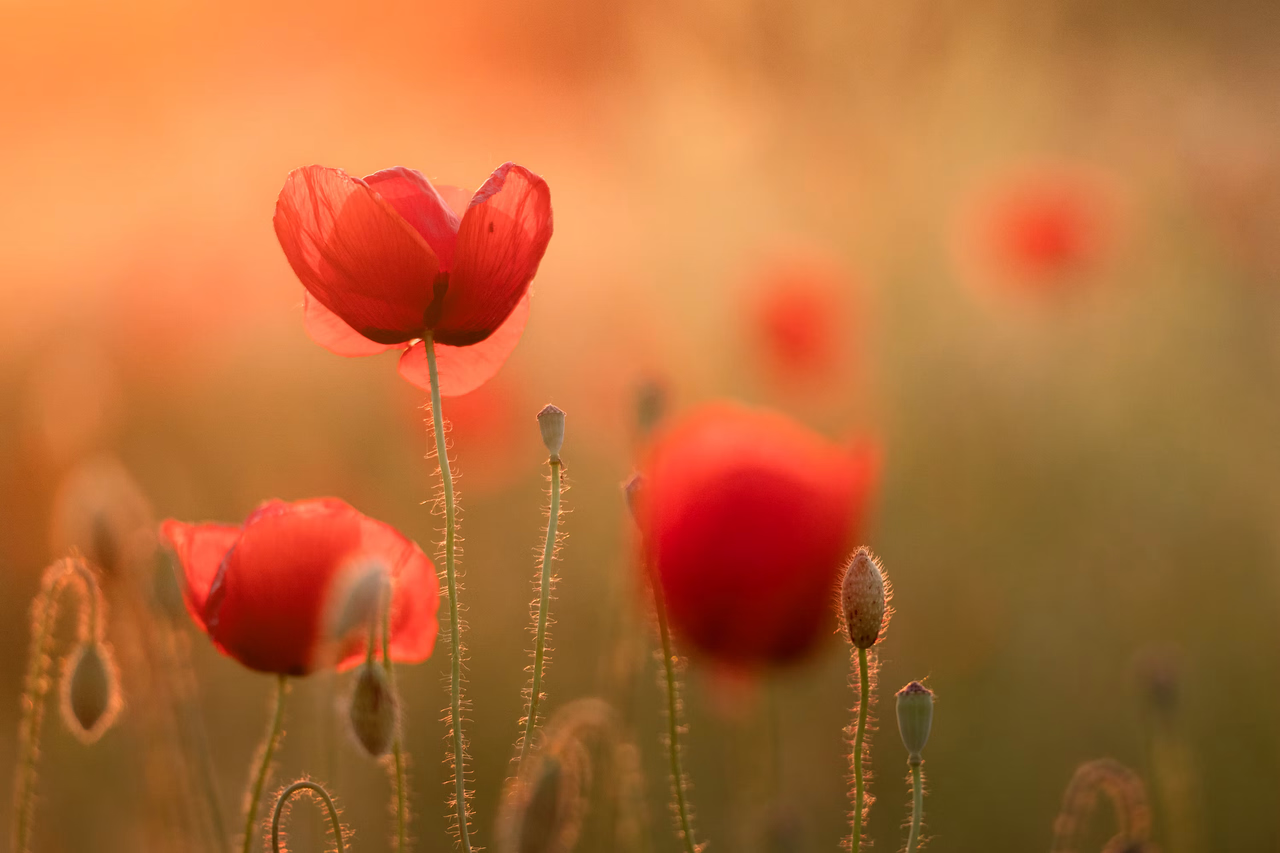

Flowers are among nature’s most beautiful creations, bringing color, fragrance, and life to gardens, homes, parks, and public spaces. They are used to express emotions, celebrate special occasions, decorate interiors, and create memorable gifts. From delicate roses to bright sunflowers and fragrant jasmine, every flower has its own appearance, growing requirements, and cultural significance. Learning the names of different flowers can help people identify varieties, choose suitable plants for their gardens, and understand their importance in everyday life.
A flowers name list is useful for students, gardening enthusiasts, nature lovers, photographers, and anyone interested in plants. Some flowers are admired for their vibrant petals, while others are appreciated for their fragrance, medicinal traditions, or ability to attract pollinators. Flowers also play an essential role in ecosystems by supporting bees, butterflies, and other insects that help many plants reproduce. Whether you want to learn common flower names in English, select blooms for a special occasion, or start a small garden at home, understanding the different varieties is an excellent starting point.
What Are Flowers and Why Are They Important?
Flowers are the reproductive structures of flowering plants, scientifically known as angiosperms. They contain the parts responsible for pollination and seed production, allowing plants to reproduce and continue their life cycles. Although flowers are often appreciated for their beauty, their biological purpose is much more significant. Their colors, shapes, patterns, and fragrances can attract pollinators such as bees, butterflies, birds, and other animals. After successful pollination and fertilization, many flowering plants produce seeds and fruits.
Flowers are also deeply connected to human culture and everyday activities. They are used in weddings, festivals, religious ceremonies, birthday celebrations, and memorial services. In many traditions, particular flowers represent emotions or ideas, such as love, friendship, purity, gratitude, and remembrance. They also contribute to the beauty of residential gardens and public landscapes. Planting flowering species can improve outdoor spaces while providing food and shelter for beneficial insects. Choosing appropriate varieties according to local weather, available sunlight, and soil conditions makes it easier to enjoy their beauty throughout the year.
50 Popular Flowers Name and Their Meanings
Flowers come in countless varieties, ranging from familiar garden plants to unusual tropical species. Each has distinctive characteristics, making it suitable for different decorative and gardening purposes. The following table introduces several well-known flowers, their common colors, and the meanings commonly associated with them.
| Flower Name | Common Colors | Common Symbolism |
|---|---|---|
| Rose | Red, pink, white, yellow | Love and affection |
| Sunflower | Yellow, golden | Happiness and positivity |
| Lotus | Pink, white | Purity and spiritual growth |
| Jasmine | White, yellow | Fragrance and grace |
| Marigold | Orange, yellow | Celebration and warmth |
| Tulip | Red, pink, purple, yellow | Love and renewal |
| Lily | White, pink, orange | Elegance and purity |
| Daisy | White, yellow, pink | Innocence and simplicity |
| Hibiscus | Red, pink, yellow | Beauty and vitality |
| Orchid | Purple, white, pink | Elegance and admiration |
| Lavender | Purple, violet | Calmness and relaxation |
| Daffodil | Yellow, white | Renewal and new beginnings |
| Chrysanthemum | Yellow, white, red | Joy and remembrance |
| Carnation | Pink, red, white | Affection and appreciation |
| Dahlia | Red, pink, purple | Creativity and elegance |
| Peony | Pink, white, red | Prosperity and romance |
| Poppy | Red, orange, white | Remembrance and peace |
| Petunia | Purple, pink, white | Comfort and charm |
| Zinnia | Orange, pink, red | Friendship and endurance |
| Gerbera | Red, yellow, orange | Cheerfulness |
| Gardenia | White, cream | Grace and admiration |
| Magnolia | White, pink, purple | Dignity and beauty |
| Morning Glory | Blue, purple, pink | Affection and renewal |
| Pansy | Purple, yellow, white | Thoughtfulness |
| Begonia | Pink, red, white | Uniqueness and gratitude |
| Aster | Purple, pink, white | Patience and elegance |
| Freesia | Yellow, pink, white | Trust and friendship |
| Bluebell | Blue, violet | Humility and gratitude |
| Snapdragon | Pink, red, yellow | Strength and grace |
| Sweet Pea | Pink, purple, white | Pleasure and appreciation |
| Foxglove | Purple, pink, white | Enchantment |
| Cosmos | Pink, white, purple | Harmony and balance |
| Gladiolus | Red, pink, white | Strength and integrity |
| Ranunculus | Yellow, pink, red | Charm and attraction |
| Anemone | Red, blue, white | Anticipation and protection |
| Iris | Blue, purple, yellow | Wisdom and hope |
| Camellia | Pink, red, white | Admiration and affection |
| Hydrangea | Blue, pink, white | Gratitude and abundance |
| Periwinkle | Blue, purple, white | Faithfulness |
| Bougainvillea | Pink, purple, orange | Vibrancy and beauty |
| Plumeria | White, yellow, pink | Warmth and welcome |
| Tuberose | White | Fragrance and elegance |
| Night-Blooming Jasmine | White | Fragrance and mystery |
| Calendula | Orange, yellow | Warmth and care |
| Amaryllis | Red, white, pink | Confidence and beauty |
| Heather | Purple, pink, white | Good fortune |
| Yarrow | White, yellow, pink | Healing and protection |
| Larkspur | Blue, pink, purple | Positivity and openness |
| Verbena | Purple, pink, red | Creativity and charm |
| Impatiens | Pink, red, orange | Patience and affection |
Meanings can vary across cultures, traditions, and occasions. The colors listed are common examples rather than the only colors available for each species.
1. Rose: A Timeless Symbol of Love
Roses are among the most recognizable flowers in the world. They are valued for their layered petals, attractive colors, and wide variety of fragrances. Roses grow in many forms, including compact shrubs, climbing varieties, and traditional garden bushes. They are commonly used in bouquets, wedding decorations, anniversary gifts, and landscaping projects. Red roses are widely associated with romantic love, while pink roses often represent admiration and gratitude. White roses are frequently connected with simplicity and remembrance, and yellow roses are often used to express friendship and happiness.
Growing roses successfully requires suitable sunlight, well-draining soil, and regular attention to watering. Most garden roses perform best when they receive several hours of direct sunlight each day. Pruning, appropriate feeding, and monitoring for pests can help maintain healthy growth and encourage flowering. Gardeners should also choose varieties that suit their climate, since disease resistance and heat tolerance differ between cultivars.
2. Sunflower: A Bright and Cheerful Bloom
Sunflowers are famous for their large flower heads and bright yellow petals surrounding a central disk. Many varieties grow tall and create an impressive display in gardens, although dwarf varieties are also available for pots and small spaces. Sunflowers are commonly associated with happiness, optimism, warmth, and energy because of their sunny appearance. Their seeds are also valuable for food, while the flowers attract pollinators and can support birds when mature seed heads are left in place.
These plants generally prefer full sunlight and well-drained soil. Their watering needs depend on their stage of growth, local temperatures, and soil conditions. Taller varieties may need support in windy locations, whereas compact varieties are easier to manage on balconies or patios. Sunflowers can be an excellent choice for beginners because they grow relatively quickly when planted at the right time and given suitable conditions.
3. Lotus: A Flower with Cultural Significance
The lotus is an aquatic flowering plant recognized for its broad leaves and elegant blossoms that rise above the water. It has a special place in several Asian cultures and is often associated with purity, resilience, and spiritual development. Its ability to grow in muddy environments while producing attractive flowers contributes to its symbolic importance. Lotus flowers appear in different shades, including pink and white, depending on the species and variety.
Lotus plants generally require suitable aquatic growing conditions, warmth, and plenty of sunlight. They can be grown in appropriate ponds or large containers designed for aquatic plants. Unlike ordinary garden flowers, they need a suitable water environment and enough room for their leaves and roots to develop. Gardeners should choose a container and variety that match their available space rather than assuming that a small decorative bowl will support long-term growth.
4. Jasmine: A Fragrant Favorite
Jasmine is widely appreciated for its delicate flowers and distinctive fragrance. Many jasmine varieties produce small white blooms, although some species have yellow flowers. The plant may grow as a shrub or climbing vine, depending on the species. Jasmine is used in gardens, ornamental arrangements, and traditional cultural practices. In India, fragrant jasmine flowers are commonly associated with festivals, celebrations, and decorative garlands.
Growing requirements differ between jasmine species, but many prefer bright sunlight, suitable drainage, and regular watering during active growth. Some varieties tolerate partial shade, while others flower more abundantly with greater sunlight. Climbing types may benefit from a trellis or other support. Gardeners should also consider local temperatures because some jasmine species are more sensitive to cold than others.
5. Marigold: A Popular Flower for Indian Gardens
Marigolds are familiar flowering plants known for their orange, golden-yellow, and occasionally cream-colored blooms. They are widely grown in Indian gardens and are frequently used for festivals, wedding decorations, garlands, and religious ceremonies. Their bright colors make them suitable for borders, containers, and seasonal displays. Marigolds are available in different forms, from compact plants with smaller flowers to taller varieties with larger, rounded blooms.
These plants generally grow well in sunny locations and moderately fertile, well-drained soil. Excessively wet soil can damage their roots, so watering should be adjusted according to rainfall and container conditions. Removing faded flowers can help keep plants tidy and encourage continued blooming in many varieties. Marigolds can also attract pollinators, making them useful additions to gardens designed to support beneficial insects.
6. Lily: An Elegant and Decorative Flower
Lilies are admired for their striking flowers, graceful shapes, and, in many varieties, noticeable fragrance. Their blooms may be trumpet-shaped, bowl-shaped, or outward-facing, depending on the group. Lilies are commonly used in floral arrangements, formal celebrations, and ornamental gardens. White lilies are often associated with purity and remembrance, while other colors may communicate admiration, warmth, or celebration.
Different lily varieties have different growing requirements, but many prefer well-drained soil and an appropriate balance of sunlight and shade. Planting depth, moisture, and seasonal conditions are important for successful growth. Some lilies grow from bulbs and return in suitable climates, while others need additional protection or care. Cat owners should be especially cautious because true lilies and daylilies can cause severe, potentially fatal poisoning in cats, including through pollen exposure.
7. Tulip: A Flower of Spring and Renewal
Tulips are popular ornamental flowers known for their smooth petals and simple, cup-shaped blooms. They appear in a broad range of colors and are frequently associated with spring, fresh beginnings, and affection. Tulips are widely used in bouquets and formal flower displays because their clean shapes complement other blooms. Their color variety also makes them suitable for gardens designed around particular themes.
Tulips usually grow from bulbs and often perform best when they receive a suitable period of cool temperatures. In regions with hot winters, gardeners may need varieties and planting methods specifically suited to local conditions. The bulbs generally require good drainage because prolonged moisture can cause rot. Choosing appropriate varieties and understanding the local growing season can make a significant difference to flowering success.
8. Orchid: A Distinctive and Sophisticated Bloom
Orchids form a large and diverse family of flowering plants with unusual shapes, intricate patterns, and long-lasting blooms in many cultivated varieties. They are popular as indoor plants and decorative gifts because their flowers can remain attractive for extended periods under suitable conditions. Orchids are often associated with elegance, refinement, and admiration. However, their growing needs vary considerably, so it is important to identify the type before selecting a care routine.
Many commonly sold indoor orchids, such as Phalaenopsis, grow well in bright indirect light and specialized orchid potting media that allow air to reach their roots. They should not automatically be treated like ordinary houseplants planted in dense garden soil. Watering frequency depends on the potting medium, temperature, and humidity. Proper airflow and appropriate light can help prevent common problems and encourage healthy flowering.
How to Choose the Right Flowers for Your Garden
Selecting flowers involves more than deciding which colors look attractive. The best plants for a particular space depend on sunlight, soil, local climate, available water, maintenance requirements, and the amount of room each plant needs. For example, sunflowers generally need an open, sunny position, while certain shade-tolerant flowering plants can perform well beneath trees or in sheltered corners. Container gardeners should pay attention to mature plant size, drainage holes, and the amount of sunlight received by balconies and windowsills.
Before purchasing seeds or plants, check whether the variety suits the local growing season. In warm regions, heat-tolerant flowers may provide more reliable displays during hot months, while cooler-season varieties may perform better during mild weather. Native flowering plants can be particularly useful because locally adapted species often support regional pollinators and wildlife. Combining plants with different flowering periods can also help maintain color in the garden for a longer part of the year.
Simple Tips for Growing Healthy Flowers
A few practical habits can improve the appearance and health of many flowering plants. Although each species has specific requirements, the following practices provide a useful starting point:
- Choose a location with the correct amount of sunlight for the plant.
- Use well-draining soil and containers with suitable drainage holes.
- Water according to soil moisture, weather, and the plant’s growth stage.
- Remove dead or diseased plant material and inspect leaves for pests.
- Follow species-specific guidance for pruning, feeding, and seasonal care.
These steps help create suitable growing conditions, but they should be adjusted to the needs of individual plants. Overwatering, excessive fertilizer, and unsuitable light can prevent flowers from developing properly even when the plant initially appears healthy.
The Role of Flowers in the Environment
Flowers are essential to many natural ecosystems because they provide nectar and pollen for pollinators. Bees, butterflies, moths, and some birds visit flowers to obtain food, while transferring pollen between plants in the process. This supports the reproduction of many flowering species and contributes to the production of fruits and seeds. A garden containing a variety of flowering plants can provide useful resources for pollinators, particularly when blooms are available during different parts of the year.
Flowering plants can also contribute to attractive green spaces and encourage people to spend more time outdoors. Planting locally appropriate species, avoiding unnecessary pesticide use, and providing water sources where practical can help create a more supportive environment for beneficial insects. However, not every ornamental flower is equally useful to every pollinator, and some cultivated varieties offer less accessible nectar or pollen than others. Choosing suitable plants according to local ecological conditions can improve the benefits a garden provides.
Conclusion
Learning the names of flowers opens the door to understanding their beauty, symbolism, and practical uses. From roses and sunflowers to lotus, jasmine, marigolds, lilies, and orchids, every variety has distinct characteristics that make it suitable for different gardens, decorations, and occasions. Some flowers are admired mainly for their fragrance, while others stand out because of their vivid colors, unusual shapes, or cultural significance. A well-organized flowers name guide can help beginners identify familiar plants and discover new varieties to grow at home. The most successful choices are those that suit the available space, climate, sunlight, and level of care a gardener can provide. By selecting suitable flowering plants and maintaining healthy growing conditions, anyone can create a more colorful and welcoming environment while helping support pollinators and other beneficial wildlife.