

.webp "Vegetables Name: A Complete Guide to Healthy Everyday Choices")
.webp&description=Explore vegetables name with their types, nutritional benefits, cooking uses, storage tips, and practical ways to include more vegetables in daily meals.)
Vegetables are among the most important foods for building a balanced and nutritious diet. They provide a combination of vitamins, minerals, dietary fiber, antioxidants, and other plant compounds that support different functions in the body. From leafy greens and colorful peppers to root vegetables and cruciferous varieties, every vegetable can bring a different nutritional profile and flavor to everyday meals. Learning about vegetables name is therefore useful not only for students and families but also for anyone trying to make better food choices.
Modern eating habits often include a large amount of processed food, refined carbohydrates, packaged snacks, and ready-to-eat meals. In this environment, vegetables can provide an easy way to increase the nutritional quality of meals without making them complicated. They can be prepared in numerous ways, including steaming, roasting, sautéing, grilling, boiling, or eating them raw when appropriate. Their flexibility makes them suitable for traditional dishes as well as contemporary diets.
Understanding different vegetables name also makes meal planning easier. Instead of depending on the same few ingredients throughout the year, people can rotate vegetables according to season, availability, taste, and nutritional needs. This variety can make meals more interesting while helping households use locally available produce more effectively.
Understanding the Different Types of Vegetables
Vegetables can be grouped in several ways based on the part of the plant that people eat. Leafy vegetables include spinach, cabbage, lettuce, kale, and other greens. Root vegetables include carrots, radishes, beets, and turnips, while bulbs include onions and garlic. There are also stem vegetables such as celery and asparagus, flower vegetables such as cauliflower and broccoli, and fruit vegetables such as tomatoes, eggplant, cucumbers, pumpkins, and peppers.
This classification is helpful because different plant parts can contain different combinations of nutrients and naturally occurring compounds. Leafy greens are often associated with vitamins, minerals, and fiber, while colorful vegetables can provide various antioxidant compounds. Root vegetables frequently provide carbohydrates and fiber, making them useful ingredients in filling meals. A varied diet that includes different categories can offer a broader nutritional range than relying on one particular type.
Another useful way to understand vegetables is by their color. Green vegetables, red vegetables, orange vegetables, purple vegetables, and white vegetables can all contribute different plant compounds. Eating a variety of colors throughout the week is a simple approach to creating more diverse meals without having to calculate every nutrient individually.
Popular Vegetables and Their Nutritional Characteristics
The wide range of vegetables available today means that people can choose ingredients based on taste, cooking method, season, and nutritional preferences. Some vegetables are particularly versatile and appear in cuisines around the world. Others are strongly associated with specific regional dishes and traditional cooking methods.
| Vegetable | Common Nutritional Features | Popular Uses |
|---|---|---|
| Spinach | Fiber, folate, vitamins and minerals | Curries, soups, salads, smoothies |
| Carrot | Fiber and carotenoid compounds | Salads, soups, roasted dishes |
| Broccoli | Fiber, vitamin C and plant compounds | Stir-fries, steaming, roasting |
| Tomato | Vitamin C, potassium and lycopene | Sauces, salads, curries |
| Potato | Carbohydrates, potassium and fiber | Curries, roasting, boiling |
| Cauliflower | Fiber, vitamin C and folate | Curries, roasting, soups |
| Bell pepper | Vitamin C and colorful antioxidants | Salads, stir-fries, fillings |
| Peas | Protein, fiber and carbohydrates | Rice dishes, soups, curries |
| Cucumber | Water and small amounts of vitamins and minerals | Salads, raita, snacks |
| Beetroot | Fiber, folate and naturally occurring plant compounds | Salads, juices, roasted dishes |
These examples demonstrate why vegetables should not be viewed as one uniform food category. Their nutritional composition can vary considerably. Some are particularly rich in water, while others provide more carbohydrates or fiber. Certain vegetables are especially useful for adding color and flavor to meals, whereas others can provide texture and make dishes more filling.
Why Vegetables Matter in a Balanced Diet
One of the main reasons vegetables are encouraged as part of a balanced eating pattern is their combination of nutrients and dietary fiber. Fiber contributes to normal digestive function and can help meals feel more satisfying. Many vegetables also contain substantial amounts of water, which contributes to overall dietary fluid intake. When vegetables replace some highly processed ingredients in a meal, they can also increase the overall nutritional density of that meal.
The benefits of vegetables extend beyond individual nutrients. Foods are consumed as part of a complete diet, so the overall pattern matters. A plate containing vegetables alongside an appropriate source of protein, whole grains or other carbohydrates, and healthy fats can create a more balanced meal. For example, a vegetable curry served with lentils and whole-grain roti can provide a combination of fiber, protein, carbohydrates, vitamins, and minerals.
Another advantage is their versatility. Vegetables can be incorporated into breakfast, lunch, dinner, and snacks. Spinach can be added to eggs or savory dishes, tomatoes can become part of sauces and salads, carrots can be used in soups or snacks, and roasted vegetables can accompany a main meal. This flexibility allows people to increase vegetable intake without completely changing their preferred cuisine.
The Role of Seasonal Vegetables
Seasonality can influence the taste, availability, and price of fresh produce. Vegetables that naturally grow during a particular season may be more readily available in local markets, although modern agriculture and supply chains mean that many varieties can now be found throughout much of the year.
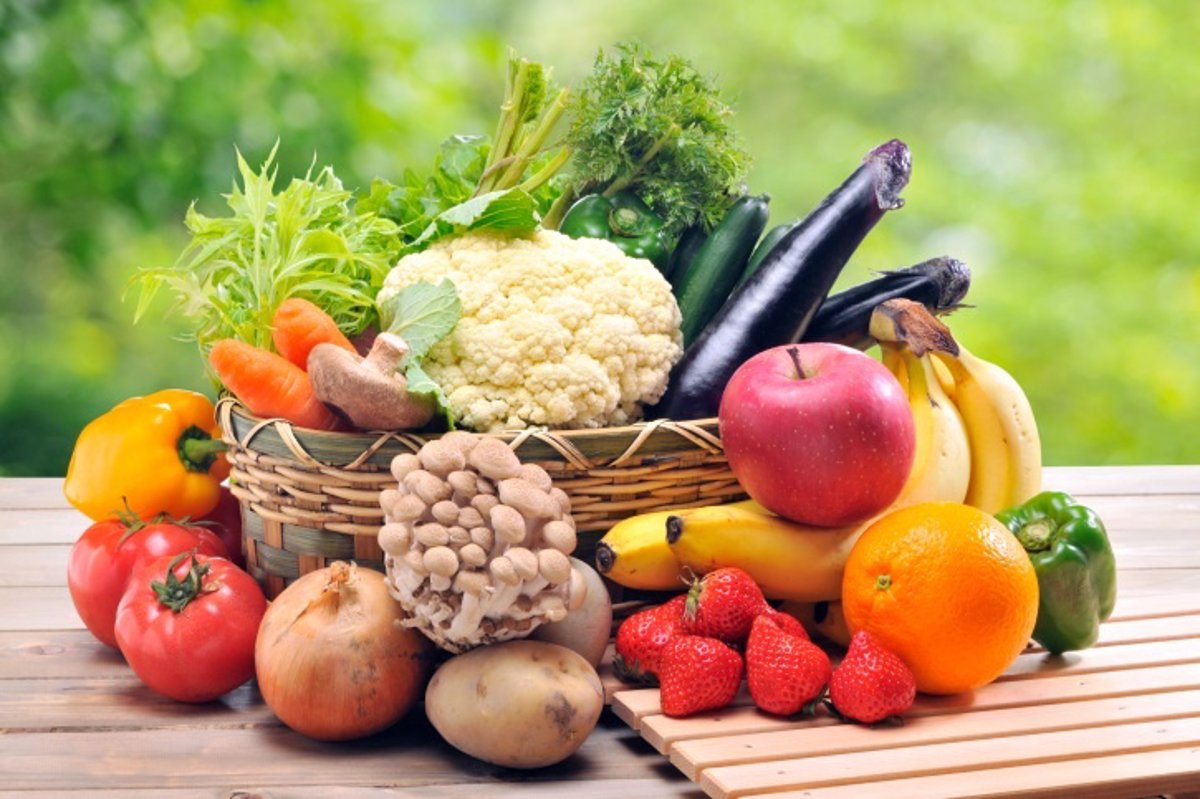
Choosing seasonal produce can also encourage greater variety in the diet. Instead of buying exactly the same vegetables every week, households can experiment with what is fresh and readily available. In India, for example, vegetable choices can vary considerably across regions and seasons, giving families opportunities to use traditional ingredients in different ways.
Seasonal cooking can also preserve culinary traditions. Many Indian dishes are built around vegetables that have historically been available during particular parts of the year. From leafy greens in winter meals to gourds and other produce used during warmer months, traditional recipes demonstrate how vegetables can adapt naturally to local climates and eating habits.
How Cooking Changes Vegetables
Cooking can change the texture, flavor, and nutritional characteristics of vegetables. Steaming often provides a gentle cooking method, while roasting can create a deeper flavor through browning. Stir-frying cooks vegetables quickly and can preserve their crisp texture. Boiling is useful for certain ingredients but may result in some water-soluble nutrients moving into the cooking water.
The best cooking method depends on the vegetable and the dish being prepared. There is no single method that is ideal for every situation. A person might enjoy raw cucumber in a salad, roasted cauliflower as a side dish, and spinach cooked into a traditional curry. Variety in preparation can make vegetables more enjoyable and reduce the feeling that healthy eating has to be repetitive.
It is also important to consider what is added during cooking. A vegetable dish can remain nutritious while being prepared with oil, spices, herbs, nuts, seeds, or other ingredients, but excessive amounts of salt, sugar, or heavily processed sauces can change the nutritional balance of the final meal. Simple seasoning often allows the natural taste of vegetables to remain noticeable.
Easy Ways to Include More Vegetables in Everyday Meals
Increasing vegetable consumption does not necessarily require preparing elaborate recipes. Small changes can gradually make vegetables a more visible part of daily meals. Adding chopped vegetables to omelets, mixing leafy greens into curries, serving sliced vegetables alongside lunch, or adding extra vegetables to soups are practical examples.
Another useful strategy is to combine familiar vegetables with new ones. Someone who regularly eats potatoes might try adding peas, carrots, beans, or cauliflower to the same dish. A person who enjoys rice can include mixed vegetables in a rice preparation. These combinations make it easier to experiment because the overall meal still contains familiar flavors.
Some simple habits can make vegetable preparation easier:
- Keep a few versatile vegetables available for quick meals.
- Wash and prepare suitable vegetables in advance.
- Rotate colors and varieties throughout the week.
- Use different cooking methods to avoid repetitive meals.
- Include vegetables in both main dishes and side dishes.
The goal should not be perfection at every meal. Consistency over time is generally more practical. Even adding a modest serving of vegetables to meals that previously contained very little produce can be a meaningful dietary change.
Vegetables in Indian Cooking
Indian cuisine provides an especially broad range of ways to prepare vegetables. Vegetables may be cooked with spices, lentils, yogurt, coconut, tomatoes, onions, or other ingredients. Regional cuisines also use vegetables differently, meaning that the same ingredient can have a completely different flavor depending on the cooking tradition.
Vegetables are commonly found in sabzis, curries, sambar, soups, stuffed preparations, rice dishes, parathas, and mixed vegetable recipes. Leafy greens can become part of saag-style dishes, while potatoes, cauliflower, peas, beans, carrots, gourds, and eggplant can be prepared in numerous regional styles.
This variety shows that healthy eating does not have to mean abandoning traditional food. Instead, familiar recipes can often be adjusted by including a greater proportion of vegetables, using appropriate cooking fats, and balancing the meal with protein-rich foods and whole grains where suitable.
Choosing, Storing, and Preparing Fresh Produce
Selecting good-quality vegetables starts with examining their appearance, firmness, smell, and freshness. The exact signs differ between vegetables, but produce that is unusually damaged, slimy, moldy, or unpleasant-smelling should generally be avoided. Leafy vegetables should look reasonably fresh, while root vegetables should not have extensive soft or rotten areas.
Proper storage can help reduce unnecessary food waste. Some vegetables are better kept refrigerated, while others may be more suitable for a cool, dry location. Storage requirements vary, so understanding the characteristics of individual produce is useful. Washing vegetables shortly before preparation can also be convenient for many households, while pre-cut produce generally needs careful refrigeration and prompt use.
Food safety is equally important. Vegetables should be handled with clean hands and utensils, and raw produce should be washed appropriately before consumption or cooking. Cutting boards and kitchen surfaces should also be kept clean to reduce the possibility of cross-contamination.
How to Build Variety Into Your Vegetable Choices
Variety is one of the simplest principles to apply when choosing vegetables. Instead of focusing exclusively on one highly familiar ingredient, people can alternate between leafy greens, roots, legumes, cruciferous vegetables, gourds, peppers, and other varieties. This approach creates more interesting meals while exposing the diet to a broader range of naturally occurring nutrients and plant compounds.
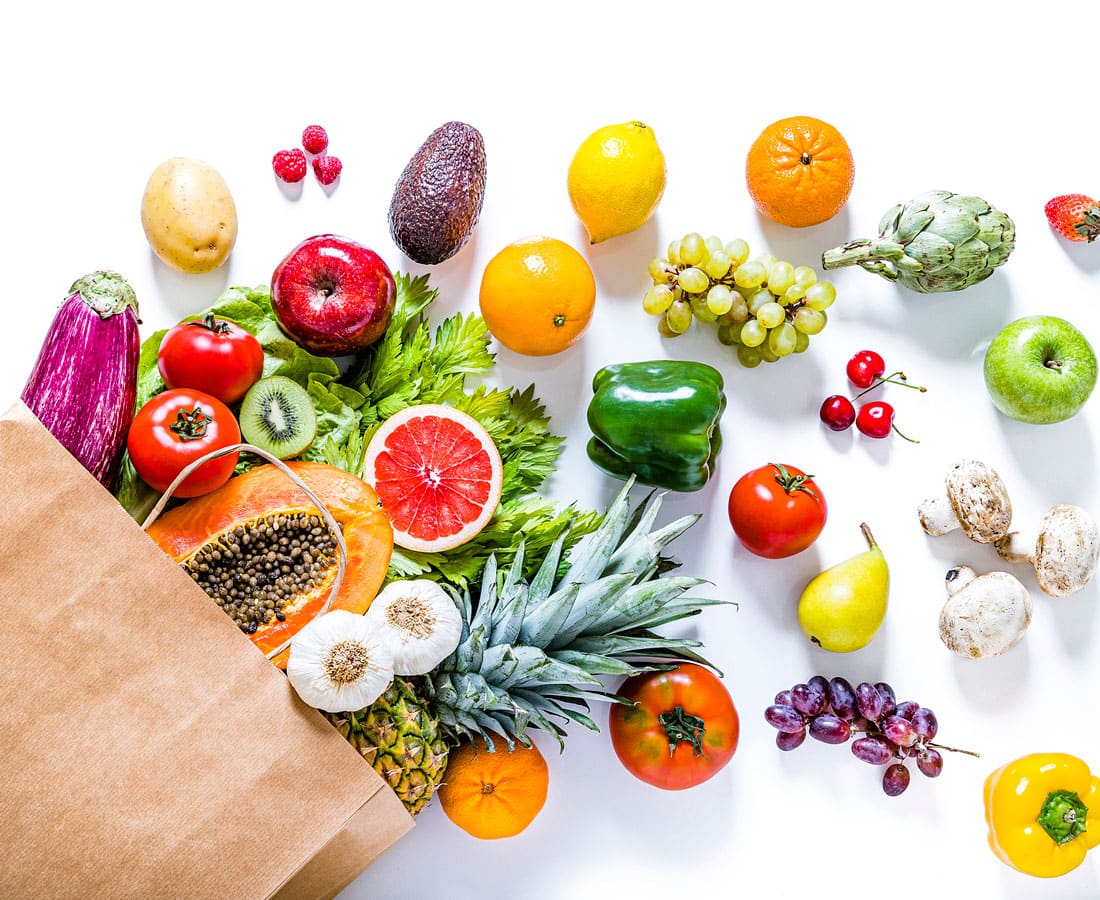
Color can provide an easy visual reminder. A week containing green spinach, orange carrots, red tomatoes, purple cabbage, white cauliflower, and other colorful vegetables is likely to be more diverse than one dominated by a single type. This does not mean every meal needs every color; rather, variety can be considered across several meals and days.
When exploring vegetables name options for meal planning, it is also useful to consider personal preferences, regional availability, budget, and cooking time. A nutritious ingredient that a family enjoys and can regularly purchase may be more practical than an expensive or difficult-to-find vegetable that rarely gets used.
Vegetables and Modern Healthy Eating Habits
Current food habits increasingly emphasize convenience, but convenience does not have to mean relying entirely on packaged meals. Frozen vegetables, for example, can be useful when fresh produce is unavailable or when households have limited preparation time. Properly stored frozen vegetables can make it easier to keep a variety of ingredients available for quick meals.
At the same time, fresh vegetables remain an important option for salads, traditional cooking, and seasonal dishes. The most practical choice depends on availability, budget, storage capacity, and personal preferences. Rather than treating one form as universally superior, people can use fresh, frozen, or appropriately preserved vegetables according to their circumstances.
Technology and changing lifestyles have also influenced how people discover recipes and plan meals. Online recipe platforms, meal-planning applications, grocery delivery services, and digital cooking communities have made it easier to experiment with unfamiliar vegetables. This can encourage people to move beyond a limited group of familiar ingredients.
Common Mistakes When Adding More Vegetables
One common mistake is assuming that vegetables must always be prepared in complicated ways. Elaborate recipes can be enjoyable, but simple preparations are often easier to maintain. Another mistake is buying large quantities without considering how quickly they will be consumed. This can result in spoilage and unnecessary food waste.
Some people also focus heavily on one vegetable because they believe it is exceptionally healthy. In reality, dietary variety is important. Different vegetables provide different combinations of nutrients and plant compounds, so rotating choices is generally more useful than treating one ingredient as the solution to every nutritional goal.
Finally, vegetables should be considered as part of the entire meal rather than as an isolated category. A meal can contain vegetables while still being unbalanced if it lacks adequate protein or contains excessive amounts of highly processed ingredients. The overall eating pattern remains more important than any single food.
Conclusion
Vegetables are a versatile foundation for nutritious and enjoyable meals. Their variety of colors, textures, flavors, and nutritional characteristics makes them suitable for almost every type of cuisine. From leafy greens and root vegetables to tomatoes, peppers, cauliflower, peas, and gourds, there are countless ways to incorporate plant-based foods into everyday meals. Learning about vegetables name can help people make more informed choices while shopping, cooking, and planning meals. Rather than following a rigid approach, individuals can focus on variety, seasonal availability, appropriate preparation, and balanced portions. Simple habits such as adding vegetables to familiar dishes, trying different colors, and changing cooking methods can make healthy eating easier to maintain.