



Choosing the perfect baby name is one of the most exciting and meaningful decisions for parents. A name is more than just a label—it reflects identity, culture, heritage, and even personal aspirations. Across the world, every culture has its own naming traditions, unique meanings, and beautiful stories behind names. Whether you are looking for a timeless classic, a modern favorite, or something truly rare, understanding different cultural naming styles can help you make a thoughtful choice. This namestriology guide explores unique boy and girl names from various cultures while explaining their meanings and significance. By learning about global naming traditions, parents can find a name that is memorable, meaningful, and perfectly suited to their child.
Why Choosing the Right Baby Name Matters
A child’s name often becomes their lifelong identity. It is the first gift parents give their children, and it can influence first impressions, confidence, and family connections. Many families choose names based on tradition, religion, or cultural heritage, while others prefer names that represent strength, wisdom, love, or happiness.
The namestriology approach encourages parents to consider several factors before making a decision. Instead of selecting a name simply because it sounds attractive, it is helpful to understand its origin, pronunciation, historical significance, and meaning. This creates a deeper connection between the child and their identity.
Parents today also consider uniqueness, ease of pronunciation, and global acceptance because many children grow up in multicultural environments. A carefully selected name can beautifully balance individuality with tradition.
Popular Naming Traditions Around the World
Every culture has its own fascinating naming customs that reflect history and values.
Indian Naming Traditions
Indian names often come from Sanskrit, mythology, astrology, or religious scriptures. Many families consult birth charts before selecting a name, believing that the first letter should align with the child’s horoscope.

European Naming Traditions
European countries frequently use family names passed through generations. Biblical names remain popular, while modern parents increasingly choose shorter and more international names.
Middle Eastern Naming Traditions
Arabic names commonly carry beautiful meanings related to faith, kindness, wisdom, or leadership. Family heritage also plays an important role in naming.
East Asian Naming Traditions
Chinese, Japanese, and Korean names often include characters representing positive qualities such as peace, intelligence, beauty, or prosperity. Each character adds symbolic value to the name.
The namestriology philosophy highlights that every culture offers unique inspiration for meaningful baby names.
Unique Boy Names from Different Cultures
Parents searching for distinctive names may appreciate these globally inspired boy names.
| Name | Origin | Meaning |
|---|---|---|
| Aarav | India | Peaceful |
| Leo | Latin | Lion |
| Kenji | Japan | Intelligent second son |
| Elias | Greek | The Lord is my God |
| Amir | Arabic | Prince or leader |
| Mateo | Spain | Gift of God |
| Kai | Hawaiian | Sea |
| Luca | Italy | Bringer of light |
| Finn | Ireland | Fair or white |
| Zayan | Arabic | Graceful |
These names combine meaningful origins with modern appeal. Many have become internationally recognized while still maintaining their cultural identity.
Unique Girl Names from Different Cultures
Girl names often symbolize beauty, grace, wisdom, strength, and hope.
| Name | Origin | Meaning |
|---|---|---|
| Aanya | India | Grace |
| Isla | Scotland | Island |
| Hana | Japan | Flower |
| Layla | Arabic | Night beauty |
| Sofia | Greek | Wisdom |
| Mila | Slavic | Dear or gracious |
| Nora | Irish | Honor |
| Eliana | Hebrew | God has answered |
| Zara | Arabic | Blooming flower |
| Freya | Norse | Goddess of love |
The namestriology method recommends selecting names whose meanings align with the values parents hope to inspire in their children.
How to Choose a Name That Lasts a Lifetime
Finding the perfect baby name involves more than browsing lists. Parents should evaluate each option carefully before making the final decision.
Some useful considerations include:
- Consider the meaning behind the name.
- Check the pronunciation in different languages.
- Think about future professional use.
- Respect family traditions if important.
- Choose a name that feels timeless rather than overly trendy.
- Avoid overly complicated spellings.
- Say the full name aloud several times.
- Consider initials and nicknames.
These practical steps help ensure the chosen name remains suitable throughout every stage of life.
The Growing Trend of Multicultural Baby Names
Today’s world is increasingly connected, leading many families to explore names from cultures beyond their own. Multicultural names are becoming popular because they are easier to recognize internationally and often have beautiful universal meanings.
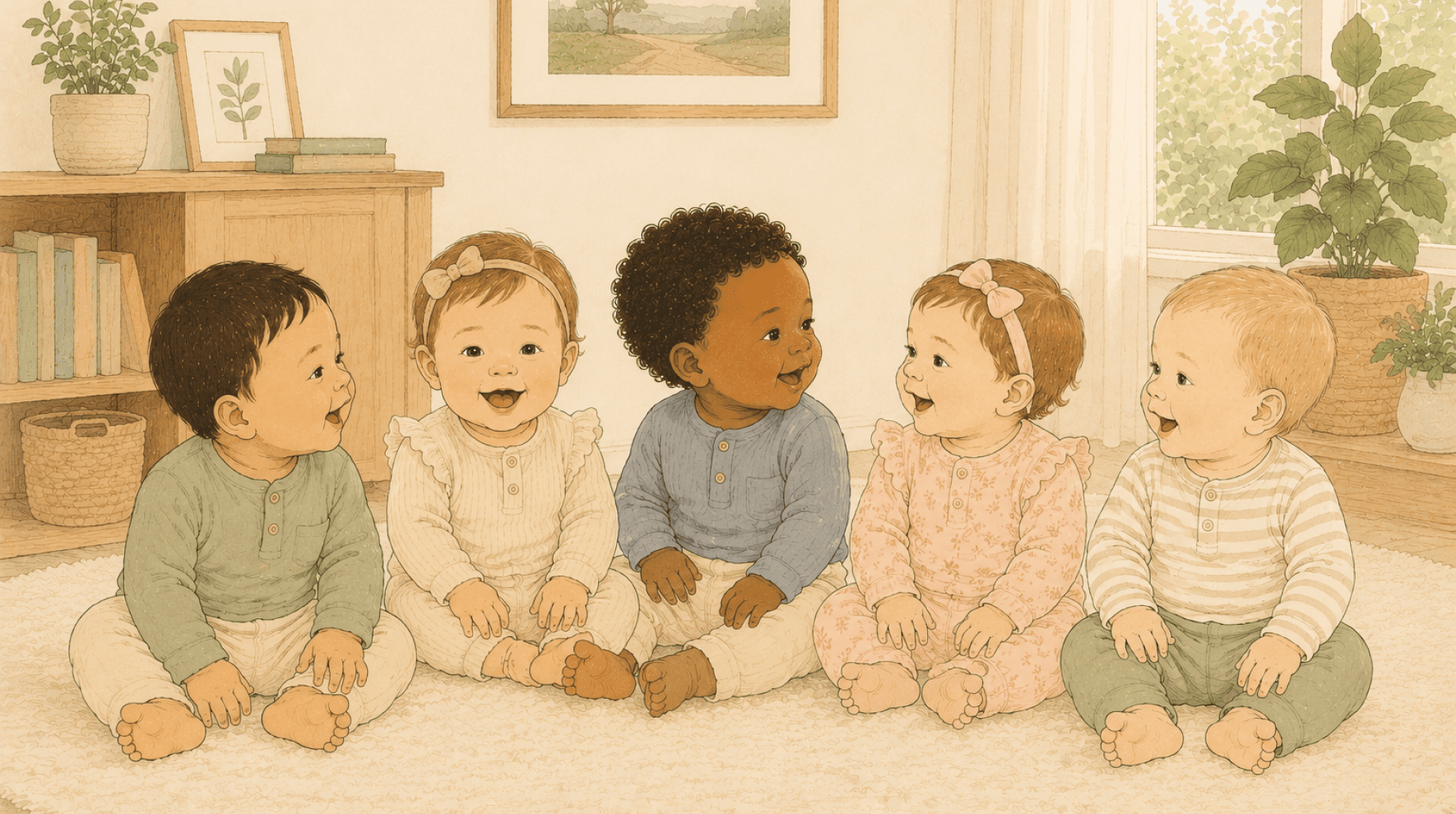
For example, names like Kai, Mila, Leo, Nora, and Zara are appreciated across many countries because they are short, elegant, and easy to pronounce. Similarly, names with positive meanings such as peace, wisdom, courage, happiness, and hope appeal to parents worldwide.
According to namestriology, multicultural names also celebrate diversity while allowing children to connect with multiple cultures throughout their lives. This trend reflects modern families who value inclusion, global awareness, and cultural appreciation.
Traditional Names vs Modern Names
Parents often debate whether to choose traditional names or modern creations. Both options have their own advantages.
Traditional Names
Traditional names have stood the test of time. They often carry historical significance, family heritage, and strong cultural roots. Examples include Alexander, Elizabeth, Aarav, Sophia, and Muhammad.
Modern Names
Modern names tend to be shorter, unique, and fashionable. Many are inspired by nature, creativity, or new linguistic combinations. Examples include Zayn, Nova, Aria, Kai, and Lyra.
The namestriology perspective suggests finding a balance between originality and timelessness. A name that is unique but still meaningful often becomes the best long-term choice.
Common Mistakes Parents Should Avoid
Choosing a baby name is exciting, but several common mistakes can create future challenges.
Some mistakes include:
- Selecting a name solely because it is trending.
- Ignoring the meaning behind the name.
- Choosing overly difficult spellings.
- Forgetting to check pronunciation.
- Overlooking family preferences when they matter.
- Not considering initials.
- Selecting names that may be difficult internationally.
By avoiding these mistakes, parents can choose names that remain meaningful and practical for decades.
How Meanings Influence Baby Name Choices
Across many cultures, the meaning of a name carries deep emotional value. Parents often choose names representing qualities they wish for their children.
Popular meanings include:
- Courage
- Wisdom
- Love
- Joy
- Peace
- Strength
- Kindness
- Hope
- Prosperity
- Faith
The namestriology philosophy encourages focusing on meaningful symbolism rather than simply following current trends. A name with positive significance can become a lifelong source of pride.
Future Trends in Global Baby Naming
Baby naming trends continue evolving every year. Several patterns are becoming increasingly popular worldwide.
Parents now prefer shorter names that are easy to pronounce internationally. Nature-inspired names continue gaining popularity, while vintage names are making a strong comeback. Cultural diversity has also influenced naming trends, encouraging parents to explore names from multiple languages.
Another noticeable trend is choosing gender-neutral names that provide flexibility while maintaining elegance. Technology, literature, mythology, and historical figures also inspire many modern baby names.
Experts following namestriology trends expect meaningful names with universal appeal to remain the most popular choices in the coming years. Parents increasingly value authenticity, cultural respect, and individuality over temporary fashion.
Conclusion
Selecting the perfect baby name is a deeply personal journey that combines love, tradition, culture, and hope for the future. Whether you prefer timeless classics, modern favorites, or rare cultural gems, understanding the meanings and origins behind names helps create a stronger connection to your child’s identity. Every culture offers beautiful naming traditions that celebrate history, family, and values. This comprehensive namestriology guide demonstrates that the best names are those that balance beauty, significance, and practicality. By exploring names from around the world, considering their meanings, and avoiding common naming mistakes, parents can confidently choose a name that their child will proudly carry throughout life. A thoughtful name becomes more than just words—it becomes part of a lifelong story filled with identity, heritage, and endless possibilities.