

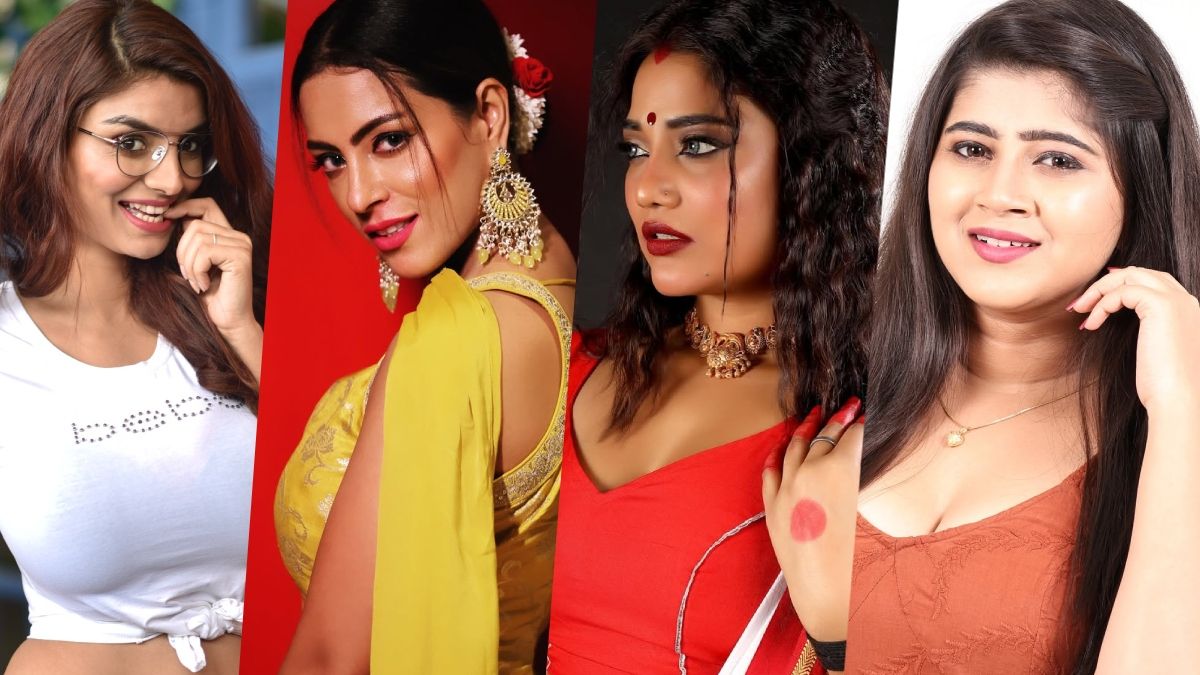

A few years ago, few people outside the industry had heard of Ullu. Within a short time, it became one of the most talked-about streaming apps in India. It never had the big budgets of Netflix or Amazon Prime Video, or their famous Bollywood stars. What it had was a steady supply of short, bold, drama-heavy stories set in small towns, crowded chawls and middle-class homes. These stories drew millions of viewers, especially in Tier 2 and Tier 3 cities, where cheap mobile data had just made streaming affordable. Behind every one of those shows was a group of performers. Many of them were unknown when they started and later became familiar names on social media.
That’s why searches for the ullu web series cast stay so steady even today. Viewers want to know who played a certain character, which actress led a popular franchise, and where these performers went after the platform ran into legal trouble. Some cast members came from television, some from regional film industries like Marathi, Bhojpuri, Bengali and Kannada, and others were models and social media influencers trying screen acting for the first time.
This article covers the most recognisable names linked to the platform and the shows that made them popular. It also explains how their careers have been affected by the government’s action against Ullu and similar apps. The aim is a clear, factual picture of who these performers are and why they still draw interest, not gossip or sensational detail.
Understanding Ullu and Its Place in Indian Streaming
Ullu was launched in 2018 by Vibhu Agarwal. It started as a subscription-based video-on-demand service with very low prices, which made it much cheaper than the global streaming giants. Its catalogue was built on short episodic series, usually split into parts, with each part released a week or two apart. The stories were mostly about domestic life, forbidden romance, revenge, village politics and marriage disputes. Most were wrapped in a bold, adult-oriented style that the platform openly marketed. Over time, it built a large library of originals and became one of the best-known names in the low-budget adult drama space.
The business grew fast. Media reports described Ullu as a company that grew to roughly a hundred crore rupees in value. Its success came from understanding an audience that mainstream platforms mostly ignored. Where big platforms invested in urban thrillers and prestige dramas, Ullu went for familiar settings and simple emotional conflicts, and it released new titles quickly. That speed meant the platform constantly needed fresh faces, which is how a large and often-changing ullu web series cast came about across hundreds of titles.
Who Makes Up the Ullu Web Series Cast?
The people who appeared in Ullu originals don’t fit one profile. Some were trained actors who had worked in television serials or regional films and saw digital series as a way to get regular work. Others were models with a strong Instagram presence, whom the platform cast because they could bring their own followers to a new release. A third group was male actors who often played the husband, the neighbour, the landlord or the villain. These performers rarely got the same attention, even though they appeared in a huge number of episodes.
What links the ullu web series cast together is volume and repetition. Because the platform released content so often, certain actresses showed up in show after show, sometimes in several franchises in the same year. This repetition built recognition. A viewer who watched one Charmsukh story would often see the same actress in a Palang Tod episode a few weeks later, and that familiarity created a loyal fan base for individual performers rather than for single shows.
The Rise of Regional Talent
One notable thing about the platform’s casting was how much it relied on actors from regional industries. Several leading actresses had already worked in Marathi, Bhojpuri, Bengali or Kannada cinema before joining Ullu projects. That background often helped them handle the small-town and semi-urban settings that were central to so many stories. A performer who had played village characters in Bhojpuri films, for example, could bring natural body language and dialect to a role set in rural Uttar Pradesh or Bihar.
This regional connection also helped the platform reach audiences outside Hindi-speaking metros. Viewers in Bengal, Maharashtra or Karnataka sometimes followed an Ullu release simply because it starred someone they already knew from local cinema or television. In this way, the platform became a bridge for many regional performers who wanted national visibility without having to break into the very competitive Bollywood system.
Popular Faces from the Ullu Web Series Cast
The platform worked with dozens of performers over the years, but a handful became strongly associated with it. These names come up again and again in viewer discussions, entertainment coverage and fan pages. Each built her popularity in a slightly different way: some through one defining franchise, others through sheer volume.
Priya Gamre
Priya Gamre is often counted among the most prominent faces on the platform. She came from television, Hindi, Marathi and Bhojpuri films before becoming a regular in digital series. On Ullu, she appeared in a long list of titles, including stories in the Charmsukh franchise, Shahad, Siskiyaan and Watchman. Her strength was range. She could play a vulnerable homemaker in one release and a scheming, confident character in the next. That versatility kept her in demand, and many viewers followed her from one title to another.
Rajsi Verma
Rajsi Verma is another performer whose name is closely linked to the platform. A model before she started acting, she also appeared in smaller films such as Ribbon and Jalebi. Her Ullu work includes appearances in the Palang Tod franchise and several Charmsukh stories. Interviews and fan coverage describe her as an actress who wanted more substantial roles in the long run, which reflects a common goal among performers who used digital platforms as a starting point.
Kavita Radheshyam
Kavita Radheshyam holds a special place because one series carries her name. Kavita Bhabhi, which first appeared in 2020, starred her in the title role. Its story follows a woman whose phone conversations get her into a string of complicated situations. The show was directed by Faisal Saif and also featured Amita Nangia as the mother-in-law and Nishant Pandey in multiple roles. It became one of the platform’s most-watched titles during the COVID-19 lockdown and is often credited with setting a template that later shows copied. Before Ullu, Radheshyam had already worked in Kannada, Tamil and Hindi projects, which gave her more experience than many of her co-stars.
Sneha Paul
Sneha Paul, originally from Kolkata, is best known for the Charmsukh Chawl House series. Her performances there gave her a large social media following. She brought a natural, everyday quality to her characters that fit the crowded, close-knit chawl setting, and her popularity shows how a single successful franchise could turn a newcomer into a well-recognised name.
Jinnie Jaaz and Others
Jinnie Jaaz became popular through the Jaane Anjane Mein stories, a long-running thread within the Charmsukh universe that ran across several instalments. Other names that regularly come up when people discuss the ullu web series cast include Ridhima Tiwari, Bharti Jha, Hiral Radadiya, Noor Malabika, Rekha Mona Sarkar, Ruks Khandagale, Aayushi Jaiswal, Muskaan Agrawal and Nehal Vadoliya. Each had at least one widely watched release, and together they made up the core group that appeared across the platform’s most-viewed content.
Iconic Ullu Shows and Their Key Cast Members
Some series became so linked to the platform that they almost defined its identity. The table below summarises the most recognisable titles along with commonly credited lead performers and the general theme of each show. Because many franchises ran as anthologies with different stories and casts in each instalment, the names listed are the performers most often associated with that franchise, not a complete credit list.
| Series | Commonly Credited Cast | Format / Theme | Notable Point |
|---|---|---|---|
| Kavita Bhabhi | Kavita Radheshyam, Amita Nangia, Nishant Pandey | Comedy-drama about a woman and her phone conversations | Among the most-watched titles during the 2020 lockdown |
| Charmsukh (franchise) | Priya Gamre, Sneha Paul, Jinnie Jaaz, Ridhima Tiwari | Anthology of standalone domestic and romantic stories | Flagship brand with many sub-series such as Chawl House and Jaane Anjane Mein |
| Palang Tod (franchise) | Rajsi Verma, Noor Malabika, Rekha Mona Sarkar | Anthology centred on relationship drama and temptation | One of the platform’s two most-watched franchises |
| Riti Riwaj | Various ensemble casts | Stories built around unusual customs and traditions | Highlighted the platform’s focus on rural and cultural settings |
| Jaane Anjane Mein | Jinnie Jaaz and ensemble | Long-running story thread within Charmsukh | Built strong viewer loyalty across multiple parts |
Charmsukh and Palang Tod deserve special mention because they worked less like individual shows and more like umbrella brands. Each new story under these labels came with its own setting, characters and cast. This let the platform release fresh content constantly while still benefiting from a familiar name. For performers, landing a lead role in a Charmsukh or Palang Tod story was often a turning point, because these franchises came with a built-in audience that guaranteed viewership.
Why Viewers Connected with the Cast
It’s easy to put the platform’s popularity down to bold content alone, but that explanation misses something important. Many viewers kept coming back because they related to the performers and the worlds they played in. Characters lived in rented rooms, shared bathrooms in chawls, worked in local shops and dealt with nosy relatives. That relatability made the actors feel closer to the audience than polished film stars ever could.
Social media made this connection stronger. Several actresses built large Instagram followings, posting behind-the-scenes clips, fitness routines and personal updates. Fans could follow a performer’s daily life between releases, which built a sense of familiarity and loyalty. Some performers used this reach to promote other projects, brand partnerships and music videos, effectively turning their Ullu exposure into a wider personal brand.
The 2025 Ban and Its Impact on the Ullu Web Series Cast
The biggest change in the platform’s story came in July 2025. The Ministry of Information and Broadcasting ordered internet service providers and app stores to block access to 25 streaming platforms, including Ullu, ALTT, Desiflix and Big Shots App. The order relied on Section 69A of the Information Technology Act, 2000, and the IT Rules, 2021. The government cited repeated violations related to obscene and indecent content, and said the platforms had received multiple warnings since 2024. Reports noted that the action was also aimed at limiting easy access to such material for minors. In February 2026, the Union Minister of State for Electronics and Information Technology confirmed the ban in the Lok Sabha, and a later round of blocking extended similar action to a few more apps.
For performers, this was a serious blow. Several things changed almost overnight:
- The main platform that showcased their work became inaccessible to most viewers in India.
- New projects that were in production or planned were stalled or cancelled.
- Income from regular weekly releases dried up for many actors who depended on steady work.
- The public association with a banned platform made some mainstream casting directors cautious.
Even before the ban, the platform had faced public criticism. In 2025, a reality-style show called House Arrest, hosted by actor Ajaz Khan, drew strong backlash over its content and was taken down after complaints. Incidents like this added to the scrutiny that eventually led to government action.
Where the Cast Stands Today
As of late 2026, the ullu web series cast is scattered across different paths. Some performers have moved to other digital platforms that produce mainstream drama, thrillers and comedy. Others have gone back to regional cinema, music videos and television, where their earlier experience helps. A number of actresses now focus mainly on social media, earning through brand collaborations and influencer marketing rather than acting.

Some performers have spoken in interviews about wanting to be seen as serious actors and not defined only by bold roles. That transition isn’t always easy, because the image built on the platform can follow them into auditions. Still, the experience of working on tight schedules, delivering many episodes and handling varied characters has given many of them skills they can use elsewhere. Those who invested early in their personal brand and diversified their work have generally coped with the shift better than those who relied entirely on one platform.
Lessons from the Ullu Web Series Cast Journey
The story of these performers says a lot about the wider Indian entertainment industry. It shows how strong the demand is for affordable, regional and relatable content, and how a low-cost platform can quickly create new celebrities without the traditional Bollywood machinery. It also shows the risks of building a career on one platform, especially when that platform operates in a legally sensitive area.
For aspiring actors, there are a few clear takeaways:
- Building skills and a portfolio across different genres creates long-term security.
- Owning a direct audience through social media gives independence from any single platform.
- Understanding contracts and the legal environment around content protects one’s career.
- Regional experience can be a real strength in a market that values authenticity.
These lessons go beyond one app. Digital entertainment in India keeps changing as regulations tighten and audiences mature. Performers who adapt, learn and diversify are the ones most likely to have long careers.
Conclusion
The ullu web series cast represents an unusual chapter in India’s streaming history. Performers like Priya Gamre, Rajsi Verma, Kavita Radheshyam, Sneha Paul and Jinnie Jaaz became recognisable names by appearing in fast-paced, low-budget series that reached millions of viewers in small towns and big cities alike. Franchises such as Charmsukh, Palang Tod and Kavita Bhabhi became part of everyday online conversation, and the actors behind them built fan bases that often outlasted individual shows.
The government’s 2025 decision to block Ullu and two dozen similar platforms changed things dramatically, cutting off the main outlet for these performers and forcing many to rethink their careers. Today, the cast has spread across other streaming services, regional cinema, television and social media, with mixed results. What stays clear is that their journey reflects both the opportunities and the risks of the digital entertainment boom. For readers curious about these performers, understanding that context matters more than any single role. Ullu’s story is ultimately about access, regulation and how quickly fame can be built, and lost, in India’s streaming market.