

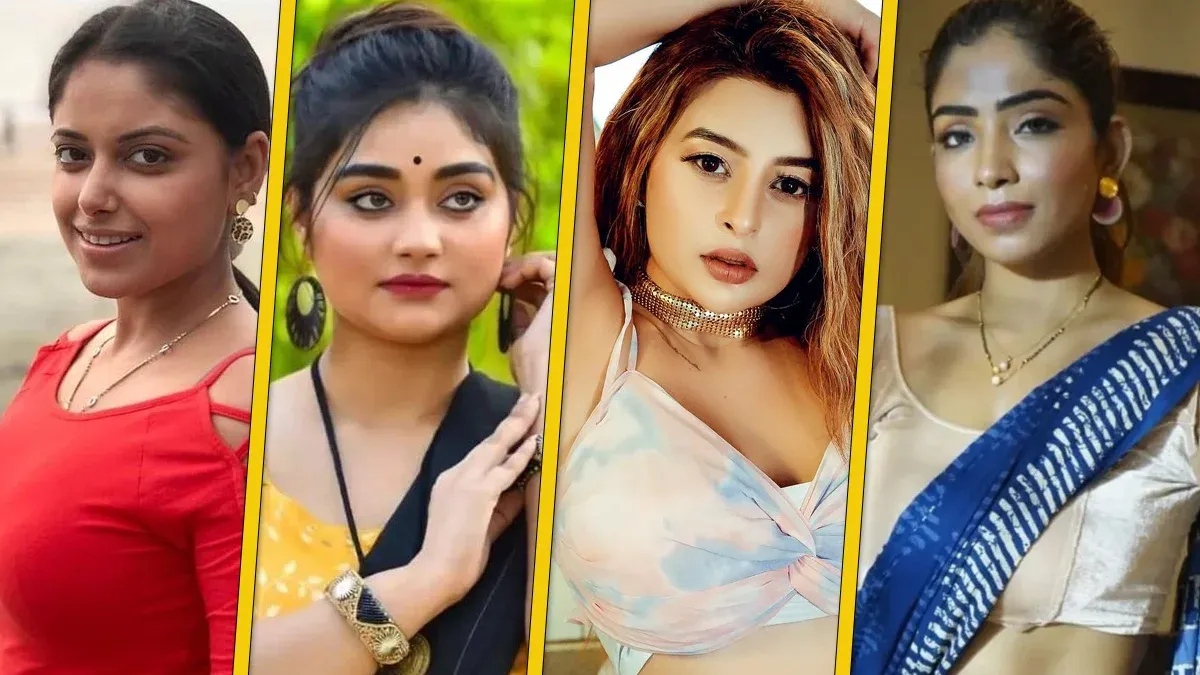

A few years ago, a large part of India’s digital audience discovered a new kind of entertainment on their phones. Cheap data, affordable smartphones and a growing appetite for desi stories helped regional and adult-oriented streaming apps grow quickly. Ullu became one of the best known of them. It built a library of short, bold web series that reached viewers in small towns as well as big cities, and that reach also made a whole group of performers recognisable almost overnight.
Today, the conversation around ullu actors is very different from what it was during the platform’s peak. Some viewers still search for the faces they remember from popular shows. Others are curious about how these performers got into the industry, what their careers look like, and what happened to them after the government cracked down on adult OTT platforms. The story mixes ambition, controversy, opportunity and hard choices, which is why it still interests so many people.
This article looks at the people behind the screen rather than the content itself. We cover who these performers are, where they usually come from, why audiences followed them, the criticism they faced, and how the 2025 ban changed their working lives. If you want a clear, balanced and current picture of this corner of Indian digital entertainment, read on.
What Ullu Was and Why Its Cast Drew Attention
Ullu started out as a subscription-based streaming app that focused on short web series, many of them with bold or adult themes. Its stories were usually set in familiar Indian settings such as villages, small towns, joint families, offices and rented rooms. The episodes were short, the release schedule was fast, and the titles were designed to catch attention in a crowded app store. This formula worked well with an audience that wanted quick, relatable entertainment that mainstream television did not provide.
Because the platform released so many shows, it needed a steady supply of fresh faces. That demand made the cast as important as the stories. Viewers often came back for a particular performer rather than a particular show, much like loyal fans of a television serial. Over time, certain names were linked so closely with the platform that people began searching for them directly, which is how the wider interest in the platform’s cast began.
Who Are Ullu Actors? Understanding the Talent Pool
The phrase ullu actors usually refers to the men and women who appeared in the platform’s original web series. Most of them were not established film stars. Many were models, television artists in small roles, theatre performers, or newcomers who had moved to Mumbai hoping for a break. For many of them, Ullu was a quick way to get screen time, steady shoots and visibility at a point when mainstream casting doors felt closed.
The Background of Most Performers
A large share of these performers came from middle-class or small-town families in states such as Uttar Pradesh, Bihar, Madhya Pradesh, West Bengal, Maharashtra and Rajasthan. Many had spent years going to auditions, doing print shoots, acting in music videos or playing minor roles in TV serials before they found work on adult-oriented platforms. Some performers have said in interviews that they first took these roles to pay rent and support their families, and planned to move into mainstream work later. That mix of financial pressure and big ambitions is a common thread in many of their stories.
For example, a typical journey might start with a modelling portfolio, move to a few unpaid or low-paid projects, then a small part in a regional serial, and finally a lead role in a web series that suddenly brings lakhs of views. That sudden visibility can change a performer’s social media following within weeks, even though the role itself comes with plenty of stigma.
The Male Performers Behind the Stories
Female leads usually got most of the attention, but male performers were just as essential to the platform’s productions. Many of them were trained theatre actors, struggling television artists or fitness models who were building their portfolios. They rarely became as famous as their female co-stars, yet a few became recognisable faces among regular viewers. Their careers often followed the same pattern of steady work, limited recognition outside the niche, and the challenge of moving into mainstream projects.
Popular Faces Associated with Ullu Originals
Over the years, several performers became closely linked with the platform’s most talked-about series. Some had already been seen on television or in small film roles, while others started almost entirely in web series. Popularity in this space usually came from a mix of screen presence, regular releases and a strong social media following rather than formal acting credentials.
The table below gives a simple overview of some names that viewers commonly connect with Ullu shows. It is meant only as a general reference to their public careers.
| Performer | Commonly Associated With | Wider Career Notes |
|---|---|---|
| Priya Gamre | Several Ullu original series | Model and actress who often appeared in lists of the platform’s most popular faces |
| Rajsi Verma | Web series on multiple platforms | Has also worked in Hindi television serials and a few films |
| Mishti Basu | Charmsukh, Maa Devrani Beti Jethani | Recognised regularly in the platform’s anthology-style series |
| Jinnie Jazz | Jaane Anjane Mein franchise | Model and actress with a large social media following |
| Aayushi Jaiswal | Charmsukh titles and other originals | Became popular through recurring lead roles |
| Saumya Tiwari | Charmsukh | Also worked in mainstream television programmes |
Each of these performers built a recognisable identity in a crowded market. Popularity in this space can be fleeting, though, and the list of well-known names kept changing as new shows came out and new faces arrived.
Why Audiences Followed These Performers
One of the main reasons viewers connected with these performers was relatability. Unlike polished film stars, many of them looked and spoke like people the audience might know. They often used local dialects, played characters with everyday jobs, and appeared in settings that matched the lives of viewers in tier-two and tier-three towns. That familiarity made audiences feel closer to them than they did to distant celebrities.

Social media turned that connection into loyalty. Many performers kept up active Instagram accounts and posted behind-the-scenes clips, fitness routines, travel pictures and personal updates. Fans who first saw them in a web series began following their daily lives online. This online presence often outlasted any single show, and for some performers it later became a source of income through brand promotions and sponsored posts.
The Career Path: From Auditions to Streaming Screens
Getting into adult-oriented web series was usually less formal than mainstream casting. Production houses that supplied content to the platform often held auditions through casting coordinators, social media posts and personal contacts. Shoots were quick, budgets were modest, and several episodes were often filmed in a few days. For a newcomer, this meant fast work and quick payment, but also limited bargaining power and little control over how the final product was edited or promoted.
People who studied this industry identified several common entry routes for these performers:
- Print and digital modelling, especially fashion, fitness and glamour shoots
- Small roles in television serials or crime-reconstruction shows
- Music videos and short films made for YouTube and regional channels
- Theatre groups and acting workshops in Mumbai and other cities
- Direct auditions advertised by casting agents on social media
Each of these routes gave aspiring performers some experience, but very few led straight to mainstream fame. Many ullu actors found that once they became known for bold roles, mainstream producers were less willing to cast them. This made web series feel like both a stepping stone and a trap.
Challenges and Criticism Faced by the Performers
Visibility came at a cost. Performers in this niche dealt with criticism from many directions, including social commentators, online trolls, family members and sometimes the wider entertainment industry. That pressure affected their personal lives, mental wellbeing and long-term career plans.
Stigma and Typecasting
The biggest challenge for many performers was typecasting. Once a face became linked with bold content, it was hard to change how casting directors saw them. Performers have said that auditions for mainstream projects sometimes ended once their earlier work came up. Typecasting is common in every film industry, but here it was even stronger because of moral judgement about adult content.
There was also a personal side to the stigma. Some performers have said they kept their work hidden from relatives or neighbours, and others faced backlash once their identity became known. Online harassment, unwanted messages and morphed images were problems many of them reported, which shows how visibility can quickly turn into vulnerability.
Contracts, Consent and Working Conditions
Questions about contracts and working conditions also came up often. Because the business moved quickly and many productions worked on tight budgets, performers did not always have strong legal protection. Disputes over payments, how scenes were shot, and how content was later used or promoted were reported in media coverage over the years. These issues sparked broader discussion about consent, fair contracts and the need for clearer industry standards in digital entertainment.
The 2025 Government Ban and Its Impact
The biggest turning point came in July 2025. The Ministry of Information and Broadcasting ordered internet service providers to block the websites and apps of 25 OTT platforms, including Ullu and ALTT. It cited obscene and vulgar content that violated provisions of the IT Act and other laws. The decision followed earlier complaints and warnings, including an advisory issued in February 2025 that urged OTT platforms to follow the IT Rules code of ethics. A few months earlier, in May 2025, Ullu had also taken down one of its reality shows after the ministry intervened.
For ullu actors, the ban meant an immediate loss of a major source of work. Projects in production became uncertain, upcoming releases were stuck, and the regular flow of shoots that many performers depended on slowed sharply. Performers who had relied almost entirely on this platform had to rethink their careers in a short time. Some saw the ban as a setback, while others treated it as a push to finally move away from bold roles and towards more mainstream or diversified work.
The ban also changed public conversation. Debates about censorship, freedom of expression, women’s representation and the responsibility of streaming platforms became louder. Supporters of the decision argued that it protected viewers, including minors, from harmful content. Critics argued that it hurt livelihoods without fixing the deeper problems of regulation and age verification. Most discussions agreed on one point: the performers were among those most directly affected.
Where Ullu Actors Are Heading Now
More than a year after the ban, the career paths of these performers have split in several directions. Some have left acting altogether, while others are working hard to rebuild their professional image. The situation varies from person to person, but a few clear trends have emerged.
The Creator Economy and Social Media
For many performers, social media has become the main platform. Those who built strong followings during their web series years now earn through brand partnerships, sponsored posts, event appearances and personal content channels. Lifestyle, fitness, fashion and travel content have become popular choices because they let performers stay visible without depending on any single streaming service. This shift reflects how India’s creator economy now offers income that does not rely on traditional gatekeepers.
Moving Towards Mainstream and Regional Projects
Another group is trying to move into mainstream television, regional cinema and cleaner web series on other platforms. Regional film industries, especially in Bhojpuri, Marathi, Bengali and other languages, have sometimes been more open to performers with a web series background. It is not an easy transition, and it often means accepting smaller roles at first, but some performers see it as a long-term path to respectability and career stability.
A smaller number have moved behind the camera into production, casting coordination, styling or digital marketing. Their first-hand understanding of audiences, promotion and content trends can be useful in these roles. These shifts show that the skills built in web series, such as performing on a tight schedule, understanding viewer behaviour and building a personal brand, can carry over to other jobs.
Lessons for Aspiring Actors
The experiences of these performers offer useful lessons for anyone trying to enter India’s entertainment industry. Fast visibility can be tempting, especially for newcomers struggling with money, but every role becomes part of a performer’s public record. It is important to think about how today’s choices could affect opportunities five or ten years from now.
A few practical takeaways stand out from their journeys:
- Read every contract carefully and ask a trusted professional to check it
- Build skills through training, theatre or workshops instead of relying only on visibility
- Diversify income early through social media, modelling, voice work or regional projects
- Protect personal data and online privacy from the first day of public exposure
These points apply well beyond adult-oriented web series. Every aspiring performer working in an uncertain and fast-changing industry can benefit from them.
Conclusion
The story of ullu actors is ultimately about people trying to find a place in a competitive industry during a period of rapid digital change. Many came from modest backgrounds with big dreams and took the opportunities that were available to them. Some built large fan bases and real recognition, while others dealt with stigma, typecasting and uncertainty that followed them well beyond their screen roles. Their journeys show both the opportunities and the risks of a content economy built on speed, boldness and virality.
The 2025 ban closed one chapter, but it did not end the careers of every performer involved. Many are now using social media, regional cinema, mainstream television and behind-the-scenes work to redefine themselves. As India continues to debate how to regulate digital content fairly, the experiences of these performers will stay an important part of that conversation. For readers, the clearest lesson is to look beyond the labels and see the real people, choices and pressures behind the names that once trended on streaming apps.