


Few names in Indian streaming have sparked as much curiosity, debate and late-night searching as Ullu. Launched in 2018 by Lucknow-based entrepreneur Vibhu Agarwal, the app built its identity around bold, adult-oriented web series aimed at viewers in small towns and big cities alike. Even the name was chosen with a wink. Ullu means owl in Hindi, and Agarwal has explained that people who stay awake late at night bingeing shows are often jokingly called ullu. That playful branding, combined with cheap subscriptions and short, punchy episodes, helped the platform grow at a speed that surprised the wider industry.
Behind every one of those shows was a group of performers who rarely got the spotlight that mainstream OTT stars enjoy. When people search for the ullu cast, they are usually looking for more than a list of names. They want to know who these actors are, where they came from, which shows made them recognisable, and what happened to them after the platform ran into serious legal trouble. Many of these performers worked across dozens of titles in a single year, building a fan base largely through Instagram and YouTube rather than through film magazines or red carpets.
This article takes a closer, more balanced look at the people who powered Ullu’s content library. We will cover how the cast was formed, the faces audiences came to associate with the brand, the working conditions and stigma they faced, and the major turning point in July 2025, when the Indian government blocked the platform. Finally, we will look at where these performers stand today and what their journey tells us about the changing shape of Indian digital entertainment.
What Is Ullu and Why Did Its Cast Become So Recognisable?
To understand the ullu cast, you first need to understand the business model that shaped it. Ullu positioned itself as a low-cost, high-volume streaming service. Instead of spending crores on a single prestige drama the way larger platforms did, it released a constant stream of short series, often split into parts released a week or two apart. Many stories were set in villages, small towns or middle-class homes, and they leaned heavily on familiar relationship drama, secrets and forbidden attraction. The production budgets were modest, shooting schedules were tight, and the same set of actors frequently appeared across multiple titles.
That repetition is exactly why viewers began to recognise the performers. When an actress appears in four or five different series within a few months, she becomes a familiar face to regular subscribers. Fans started following these actors on social media, sharing clips and discussing upcoming releases. In a sense, Ullu created its own small star system, separate from Bollywood and separate from the polished Hindi originals on big global platforms. According to figures the company itself has publicised, the app crossed 109 million downloads and around 42 million active users, which gives a sense of how large that audience became.
The Anthology Format and Its Effect on Casting
A big part of Ullu’s catalogue came from anthology franchises such as Charmsukh, Palang Tod and Jaane Anjane Mein. In an anthology, each story is self-contained, with its own characters and setting, so producers can cast new faces every few weeks while keeping the franchise name alive. This gave a large number of newcomers a quick entry point into acting. Someone with no film connections could audition, land a role in one standalone episode and, if the audience responded well, get called back for several more.
The downside was that this system often treated performers as interchangeable. Because the franchise name sold the show rather than the actor, many artists struggled to negotiate better fees or creative control. Some used the exposure as a stepping stone, while others found it difficult to break out of the image the platform created for them.
Popular Faces Fans Associate With Ullu
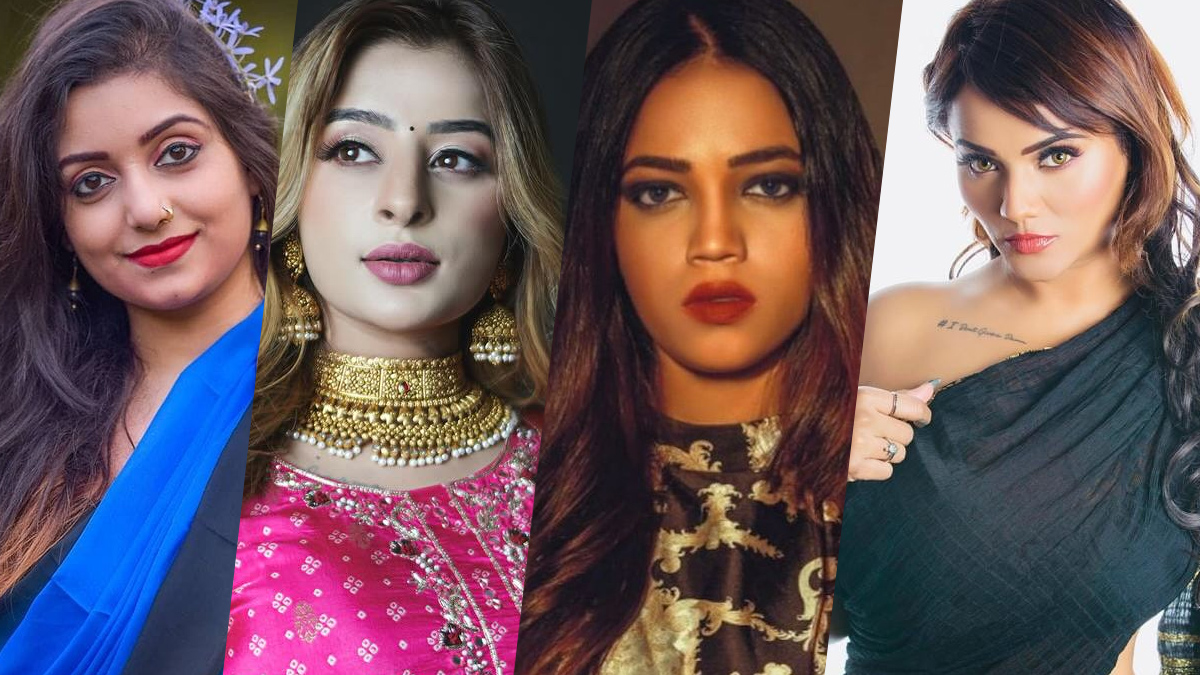
Over the years, a handful of actresses became strongly linked with the platform in the public mind. It is worth remembering that most of them worked across several adult-focused apps, not just Ullu, and many also appeared in music videos, regional films and television serials. The names below are among the members of the ullu cast that fans and entertainment websites have most often associated with the brand, along with a few titles for which they are remembered.
| Performer | Shows Fans Associate Them With | What They Are Known For |
|---|---|---|
| Priya Gamre | Matki, Maa Devrani Beti Jethani | A prolific lead in village-set family dramas |
| Jinnie Jaaz | Jaane Anjane Mein franchise | One of the most recognisable recurring faces |
| Manvi Chugh | Charmsukh stories | Built a strong social media following from anthology roles |
| Kavita Radheshyam | Kavita Bhabhi | Fronted a title series that became a brand of its own |
| Rajsi Verma | Charmsukh stories | Frequent lead in short anthology episodes |
The table is not an exhaustive list, and the platform worked with hundreds of actors over its lifetime. However, these examples show a clear pattern. Most of the performers who became famous through Ullu did so by appearing regularly, staying active on Instagram and building a personal brand that travelled with them from one app to another.
Priya Gamre and the Rise of the Village Drama
Priya Gamre is a good example of how the platform’s talent pool was built around consistency. Her roles in shows like Matki placed her in rural and semi-urban settings, which matched the audience Ullu was chasing in tier-two and tier-three cities. Viewers who grew up in similar surroundings found the settings familiar, even if the storylines were exaggerated for drama. That relatability, more than any big marketing campaign, kept people coming back.
Jinnie Jaaz and the Power of a Franchise
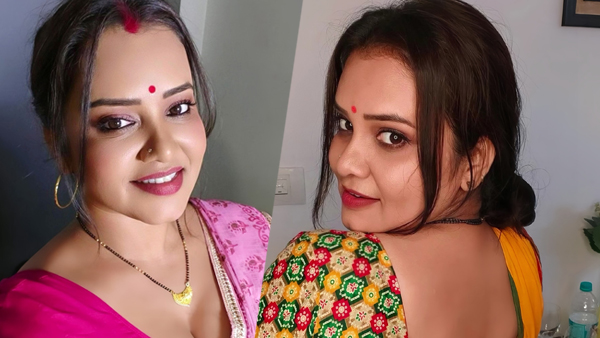
Jinnie Jaaz became closely tied to the Jaane Anjane Mein series, one of the platform’s longer-running franchises. Her case shows how a single successful property could turn an actor into a household name among a specific audience. When fans discussed new parts of the franchise online, her name came up repeatedly, which in turn boosted her visibility across social media and helped her secure work elsewhere.
The Male Actors Who Often Went Unnoticed
Conversations about the ullu cast tend to focus almost entirely on actresses, but the shows also relied on a pool of male actors who played husbands, neighbours, landlords and villains. Many of them came from theatre groups, small-budget Hindi films or Bhojpuri cinema. They rarely received the same level of online attention, which meant fewer brand deals and fewer opportunities to build a personal following. For these actors, the platform was often simply a source of steady, if modest, paid work in a very competitive city like Mumbai.
How Performers Joined the Platform
Most performers entered through the same informal routes that power much of Mumbai’s freelance entertainment economy. Casting agents posted calls on social media and in WhatsApp groups, production houses held quick auditions, and actors who had worked on one project were frequently recommended for the next. Ullu also commissioned content from outside production houses, so a single actor might work for several different producers while still appearing under the Ullu banner.
For many young people arriving in Mumbai from places like Uttar Pradesh, Madhya Pradesh, Rajasthan or Bihar, this was one of the few doors that opened quickly. Mainstream films and big-platform originals can take years of networking to crack. A role on an adult-focused app, by contrast, could be secured within weeks. The trade-off was visibility of the wrong kind. Several performers have spoken in interviews about family disapproval, online harassment and the difficulty of being taken seriously by mainstream casting directors once they had appeared in such content.
The Role of Social Media in Building Careers
Social media became the real career engine for the ullu cast. Because the platform did not run large publicity campaigns for individual actors, performers handled their own promotion through reels, behind-the-scenes clips and fan interactions. Those with large followings could earn money through brand collaborations, paid appearances and music videos, sometimes making more from Instagram than from the shows themselves. This also gave them a degree of independence, since their audience followed them personally rather than following the platform.
Pay, Contracts and Working Conditions
Money is one of the least discussed parts of this story. Industry conversations and actor interviews suggest that most members of the ullu cast were paid per project or per shooting day rather than through long-term contracts. Newcomers often accepted small fees simply to get a credit and some screen time, hoping that better offers would follow. Established names could command more, but even they rarely had the kind of royalty or revenue-sharing arrangements that are common for leads on bigger platforms. Shoots were usually completed in a few days, which meant long hours and very little preparation time.
This freelance structure had a hidden cost. Because few performers had written agreements that covered how their footage would be used, edited or promoted, some later found clips circulating online in ways they had never agreed to. It is a reminder of why clear contracts, consent protocols and proper on-set professionalism matter just as much in low-budget productions as they do on large film sets.
Controversies, Complaints and the Road to the Ban
Ullu’s growth was never free of controversy. Critics argued that much of its content crossed the line from bold storytelling into material that violated Indian obscenity laws. Complaints came from several directions, including child rights bodies. Reports note that the National Commission for Protection of Child Rights raised concerns about Ullu and ALTT in July and August 2024, citing weak age verification and easy access for minors.
The pressure intensified in 2025. In February that year, the Ministry of Information and Broadcasting issued an advisory reminding OTT platforms to follow the Code of Ethics under the IT Rules, 2021. In April, the Supreme Court issued notice to the Centre on a petition seeking a ban on sexually explicit content across OTT and social media platforms. Then, in May, the platform’s reality show House Arrest, hosted by Ajaz Khan, triggered public outrage after a clip showed contestants being pressured to perform inappropriate acts on camera. Ullu removed the show after the ministry stepped in.
The July 2025 Government Ban
On 25 July 2025, the Ministry of Information and Broadcasting ordered internet service providers to block access to around 25 OTT apps and websites, including Ullu, ALTT, Desiflix, Big Shots and others. The government cited repeated non-compliance with content moderation and age-gating rules, and pointed to provisions under the IT Act, the Bharatiya Nyaya Sanhita and the Indecent Representation of Women (Prohibition) Act. An informally circulated appendix to the order reportedly ran to around 90 pages, documenting specific shows, timestamps and remarks as evidence.
For the ullu cast, the ban was a sudden and severe shock. Overnight, a major source of regular work disappeared. Several of the affected apps had been the main employers for these performers, so they could not simply shift from one platform to another within the same niche. A report in Mint later described how Agarwal had grown Ullu into a business worth around ₹100 crore, and noted that it was all over, at least for now.
Where Does the Cast Stand Now?
More than a year after the ban, the picture for these performers is mixed. Some have stepped away from acting entirely, returning to their hometowns or moving into other careers. Others have pivoted towards content that keeps them in front of the camera without the legal risk, such as music videos, short-form social media content, regional cinema and family-friendly web shows. India’s fast-growing micro-drama segment, which focuses on very short vertical episodes for mobile viewers, has also opened up fresh opportunities for actors who are comfortable with quick shooting schedules.
The performers who have handled the transition best tend to share a few common traits. They had already built strong personal brands, they diversified their income early and they were willing to reinvent their image. Looking at the broader industry, a few practical lessons stand out from their experience:
- A personal audience on social media proved more durable than any single platform.
- Actors who took varied roles found it easier to move into mainstream or regional work.
- Diversifying income through brand deals and live appearances cushioned the impact of the ban.
- Proper contracts and clear payment terms mattered more than ever once regular work dried up.
The Stigma Question
One of the biggest hurdles for former cast members remains public perception. Indian audiences often draw a hard line between mainstream actors and those who worked on adult-oriented apps, even when the actual roles were acting jobs carried out under professional conditions. Some performers have spoken openly about wanting to be judged for their craft rather than their past projects. Whether the industry and audiences give them that chance will shape how many of them succeed in building long-term careers.
What the Ullu Story Says About Indian OTT
The rise and fall of Ullu reflects a much bigger tension in India’s digital entertainment market. On one side is huge demand for cheap, accessible content in Hindi and regional languages, especially from viewers outside metro cities. On the other side is a regulatory framework that is becoming steadily stricter about what can be streamed, how age checks must work and who is accountable when content crosses the line. The 2025 crackdown sent a clear message to every streaming business in the country that self-regulation alone would not be enough.
For the performers, the lesson is equally clear. A platform can rise quickly and disappear just as quickly, but skills, professional reputation and a loyal audience can travel. The platform also tried to diversify before the ban, for example by launching a music channel and later announcing a crypto token project called UlluCoin, but these moves did not change the core issue of content compliance. The actors who treated Ullu as a starting point rather than a final destination are the ones best placed to adapt in an industry that is now prioritising compliance, broader appeal and stronger storytelling.
Conclusion
The ullu cast represents a unique chapter in the story of Indian streaming. These were mostly outsiders, many from small towns, who found a fast entry point into the entertainment world through a platform that valued volume, speed and boldness. Names like Priya Gamre, Jinnie Jaaz, Manvi Chugh, Kavita Radheshyam and Rajsi Verma became familiar to millions of viewers, largely because they appeared consistently and built their own audiences on social media. Alongside them worked countless male actors, writers and technicians whose contributions rarely made headlines but kept the content machine running.
The July 2025 government ban changed everything. It ended a major source of work almost overnight and forced performers to rethink their careers in a much stricter regulatory climate. Today, the most resilient members of this group are those who diversified early, protected their personal brands and stayed open to new formats, from regional films to micro-dramas. As India’s OTT landscape matures, their journey is a reminder that talent can outlast any single platform, but only when it is backed by adaptability, professionalism and a clear sense of where the industry is heading. For anyone curious about this corner of digital entertainment, understanding the people behind the screen offers a far richer picture than the headlines alone.