

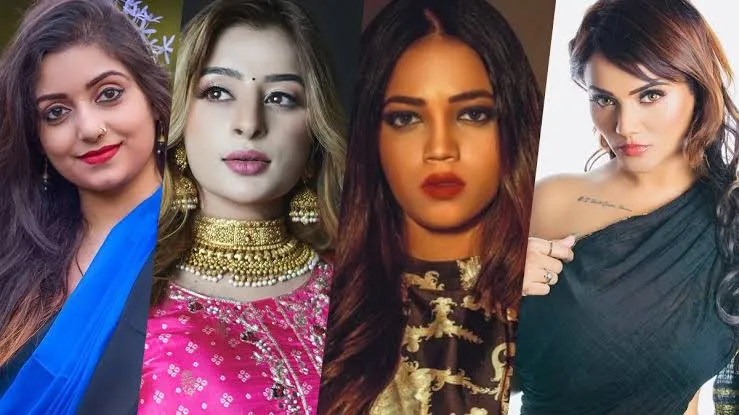

For a few years, one kind of web series ruled late-night phone screens across small towns and big cities in India. Ullu was a subscription streaming app launched in 2018. It built a loyal audience with short, bold, drama-heavy stories, and that audience grew curious about the people on screen. Searches for the Ullu cast became some of the most common entertainment queries online. Viewers wanted to know who these faces were, where they came from and what else they had done.
That curiosity has become more complicated. In July 2025, the Ministry of Information and Broadcasting ordered the blocking of 25 OTT platforms, including Ullu, over content it called obscene and objectionable. Almost overnight, actors who had built whole careers on the platform saw their work pulled offline and their unreleased projects frozen. So understanding the Ullu cast today means more than knowing popular names and hit shows. It is also a story about livelihoods, regulation and starting over.
This article looks at who made up the platform’s talent pool and why some actors became so recognisable. It also covers how the ban changed things and what the road ahead looks like in late 2026. The aim is a clear, balanced overview rather than gossip, so readers get context along with the names.
What Ullu Was and Why Its Actors Became So Recognisable
Ullu was run by Ullu Digital Pvt Ltd and quickly became one of the best-known names among India’s smaller, adult-oriented streaming apps. Big platforms spent heavily on a few premium shows. Ullu did the opposite: it released a steady stream of short series in parts, often every week or two. Many of its titles were anthology franchises, where each new story brought a fresh plot and a fresh set of characters. Viewers always had something new to watch, and the platform kept needing new performers.
That format explains why so many actors became familiar so fast. One performer might appear in three or four different stories within a few months. That could add up to more screen time than a supporting actor on a TV soap gets in a year. Seeing the same faces again and again built recognition, and social media did the rest. Many performers gained huge Instagram followings by posting behind-the-scenes clips, photoshoots and promotional reels. For many viewers, the actors became the main reason to open the app, more than any single story.
Who Typically Made Up the Ullu Cast
The Ullu cast was never a fixed ensemble like a TV serial’s. It was a broad, constantly changing group of performers. Most were young women and men who had moved to Mumbai hoping to break into Bollywood or television. Many came from smaller cities and towns in Uttar Pradesh, Bihar, Madhya Pradesh, Maharashtra and West Bengal. Some had backgrounds in modelling, theatre, regional cinema or music videos. A smaller number were experienced actors who had already worked in films or TV and saw OTT work as a steady source of income.
Behind the camera, the workforce was just as varied. Small production houses, freelance directors, writers, editors and technicians worked to tight schedules and modest budgets. A typical multi-part story was shot quickly, often in rented bungalows or apartments, so that episodes could reach the app on time. For many newcomers, this ecosystem offered something mainstream entertainment rarely did: paid work, screen credits and a showreel within weeks of arriving in the city.
Leading Actresses Who Defined the Platform
A handful of actresses became almost synonymous with the platform. Aliya Naaz is often named among the most recognised faces of India’s bold OTT space. Entertainment reports credit her with more than fifty web series across her career, including titles such as Tadka, De De Pyaar De, Tere Mere Beech Main, Chahat and Sanskari. Her steady output and large social media following made her a regular in viewers’ searches.
Manvi Chugh drew attention with series such as Rikshawala and Swapnadosh, and Bharti Jha became known for shows including Happy Ending. Payal Patil, born in Pune in 1997, is an actress and social media influencer who worked on several streaming apps, Ullu among them. Other names often linked with the platform include Natasha Rajeshwari, Malvika Tomar, Ridhima Tiwari, Khushi Mukherjee, Jonita D’Cruz and Kamalika Chanda. Flora Saini shows the other side of the story: an actress who began working in the late 1990s and later added OTT projects to an already long career.
Male Actors and Supporting Performers
Male performers got less media attention, but they were just as central to how the platform worked. Many were aspiring actors, fitness models or theatre artists who took on lead or supporting roles across several franchises. Their names rarely trended the way the actresses’ did, yet a lot of them became familiar to regular viewers. A few later moved into music videos, regional films and small parts in mainstream web shows.
Supporting actors played landlords, neighbours, relatives, bosses and village elders, and they were the backbone of most stories. Many were older character actors with years of theatre or television behind them. They often brought a sense of realism and comic timing that held the thinner scripts together. Their contribution is easy to miss, but anyone who watched these shows closely would recognise a lot of these faces from one story to the next.
How Casting Worked on Bold OTT Platforms
Casting on platforms like Ullu ran very differently from big-budget productions. Most performers were found through casting agents, coordinators and, more and more, Instagram. Producers often scrolled through profiles looking for people with a strong screen presence and an existing following, because a popular actor brought her audience to the app. Auditions were usually quick: a short scene read, a look test and a discussion of what the role involved.

Payment was often per day or per project rather than a long-term contract, and rates varied widely with an actor’s popularity. Newcomers might earn modest sums for their first few projects, while established names could command much more. Over the years, several performers spoke publicly about the need for clearer contracts, informed consent about scene content and fair, timely payment. These concerns became part of a wider industry discussion about how adult-oriented content should be produced responsibly.
The table below gives a quick snapshot of some well-known names and where they stand, based on publicly reported information.
| Actor | Known For | Background | Reported Status in 2026 |
|---|---|---|---|
| Aliya Naaz | Tadka, Sanskari, Chahat and 50+ series | One of the most recognised bold OTT actresses | No confirmed new releases yet |
| Manvi Chugh | Rikshawala, Swapnadosh | Popular web series actress | Reportedly in talks for projects, nothing finalised |
| Bharti Jha | Happy Ending | Regular face across OTT apps | Fans awaiting clarity on new work |
| Payal Patil | Several bold web series | Pune-born actress and influencer | Active on social media and other platforms |
| Natasha Rajeshwari and Malvika Tomar | Multiple Ullu projects | Rising names before the ban | Some unreleased projects remain shelved |
| Flora Saini | Film and OTT work | Career dating back to the late 1990s | Long career beyond Ullu |
The 2025 Government Ban and Its Impact on the Cast
The turning point came on 25 July 2025. The Ministry of Information and Broadcasting ordered internet service providers to block websites and apps of 25 OTT platforms, including Ullu, ALTT, Big Shots and Desiflix. The action used Section 69A of the Information Technology Act, 2000. It followed complaints from the National Commission for Protection of Child Rights in 2024 and earlier government advisories that, according to officials, the platforms had not acted on. Reports from early 2026 said more platforms were blocked in February, which showed the crackdown was not a one-off.
For the Ullu cast, the effects were immediate and personal. Ullu reportedly removed its content from its official website and deleted its Instagram posts. Shows that had already been released, such as Happy Ending and Tu Dekh Meri Photo, disappeared from the app. Actors lost an income source and the public body of work that served as their portfolio. Many also faced a fresh wave of stigma, as news coverage put their names next to words like “obscene” and “banned”.
Unreleased Projects and Career Uncertainty
One of the hardest results was the fate of unfinished work. Industry sources told entertainment outlets that series featuring actresses such as Natasha Rajeshwari and Malvika Tomar, which had been shot but not released, would stay unreleased. For an actor, an unreleased project means time and effort that may never be seen, and roles that cannot go on a showreel.
That uncertainty has carried into 2026. Entertainment portals regularly publish updates on whether actresses like Aliya Naaz, Manvi Chugh and Bharti Jha have new projects coming. The answer is usually some version of “in talks, nothing confirmed”. For performers who had worked almost non-stop for several years, this sudden pause has meant financial pressure and a hard look at what comes next.
Where the Actors Are Heading in 2026
Many members of the former Ullu cast have treated the ban as a reason to reinvent themselves rather than an ending. Their biggest asset is often the audience they built, especially on Instagram, where some performers have millions of followers. That audience can be turned into brand deals, sponsored posts, app promotions and appearances at events. Some are also trying YouTube vlogs, lifestyle content and short-form comedy to show different sides of themselves.
Others are going after more traditional acting work, though the road is not easy. Paths that come up often in interviews and reports include:
- Building personal brands on Instagram and YouTube through reels, vlogs and brand collaborations
- Moving into regional cinema, music videos and Bhojpuri, Marathi or Bengali projects
- Auditioning for mainstream OTT shows and television roles with family-friendly content
- Taking up anchoring, live events, ribbon-cuttings and promotional appearances
- Stepping away from acting to start businesses or pursue other careers
None of these paths is guaranteed, and much depends on how casting directors and audiences see these performers. Some actors who started on smaller apps have gone on to supporting parts in larger productions. That suggests talent and hard work can still open doors, even if those doors open more slowly than before.
The Stigma Question and Changing Public Perception
A recurring theme in conversations about the Ullu cast is stigma. Many performers have said they get harsh comments online, face judgement from relatives and struggle to be taken seriously in mainstream auditions. Critics argue the content was bad for society. Supporters say the actors were adults doing legal, paid work within the rules that existed at the time. Either way, the result for many performers has been reputational damage that outlasts any single project.
The wider debate is also divided. People who support the ban say it was needed to protect minors and to curb what officials described as soft pornography presented as storytelling. People who question it argue that adults should be free to choose what they watch. In their view, clearer certification, stronger age checks and transparent rules would serve viewers better than outright blocking. They also point out that blocking platforms does little to protect the workers whose livelihoods depended on them. Both sides raise real concerns, and the balance between creative freedom and responsible content will probably stay part of India’s policy conversation for years.
What Viewers Should Know Before Searching for Ullu Content Today
Because the platform is blocked in India, many curious viewers end up on unofficial websites, mirror apps and social media pages that claim to offer old episodes. This brings real risks. Unofficial apps and download sites are a common way to spread malware, steal data and run payment fraud. Sharing or downloading such content may also break the law, and it harms the performers directly by spreading their work without consent or payment.

A more respectful way to follow members of the Ullu cast is through their verified social media accounts and any new, legitimate projects they announce. This supports their current work without adding to the circulation of material that has been pulled down. Readers should also be careful with sensational headlines and fake “leaked” claims, which often spread online and can seriously damage a performer’s privacy and reputation.
Lessons the Industry Can Learn
The rise and sudden halt of Ullu offers useful lessons for India’s growing streaming sector. First, platforms need to take self-regulation and age verification seriously from the start, rather than waiting for government action. Clear content ratings, working parental controls and strong compliance teams could have prevented much of the conflict that led to the ban.
Second, the episode shows how vulnerable workers in the digital entertainment economy can be. Written contracts, fair and timely payment, intimacy coordination on set and clear consent about scene content are not luxuries. They are basic protections. If the next generation of streaming platforms builds these into how it operates, performers and viewers will both benefit, and the industry can grow without repeating the same mistakes.
Conclusion
The story of the Ullu cast is much bigger than a list of popular faces. It traces the rise of a new kind of entertainment economy in India, where low budgets, fast releases and social media fame gave thousands of hopeful performers a way into the industry. Actresses like Aliya Naaz, Manvi Chugh, Bharti Jha and Payal Patil became household names among certain audiences. A wide network of supporting actors and crew members kept the platform running behind the scenes.
The 2025 government ban changed everything, removing content, freezing unreleased projects and leaving many careers uncertain. Even so, the people who made up the Ullu cast are adapting as of late 2026. They are building personal brands, exploring regional and mainstream projects, and in some cases choosing completely new paths. Whatever anyone thinks of the content itself, these performers are working professionals who deserve fair treatment, privacy and a real chance to rebuild. Their journey also reminds the whole streaming industry that clear rules, responsible production and respect for workers are essential for sustainable growth.