

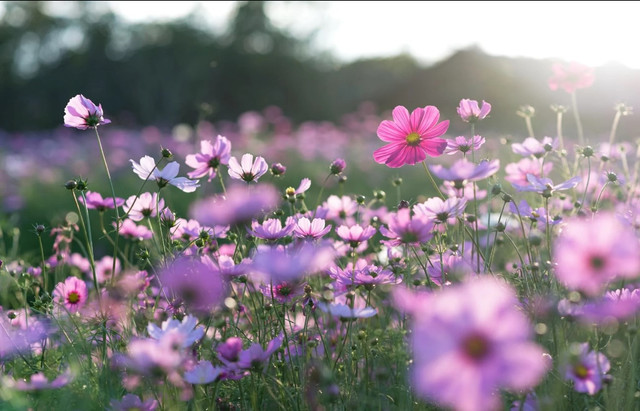

Flowers have inspired names for centuries because they represent beauty, strength, hope, love, and renewal. Across different cultures, flower-inspired names carry deep meanings and often reflect nature’s elegance. Whether parents are searching for a timeless baby name, writers need meaningful character names, or language enthusiasts simply enjoy learning about name origins, floral names offer endless inspiration. Through namestriology, understanding the history and symbolism behind flower names becomes both fascinating and practical. Every bloom tells a story, and every flower-inspired name carries a unique identity shaped by history, language, and tradition.
Why Flower Names Have Lasting Popularity
Flower names remain popular because they combine natural beauty with meaningful symbolism. Unlike many modern naming trends that come and go, floral names have maintained their charm across generations. They often represent positive qualities such as kindness, resilience, happiness, and grace.
Many cultures believe that names influence personality and life experiences. Because flowers symbolize growth and renewal, parents often choose floral names hoping to inspire positivity and success. The growing interest in botanical names has also increased appreciation for their historical roots. Modern naming trends continue embracing classic flower names while introducing lesser-known blossoms from around the world. Using namestriology, people can explore not only the meaning of each flower name but also the cultural significance attached to it throughout history.
Popular Flower Names and Their Meanings
The following table highlights some of the world’s most beloved flower-inspired names along with their meanings and linguistic origins.
| Flower Name | Meaning | Origin | Symbolism |
|---|---|---|---|
| Rose | Love and beauty | Latin | Romance and elegance |
| Lily | Purity | English | Innocence and peace |
| Daisy | Freshness | Old English | Joy and optimism |
| Violet | Modesty | Latin | Wisdom and loyalty |
| Iris | Rainbow | Greek | Hope and communication |
| Jasmine | Fragrant flower | Persian | Beauty and grace |
| Poppy | Peace | Latin | Remembrance and resilience |
| Dahlia | Elegance | Swedish | Strength and creativity |
| Camellia | Perfection | Latin | Devotion and admiration |
| Azalea | Dry earth flower | Greek | Femininity and care |
These timeless names remain favorites because they blend attractive sounds with rich historical meanings. Exploring them through namestriology reveals how each name evolved across different civilizations.
Rose: The Universal Symbol of Love
Among all flower-inspired names, Rose stands as one of the most recognized worldwide. Dating back to Latin origins, Rose has represented romance, beauty, and courage for centuries. The flower itself appears in mythology, literature, royal emblems, and religious traditions.
Parents often choose Rose because of its simplicity and elegance. It works beautifully as a first name, middle name, or part of a longer combination such as Rosemary or Rosalie. Across cultures, roses symbolize affection, appreciation, and emotional strength.
The enduring popularity of Rose comes from its timeless appeal rather than passing trends. Every generation rediscovers its beauty, making it one of the safest yet most meaningful floral names available today. Through namestriology, the deeper symbolism behind Rose becomes even more meaningful when viewed alongside its cultural heritage.
Lily and Daisy: Gentle Yet Powerful Choices
Lily and Daisy are among the friendliest flower names thanks to their soft pronunciation and uplifting symbolism. Lily originates from English traditions and commonly represents purity, innocence, and spiritual growth. It frequently appears in religious artwork and historical literature.
Daisy comes from the Old English expression meaning “day’s eye” because the flower opens with the morning sun. It symbolizes happiness, optimism, and fresh beginnings. These cheerful qualities make Daisy especially popular for children.
Both names have remained fashionable because they balance elegance with simplicity. They are easy to pronounce across many languages while maintaining beautiful symbolic meanings. Families often appreciate how these names reflect kindness, warmth, and positivity without feeling overly formal.
Beautiful Flower Names from Around the World
Many floral names come from languages beyond English, offering wonderful diversity and cultural richness. Some examples include:
- Jasmine from Persian traditions represents elegance and fragrance.
- Sakura from Japan symbolizes cherry blossoms and life’s beauty.
- Lotus from Sanskrit reflects purity and spiritual awakening.
- Fleur from French simply means flower while expressing sophistication.
- Zinnia represents remembrance and lasting friendship.
- Marigold symbolizes warmth, creativity, and positive energy.
These internationally inspired names continue gaining popularity because they celebrate both nature and cultural heritage. Using namestriology helps uncover fascinating stories behind each blossom and the traditions that shaped their meanings.
Rare and Unique Flower Names Worth Exploring
Many people seek names that stand apart from traditional favorites while still carrying meaningful symbolism. Rare floral names provide an excellent balance between originality and elegance.
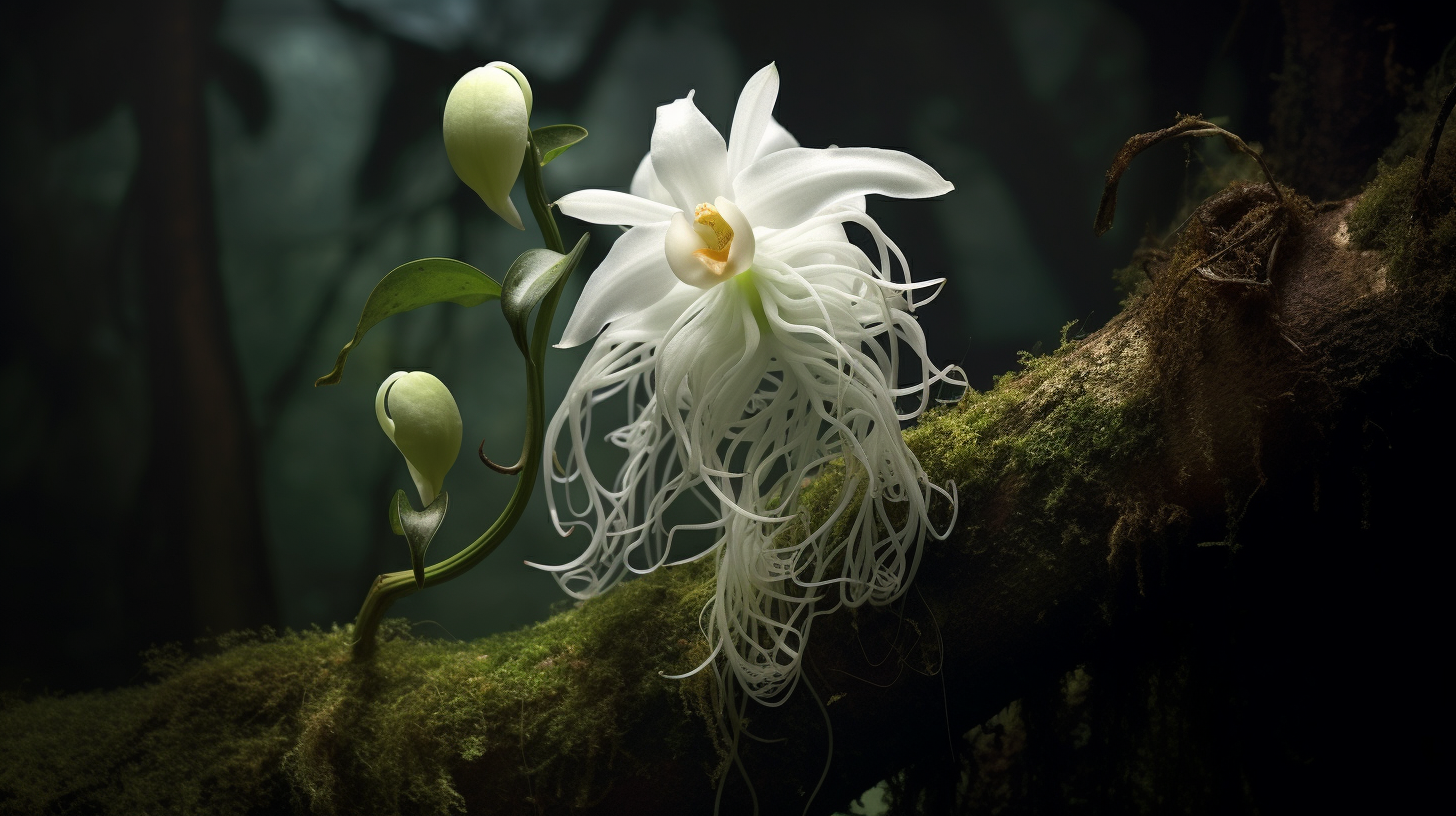
Some distinctive choices include Amaranth, Bluebell, Primrose, Petunia, Clover, Magnolia, Lavender, Hyacinth, Gardenia, and Aster. Although less common, these names possess remarkable histories rooted in mythology, literature, and botanical traditions.
Magnolia, for example, symbolizes dignity and perseverance. Lavender represents calmness and healing, while Primrose often reflects youth and new beginnings. Gardenia is associated with purity and gentle affection.
These uncommon options appeal to parents wanting memorable names without sacrificing beauty or positive meaning. Their uniqueness also makes them excellent choices for fictional characters and creative projects.
Choosing the Right Flower Name
Selecting a flower-inspired name involves more than choosing one that sounds beautiful. Several practical factors help ensure the name remains meaningful for years to come.
Consider these points before making a decision:
- Research the historical origin.
- Understand the symbolic meaning.
- Check pronunciation across different languages.
- Consider nickname possibilities.
- Pair it with the family surname.
- Explore cultural significance.
- Think about long-term appeal.
A thoughtful approach allows the chosen name to reflect personality, values, and family traditions while remaining easy to use throughout life. Resources like namestriology make comparing meanings and origins much easier during this process.
Flower Names in Literature and Culture
Flowers have long inspired poets, artists, authors, and musicians. Their symbolic meanings often influence character names in novels and films. Shakespeare frequently referenced flowers to represent emotions, personalities, and important life events.
Throughout history, different civilizations assigned unique meanings to flowers. Ancient Greeks associated Iris with divine messages, while Romans admired roses for courage and celebration. Eastern cultures often connected lotus flowers with wisdom and enlightenment.
Because of these cultural traditions, flower names continue carrying emotional depth that extends beyond simple beauty. Readers and audiences naturally associate floral names with specific personality traits, making them memorable in storytelling.
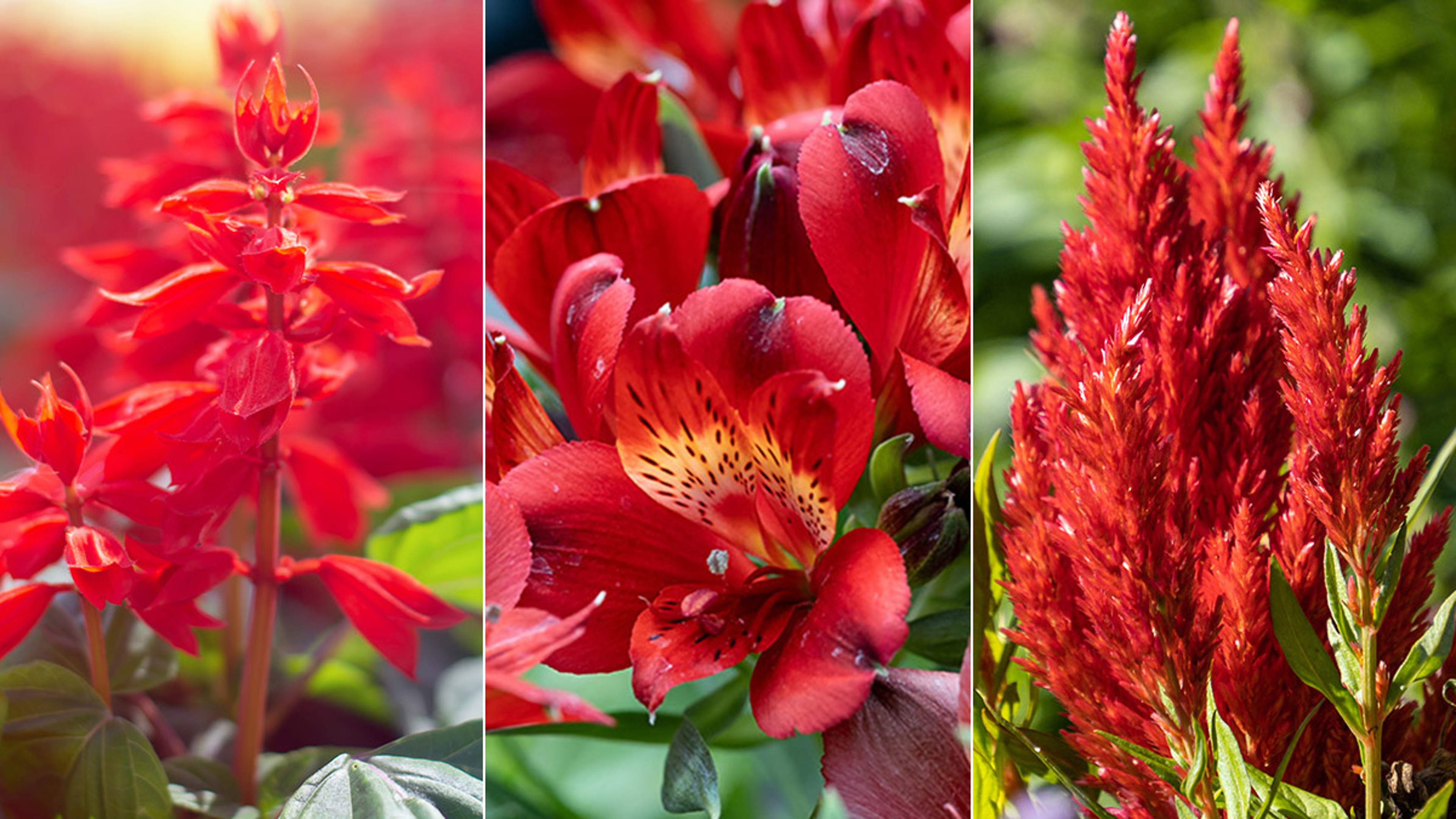
Modern media has further increased interest in flower-inspired names by featuring characters whose names symbolize growth, resilience, kindness, or mystery. These associations help maintain their popularity across generations.
Modern Trends in Flower-Inspired Names
Today’s naming trends combine classic favorites with newly discovered botanical names. Parents increasingly appreciate names connected to nature because they feel timeless rather than trendy.
Current trends include:
- Returning to vintage floral names.
- Choosing uncommon botanical varieties.
- Combining flower names with traditional family names.
- Selecting gender-neutral nature-inspired names.
- Exploring international floral names.
Social appreciation for environmental awareness has also encouraged greater interest in nature-inspired naming traditions. Flower names feel fresh, elegant, and meaningful while remaining deeply connected to the natural world.
Digital naming resources, including namestriology, have made researching floral names easier than ever before. People can compare meanings, pronunciations, origins, and symbolism before making informed decisions.
The Emotional Symbolism Behind Flower Names
Every flower carries emotional associations developed through centuries of tradition. Roses express love, lilies symbolize purity, violets represent loyalty, while poppies remind people of remembrance and hope.
These symbolic meanings often influence how names are perceived. A floral name can communicate warmth, confidence, compassion, creativity, or resilience before someone even speaks. This emotional connection explains why flower-inspired names remain consistently admired around the world.
Unlike many fashionable names that eventually lose popularity, floral names remain connected to timeless natural beauty. Their meanings continue inspiring families because flowers themselves never lose their universal appeal.
Understanding these emotional connections through namestriology helps people appreciate not only how beautiful a name sounds but also the values and traditions it represents.
Conclusion
Flower-inspired names beautifully combine elegance, history, symbolism, and cultural richness. From timeless classics like Rose and Lily to unique choices such as Magnolia and Aster, every floral name tells a meaningful story rooted in nature. Their enduring popularity comes from their positive symbolism, graceful pronunciation, and universal appeal across cultures. Whether you are choosing a baby name, creating fictional characters, or simply exploring the fascinating world of botanical naming traditions, understanding meanings and origins adds lasting value to every choice. With the guidance of namestriology, discovering the stories behind popular flower names becomes an enriching journey that celebrates language, culture, and the timeless beauty of nature.