



Love has always been one of the most fascinating parts of human life. From the excitement of a first crush to the curiosity of discovering whether two people are compatible, romance inspires countless questions. One popular way people explore these questions online is through name-based love compatibility tests. These simple tools offer an entertaining experience by comparing two names and generating a percentage that represents a playful estimate of romantic compatibility. For many people, the result becomes a conversation starter, a reason to laugh with friends, or a fun activity to share with someone special.
A love calculator name test usually asks users to enter their name and the name of another person. After processing the names through a predefined formula or algorithm, the tool displays a compatibility score. Some versions also provide short descriptions about romance, emotional connection, friendship, or potential relationship strengths. Although the results can feel exciting, they should be understood as entertainment rather than a scientific prediction of love. Genuine relationships depend on communication, mutual respect, trust, shared values, and emotional understanding, none of which can be accurately measured by names alone.
As digital entertainment continues to evolve, name-based compatibility games remain appealing because they are quick, accessible, and easy to understand. Whether someone wants to check a crush’s compatibility score or simply enjoy a lighthearted activity with friends, these calculators provide a playful way to explore romantic curiosity without making the experience complicated.
What Is a Love Calculator Name Test?
A name-based love calculator is an online entertainment tool that compares two people’s names to produce a numerical compatibility score. The process is generally straightforward: users enter two names, activate the calculator, and receive a percentage or short interpretation. Depending on the design, the result may suggest a strong connection, moderate compatibility, or an opportunity to learn more about each other. The presentation often uses romantic symbols, colorful designs, hearts, and relationship-themed messages to make the experience enjoyable.
The main attraction is its simplicity. Unlike detailed relationship questionnaires, these calculators typically require little information and provide an immediate result. Someone curious about a new crush can try different combinations, while couples may use the tool for a little entertainment during a conversation. Friends might also compare names simply to see what results appear. However, the score is generated according to the tool’s programming rather than an actual assessment of two people’s feelings. It cannot establish whether someone is attracted to another person, whether a relationship will succeed, or whether two individuals are destined to be together.
How Does a Love Calculator Work?
Most name-based calculators use a programmed formula to transform the names entered by users into a percentage. Some systems assign numerical values to letters, count matching characters, combine the lengths of names, or apply a mathematical operation to the entered text. Other versions use fixed rules that produce a result based on particular letter combinations. The precise method depends on the individual calculator, meaning two different tools can generate different scores for the same pair of names.
For example, imagine that two people enter their names and receive a compatibility score of 82%. The result might be presented as a sign of strong romantic potential. Another calculator could return 64% for exactly the same names because it uses a different formula. This difference demonstrates why these numbers should not be interpreted as reliable measurements. There is no universally accepted scientific formula that calculates romantic compatibility from names. The score is simply part of the game’s design, intended to make the experience engaging and memorable.
Understanding the Calculation Process
A basic calculator may convert letters into numbers and combine them through simple arithmetic. Another might count the frequency of certain letters or use a predetermined scoring pattern. Some tools generate results through repeatable rules, while others may introduce an element of randomness. In each case, the displayed percentage reflects the method used by the software, not a verified psychological connection between the two people.
This distinction matters because a numerical result can appear more meaningful than it actually is. People naturally look for patterns, especially when emotions are involved. If a calculator produces a high score for a crush, the result may feel encouraging. If the score is low, it might create unnecessary disappointment. Understanding the calculation helps users enjoy the activity without allowing an arbitrary number to influence important personal decisions.
Why Are Name-Based Love Calculators So Popular?
One reason these tools remain popular is that romantic curiosity is universal. People often wonder whether someone likes them, whether their personalities might match, or whether a new connection could develop into a relationship. A name-based game offers a quick response to that curiosity without requiring personal questions or complicated explanations. Its playful nature makes it suitable for casual conversations, social gatherings, and moments when someone simply wants a little entertainment.

Another reason is the ease of sharing results. People can compare scores with friends, discuss surprising outcomes, and use the experience as an icebreaker. A high score may become a joke between two people, while an unexpected result can create an amusing conversation. The simplicity also makes the format accessible to users who prefer short interactive experiences rather than lengthy personality assessments. Nevertheless, popularity does not prove accuracy. These calculators are appealing because they make romance feel interactive, not because they can reveal the true future of a relationship.
What Does Your Love Compatibility Percentage Mean?
A compatibility percentage is usually accompanied by an interpretation designed to make the result easier to understand. Different calculators use different scoring ranges, so there is no universal standard for interpreting every percentage. One tool might describe a score of 70% as promising, while another may use a different description. The following table provides an example of how an entertainment calculator might present its results.
| Example score | Possible playful interpretation |
|---|---|
| 90–100% | A fun suggestion of strong romantic chemistry |
| 70–89% | A positive result for conversation and entertainment |
| 50–69% | A reminder that relationships involve getting to know each other |
| 30–49% | An opportunity to laugh about unexpected results |
| 0–29% | A playful result that should not discourage anyone |
These ranges are illustrative rather than scientifically validated. A score of 95% does not mean that two people have a 95% chance of falling in love, and a score of 20% does not indicate that a relationship is unlikely to work. The numbers should be treated as part of the entertainment experience. Real compatibility is influenced by how people communicate, manage disagreements, express affection, respect boundaries, and respond to each other’s needs over time.
How to Use a Love Calculator Name Tool
Using a name-based compatibility game generally takes only a few moments. Most tools follow a similar process, although their layouts and features may differ. The experience is designed to be simple enough for first-time users while still offering an entertaining result.
Start by entering your name in the first field and the other person’s name in the second field. Check that both names are spelled as intended, since some calculators may process individual letters differently. Next, select the calculation option and wait for the percentage or message to appear. Read the interpretation as a playful suggestion rather than a conclusion about the relationship.
For a more enjoyable experience, consider these simple practices:
- Enter the names carefully and follow the calculator’s instructions.
- Treat the percentage as entertainment instead of a prediction.
- Share the result only when the other person is comfortable with the activity.
- Use the experience to start a friendly conversation rather than judge someone’s feelings.
The goal is to enjoy the moment without creating pressure. A calculator should never replace a direct conversation about attraction, intentions, or relationship expectations.
Can a Love Calculator Predict a Real Relationship?
A name-based calculator cannot reliably predict whether two people will fall in love or build a lasting relationship. Names do not provide enough information about personality, emotional maturity, communication habits, or personal values. Even people with similar backgrounds and interests may experience relationship difficulties, while individuals with different personalities can develop strong and supportive partnerships. The success of a relationship depends on many factors that cannot be reduced to a simple numerical score.
Consider two people who receive a 98% result. They might enjoy the excitement of the score, but their relationship will still require honesty, patience, and mutual effort. They may need to discuss expectations, resolve disagreements, and understand each other’s boundaries. Meanwhile, two people who receive a low score might discover that they share important values and communicate exceptionally well. Their real-life connection matters far more than the calculator’s output.
A helpful approach is to use these games as conversation starters. Instead of asking whether the percentage is accurate, people can discuss what makes them feel valued, how they prefer to communicate, or what they appreciate in a partner. Those conversations offer more meaningful insight into compatibility than a name-based formula ever could.
Real Factors That Influence Romantic Compatibility
Although a calculator can create an entertaining experience, real romantic compatibility develops through everyday interactions. One important factor is communication. Partners who can express their feelings honestly, listen carefully, and discuss disagreements without unnecessary hostility are often better equipped to understand each other. Good communication does not mean that two people must agree on everything. It means they can address differences respectfully and work toward solutions that consider both perspectives.
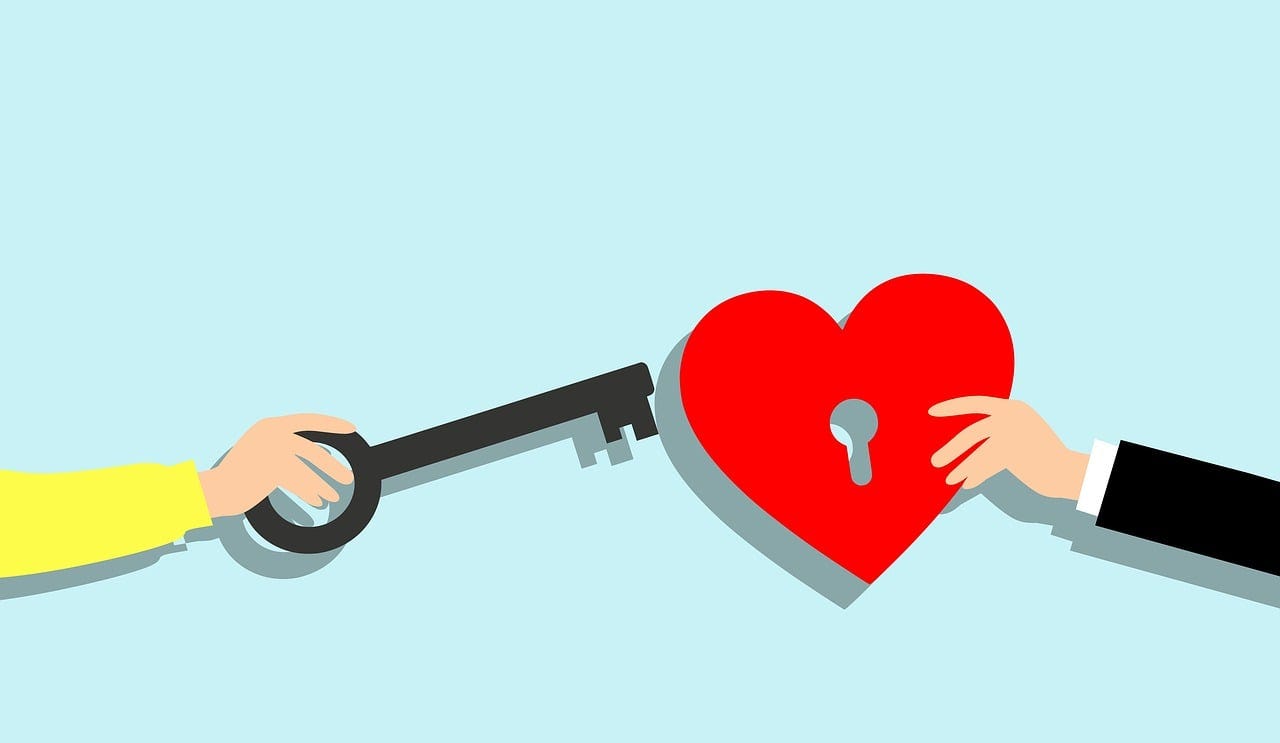
Trust is equally important. Healthy relationships allow people to feel secure, respected, and comfortable expressing themselves. Trust develops through consistent actions, honesty, reliability, and respect for personal boundaries. When promises are kept and concerns are taken seriously, emotional security can grow over time. Shared values also matter because they influence major decisions about family, finances, lifestyle, career priorities, and long-term goals.
Personality differences do not automatically prevent compatibility. One partner may be outgoing while the other prefers quieter activities, yet they can still build a rewarding relationship if they respect each other’s preferences. Similarly, shared hobbies can help people connect, but they are not a guarantee of long-term success. Emotional maturity, adaptability, kindness, and willingness to grow together are often more meaningful indicators of a healthy relationship than surface-level similarities.
Signs of a Healthy Connection
A strong relationship generally involves more than attraction or excitement. Both people should feel free to communicate openly, maintain their individual identities, and express disagreement without fear. They should also respect one another’s time, privacy, friendships, and personal decisions. These qualities help create a foundation where affection can develop into a more stable and meaningful connection.
Healthy relationships also involve shared responsibility. Both partners make an effort to understand each other, apologize when appropriate, and address problems constructively. Progress may not always be smooth, but a willingness to learn and adapt can make a significant difference. Rather than searching for a perfect compatibility score, people can pay attention to whether their interactions consistently demonstrate respect, care, and emotional safety.
Benefits of Using Name-Based Love Calculators for Entertainment
When used with realistic expectations, these calculators can provide a few simple benefits. They offer an easy way to break the ice, encourage playful conversations, and create memorable moments between friends or couples. Someone who feels nervous about discussing romance may find that a lighthearted game provides a natural starting point for a conversation. Couples who have been together for years may also enjoy comparing results simply for amusement.
The experience can also encourage curiosity about relationships. A surprising result may prompt users to think about what they actually value in a partner. Although the calculation itself cannot reveal those qualities, the discussion surrounding it can be useful. For example, two friends might laugh about a low score before talking about the importance of honesty, humor, and shared interests. In this way, the entertainment can lead to a more meaningful discussion, provided everyone understands that the number is not an objective judgment.
It is also important to respect privacy. Users should avoid entering sensitive personal information into unfamiliar tools, especially when a calculator requests details beyond basic names. Reading privacy notices and understanding how information is handled can help people make informed choices. A simple entertainment game should not require passwords, financial information, private messages, or other sensitive data.
Common Misconceptions About Love Calculator Results
One common misconception is that a high percentage proves two people are meant to be together. This belief can be tempting when someone already has strong feelings for another person. However, a calculator cannot verify mutual attraction, predict future behavior, or establish whether a relationship will remain healthy. A high score may be exciting, but it does not replace genuine communication or personal experience.
Another misconception is that a low score signals romantic failure. People sometimes interpret disappointing results as a warning that they should avoid someone. That conclusion gives an arbitrary number too much importance. A relationship should be evaluated through actual interactions, including how both people treat one another and whether they share compatible expectations. Similarly, repeating the calculation until a preferred score appears does not provide stronger evidence. It only changes the entertainment experience.
Some users also assume that all calculators follow the same rules. In reality, the algorithms and interpretations can vary considerably. Because there is no universal method for measuring love through names, the same combination may produce different results across tools. Recognizing these limitations allows users to enjoy the activity without mistaking its presentation for scientific evidence.
How Technology Is Changing Online Romance Games
Digital entertainment has become more interactive, personalized, and visually engaging. Modern romance-themed games may include animated effects, instant results, customized messages, and options to compare multiple name combinations. Some experiences focus entirely on a percentage, while others add quizzes or questions about preferences to create a more involved activity. These features can make online games feel more personal, even when the underlying results remain intended for entertainment.
As users become more familiar with digital tools, understanding the difference between personalization and accuracy becomes increasingly important. A colorful interface or detailed description does not necessarily mean that a calculator uses reliable relationship research. Even a sophisticated-looking result may be generated by simple rules. Users should therefore evaluate digital romance games according to what they actually offer: an enjoyable experience, a conversation starter, or a brief moment of curiosity.
Technology can support relationships in other, more practical ways as well. Video calls, messaging platforms, shared calendars, and online activities can help people stay connected across distances. These tools do not guarantee compatibility, but they can make communication and shared experiences easier. Ultimately, technology is most useful when it supports real human connection rather than attempting to replace it.
Conclusion
A love calculator name test offers a simple and entertaining way to explore romantic curiosity. By entering two names and receiving a compatibility percentage, users can enjoy a playful experience that may inspire laughter, conversation, or a little excitement about someone special. Its popularity comes from its simplicity, accessibility, and ability to turn an ordinary question about romance into an interactive activity.
However, the result should always be understood in the right context. A numerical score cannot measure genuine affection, establish mutual interest, or predict the future of a relationship. Real compatibility develops through trust, communication, respect, shared values, emotional understanding, and consistent effort from both people. These qualities become visible through everyday behavior, not through the spelling of names or the output of an algorithm.
Ultimately, the best way to approach a love calculator name experience is to enjoy the result without allowing it to define your romantic decisions. Use it as a fun conversation starter, remain open to getting to know people naturally, and focus on the qualities that make relationships healthy and rewarding. Whether the calculator displays a high percentage or a surprisingly low one, genuine connection is built through the choices people make and the care they show each other.