


Introduction
Indian geography is filled with fascinating landscapes, from the towering Himalayas in the north to the vast coastal regions in the south. Among the many geographical topics that students, travelers, and knowledge enthusiasts encounter, one common question frequently appears: name the group of island lying in the arabian sea.
The answer is Lakshadweep.
While many people know this answer from school textbooks and competitive examinations, few truly understand the significance of these islands. Lakshadweep is not merely a collection of small islands scattered across the Arabian Sea. It is a region rich in history, biodiversity, culture, and economic importance. These islands play a crucial role in India’s maritime presence and environmental conservation efforts.
The beauty of Lakshadweep attracts tourists from around the world. Crystal-clear lagoons, colorful coral reefs, pristine beaches, and diverse marine life make it one of India’s most remarkable natural treasures. At the same time, the islands provide valuable insights into coastal ecosystems and sustainable living.
In this detailed guide, we will explore everything about Lakshadweep, including its location, formation, history, culture, economy, environmental importance, tourism potential, and future prospects. By the end of this article, you will not only know how to answer the question name the group of island lying in the arabian sea, but also understand why these islands are so important.
Quick Answer
| Question | Answer |
|---|---|
| Name the group of island lying in the Arabian Sea | Lakshadweep |
| Administrative Status | Union Territory of India |
| Capital | Kavaratti |
| Total Islands | 36 |
| Inhabited Islands | 10 |
| Main Language | Malayalam |
| Famous For | Coral Reefs and Lagoons |
What Is Lakshadweep?
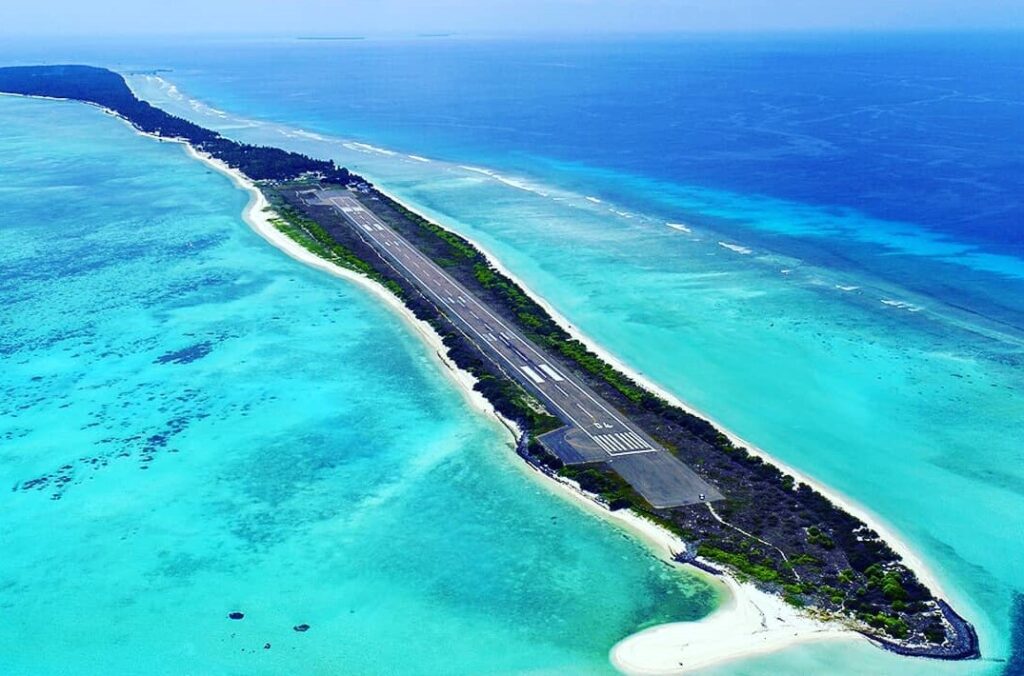
Lakshadweep is India’s smallest Union Territory by land area. Situated off the southwestern coast of India, the islands are located in the Arabian Sea and lie approximately 220 to 440 kilometers from Kerala’s coastline.
The name Lakshadweep comes from Sanskrit and translates to “one hundred thousand islands.” Although the territory does not literally contain one hundred thousand islands, the name reflects the historical perception of a vast island region.
The territory consists of 36 islands, atolls, reefs, and submerged banks. Out of these, only 10 islands are permanently inhabited. Despite their small land area, the islands cover an extensive marine zone that is ecologically and strategically important.
When students are asked to name the group of island lying in the arabian sea, Lakshadweep is the answer because this island chain is the most prominent group located within India’s territorial waters in the Arabian Sea.
Geographical Location and Physical Features
Lakshadweep occupies a unique position in the Arabian Sea. Its islands are scattered over a large area and are separated by vast stretches of water.
Unlike mountainous or volcanic islands found elsewhere in the world, Lakshadweep is composed primarily of coral formations. These coral islands are among the most fragile ecosystems on Earth and require careful conservation.
The islands are characterized by:
- White sandy beaches
- Shallow lagoons
- Coral reefs
- Coconut groves
- Clear turquoise waters
The capital city, Kavaratti, serves as the administrative headquarters and is known for its scenic beauty and peaceful atmosphere.
The terrain is mostly flat, with elevations only a few meters above sea level. This low elevation makes the islands particularly vulnerable to climate change and rising sea levels.
How Were the Lakshadweep Islands Formed?
One of the most interesting aspects of Lakshadweep is its formation.
Millions of years ago, underwater volcanic activity created elevated structures beneath the ocean surface. Over time, coral polyps began growing around these submerged formations. As generations of coral organisms lived and died, their calcium carbonate skeletons accumulated.
Gradually, coral reefs developed into atolls and islands.
Stages of Formation
| Stage | Description |
|---|---|
| Volcanic Base | Underwater volcanic structures form |
| Coral Growth | Coral colonies develop around the structure |
| Reef Development | Large coral reefs emerge |
| Island Formation | Sand and organic matter accumulate |
| Mature Island | Stable coral island develops |
This process took thousands of years and resulted in the breathtaking islands seen today.
Historical Background of Lakshadweep
The history of Lakshadweep stretches back many centuries.
Ancient maritime traders traveling between India, Arabia, and East Africa frequently crossed the Arabian Sea. Due to their strategic location, the islands became important stopping points for sailors and merchants.
Historical evidence suggests that people inhabited these islands long before modern administration was established. The islands maintained close cultural and trade relationships with Kerala and the Malabar Coast.
Islam reached Lakshadweep through peaceful interactions with Arab traders. Over time, Islamic traditions became deeply integrated into local culture.
During different historical periods, the islands came under the influence of regional rulers, including local chiefs and South Indian kingdoms. Later, British colonial authorities exercised control over the islands.
After India’s independence in 1947, Lakshadweep became part of the Republic of India and eventually gained Union Territory status.
Why Lakshadweep Is Important to India
Understanding the significance of Lakshadweep helps explain why the question name the group of island lying in the arabian sea carries more importance than it may initially seem.
Strategic Importance
The islands strengthen India’s presence in the Arabian Sea. Their location allows India to monitor important maritime routes used for international trade.
Since a large portion of global commerce travels through nearby sea lanes, Lakshadweep contributes significantly to maritime security and defense planning.
Economic Importance
The islands support industries such as fishing, coconut cultivation, and tourism. These sectors provide employment and contribute to local economic growth.
Environmental Importance
Lakshadweep’s coral reefs are among India’s most valuable marine ecosystems. They support biodiversity, protect coastlines, and contribute to scientific research.
The Culture of Lakshadweep
Culture in Lakshadweep reflects centuries of interaction between local traditions and external influences.
The majority of residents follow Islam, and cultural practices often blend religious values with regional customs.
Malayalam is widely spoken across most islands, while the people of Minicoy Island speak Mahl, a language related to the language spoken in the Maldives.
Life on the islands revolves around community relationships, fishing activities, religious celebrations, and traditional arts.
Music and dance remain important cultural expressions. Folk performances often accompany festivals and social gatherings.
The simplicity of island life has helped preserve many traditions that have disappeared in more urbanized regions.
Major Islands of Lakshadweep
Each island in Lakshadweep has unique characteristics.
Kavaratti
Kavaratti is the capital and administrative center. It is famous for beautiful lagoons and marine biodiversity.
Agatti
Agatti serves as the primary gateway for visitors because it contains the territory’s airport.
Minicoy
Minicoy is culturally distinct and known for its lighthouse, fishing traditions, and unique language.
Kadmat
Kadmat attracts adventure enthusiasts interested in diving and water sports.
Kalpeni
Kalpeni is renowned for picturesque lagoons and coral debris formations.
Andrott
Andrott is the largest inhabited island and has significant historical importance.
Tourism in Lakshadweep
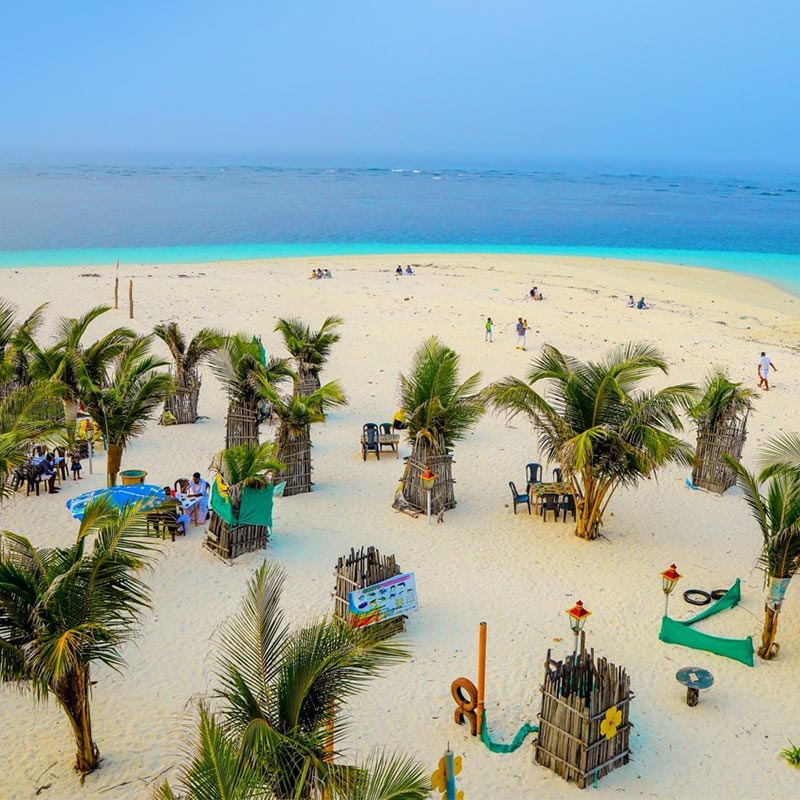
Tourism has become one of the most promising sectors in Lakshadweep.
Unlike overcrowded tourist destinations, these islands offer tranquility and unspoiled natural beauty.
Visitors often describe Lakshadweep as a tropical paradise. The transparent waters allow tourists to observe marine life directly from boats or beaches.
Popular activities include scuba diving, snorkeling, kayaking, swimming, fishing, and lagoon cruises.
The islands are particularly attractive to eco-tourists who seek sustainable travel experiences.
Government regulations help control visitor numbers, ensuring that tourism development remains environmentally responsible.
Marine Biodiversity and Coral Reefs
One of Lakshadweep’s greatest assets is its marine ecosystem.
The coral reefs support thousands of marine organisms and contribute significantly to ocean health.
Marine Life Found Around Lakshadweep
| Category | Species Examples |
|---|---|
| Fish | Tuna, Butterflyfish, Angelfish |
| Reptiles | Green Sea Turtle |
| Mammals | Dolphins |
| Corals | Hard Coral, Soft Coral |
| Crustaceans | Crabs and Lobsters |
The biodiversity of these waters makes Lakshadweep an important site for marine research.
Scientists continue studying the region to better understand coral ecosystems and climate change impacts.
Climate and Weather Conditions
Lakshadweep experiences a tropical maritime climate.
Temperatures remain relatively stable throughout the year, generally ranging from 25°C to 32°C.
Seasonal Overview
| Season | Duration |
|---|---|
| Summer | March to May |
| Monsoon | June to September |
| Post-Monsoon | October to November |
| Winter | December to February |
Winter is considered the best season for tourism because weather conditions are pleasant and sea activities are more accessible.
Economy of Lakshadweep
The economy is largely dependent on natural resources and marine activities.
Fishing remains the backbone of local livelihoods. Tuna is the most important commercial fish species harvested in the region.
Coconut cultivation is another major economic activity. Coconut products contribute significantly to local income.
Tourism is gradually expanding and creating new employment opportunities in hospitality, transportation, and recreation.
Government support programs continue to improve infrastructure and economic development while maintaining environmental sustainability.
Environmental Challenges Facing Lakshadweep
Despite its natural beauty, Lakshadweep faces serious environmental challenges.
Climate Change
Rising sea levels threaten low-lying islands throughout the world, including Lakshadweep.
Coral Bleaching
Increased ocean temperatures can stress coral reefs, causing bleaching and ecosystem damage.
Coastal Erosion
Changing weather patterns and stronger waves contribute to shoreline loss.
Waste Management Issues
Managing waste effectively is essential because small islands have limited disposal capacity.
Environmental protection measures have become increasingly important to ensure the long-term survival of these ecosystems.
Lakshadweep’s Role in India’s Future
As India expands its maritime capabilities and blue economy initiatives, Lakshadweep’s importance is expected to increase.
The islands contribute to:
- Maritime security
- Sustainable fisheries
- Ocean research
- Coastal monitoring
- Tourism growth
Investment in infrastructure, renewable energy, and digital connectivity may further strengthen the region’s development while preserving ecological balance.
Educational Importance of Lakshadweep
Questions like name the group of island lying in the arabian sea frequently appear in school examinations, competitive tests, and quiz competitions.
Understanding Lakshadweep helps students learn about:
- Indian geography
- Coral ecosystems
- Maritime trade
- Climate change
- Biodiversity conservation
This makes the topic educationally valuable beyond simple memorization.
Interesting Facts About Lakshadweep
Lakshadweep contains only 36 islands but occupies a vast marine area.
The islands are entirely coral-based, making them unique within India.
Only ten islands are inhabited by permanent residents.
The literacy rate is among the highest in the country.
The islands are surrounded by some of the most beautiful lagoons in the Indian Ocean region.
Fishing and coconut cultivation remain deeply connected to everyday life.
Many visitors compare the scenery to world-famous tropical destinations.
Lakshadweep vs Andaman and Nicobar Islands

Many students confuse Lakshadweep with the Andaman and Nicobar Islands.
| Feature | Lakshadweep | Andaman & Nicobar |
|---|---|---|
| Sea | Arabian Sea | Bay of Bengal |
| Origin | Coral | Volcanic & Continental |
| Capital | Kavaratti | Port Blair |
| Number of Islands | 36 | 500+ |
| Location | Western India | Eastern India |
Understanding this distinction is essential for geography studies.
Conclusion
If you are ever asked to name the group of island lying in the arabian sea, the answer is Lakshadweep. However, the true significance of Lakshadweep goes far beyond a simple geography question.
These islands represent a unique combination of natural beauty, cultural heritage, ecological richness, and strategic value. Their coral reefs support diverse marine life, their people preserve centuries-old traditions, and their location strengthens India’s maritime presence in the Arabian Sea.
Lakshadweep also serves as a reminder of the importance of environmental conservation. As climate change and rising sea levels continue to challenge coastal ecosystems, protecting these islands becomes increasingly important.
Whether viewed from a geographical, historical, environmental, or tourism perspective, Lakshadweep remains one of India’s most fascinating and valuable regions. Learning about these islands not only helps answer examination questions but also deepens our understanding of India’s natural and cultural diversity.
Frequently Asked Questions
1. Name the group of island lying in the Arabian Sea.
The group of islands lying in the Arabian Sea is Lakshadweep.
2. Where is Lakshadweep located?
Lakshadweep is located in the Arabian Sea off the southwestern coast of India near Kerala.
3. How many islands are in Lakshadweep?
Lakshadweep consists of 36 islands, reefs, and atolls.
4. What is the capital of Lakshadweep?
Kavaratti serves as the capital of Lakshadweep.
5. Why is Lakshadweep famous?
It is famous for coral reefs, lagoons, marine biodiversity, beaches, and water sports.
6. Which language is spoken in Lakshadweep?
Malayalam is the primary language, while Mahl is spoken in Minicoy.
7. What is the main occupation of the people?
Fishing, coconut cultivation, and tourism are the primary occupations.
8. Why are coral reefs important in Lakshadweep?
Coral reefs support marine biodiversity, protect coastlines, and contribute to ecological balance.
Read More:-