



Learning the names of different body parts is an important step toward understanding the human body. From the head and eyes to the hands, legs, and internal organs, every part has a specific structure and function that helps us perform everyday activities. Children learn these names during their early education, while students, parents, teachers, and language learners often use them to improve their vocabulary and knowledge of human anatomy. Understanding the body also makes it easier to communicate about movement, personal care, and general health.
The human body is a complex biological system in which different parts work together to maintain life. Some body parts help us see, hear, speak, and recognize our surroundings, while others support movement, digestion, breathing, and circulation. Although we can easily see external parts such as the nose, ears, fingers, and feet, many essential structures are located inside the body. Learning the names of these parts and understanding their basic functions provides a useful foundation for science education and everyday communication.
What Are the Main Parts of the Human Body?
The human body is commonly divided into three main external regions: the head, the trunk, and the limbs. The head contains the brain and important sensory organs, including the eyes, ears, nose, and tongue. The trunk includes the chest, abdomen, back, and pelvis, which contain or protect several vital organs. The limbs consist of the arms and legs, which allow us to reach, hold objects, walk, run, and maintain balance. Each region contains many smaller structures that contribute to the body’s overall functioning.
When studying body parts name, it is helpful to understand that external structures and internal organs serve different but connected purposes. For example, the skin protects the body from many environmental hazards, while muscles generate the force needed for movement. Bones provide support, and joints allow different bones to move in relation to one another. Internal organs such as the heart, lungs, and stomach perform essential functions that cannot be completed by external structures alone. Together, these parts form an organized system that allows the human body to survive and adapt to different activities.
External Body Parts and Their Names
External body parts are the structures that can generally be seen or felt from outside the body. They are important for movement, communication, sensation, and protection. Learning their names helps children describe themselves, follow instructions, understand basic health information, and communicate more clearly with others. These parts also provide useful examples when studying how the human body interacts with its environment.
Head and Face
The head is one of the most important regions of the body because it contains the brain and several sensory organs. The face includes the forehead, eyebrows, eyes, ears, nose, cheeks, mouth, lips, and chin. The eyes help us recognize colors, shapes, movement, and distance. The ears are responsible for hearing and also contribute to balance. The nose detects odors and provides a passage for air during breathing, while the mouth is essential for eating, drinking, speaking, and expressing emotions.
Other parts of the head and face also have important functions. The teeth help cut and grind food, while the tongue supports taste, speech, and the movement of food during chewing. Eyelids protect the eyes and spread tears across their surfaces, helping keep them moist. Eyebrows help redirect sweat away from the eyes, and eyelashes can help catch small particles. These structures may appear simple, but they work together to support everyday activities and protect sensitive areas.
Neck, Shoulders, and Chest
The neck connects the head to the trunk and allows the head to turn, bend, and maintain different positions. It also contains important structures, including the airway, food passage, blood vessels, and muscles. The shoulders connect the arms to the trunk and provide a wide range of movement. This flexibility makes activities such as lifting, reaching, writing, and throwing possible. The chest protects vital organs, especially the heart and lungs, with the rib cage providing a strong but flexible framework.
The chest also plays an important role in breathing. During inhalation, the diaphragm contracts and helps expand the chest cavity, allowing the lungs to fill with air. During exhalation, the process reverses as air moves out of the lungs. The upper chest, collarbones, breastbone, and ribs contribute to the structure and protection of this region. These body parts demonstrate how bones, muscles, and organs cooperate to support essential functions.
Arms, Hands, and Fingers
The arms are used for lifting, carrying, reaching, pushing, and pulling. Their major regions include the upper arm, elbow, forearm, and wrist. The elbow acts as a joint that allows the arm to bend and straighten, while the wrist provides flexibility for hand movements. The hands are especially important because they allow humans to perform precise tasks, from holding a pencil and operating a phone to preparing food and creating artwork.
Each hand usually has five digits: four fingers and one thumb. The thumb’s ability to move across the palm makes gripping and manipulating objects easier. Fingertips contain sensory receptors that help us detect pressure, texture, and other physical details. Fingernails protect the tips of the fingers and toes and can assist with small tasks such as picking up thin objects. The coordinated movement of the hands depends on bones, muscles, tendons, nerves, and joints working together.
Legs, Feet, and Toes
The legs support body weight and enable standing, walking, running, jumping, and climbing. Their main external regions include the thighs, knees, lower legs, ankles, and feet. The knee is a major joint that allows the leg to bend and straighten, while the ankle helps control foot movement. Strong muscles in the thighs and lower legs contribute to movement and stability, and the bones provide the structural support needed to carry the body’s weight.
The feet help distribute body weight and maintain balance during movement. Each foot generally contains five toes, which contribute to stability and help the body adjust to different surfaces. The heel supports weight during standing and walking, while the sole provides contact with the ground. Properly functioning feet are essential for comfortable movement, especially during activities that involve prolonged standing or walking.
A Table of Common Body Parts and Their Functions
The following table provides a simple overview of commonly known body parts and their primary functions.
| Body part | Main function |
|---|---|
| Brain | Controls and coordinates many body activities |
| Eyes | Help us see our surroundings |
| Ears | Support hearing and balance |
| Nose | Detects smells and provides an airway |
| Mouth | Helps with eating, speaking, and drinking |
| Heart | Pumps blood throughout the body |
| Lungs | Exchange oxygen and carbon dioxide |
| Stomach | Helps break down food |
| Hands | Support gripping and precise movements |
| Legs | Support standing and movement |
| Feet | Help maintain balance and support body weight |
| Skin | Protects the body and detects sensations |
Internal Body Parts and Their Importance
Internal body parts are located inside the body and perform essential functions that keep us alive. Many cannot be seen without medical imaging or surgery, but their activities affect nearly every aspect of daily life. These structures include the brain, heart, lungs, liver, kidneys, stomach, and intestines. Each organ has a specialized role, and many organs work together as part of larger systems. For example, the digestive system processes food, while the circulatory system transports oxygen and nutrients to cells.
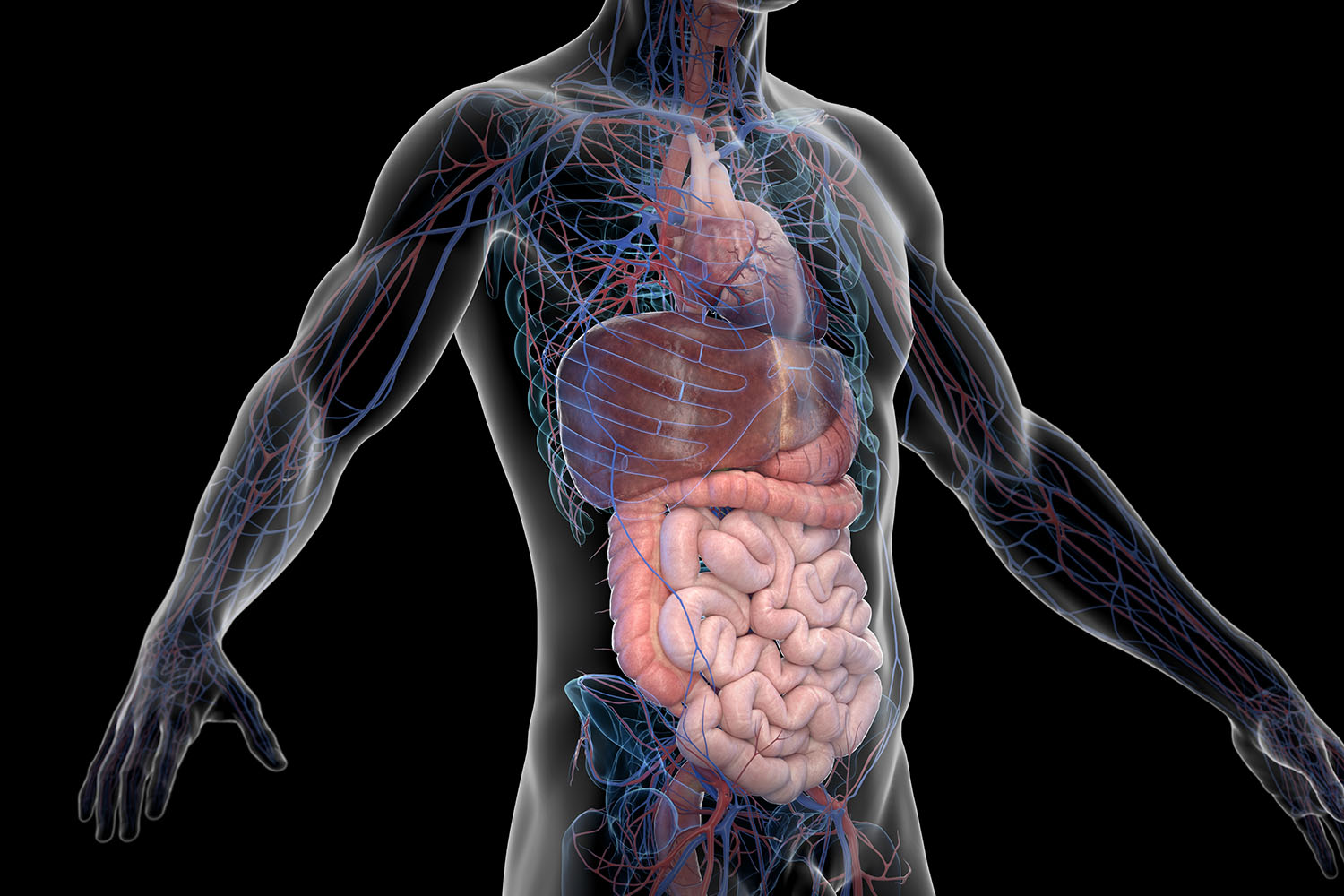
Understanding body parts name also involves learning about the organs that maintain essential body functions. The heart circulates blood, the lungs exchange gases, and the kidneys filter waste from the blood to produce urine. The liver processes nutrients, produces important substances, and helps break down certain harmful compounds. The intestines absorb nutrients and water, while the brain processes information and coordinates many activities. These organs depend on one another, which is why damage or illness affecting one system can sometimes influence other parts of the body.
Brain and Nervous System
The brain is the main control center of the nervous system. It receives information from sensory organs, processes signals, supports memory and learning, and helps regulate movement and behavior. Different regions of the brain have different responsibilities, including interpreting sensory information, controlling voluntary movement, and supporting language and reasoning. The spinal cord connects the brain with nerves throughout the body and carries signals between the central nervous system and other structures.
Nerves extend into muscles, skin, and organs, allowing the body to detect changes and respond appropriately. For instance, touching a hot surface can trigger a rapid protective response that helps limit injury. The nervous system also helps regulate automatic functions such as breathing patterns and aspects of heart activity. Its communication network makes it possible to coordinate complex movements and respond to the environment.
Heart and Circulatory System
The heart is a muscular organ located in the chest, slightly to the left of the body’s midline. Its main job is to pump blood through a network of blood vessels. Blood carries oxygen and nutrients to tissues and transports carbon dioxide and other waste products away from them. The circulatory system consists of the heart, blood, arteries, veins, and capillaries, all of which contribute to the continuous movement of blood.
Arteries generally carry blood away from the heart, while veins carry blood toward it. Capillaries are tiny vessels where oxygen, nutrients, and waste products can move between blood and surrounding tissues. The circulatory system also contributes to temperature regulation, immune defense, and the transport of hormones. Regular physical activity, adequate sleep, and a balanced diet can support cardiovascular health.
Lungs and Respiratory System
The lungs are the primary organs of the respiratory system. They allow oxygen from inhaled air to enter the bloodstream and help remove carbon dioxide produced by cells. Air travels through the nose or mouth, down the airway, and into branching passages that reach tiny air sacs in the lungs. These air sacs provide a large surface area for gas exchange, making breathing an essential process for maintaining the body’s energy supply.
The respiratory system works closely with the circulatory system. After oxygen enters the blood, the heart pumps it to tissues throughout the body. Carbon dioxide then travels back to the lungs, where it is released during exhalation. Clean air, avoiding tobacco smoke, and following appropriate medical advice for respiratory symptoms can help protect lung health.
Stomach, Intestines, Liver, and Kidneys
The digestive system breaks food into smaller substances that the body can absorb and use. Digestion begins in the mouth, where chewing and saliva help prepare food for swallowing. The stomach mixes food with digestive juices, and the small intestine absorbs most nutrients. The large intestine absorbs additional water and helps form stool. These organs work together to provide the body with energy and materials needed for growth and repair.
The liver and kidneys perform other important tasks. The liver processes nutrients, produces bile for fat digestion, and makes proteins that support essential bodily functions. The kidneys filter blood, balance water and electrolytes, and remove waste through urine. Although their roles differ, these organs contribute to maintaining a stable internal environment. Drinking enough water according to individual needs and following a balanced eating pattern can support normal body functions.
Major Body Systems and the Parts They Include
The human body is organized into systems that work together rather than operating independently. The skeletal system provides support and protects organs, while the muscular system creates movement. The digestive system processes food, and the respiratory system supplies oxygen. The circulatory system transports substances, and the nervous system coordinates responses. Other systems, including the endocrine, immune, urinary, and reproductive systems, also contribute to growth, defense, regulation, and reproduction.

For students learning body parts name, connecting individual structures to their body systems makes the information easier to understand and remember. The ribs, for example, belong to the skeletal system and protect organs in the chest. The biceps muscle helps bend the elbow, while nerves carry signals that coordinate its activity. Similarly, the lungs and heart work together to deliver oxygen to the body’s tissues. These relationships demonstrate that anatomy is not simply a collection of separate names; it is the study of connected structures and their functions.
How to Learn and Remember Body Parts Name
Learning body parts can be simple when information is organized into manageable groups. Children can begin with familiar external parts, such as the head, eyes, nose, mouth, arms, hands, legs, and feet. Once these names become familiar, they can move on to smaller structures and internal organs. Pictures, labeled diagrams, classroom activities, and simple identification games can make learning more engaging. Adults learning English can also practice by naming body parts during everyday activities.
A practical approach is to combine visual learning with repetition and examples. Instead of memorizing a long list in one sitting, learners can study one region at a time and explain what each part does. For example, they might identify the elbow as the joint connecting the upper arm and forearm or explain that the lungs help the body exchange gases. Short review sessions and simple questions can strengthen recall without making the process overwhelming.
Some helpful learning methods include:
- Use a labeled human body diagram to identify external and internal structures.
- Group names by region, such as the head, trunk, arms, and legs.
- Practice describing the basic function of each part in simple sentences.
- Review a few new names daily and revisit previously learned terms.
These methods are suitable for home learning, classroom lessons, and basic science revision. Teachers and parents can adapt the difficulty according to the learner’s age and knowledge. Younger children may focus on identifying visible parts, while older students can learn anatomical terms and understand how organs work together.
The Importance of Knowing Body Parts for Everyday Life
Knowing the names of body parts is useful beyond school lessons. It helps people describe discomfort, understand basic medical instructions, and communicate more accurately with healthcare professionals. For example, describing whether pain occurs in the wrist, elbow, shoulder, or forearm provides more precise information than simply saying that the arm hurts. Recognizing anatomical terms can also help people understand educational material about exercise, nutrition, hygiene, and general well-being.
Body awareness is equally valuable for personal safety and healthy habits. Understanding that muscles, bones, and joints work together can encourage people to use proper movement techniques during exercise and daily activities. Knowing the location of major organs can also make health education easier to follow. However, learning anatomy does not replace professional medical advice; persistent pain, breathing difficulties, or other concerning symptoms should be evaluated by an appropriate healthcare professional.
Conclusion
Learning body parts name provides a strong foundation for understanding human anatomy, improving vocabulary, and recognizing how the body functions. From the head, face, hands, and feet to internal organs such as the brain, heart, lungs, liver, and kidneys, every structure contributes to the body’s ability to move, sense, communicate, and maintain life. Understanding these parts becomes easier when they are organized by region and connected to their primary functions.