

.jpg "Vegetables Name: A Complete Guide to Common and Healthy Vegetables")
.jpg&description=Discover common vegetables name with their benefits, uses, nutrients, and easy ways to include vegetables in everyday meals.)
Vegetables are an important part of a balanced diet because they provide essential vitamins, minerals, fiber, antioxidants, and other nutrients. From leafy greens and root vegetables to gourds, beans, and cruciferous varieties, every vegetable can bring different nutritional qualities to a meal. Learning different vegetables name can also make grocery shopping, meal planning, and healthy cooking easier. Some vegetables are commonly eaten raw in salads, while others are better suited to steaming, roasting, boiling, stir-frying, or making curries and soups. In India and many other countries, vegetables are used in a wide variety of traditional dishes, making them an accessible source of nutrition. A colorful plate containing several kinds of vegetables can provide a broader range of nutrients and make everyday meals more interesting.
Why Vegetables Are Important for Everyday Nutrition
Vegetables are naturally rich in nutrients while many varieties are relatively low in calories. Their fiber content can support normal digestion and contribute to a feeling of fullness. Leafy vegetables can provide nutrients such as folate, vitamin K, and carotenoids, while colorful vegetables may contain vitamin C and various antioxidant compounds. Root vegetables can provide carbohydrates and minerals, and legumes such as green peas and beans contribute protein along with fiber.
Including a variety of vegetables name in your regular meals is generally more useful than depending on only one or two favorites. Different vegetables contain different combinations of nutrients, so variety helps create a more balanced eating pattern. Seasonal vegetables can also be a practical choice because they are often readily available and can add freshness and diversity to home cooking.
Common Vegetables Name
There are hundreds of edible vegetables available around the world, with differences in appearance, flavor, texture, and nutritional composition. Some are familiar in everyday cooking, while others are used mainly in particular regions or cuisines.
Here are some commonly known vegetables:
- Potato
- Tomato
- Onion
- Carrot
- Radish
- Beetroot
- Spinach
- Cabbage
- Cauliflower
- Broccoli
- Capsicum
- Brinjal
- Okra
- Green peas
- Green beans
- Cucumber
- Pumpkin
- Bottle gourd
- Bitter gourd
- Ridge gourd
- Sweet corn
- Turnip
- Sweet potato
- Zucchini
- Mushroom
- Garlic
- Ginger
This broad list demonstrates how many choices are available when selecting vegetables for everyday meals. Each variety has a distinctive taste and can be prepared in different ways.
Leafy Green Vegetables
Leafy vegetables are popular because they can be added to curries, soups, salads, sandwiches, smoothies, and other dishes. Spinach, fenugreek leaves, mustard greens, kale, lettuce, and amaranth are examples of leafy vegetables.
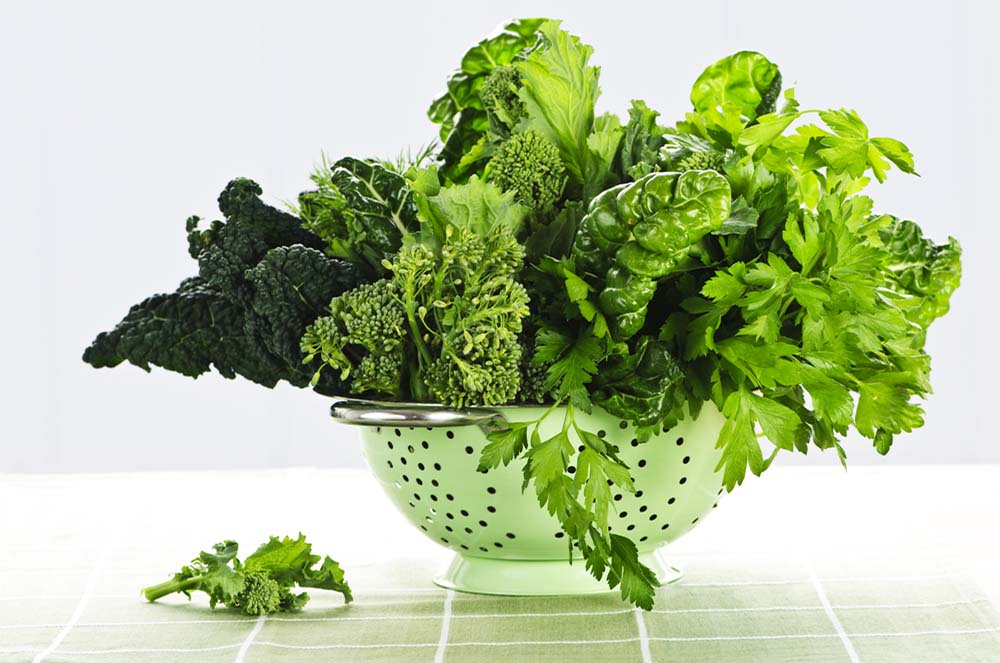
Spinach is particularly versatile and can be cooked with lentils, blended into soups, or used in vegetable preparations. Leafy greens commonly provide fiber and several micronutrients. Their green color is associated with plant pigments such as chlorophyll, while many varieties also contain carotenoids and other beneficial plant compounds.
When choosing vegetables name for a healthy meal plan, leafy greens deserve regular attention. They can add volume and nutritional variety without requiring complicated recipes. Washing them thoroughly and preparing them appropriately can help maintain their quality and make them easier to incorporate into meals.
Root Vegetables
Root vegetables grow underground and include carrots, radishes, beetroots, turnips, potatoes, and sweet potatoes. They differ significantly in taste and nutritional composition. Carrots are naturally rich in carotenoids, while beetroot contains naturally occurring plant compounds that contribute to its distinctive color.
Potatoes and sweet potatoes are commonly used as sources of carbohydrates and can be boiled, roasted, baked, or incorporated into various dishes. Radishes and turnips have a sharper flavor and can be eaten raw or cooked.
Root vegetables are useful for adding different textures and flavors to meals. Rather than preparing them in only one way, experimenting with roasting, steaming, soups, and mixed vegetable dishes can make them more appealing.
Cruciferous Vegetables
Cruciferous vegetables include cabbage, cauliflower, broccoli, Brussels sprouts, and related varieties. They are recognized for their distinctive flavors and contain fiber, vitamins, minerals, and various naturally occurring plant compounds.
Broccoli can be steamed, roasted, stir-fried, or added to soups. Cauliflower is equally versatile and can be used in curries, roasted dishes, soups, and mixed preparations. Cabbage can be eaten raw in salads or cooked with spices and other ingredients.
Including cruciferous vegetables among different vegetables name can increase variety in the diet. Their texture and flavor also make them useful for people who want to move beyond the most familiar vegetables and explore different cooking styles.
Gourds and Other Popular Indian Vegetables
Gourds are especially common in Indian cooking. Bottle gourd, bitter gourd, ridge gourd, snake gourd, pumpkin, and ash gourd are used in many traditional preparations. These vegetables can be cooked with lentils, spices, herbs, or other vegetables.
Bottle gourd has a mild flavor and soft texture when cooked. Bitter gourd has a characteristic bitter taste and is commonly prepared with spices and other ingredients. Pumpkin has a naturally sweet flavor and can be used in savory curries as well as soups.
These vegetables demonstrate the diversity found in Indian cuisine. They can be prepared in simple home-style recipes without requiring elaborate ingredients. Choosing seasonal varieties can also help introduce more diversity into regular meals.
Colorful Vegetables and Their Nutrients
Vegetable color can provide a useful visual clue about the different plant compounds present in foods. Red tomatoes, orange carrots, purple cabbage, green spinach, and yellow corn each have distinctive pigments and nutritional characteristics.
Tomatoes are widely used in salads, sauces, soups, and curries. Carrots can be eaten raw, cooked, or added to mixed dishes. Purple cabbage can bring color and crunch to salads, while capsicum is available in several colors and works well in stir-fries and cooked preparations.
A simple way to make meals more diverse is to select vegetables with different colors throughout the week. This approach naturally encourages variety rather than repeatedly eating the same foods. It also makes meals visually appealing and provides opportunities to experience different flavors and textures.
How to Add More Vegetables to Your Meals
Adding vegetables does not always require major changes to your cooking routine. They can be incorporated gradually into familiar meals. For breakfast, vegetables can be included in omelets, sandwiches, savory pancakes, or cooked preparations. At lunch, a salad or mixed vegetable dish can accompany grains and protein sources.
Dinner can include soups, stir-fries, curries, roasted vegetables, or steamed combinations. Snacks can also include options such as cucumber, carrot, tomato, or other suitable fresh vegetables.
When planning vegetables name for the week, consider selecting different categories rather than buying only one type. For example, combine leafy greens, roots, cruciferous vegetables, and gourds. This makes meal planning easier and prevents the diet from becoming repetitive.
Best Cooking Methods for Vegetables
The cooking method can influence the texture, flavor, and nutrient content of vegetables. Steaming is a simple method that can preserve texture while requiring little added fat. Roasting can produce a deeper flavor and works especially well with carrots, cauliflower, potatoes, pumpkin, and other firm vegetables.
Stir-frying allows vegetables to cook quickly while maintaining some of their texture. Boiling is useful for potatoes, peas, and several other varieties, although prolonged cooking can affect certain water-soluble nutrients.
Raw vegetables can also be valuable additions to meals when they are appropriate and properly washed. The best approach is usually not to rely on one cooking method but to use several techniques throughout the week.
Seasonal and Locally Available Vegetables
Seasonal vegetables can make healthy eating more practical because they may be easier to find and fit naturally into local cooking traditions. Availability differs by climate and region, so the vegetables found in markets during summer may not be the same as those commonly available during winter.
Buying locally available vegetables can also encourage people to try varieties they might otherwise overlook. Farmers’ markets and local grocery stores often provide opportunities to discover regional produce.
When selecting vegetables name for household meals, freshness, affordability, personal preferences, and cooking requirements can all be considered. There is no need to purchase every vegetable at once. Rotating a few varieties each week can provide sufficient diversity while keeping shopping manageable.
Simple Vegetable Meal Ideas
Vegetables can become the foundation of many simple dishes. A mixed vegetable soup can combine carrots, peas, beans, cabbage, and other suitable ingredients. A colorful salad can include cucumber, tomato, carrot, beetroot, and leafy greens.
For lunch or dinner, mixed vegetable curry can combine several varieties with herbs and spices. Roasted vegetables are another straightforward option and can be served alongside grains or a protein-rich food. Vegetable sandwiches and wraps can provide a convenient meal when prepared with suitable ingredients.
Keeping several vegetables available at home makes it easier to prepare balanced meals instead of relying heavily on packaged foods. Simple preparation is often enough to make vegetables a regular part of everyday eating.
Tips for Buying and Storing Vegetables
Fresh vegetables should generally look appropriate for their variety, without excessive signs of spoilage. Leafy greens are often best used relatively soon after purchase, while some firm root vegetables can remain usable for longer when stored correctly.
Avoid buying significantly more produce than can be consumed because unnecessary food waste can increase household expenses. Planning meals before shopping can help determine which vegetables are actually needed.
Different vegetables name may require different storage conditions. Some vegetables are best refrigerated, while certain produce can be stored in a cool, dry, well-ventilated area. Keeping vegetables clean and appropriately stored can help maintain quality and reduce waste.
Conclusion
Vegetables provide an enormous range of flavors, textures, colors, vitamins, minerals, fiber, and plant compounds. From leafy greens and root vegetables to gourds, cruciferous varieties, beans, and colorful produce, there are countless ways to create varied meals. Understanding different vegetables name can help people make more informed choices and discover new ingredients for everyday cooking. Instead of focusing on only one favorite vegetable, aim for variety across colors, categories, and cooking methods. Simple choices such as adding vegetables to breakfast, including a salad with lunch, or preparing a mixed vegetable dish for dinner can gradually make vegetable consumption a natural part of the daily routine. A diverse selection of vegetables can therefore support a practical, enjoyable, and balanced approach to everyday eating.