

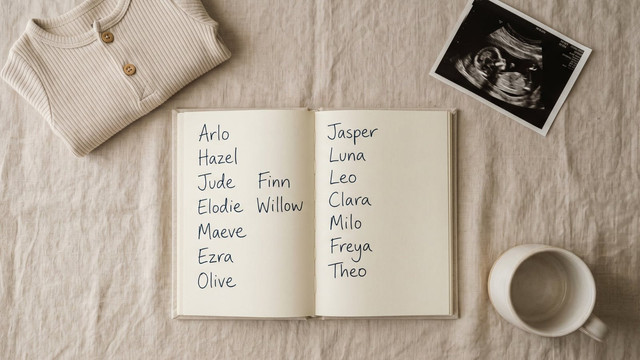

Choosing a baby name is one of the first major decisions parents make, and it can feel surprisingly difficult. A name may need to sound beautiful, carry a meaningful story, work well with the family surname, and still feel appropriate as the child grows older. With thousands of possibilities available, narrowing the list can quickly become overwhelming.
The best approach is to create a clear naming process rather than trying to find one perfect name immediately. Start by identifying what matters most to your family, such as cultural heritage, meaning, pronunciation, family connections, or individuality. Once you understand your priorities, the search becomes much easier.
If you are wondering how to pick a baby name without getting lost among endless choices, focus on practical details as well as personal feelings. A name should be something parents genuinely love while also being comfortable for the child to use throughout life.
Start With the Meaning You Want to Represent
Meaning is often a helpful starting point because it gives the naming process a sense of direction. Parents may look for names associated with qualities such as strength, kindness, wisdom, courage, happiness, nature, or peace. Others may prefer names connected to religious, historical, or cultural traditions.
Think about the message you would like the name to carry. For example, a family that values resilience might prefer a name associated with strength, while parents who love nature may explore names connected with flowers, rivers, seasons, stars, or the earth.
However, meaning should not be considered in isolation. A beautiful definition does not automatically make a name suitable for your family. Check its pronunciation, origin, cultural context, and common interpretations before making a final decision.
Create a Shortlist Before Making a Final Choice
Trying to choose from hundreds of names at once can make the process unnecessarily stressful. Instead, create a shortlist gradually. Each parent can independently write down names they genuinely like before comparing their choices.
A useful shortlist might contain around ten to twenty possibilities at first. You can then remove names that create concerns about pronunciation, spelling, initials, or compatibility with the surname.
Avoid judging every name immediately. Some names may sound unusual at first but become appealing after repeated consideration. Keeping an open mind during the early stage allows you to discover options that might otherwise be overlooked.
It is also helpful to separate personal favorites from names you simply think are attractive. A name may be fashionable or popular without feeling right for your child.
Consider How the First and Last Names Work Together
The relationship between the first name and surname is one of the most practical factors to test. Say the complete name aloud several times, using different tones and situations. Imagine introducing your child at school, hearing the name at a graduation ceremony, or seeing it printed on a professional document.
Pay attention to rhythm, syllable patterns, and repeated sounds. A long surname may pair naturally with a shorter first name, while a brief surname may work well with a longer first name. This is not a strict rule, but listening to the complete combination can reveal awkward combinations.
Initials deserve attention too. Write the first, middle, and last initials together and check whether they unintentionally create an embarrassing word or abbreviation. Also consider whether the initials are easy to understand and write.
Think About Everyday Pronunciation and Spelling
A distinctive name can be wonderful, but parents should consider how easily other people will pronounce and spell it. If a name has several possible pronunciations, your child may regularly need to correct people.
That does not mean unusual names should be avoided. Individuality can be an important part of choosing a name. The key is understanding the practical experience associated with the choice.
Ask friends or relatives who have not seen your shortlist to read a name aloud. This simple exercise can reveal whether its pronunciation is obvious or frequently misunderstood.
Spelling is equally important. If you intentionally choose an uncommon spelling, consider whether your child may spend years explaining or correcting it. For some families, that is perfectly acceptable; for others, a more familiar spelling may be preferable.
Balance Tradition With Personal Preference
Family traditions can provide wonderful inspiration. A baby may be named after a grandparent, respected relative, cultural figure, or meaningful family connection. Such names can give children a stronger sense of history and belonging.
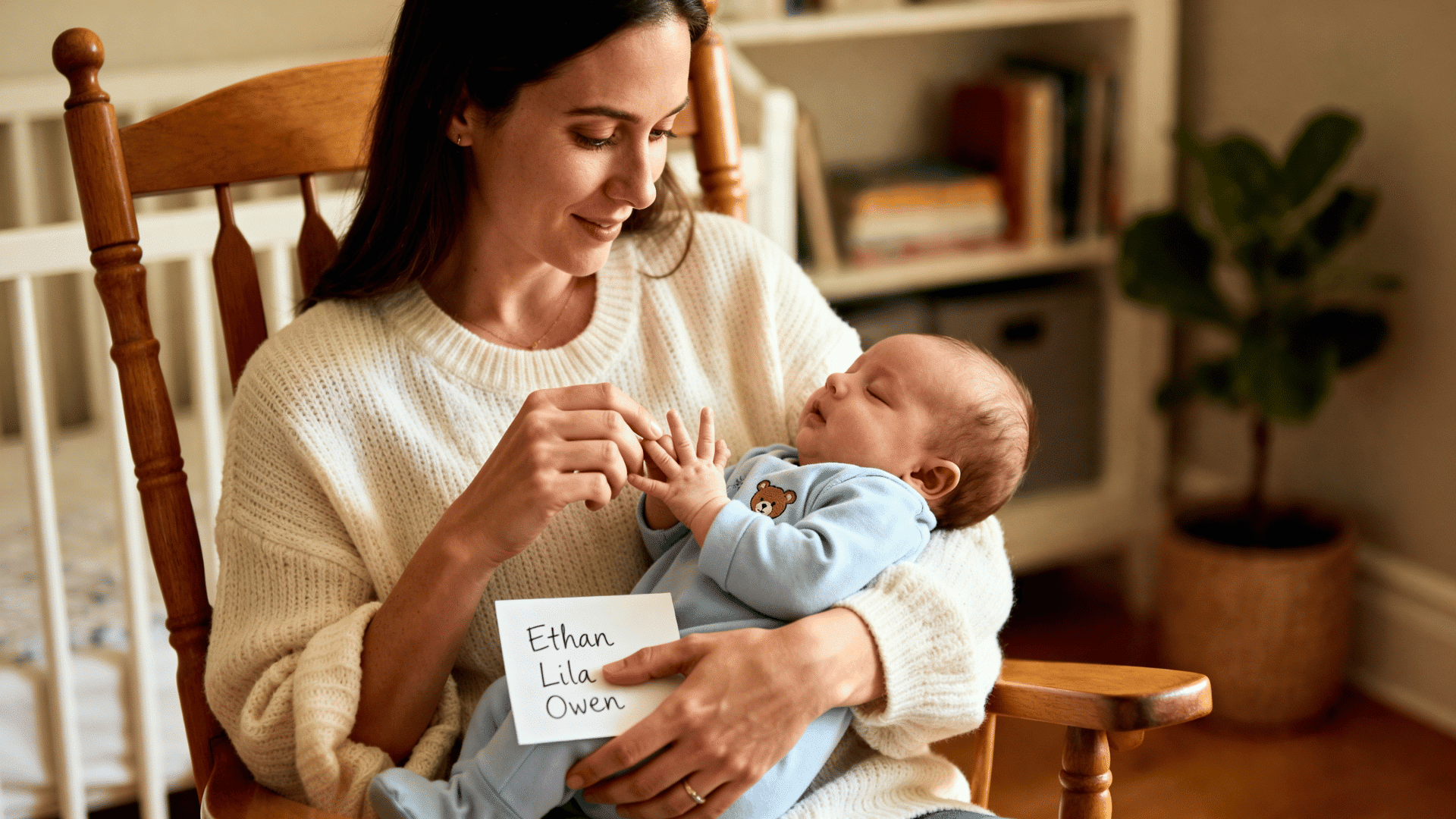 At the same time, parents do not have to follow tradition exactly. A traditional first name can be paired with a modern middle name, or an older family name can inspire a contemporary variation.
When learning how to pick a baby name, consider which traditions genuinely matter to your family rather than following expectations simply because others expect you to. The final choice should feel meaningful to the parents who will use it every day.
| Naming factor | Questions to ask | Why it matters |
|---|---|---|
| Meaning | What does the name represent? | Adds personal significance |
| Pronunciation | Is it easy to say? | Reduces everyday confusion |
| Spelling | Is the spelling intuitive? | Makes writing and forms easier |
| Surname | Does the full name flow naturally? | Creates a balanced combination |
| Initials | What do the initials spell? | Helps avoid unintended combinations |
| Nicknames | What shortened versions are likely? | Anticipates everyday use |
| Longevity | Will it suit an adult too? | Supports the child through different life stages |
Look Beyond Current Naming Trends
Popular names can be appealing because they feel fresh and familiar. However, trends change quickly. A name that appears everywhere today may become strongly associated with a particular generation later.
There is nothing wrong with choosing a popular name if you genuinely love it. The important thing is to distinguish between a name you love and one you like simply because it is currently fashionable.
Parents who want something more distinctive can explore names from different eras, languages, literature, geography, or family history. Sometimes an overlooked classic offers the ideal balance between familiarity and individuality.
Before making a final choice, imagine the name on both a baby and an adult. This helps determine whether it has enough versatility to remain appealing over time.
Test the Name in Real-Life Situations
One of the most effective ways to decide how to pick a baby name is to use your finalists in realistic situations. Say the name while imagining everyday conversations.
Try phrases such as:
- “Please welcome [name].”
- “This is my daughter, [name].”
- “Could [name] come here, please?”
- “Congratulations, [name].”
Listen for whether the name feels natural when spoken repeatedly. You can also write it on paper, type it into a message, and imagine seeing it on a school roster or future professional profile.
If you are considering a nickname, test that version as well. Some names naturally produce several shortened forms, while others remain unchanged. Knowing what people are likely to call your child can prevent surprises later.
Be Careful With Nicknames and Initials
Nicknames often develop naturally, even when parents do not plan them. Before settling on a name, consider obvious shortened forms and whether you like them.
You should also think about potential teasing or unintended word associations. No name can be completely protected from jokes, but obvious problems can sometimes be identified before the birth.
This does not mean overanalyzing every possible combination. Almost any name can be turned into a joke in the right context. The goal is simply to identify major concerns rather than trying to eliminate every imaginable possibility.
Give Both Parents a Fair Role in the Decision
Naming disagreements are common because parents may have different tastes. One person may prefer classic names while the other likes modern or uncommon choices. Instead of trying to convince each other immediately, establish shared criteria.
Each parent can create a private list and then look for overlapping choices. Another option is to give each person a few non-negotiable preferences while remaining flexible about everything else.
Remember that the goal is not to win the naming debate. A name that both parents feel comfortable saying with affection is usually more valuable than a name chosen because one person eventually gave in.
Do Not Feel Pressured by Outside Opinions
Friends and relatives often have strong reactions to baby names. Someone may dislike a name because it reminds them of a person they knew, while another person may immediately love it.
Although trusted opinions can sometimes identify practical issues, too many opinions can make the decision harder. If every family member has a vote, your original preferences may disappear beneath everyone else’s expectations.
When deciding how to pick a baby name, remember that you and your partner are the people who will use it most often. Listen politely to feedback, but give greater weight to your own values and connection with the name.
Give Yourself Time to Decide
A name does not always have to produce an instant emotional reaction. Sometimes a name becomes more appealing after sitting with it for several days. Keep your shortlist somewhere accessible and revisit it periodically.
Remove names that repeatedly feel wrong and keep those that continue to stand out. Saying the finalists aloud can also reveal which options feel natural.
If you have two strong choices, consider waiting until you are closer to the birth or meeting the baby before making the final decision, provided your circumstances allow it. Some parents find that one name feels more appropriate once they see their child.
Conclusion
Learning how to pick a baby name is less about discovering a universally perfect choice and more about finding a name that fits your family’s values, preferences, and everyday life. Meaning, pronunciation, spelling, surname compatibility, nicknames, family traditions, and long-term appeal all deserve consideration.
Create a manageable shortlist, test your favorites aloud, discuss them openly with your partner, and avoid letting trends or outside opinions control the decision. Most importantly, choose a name that feels meaningful and comfortable rather than one selected simply to impress others.
When you approach how to pick a baby name thoughtfully, the process becomes less overwhelming and more personal. The right name is ultimately the one that your family can say with warmth, confidence, and pride for many years to come.