



Finding the right name can be surprisingly difficult. Whether you are naming a business, website, fictional character, gaming profile, pet, project, or social media account, the ideal choice needs to sound good, feel relevant, and be easy to remember. A name generator can make this process faster by producing creative suggestions based on a few preferences, themes, or keywords.
Instead of spending hours combining random words, users can explore many naming possibilities in a short time. The best results, however, do not come from accepting the first suggestion. They come from using generated ideas as a starting point, then reviewing each option for meaning, pronunciation, originality, and suitability. Understanding how these tools work and how to use them effectively can help you move from a blank page to a name that feels intentional.
Why Choosing the Right Name Matters
A name often creates the first impression of a person, brand, product, character, or online identity. A strong name can communicate personality and purpose before someone knows anything else about it. For a business, it may influence how professional or approachable the company appears. For a fictional character, it can reinforce the character’s background and personality.
Names also need to work in practical situations. A complicated spelling may be difficult to search for, while an overly generic name can be easily forgotten. A name that sounds excellent in one context may be unsuitable in another. This is why naming requires more than creativity alone.
A useful approach is to define the purpose first. Consider the audience, tone, subject, and desired impression. Once those factors are clear, generated suggestions become much easier to evaluate.
How a Name Generator Creates Suggestions
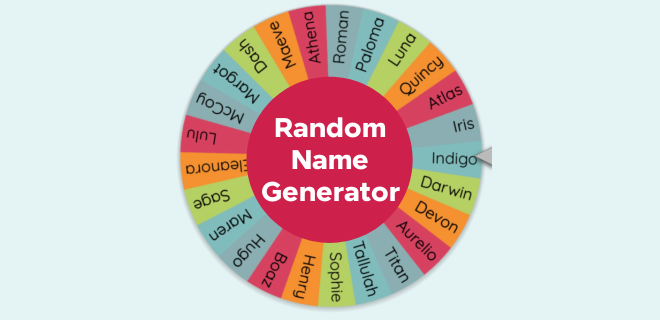
A modern name generator typically combines words, linguistic patterns, themes, categories, and user-provided inputs to produce possible names. Depending on the tool, users may be able to select characteristics such as style, length, language, gender, industry, fantasy theme, or naming convention.
For example, someone creating a fantasy story might enter concepts such as forests, magic, royalty, and mystery. The resulting suggestions could have a different style from names created for a technology company. Similarly, a gaming username generator may focus on short, energetic combinations rather than traditional personal names.
The underlying process can vary considerably between tools. Some rely primarily on predefined word lists and combinations, while others use more flexible language patterns. Regardless of the technology involved, the quality of the final result depends heavily on the instructions and criteria supplied by the user.
Popular Uses for Name Creation
One reason these tools are useful is their versatility. People can use them for both practical and creative projects without following the same naming strategy every time.
Common applications include:
- Business and startup names that communicate an industry, value, or personality.
- Character names for novels, games, comics, and role-playing stories.
- Usernames for gaming communities, forums, and social platforms.
- Pet names based on appearance, personality, breed, or interests.
- Project names for school, workplace, software, or creative initiatives.
- Baby-name brainstorming when parents want to explore different naming styles.
- Fantasy and fictional names for imaginary worlds, kingdoms, creatures, and characters.
The goal is not always to find one perfect answer immediately. Sometimes the most valuable result is a collection of ideas that reveals a naming direction the user had not considered.
Choosing Names by Purpose and Style
Different situations require different naming qualities. A company may need something professional and adaptable, while a fictional wizard can have a dramatic or unusual name. A social media username may need to be short because memorable handles are easier to recognize and type.
| Purpose | Useful Naming Style | Key Considerations |
|---|---|---|
| Business | Professional and distinctive | Clarity, trust, future growth |
| Character | Personality-driven | Setting, background, genre |
| Gaming | Short and memorable | Originality, readability |
| Pet | Friendly and simple | Pronunciation, personality |
| Project | Clear and relevant | Purpose, audience, flexibility |
| Fantasy world | Imaginative and thematic | Culture, atmosphere, consistency |
Matching the naming style to its purpose prevents a common mistake: choosing a name simply because it sounds attractive without considering how it will actually be used.
How to Get Better Results
The quality of generated suggestions often improves when the user provides meaningful details. Entering a broad request may produce generic results, while specific information can guide the tool toward a more appropriate naming style.
Start by identifying three or four characteristics. These might include a preferred mood, subject, audience, length, or language. For a travel brand, for example, words related to discovery, movement, nature, or adventure could establish a useful direction.
It is also helpful to experiment with variations. Try changing one requirement at a time rather than changing everything simultaneously. If the first group feels too formal, request something more modern. If suggestions are too complicated, focus on short and easy-to-pronounce options.
Keep a shortlist rather than judging every result independently. Seeing several possibilities together makes patterns, strengths, and weaknesses easier to recognize.
What Makes a Name Memorable?
Memorable names often have a balance between simplicity and distinctiveness. A name does not necessarily need to be unusual to stand out. In many cases, a familiar word arranged in an unexpected way can be more effective than a complicated invented term.
 Sound matters as well. Names that are easy to pronounce tend to be easier to share through conversation. Spelling is equally important for digital projects because users may need to type the name into a search engine or address bar.
A strong candidate should also fit the identity behind it. Imagine seeing the name on a logo, business card, app screen, product package, or social profile. If it still feels appropriate across different settings, it has greater long-term potential.
Mistakes to Avoid When Selecting a Name
Generated ideas can save time, but they should not remove human judgment from the process. One common mistake is choosing the first option that sounds interesting. A better approach is to compare several candidates and test them against clear criteria.
Avoid names that are unnecessarily difficult to spell, pronounce, or remember. Be cautious with names that depend on temporary trends because popular phrases can quickly become outdated. It is also worth checking whether a proposed name has an unintended meaning in another language or context.
For businesses and public-facing projects, basic availability checks are especially important. A promising name may already be associated with another company, website, product, or online account. A generated suggestion should therefore be treated as an idea to investigate, not as automatically available for use.
Turning Generated Ideas Into Original Names
The most creative results often emerge after the initial generation stage. Instead of using a suggestion exactly as provided, consider modifying its spelling, combining two related concepts, shortening it, or adapting it to the project’s personality.
Suppose a generated list includes words connected with speed and technology. Rather than selecting one unchanged, you might combine elements from two suggestions to create a shorter and more distinctive option. This process gives the final name a stronger connection to the project’s identity.
Keep a record of promising words, prefixes, suffixes, themes, and sounds. Even suggestions that are not usable can contain a useful syllable or concept. Over time, these pieces can become the foundation for a name that feels more personal and purposeful.
Evaluating Your Final Shortlist
Once you have several candidates, test each one from a practical perspective. Say the name aloud several times. Ask another person to pronounce it after seeing it written down. If they struggle immediately, consider whether the complexity is worth keeping.
Next, think about how the name will look in different formats. A good choice should remain recognizable when displayed in a small profile image, a headline, a logo, or plain text. Consider whether it could be shortened naturally and whether people are likely to remember it after hearing it once.
For business or commercial use, additional research may be necessary. Check relevant domain options, social handles, business records, and trademark databases where appropriate. Availability and legal considerations vary by location, so professional advice may be appropriate for important commercial decisions.
When Creativity Needs Human Judgment
Automated suggestions are excellent for overcoming creative blocks, but they cannot completely understand personal taste, cultural context, or the emotional meaning a name may carry. A generated option might technically match a theme while still feeling wrong for the intended audience.
Human judgment is especially important when a name represents something significant or long-lasting. Parents choosing a child’s name, authors naming an important character, and entrepreneurs naming a company all have different emotional and practical considerations.
Think of the tool as a brainstorming partner rather than a final decision-maker. Its greatest value is expanding the range of possibilities. The final choice should come from a clear understanding of what the name needs to communicate.
Conclusion
A name generator can turn an intimidating naming task into a more manageable creative process. From businesses and projects to characters, usernames, pets, and fictional worlds, these tools provide a convenient way to explore different styles and combinations. Their real value comes from helping users discover possibilities they may not have considered on their own.
The strongest results come from combining generated suggestions with thoughtful evaluation. Define the purpose, provide useful preferences, compare multiple candidates, and check pronunciation, meaning, originality, and practical availability. Most importantly, do not feel pressured to use a suggestion exactly as it appears. Modify, combine, and refine ideas until the result genuinely fits its purpose.
A good name should be more than memorable. It should make sense for the identity behind it and continue to feel appropriate as that identity grows. With the right balance of creative exploration and human judgment, finding that name becomes much easier.