


Names are an essential part of personal identity. They represent family history, cultural background, social relationships, and individual recognition. Throughout life, people may experience changes in their names for several reasons, including marriage, divorce, adoption, or personal preference. However, an original family surname often remains important, particularly when completing official applications, maintaining historical records, or verifying personal information.
The term maiden name generally refers to the surname a woman had before marriage, especially when she adopts a different surname after getting married. Although the expression has existed for generations, its meaning and practical significance continue to evolve. Modern society increasingly recognises that changing a surname after marriage is a personal decision rather than a universal obligation.
Understanding how previous surnames work can help individuals avoid confusion when dealing with government documents, financial institutions, employment records, educational certificates, and international travel applications. Whether someone chooses to retain their original surname or adopt a new one, maintaining accurate identity records is essential for a smooth personal and professional experience.
What Does a Birth Surname Mean?
A birth surname is the family name recorded when an individual’s birth is officially registered. In traditional usage, a woman’s surname before her first marriage is commonly referred to as her maiden name. For example, if a woman named Sarah Wilson marries someone with the surname Brown and changes her name to Sarah Brown, Wilson remains her original surname.
However, a birth surname and a premarital surname are not necessarily identical in every situation. A person may have changed their family name before marriage because of adoption, family circumstances, or personal choice. Therefore, the information required depends on the specific wording of an application. Understanding these distinctions becomes particularly important when completing documents that request previous legal names or surnames used during different stages of life.
The Historical Background of Surname Changes
The practice of adopting a spouse’s surname developed through historical traditions involving marriage, inheritance, household organisation, and family identity. In several societies, women traditionally adopted their husbands’ surnames after marriage. This custom became particularly common in English-speaking countries, where sharing a family surname was often associated with establishing a household.
Over time, social expectations surrounding marriage have changed considerably. Greater financial independence, professional opportunities, educational access, and individual rights have encouraged people to make their own decisions regarding personal identity. Many married individuals now retain their original surnames, combine surnames, or choose alternative arrangements. These developments demonstrate how naming conventions can evolve alongside broader changes in society without eliminating the importance of historical family records.
Why Previous Surnames Remain Important Today
Although someone may legally adopt a different surname, their previous identity information does not automatically become irrelevant. A maiden name can establish a connection between documents issued before marriage and records created afterwards. Educational qualifications, previous employment contracts, property documents, and professional certifications may continue to contain an earlier surname.
Accurate identity information also helps organisations distinguish between people who have similar names. When individuals apply for certain services or undergo background verification, previous surnames may help confirm that different records belong to the same person. Maintaining consistency across relevant documents reduces administrative difficulties and helps prevent unnecessary delays during important personal, financial, or professional activities.
Difference Between Original, Married, and Legal Surnames
Understanding different naming terms makes official applications easier to complete. Although these expressions may appear similar, each describes a particular aspect of someone’s identity. The following table explains their general meanings and practical applications.
| Name Type | Meaning | Example |
|---|---|---|
| Birth surname | Family surname recorded at birth | Emily Carter |
| Premarital surname | Surname used before marriage | Emily Carter |
| Married surname | Surname adopted following marriage | Emily Johnson |
| Legal surname | Surname currently recognised in official records | Emily Johnson |
| Previous surname | Any surname legally used in the past | Emily Carter |
| Hyphenated surname | Combination of two family surnames | Emily Carter-Johnson |
| Professional surname | Name used in professional activities | Emily Carter |
A person’s current legal surname may differ from the name used socially or professionally. However, documents requiring verified identification should generally reflect the applicable official records and the issuing authority’s requirements.
Common Situations Where Previous Surnames Are Required
Previous family names are requested in various administrative and professional situations. Providing accurate information allows organisations to review existing records and confirm personal details without unnecessary confusion.

Some common situations include:
-
Completing passport, visa, and immigration applications.
-
Reviewing educational certificates and academic qualifications.
-
Conducting employment and professional background checks.
-
Managing inheritance, property, and family-related records.
-
Verifying historical banking, insurance, or identity information.
Not every organisation requires an earlier surname. Individuals should carefully review each application’s instructions rather than automatically disclosing personal information when it is unnecessary.
Understanding Surnames in Marriage
Marriage often introduces questions about whether partners should share a surname. Some individuals prefer adopting their spouse’s family name because they value a shared household identity. Others choose to preserve their original surnames because of family traditions, professional achievements, or personal attachment.
There is no single naming arrangement that suits every marriage. Depending on local laws and personal circumstances, couples may retain their existing surnames, adopt one partner’s surname, combine their surnames, or explore other permitted options. Discussing these choices before marriage can help couples understand each other’s expectations and avoid disagreements. The most suitable arrangement is generally one that respects both individuals’ preferences while meeting applicable legal requirements.
Is Changing a Surname After Marriage Necessary?
Changing a surname after marriage is not universally compulsory. In many countries, married individuals can continue using their existing legal names without adopting their spouse’s surname. However, naming laws, administrative procedures, and available options differ across jurisdictions.
Someone who retains their surname may avoid the inconvenience of updating numerous records. This can be particularly beneficial for people who have established businesses, published academic work, or developed a professional reputation under their existing names. Conversely, someone who prefers a shared family surname may consider the administrative process worthwhile. Both choices can be equally meaningful, and neither should automatically be considered more appropriate than the other.
Importance of Previous Names in Legal Documents
Legal documentation requires accurate and consistent personal information. When official records contain different surnames, supporting documents may be necessary to establish the connection between those identities. A marriage certificate, court order, or recognised name-change document can help demonstrate why an individual’s surname has changed.
For example, someone purchasing property under their current surname may need to provide historical documents containing an earlier family name. Similarly, individuals handling inheritance matters might encounter records created before a marriage or legal name change. Keeping relevant documents organised makes these situations easier to manage. Requirements vary between authorities, so individuals should confirm which supporting evidence is accepted before submitting important applications.
How Previous Surnames Affect Banking and Financial Records
Financial institutions use identity information to maintain accurate customer records and meet applicable verification requirements. When a customer changes their surname, updating relevant accounts can help ensure that financial records remain consistent with official identification.
An outdated surname does not necessarily mean that a financial account becomes invalid. Nevertheless, differences between identification documents, account information, and supporting records may create difficulties during certain transactions or verification procedures. Customers should contact their financial institutions to understand the appropriate update process. Maintaining accurate information across bank accounts, insurance policies, investment records, and tax documents can reduce administrative complications and improve financial record management.
Professional Identity and Career Development
A surname can become closely connected to someone’s professional achievements. Doctors, researchers, lawyers, business owners, writers, and other professionals may establish considerable recognition under a particular name. Changing that name could potentially affect how colleagues, customers, and professional organisations locate their previous work.
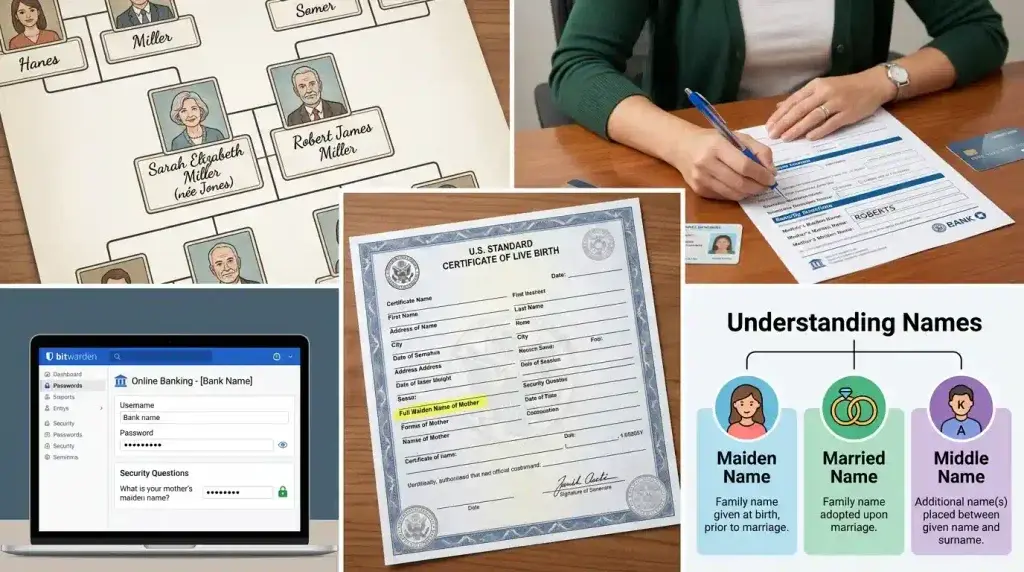
For this reason, some individuals continue using their maiden name professionally even after legally adopting another surname. This approach can help maintain continuity across publications, business profiles, portfolios, and professional networks. However, regulated professions and employment arrangements may require specific legal information. Maintaining a clear distinction between professional branding and official identification helps individuals protect their established reputation while meeting administrative responsibilities.
Educational Certificates and Academic Records
Educational certificates usually reflect the name officially registered when a qualification was awarded. Someone who changes their surname after completing school, college, or university may therefore possess qualifications containing their previous name.
This difference does not automatically invalidate an academic qualification. Employers and educational institutions may request supporting documentation to confirm that certificates belong to the applicant. In some circumstances, institutions may offer replacement certificates or record updates, although their policies differ. Keeping original educational documents alongside evidence of a legal name change is a practical way to demonstrate academic history without unnecessary complications.
The Role of Family Names in Genealogy
Genealogy involves researching family relationships, ancestry, and historical connections across generations. Previous surnames can provide valuable information when researching marriage records, birth certificates, historical archives, and family trees.
A maiden name can be especially helpful when tracing maternal family histories because historical documents may identify married women primarily through their spouses’ surnames. Knowing an original surname allows researchers to investigate additional family connections that might otherwise remain difficult to identify. Nevertheless, surnames alone cannot establish biological relationships with certainty. Reliable genealogy requires comparing multiple records and examining relevant dates, locations, and documented family relationships.
Cultural Differences in Naming Traditions
Naming practices vary widely around the world. In some cultures, adopting a spouse’s surname is a familiar marriage tradition. In others, individuals typically retain their existing family names throughout their lives. Certain societies use surnames inherited from both parents, while others follow naming systems that do not fit conventional Western surname structures.
These differences become particularly relevant when completing international applications. A form designed around one naming convention may not accurately reflect another culture’s traditions. Individuals should follow official instructions and provide explanations or supporting documents when necessary. Recognising these cultural differences encourages greater respect for personal identity and helps reduce misunderstandings involving international records.
Using Previous Surnames in Digital Identity Verification
Digital services increasingly depend on accurate personal information. Online applications, electronic identity verification, financial platforms, and government portals may compare submitted details with existing records. Differences between current and historical names can occasionally trigger additional verification requirements.
However, personal information should only be shared through legitimate and trustworthy channels. A previous surname may appear harmless, but it can reveal important family connections and historical identity details. Individuals should avoid unnecessarily publishing sensitive information on social media or submitting it through unverified websites. Accurate digital records are valuable, but protecting personal information is equally important in an increasingly connected environment.
Why a Mother’s Original Surname Is Used for Security Questions
Many traditional account recovery systems have used a mother’s previous surname as a security question. The original purpose was to request information that account holders could remember but strangers might find difficult to discover.
Today, this approach has significant limitations. Family information may be available through social media, public records, genealogy websites, and historical documents. Consequently, a mother’s maiden name should not be considered a particularly strong security secret. Where available, individuals should use stronger authentication methods, including passkeys, authentication applications, and multifactor authentication. If a service still requires security questions, using unique, securely stored answers can help reduce predictable account recovery risks.
How to Update Personal Records After a Surname Change
Changing a surname involves more than adopting a new name socially. Depending on the applicable rules, individuals may need to update several official records to ensure that their identification remains accurate and consistent.
Important records to review include:
-
Government identification and travel documents.
-
Banking, insurance, and financial accounts.
-
Employment, payroll, and professional registrations.
-
Tax, healthcare, and social security records.
-
Property ownership and relevant legal documents.
The correct sequence depends on local administrative requirements. Completing essential identification updates first may simplify subsequent changes, particularly when other organisations require government-issued proof of identity.
Managing Surnames After Divorce
Following a divorce, some individuals choose to restore a previous surname, while others continue using their married surname. Reasons for retaining a married name may include professional recognition, personal convenience, or sharing a surname with children.
Restoring an earlier surname may require a formal administrative or legal procedure, depending on the jurisdiction. Individuals should avoid assuming that divorce automatically changes their legal name. Reviewing relevant documents and confirming the requirements with the appropriate authority helps ensure that any chosen surname is properly recognised. Personal comfort, practical considerations, and long-term preferences should guide this decision.
Can Someone Use Two Different Surnames?
Some individuals use different surnames in professional, social, and legal environments. For example, a business owner may continue operating under an established professional name while using a different surname for official identification.
Whether this arrangement is permitted depends on the circumstances and applicable regulations. Using an alternative name for professional recognition is different from providing inaccurate information on a legally binding document. People who maintain multiple naming identities should ensure that official declarations, contracts, tax information, and identification records satisfy relevant requirements. Clear documentation can help prevent confusion when different names appear across personal and professional records.
Common Mistakes When Completing Official Applications
One common mistake is assuming that every request for a previous surname refers exclusively to the name used before marriage. Some applications specifically request all former legal names, including names changed through adoption, divorce, or other formal procedures.
Another frequent problem involves incorrect spelling, missing hyphens, or inconsistent surname arrangements. Even small differences can create additional verification requirements when organisations compare records. Applicants should review their supporting documents carefully and enter information exactly as required. When an application contains unclear instructions, seeking clarification from the issuing organisation is preferable to making assumptions that could delay processing.
The Future of Personal Naming Conventions
Personal naming traditions continue to develop as societies become more diverse and individuals gain greater freedom to define their identities. Modern couples increasingly consider personal preference, professional continuity, cultural heritage, and practical convenience when making surname decisions.
Digital identity systems may also encourage more flexible approaches to managing current and historical names. Organisations can improve accessibility by designing forms that recognise different family structures and cultural naming conventions. Although traditional terminology may remain familiar, inclusive expressions such as previous surname, birth surname, and former legal name can provide greater clarity in administrative settings.
Frequently Asked Questions
1. What is a maiden name in simple words?
It generally refers to the family surname a woman used before marriage, particularly if she adopted a different surname afterwards. For example, if Anna Williams becomes Anna Smith following marriage, Williams is her premarital surname. The term is commonly used in historical records, identity verification, and certain official applications.
2. Can a married woman keep her original surname?
Yes, in many countries, married women can retain their original surnames. Changing a family name is often a personal decision rather than a compulsory marriage requirement. However, individuals should understand the applicable naming laws and administrative procedures in their jurisdiction before making changes to official documents.
3. Is a birth surname always the same as a premarital surname?
Not necessarily. Someone may legally change their surname before marriage because of adoption, personal preference, or family circumstances. A birth surname refers to the surname recorded at birth, whereas a premarital surname describes the name used before marriage. The two are often identical but can differ.
4. Do passports require information about previous surnames?
Passport application requirements vary by country. Some issuing authorities request previous legal names and supporting documents to confirm an applicant’s identity. Individuals should carefully follow the relevant passport application’s instructions and provide recognised evidence of any legal surname changes when required.
5. Can someone restore their original surname after divorce?
Yes, restoring a previous surname is possible in many jurisdictions. Depending on local rules, the process may involve submitting a divorce document, court order, or formal name-change application. Individuals should confirm the necessary procedure before updating government identification and other important personal records.
6. Is it safe to share previous family surnames online?
Sharing historical surname information publicly can create privacy risks, particularly when it is connected to account recovery questions or other identifying details. Individuals should disclose such information only when necessary and use stronger account protection methods instead of relying on easily discoverable family information.
Conclusion
Understanding the meaning and importance of a maiden name goes beyond traditional marriage customs. Previous family names connect individuals with their personal history, educational achievements, professional identities, financial records, and cultural heritage. They can also support accurate identity verification when different documents contain different surnames.
Modern naming conventions increasingly recognise individual choice. Whether someone retains their original surname, adopts a spouse’s name, or chooses another legally permitted arrangement, maintaining accurate records remains essential. Keeping supporting documents organised, following administrative requirements, and protecting personal information can prevent unnecessary complications throughout life.
Ultimately, a surname represents more than a formal identification detail. It reflects personal experiences, family connections, and individual identity. Understanding its significance allows people to make informed decisions that respect their preferences while supporting consistency across personal, professional, and legal responsibilities.