

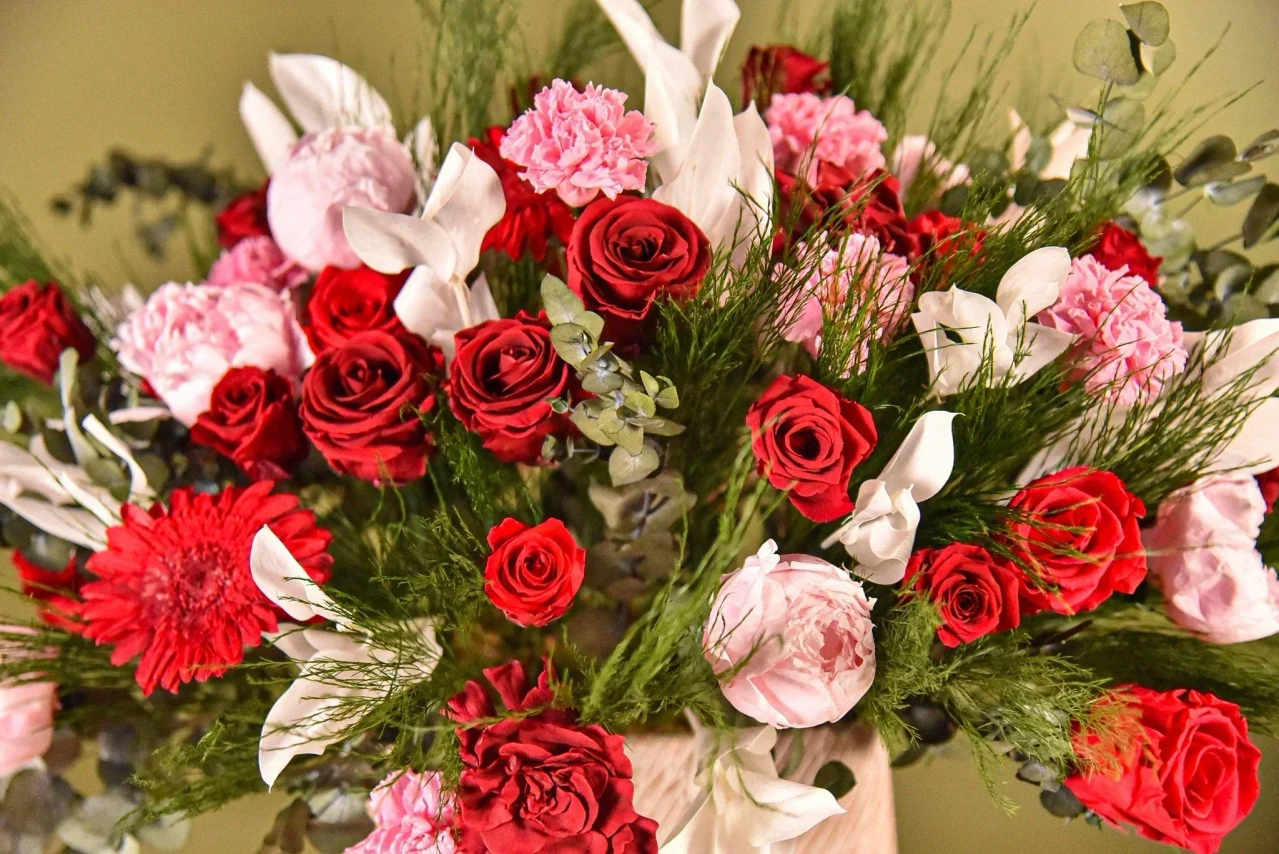

Flowers are among the most beautiful parts of nature, adding color, fragrance, and life to gardens, homes, parks, and public spaces. They come in countless shapes, sizes, and colors, with each variety offering something unique. Some flowers are admired for their delicate petals, while others are popular because of their pleasant fragrance, cultural significance, or ability to attract butterflies and bees. Learning about flowers helps people appreciate nature and make better choices when decorating their homes, planning gardens, or selecting gifts for loved ones.
Understanding a flowers name can also make it easier to identify different varieties and learn about their growing requirements. For example, roses are widely associated with love, sunflowers are recognized for their bright appearance, and lotuses have important symbolic meanings in several Asian cultures. Some flowers grow best in warm, sunny conditions, while others prefer cooler weather or partially shaded areas. Knowing these differences can help gardeners choose plants that thrive in their local climate.
Today, flowers are used for much more than decoration. They play an important role in weddings, festivals, religious ceremonies, landscaping, traditional practices, and the floral gift industry. Whether someone wants to grow a small balcony garden or simply learn the names of familiar flowers, exploring different varieties is an enjoyable way to discover the relationship between plants, people, and the environment.
Popular Flowers Name List for Everyday Knowledge
There are thousands of flowering plant species worldwide, but certain varieties are especially familiar because of their beauty, availability, and cultural importance. These flowers are commonly found in home gardens, parks, flower shops, and decorative arrangements.
The following table introduces some popular flowers, their recognizable characteristics, and their common uses.
| Flower name | Common color | Popular use |
|---|---|---|
| Rose | Red, pink, white, yellow | Gifts and decoration |
| Sunflower | Yellow | Gardens and floral displays |
| Lotus | Pink, white | Ponds and cultural ceremonies |
| Marigold | Orange, yellow | Festivals and garlands |
| Jasmine | White | Fragrance and gardens |
| Lily | White, pink, orange | Bouquets and decoration |
| Tulip | Red, purple, yellow | Gardens and gifts |
| Daisy | White, yellow | Garden borders and bouquets |
| Hibiscus | Red, pink, yellow | Tropical gardens |
| Orchid | Purple, white, pink | Indoor decoration and gifts |
| Lavender | Purple | Gardens and aromatic products |
| Chrysanthemum | Various colors | Floral displays and gardens |
These varieties demonstrate how flowers differ in appearance, growing habits, and practical applications. Some are suitable for beginners, while others require more specific environmental conditions. Selecting the right variety depends on available space, sunlight, soil quality, local temperature, and the purpose for which the flowers will be grown.
1. Rose: A Classic Symbol of Love and Beauty
The rose is one of the world’s most recognizable flowers and is appreciated for its layered petals, attractive colors, and distinctive fragrance. Roses grow in many forms, including compact bushes, climbing plants, and varieties developed specifically for cut-flower arrangements. Red roses are commonly associated with romantic love, pink roses with appreciation, and white roses with purity or remembrance. Yellow roses are often used to express friendship and happiness, although meanings can vary according to culture and personal preference.

Roses can be grown in gardens, containers, and dedicated flower beds. Most varieties perform well with sufficient sunlight, fertile soil, and regular watering that avoids waterlogging. Pruning helps maintain their shape and encourages healthy growth, while good airflow can reduce certain fungal problems. Because roses are available throughout much of the year through commercial growers, they remain a popular choice for birthdays, anniversaries, weddings, and other celebrations.
2. Sunflower: A Bright and Cheerful Garden Flower
Sunflowers are famous for their large flower heads and bright yellow petals surrounding a darker central disc. Many varieties produce tall stems, while dwarf cultivars are suitable for pots and smaller gardens. Sunflowers generally prefer warm weather and full sunlight, making them an excellent choice for outdoor spaces that receive several hours of direct sun each day. Their striking appearance also makes them useful for creating attractive garden borders and seasonal displays.
Beyond their visual appeal, sunflowers provide ecological benefits. Their flower heads can attract bees and other pollinators, while mature seeds provide food for birds and can be harvested from suitable varieties. Gardeners should provide adequate space for taller plants and support them when necessary in exposed locations. Regular watering during establishment and dry periods helps plants develop properly. Their cheerful appearance makes sunflowers especially suitable for summer arrangements and nature-inspired decorations.
3. Lotus: A Flower with Cultural and Spiritual Importance
The lotus is an aquatic flowering plant known for its elegant petals and large, distinctive leaves. It grows in suitable ponds and water gardens, where its flowers rise above the water’s surface. Pink and white are familiar lotus colors, although varieties differ in their appearance. The plant has a strong cultural presence in several Asian countries and is associated with purity, renewal, resilience, and spiritual development.
Growing lotus plants requires appropriate aquatic conditions, warm temperatures, and sufficient sunlight. They are commonly cultivated in ponds or large containers designed for water plants. The correct planting depth and suitable aquatic soil are important for healthy growth. Lotus plants should not be confused with water lilies, which belong to a different plant group and often have leaves that float directly on the water. Both can create beautiful water gardens, but their growth habits and care requirements differ.
4. Marigold: A Colorful Favorite for Festivals and Gardens
Marigolds are popular flowering plants known for their bright orange and yellow blooms. They are widely grown in India and many other countries, particularly during festivals, weddings, and community celebrations. Their flowers are frequently used to make garlands, decorate entrances, and create colorful arrangements for religious and cultural events. Depending on the variety, marigolds can produce compact plants or larger bushes with numerous blossoms.
These flowers are generally easy to grow, making them suitable for beginners and home gardeners. They perform well in sunny locations with reasonably fertile, well-draining soil. Watering should be adjusted according to weather conditions, and removing faded flowers can encourage continued blooming in many varieties. Marigolds are also useful in pollinator-friendly gardens because their flowers attract insects. However, gardeners should avoid assuming that planting marigolds automatically prevents every pest problem, since their effects depend on the species, planting arrangement, and local conditions.
5. Jasmine: A Fragrant Flower for Homes and Gardens
Jasmine is well known for its delicate flowers and sweet fragrance. Many jasmine varieties produce white blossoms, although the appearance and scent can differ between species. These plants are grown in gardens, courtyards, balconies, and containers, especially in warm climates. Jasmine flowers also have cultural significance in India, where they are commonly used in garlands, hair decorations, and festive arrangements.
Jasmine plants need care suited to their particular variety. Many grow well in sunlight or partial sunlight, with regular watering and soil that drains effectively. Some varieties grow as shrubs, while others climb and benefit from a suitable support structure. Their fragrance is often strongest under favorable conditions, making them attractive additions to outdoor seating areas. Gardeners should confirm the identity of a jasmine plant before selecting a growing location because cold tolerance, mature size, and flowering seasons vary considerably.
6. Lily: An Elegant Flower for Special Occasions
Lilies are admired for their large, prominent blooms and wide range of colors. Depending on the variety, their flowers may be trumpet-shaped, outward-facing, or arranged along tall stems. White lilies are frequently used in formal floral arrangements, while pink, orange, and yellow varieties provide brighter decorative options. Their elegant appearance makes them common choices for weddings, celebrations, and home interiors.
Growing lilies successfully requires attention to their variety-specific needs. Many garden lilies prefer well-draining soil and a location with sunlight or partial shade, depending on the climate. Adequate spacing improves airflow and allows the plants to develop properly. An important safety consideration is that true lilies are highly toxic to cats, including their pollen and other plant parts. Households with cats should avoid bringing true lilies into spaces the animals can access.
7. Tulip: A Popular Flower of Spring
Tulips are widely recognized for their smooth petals, cup-shaped blooms, and vibrant colors. They are especially associated with spring gardens and are popular in countries with cooler seasonal climates. Tulips can be red, pink, purple, yellow, white, or multicolored, making them versatile additions to flower beds and bouquets. Their clean, simple appearance also makes them popular in contemporary floral arrangements.
Most traditional tulips grow from bulbs and require a suitable seasonal temperature cycle to flower reliably. In warmer regions, choosing varieties adapted to local conditions and following appropriate bulb-chilling guidance can improve results. Tulips generally benefit from well-drained soil and careful watering because excessively wet conditions can damage bulbs. They are often planted in groups to create a fuller visual effect, and their flowering period depends on the variety and local weather.
8. Daisy: A Simple and Charming Flower
Daisies are familiar flowers with a central disc surrounded by narrow petals. Many common varieties have white petals and yellow centers, although other colors and related species are available. Their uncomplicated appearance makes them suitable for cottage gardens, flower borders, informal bouquets, and natural-looking landscapes. Daisies can also help introduce children and beginners to gardening because many varieties are relatively straightforward to recognize.
Care requirements depend on the specific daisy species. Some prefer full sunlight, while others tolerate partial shade or cooler weather. Regular watering during dry periods supports healthy growth, but the soil should not remain waterlogged. Certain daisies spread readily, so gardeners should consider the mature size and growth habit before planting them near other flowers. Their relaxed appearance pairs well with ornamental grasses and other seasonal flowering plants.
9. Hibiscus: A Tropical Flower with Large Blooms
Hibiscus plants are known for their broad, colorful flowers and prominent central structures. Their blooms may be red, pink, yellow, orange, or white, depending on the variety. Tropical hibiscus is frequently grown as an ornamental shrub in warm regions, while other hibiscus species are more tolerant of cooler conditions. These plants can bring a striking tropical appearance to gardens, patios, and outdoor seating areas.
Most tropical hibiscus varieties need plenty of sunlight, consistent moisture, and well-draining soil. Container-grown plants may require more frequent watering during hot weather, but excess water should be allowed to drain away. Regular pruning can help maintain a compact shape and encourage branching. Although some hibiscus species have culinary or traditional uses, not every ornamental variety should automatically be considered suitable for consumption. Correct plant identification is essential before using any flower as food.
10. Orchid: An Exotic Choice for Indoor Decoration
Orchids are a diverse family of flowering plants admired for their unusual shapes, long-lasting blooms, and varied colors. Some varieties produce delicate flowers on arching stems, while others have more elaborate patterns and structures. Phalaenopsis orchids are especially popular as indoor plants because they can thrive in suitable home conditions and often remain in bloom for an extended period.
Orchid care differs from the care of many ordinary garden flowers. Several commonly cultivated orchids grow naturally on trees rather than in dense garden soil, so they need specialized potting media that allow air to reach their roots. Bright, indirect light is suitable for many indoor varieties, while watering should reflect the plant’s species, potting medium, and environment. Understanding these needs helps prevent common problems such as root rot and poor flowering.
11. Lavender: A Fragrant Addition to Outdoor Spaces
Lavender is valued for its slender stems, purple flower spikes, and distinctive aroma. It is frequently planted in herb gardens, borders, and decorative landscapes, where its flowers add color and texture. Lavender also attracts pollinating insects, making it a useful choice for gardeners who want to support local biodiversity. Its fragrant flowers are used in some commercial products, including sachets and aromatic preparations.
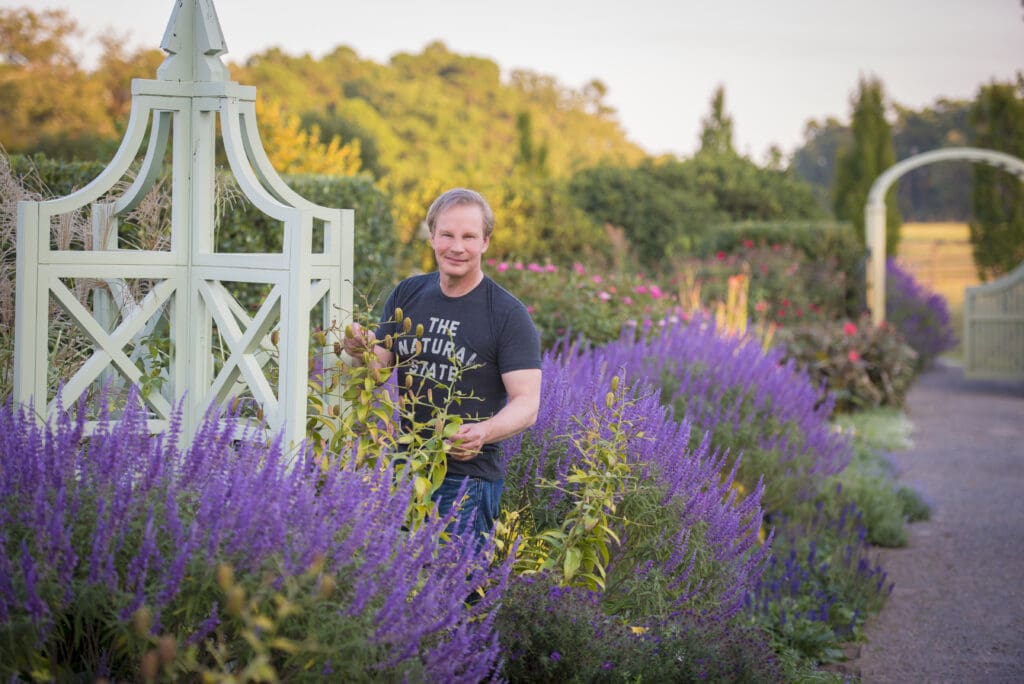
Lavender generally prefers full sunlight and well-drained soil. It is often more successful in relatively dry conditions than in persistently damp ground, where root problems may develop. Pruning after flowering, when appropriate for the variety, can help maintain the plant’s shape. In humid climates, choosing a suitable cultivar and ensuring good drainage are especially important. Gardeners should also leave adequate space between plants to support airflow and healthy development.
12. Chrysanthemum: A Versatile Flower for Seasonal Displays
Chrysanthemums, often called mums, come in an impressive range of shapes, sizes, and colors. Some produce tightly packed, rounded blooms, while others have long, narrow petals or daisy-like flowers. They are widely used in garden beds, decorative pots, and cut-flower arrangements. Their popularity increases during particular seasonal celebrations, although flowering time varies according to the cultivar and local growing conditions.
Chrysanthemums typically benefit from suitable sunlight, fertile soil, and regular watering during active growth. Some varieties respond to day length, meaning their flowering can be influenced by the changing balance of daylight and darkness. Gardeners can choose compact cultivars for containers or larger plants for borders. Good spacing and the removal of unhealthy foliage help maintain plant vigor. As with any ornamental plant, it is sensible to check whether a variety is safe around pets before introducing it into a household garden.
How to Choose the Right Flowers for Your Needs
Choosing flowers becomes easier when you consider where they will grow and what you want them to accomplish. A sunny garden bed may be suitable for sunflowers, marigolds, or many rose varieties, while a shaded balcony might require plants adapted to lower light levels. Indoor spaces have different challenges, including limited sunlight, dry air, and restricted room for root growth. Selecting plants based on their actual growing requirements is more reliable than choosing them by appearance alone.
The purpose of the planting also matters. Fragrant jasmine can be attractive near outdoor seating areas, colorful marigolds can brighten festival decorations, and lilies or roses may be appropriate for formal bouquets. For pollinator-friendly gardening, consider flowers that provide nectar or pollen and choose a mixture of species with different flowering periods. In regions with hot summers, including many parts of India, seasonal timing and heat tolerance are particularly important.
Simple Tips for Growing Healthy Flowers
A few practical habits can make a significant difference to the appearance and health of a flower garden.
-
Choose varieties suited to your climate, available sunlight, and growing space.
-
Use containers or garden soil with suitable drainage for each plant.
-
Water according to the plant’s needs rather than following one fixed schedule.
-
Remove damaged foliage and monitor plants for pests or signs of disease.
-
Use fertilizers carefully and follow product directions instead of applying excessive amounts.
These basic practices provide a good starting point for beginners. As experience grows, gardeners can learn more about pruning, propagation, seasonal planting, and soil improvement. Observing how plants respond to weather and watering is often the best way to develop a reliable care routine.
The Importance of Flowers in Daily Life
Flowers contribute to the environment by supporting pollinators and, in many cases, helping plants reproduce. Bees, butterflies, and other insects visit flowers for food, while pollen can be transferred between blossoms during these interactions. A garden containing different flowering species can provide useful resources throughout the growing season, particularly when plants bloom at different times.
Flowers also have social and cultural value. They are used to celebrate achievements, express sympathy, welcome guests, decorate homes, and mark important milestones. Their colors and fragrances can influence the atmosphere of a space, whether through a small arrangement on a desk or a large display at a public event. Although flowers are not a replacement for medical or psychological care, many people find gardening and spending time around plants enjoyable and relaxing.
Conclusion
Learning about different flowers is a simple way to develop a deeper appreciation for nature and make more informed gardening choices. From the familiar rose and cheerful sunflower to the elegant lotus, fragrant jasmine, and unusual orchid, each variety has distinctive characteristics that make it suitable for particular environments and purposes. Understanding these differences helps people choose flowers for gardens, gifts, decoration, and cultural celebrations.
A useful flowers name guide should offer more than a list of plants. It should also explain their colors, growing requirements, common uses, and practical considerations. By choosing climate-appropriate varieties, providing suitable sunlight and water, and paying attention to plant health, beginners and experienced gardeners alike can create attractive spaces throughout the year. Whether you grow flowers in a large garden, a small balcony, or a few containers near a window, the right choices can bring color, fragrance, and a closer connection to the natural world.