

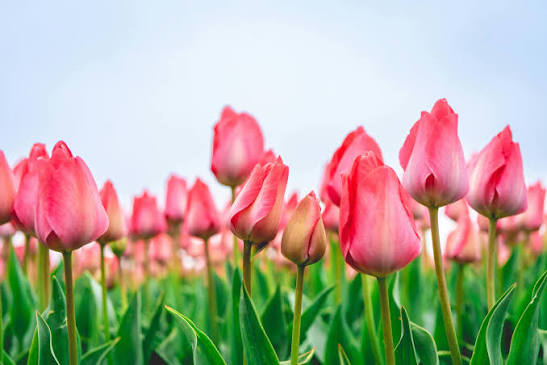

Flowers are among nature’s most beautiful creations, bringing color, fragrance, and life to gardens, homes, parks, and public spaces. They are admired for their appearance, but their importance extends far beyond decoration. Flowers support pollination, provide food for bees and butterflies, contribute to biodiversity, and play a meaningful role in cultural traditions around the world. From the delicate petals of a jasmine flower to the bright appearance of a sunflower, every variety has its own characteristics and charm.
Learning about different flowers can help people make better choices for gardening, gifting, landscaping, and home decoration. Some flowers are valued for their fragrance, while others are popular because of their long-lasting blooms or ability to grow in different climates. In India, flowers are especially important during festivals, weddings, religious ceremonies, and family celebrations. Roses, marigolds, lotuses, and jasmines are familiar examples that serve both decorative and traditional purposes.
Exploring a flowers name collection is a useful starting point for anyone who wants to identify common varieties, understand their meanings, or discover suitable plants for a garden. By learning about flower colors, blooming seasons, growing conditions, and everyday uses, beginners can appreciate flowers more deeply and choose varieties that suit their preferences and surroundings.
Popular Flowers and Their Unique Characteristics
Flowers come in thousands of varieties, ranging from familiar garden favorites to unusual tropical species. Although they differ in size, color, shape, and fragrance, each type offers something special. Some grow easily in containers, while others need open garden beds, specific temperatures, or carefully managed watering routines. Understanding these differences makes it easier to select flowers that remain healthy and attractive throughout their growing season.
Rose
Roses grow well when they receive sufficient sunlight, suitable soil, and regular but controlled watering. Many varieties benefit from pruning, which encourages fresh growth and helps maintain their shape. They can be planted in garden beds, decorative pots, and landscaped borders. Because roses come in numerous sizes and growth habits, gardeners can choose compact varieties for balconies or larger bushes for spacious outdoor areas.
Sunflower
These plants generally prefer full sunlight and well-drained soil. Taller varieties may require support in windy locations, while dwarf varieties are suitable for containers and smaller gardens. Sunflowers can grow quickly under favorable conditions, making them an appealing choice for beginners who want visible results without complicated gardening techniques.
Lotus
The lotus is a remarkable aquatic flower known for its broad leaves and elegant blooms. It holds special cultural and spiritual significance in India and several other Asian countries. The flower is commonly associated with purity, renewal, wisdom, and spiritual growth. Its ability to emerge beautifully above muddy water contributes to its symbolic meaning in art, literature, and religious traditions.
Lotus plants typically grow in ponds or large water containers with suitable aquatic soil. They need plenty of sunlight and enough space for their leaves and roots to develop. Although the lotus may look delicate, it is a substantial aquatic plant that requires the right growing environment. It is an excellent option for people designing water gardens, although it is less suitable for ordinary small pots without adequate depth and space.
Marigold
Marigolds are widely grown in India because of their bright yellow and orange blooms, accessible growing requirements, and cultural importance. They are frequently used in festival decorations, wedding garlands, entrance displays, and religious offerings. Their warm colors create an inviting atmosphere, while their compact growth makes them useful for garden borders and containers.
Marigolds generally grow well in sunny locations with well-drained soil. They are popular among beginner gardeners because many varieties flower readily when given suitable conditions. Removing faded blooms can help maintain a tidy appearance and encourage further flowering in some varieties. Their vibrant colors also complement roses, petunias, and other seasonal plants.
A Useful Flowers Name List With Colors and Meanings
A flower’s color can influence how people interpret its appearance and symbolism. Although meanings vary across cultures and personal experiences, many flowers have familiar associations that make them useful when selecting gifts or decorations. The following table provides an overview of common varieties and their general characteristics.
| Flower name | Common colors | Common association | Typical use |
|---|---|---|---|
| Rose | Red, pink, white, yellow | Love and appreciation | Gifts and bouquets |
| Sunflower | Yellow, golden | Happiness and positivity | Gardens and arrangements |
| Lotus | Pink, white | Purity and renewal | Water gardens and ceremonies |
| Marigold | Orange, yellow | Celebration and auspiciousness | Garlands and festivals |
| Jasmine | White, cream | Fragrance and elegance | Gardens and traditional decorations |
| Lily | White, pink, orange, yellow | Grace and beauty | Floral arrangements |
| Tulip | Red, purple, pink, yellow | Affection and renewal | Spring gardens and bouquets |
| Hibiscus | Red, yellow, pink, white | Beauty and vitality | Tropical gardens |
| Orchid | Purple, white, pink, yellow | Elegance and refinement | Indoor displays and gifts |
| Daisy | White, yellow, pink | Innocence and simplicity | Garden borders and bouquets |
This overview can help readers identify varieties according to their appearance and purpose. However, flower symbolism is not universal. A color or species may carry different meanings depending on the country, community, occasion, or individual preference. When choosing flowers as a gift, it is useful to consider the recipient’s taste alongside traditional associations.
Flowers Commonly Grown in Indian Gardens
India’s varied climate supports an impressive range of flowering plants. Tropical regions, dry areas, cooler hill stations, and temperate zones all offer different growing opportunities. Some flowers thrive in warm weather, while others bloom more successfully during cooler months. Selecting plants according to local temperatures, sunlight, and water availability can improve flowering and reduce unnecessary maintenance.
Jasmine
Jasmine is especially popular for its delicate white flowers and sweet fragrance. Different jasmine varieties are grown in home gardens, courtyards, and commercial flower farms. In many Indian traditions, jasmine flowers are used for garlands, hair decorations, and ceremonial purposes. Their fragrance makes them appealing additions to spaces where people relax or gather in the evening.
Most commonly cultivated jasmine varieties prefer sunlight, fertile soil, and regular watering without waterlogging. Some varieties grow as shrubs, while others develop climbing or spreading habits. Gardeners should check the specific variety before planting because its growth pattern, flowering period, and pruning needs can differ.
Hibiscus
Hibiscus plants produce large, eye-catching flowers in shades such as red, pink, yellow, and white. They are well suited to many warm Indian regions and are frequently grown in gardens, courtyards, and large containers. Their bold blooms make them attractive landscape plants, and they can add color to an outdoor space even when other plants appear less vibrant.
Hibiscus generally performs best in a sunny location with fertile, well-drained soil and consistent moisture. Regular pruning can encourage branching and help maintain a manageable shape. The plants may also attract pollinators, depending on the variety and local conditions. Gardeners should monitor their leaves and stems for common pests and respond early when damage appears.
Chrysanthemum
Chrysanthemums are valued for their diverse flower shapes, rich colors, and seasonal displays. Their blooms may be white, yellow, red, pink, or purple, with some varieties producing tightly packed petals and others having a more open appearance. In many Indian locations, chrysanthemums are especially popular during the cooler flowering season, when they brighten balconies, terraces, and garden beds.
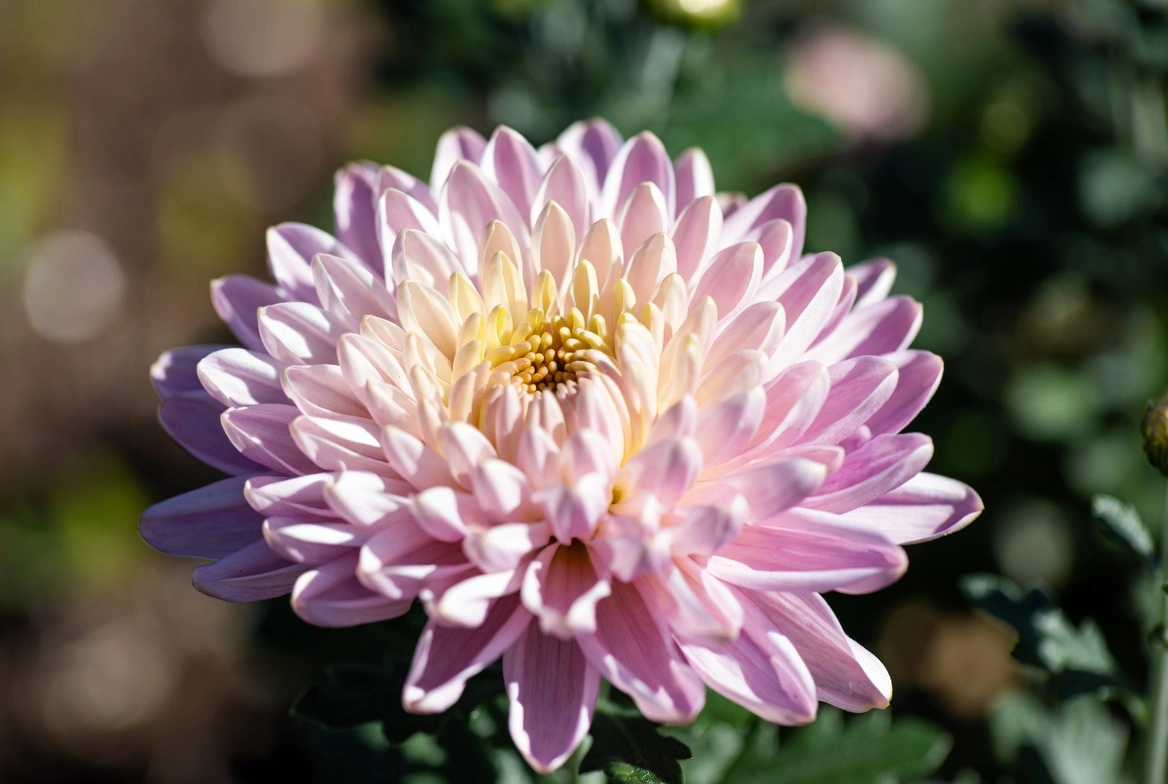
These plants usually benefit from bright sunlight, well-drained soil, and careful watering. They can be grown in containers or directly in garden beds, depending on the variety. Choosing healthy plants and providing enough room for air circulation can reduce the likelihood of certain fungal problems. Their wide range of colors also makes them suitable for combining with other seasonal flowering plants.
How to Choose the Right Flowers for Different Occasions
Flowers often communicate feelings that people find difficult to express in words. For romantic occasions, roses are a familiar choice, while sunflowers and gerberas can create a cheerful impression for birthdays and congratulations. Lilies and orchids are frequently selected for elegant arrangements, and seasonal flowers can make thoughtful gifts without requiring a large budget.
The best choice depends on the recipient, the setting, and the practical requirements of the arrangement. Fragrant flowers may be wonderful for some people but unsuitable for those sensitive to strong scents. Flowers intended for outdoor events should tolerate the local weather, while arrangements for long ceremonies may need varieties that remain attractive after cutting. Considering these details can make a floral gift more personal and useful.
Suggestions for Selecting Flowers
-
Choose flowers according to the occasion, color preference, and recipient’s taste.
-
Consider seasonal availability to find fresher blooms and potentially lower prices.
-
Select long-lasting varieties when arrangements need to remain attractive for several days.
-
Check fragrance and pollen considerations when flowers will be used indoors.
Thoughtful selection can transform a simple bouquet into a meaningful gesture. Even a small arrangement of locally grown flowers can feel special when its colors and varieties reflect the recipient’s preferences.
Seasonal Flowers and Their Growing Conditions
Flowering seasons depend on climate, location, and the variety being cultivated. In many parts of India, cool-season flowers such as petunias, pansies, and certain chrysanthemums are commonly grown during winter. Warm-season favorites such as marigolds, zinnias, and sunflowers can perform well when temperatures and sunlight suit their needs. Tropical varieties, including hibiscus, may flower over extended periods in favorable climates.
Gardeners should avoid assuming that every plant follows the same seasonal schedule. Local rainfall, heat waves, humidity, and changing weather patterns can affect flowering times. A plant that grows successfully in a cooler northern region may require additional shade or moisture management in a hot, dry location. Checking local nursery guidance and observing how plants respond to their environment are practical ways to improve results.
Understanding Sunlight and Water Needs
Most flowering plants need sufficient light to develop healthy leaves and produce blooms. However, the ideal amount varies. Sunflowers generally need full sunlight, while some shade-tolerant flowering plants can grow under filtered light. Placing plants in the correct location from the beginning helps prevent weak growth and limited flowering.
Watering is equally important. Too little water can cause wilting and interfere with flower development, while excessive watering may deprive roots of oxygen and encourage root rot. Containers should have drainage holes, and gardeners should check the soil before watering rather than following a rigid schedule regardless of weather. During hot conditions, some plants need more frequent watering, while cooler or rainy periods may require less.
Simple Tips for Growing Healthy Flowers at Home
Growing flowers at home does not always require a large garden or expensive equipment. A sunny balcony, terrace, windowsill, or small outdoor area can support several flowering plants when containers and growing conditions are chosen carefully. Beginners can start with easy-to-grow varieties such as marigolds, zinnias, and suitable petunias, then gradually experiment with more demanding plants.
Before planting, choose containers that allow proper drainage and provide enough space for root development. Use a suitable growing medium rather than heavy soil that remains waterlogged. Place each plant according to its sunlight requirements, and avoid overcrowding containers because dense growth can reduce airflow. Inspect plants regularly for yellowing leaves, pests, and other signs of stress so that small problems can be addressed before they become serious.
Everyday Flower Care Practices
A consistent routine is more effective than frequent, unnecessary intervention. Remove dead or damaged leaves, clean away faded blooms when appropriate, and apply fertilizer according to the plant’s needs. Avoid giving every flowering plant the same fertilizer dose because nutrient requirements vary by species and growth stage. Overfertilizing can damage roots or encourage excessive leafy growth at the expense of flowers.
It is also helpful to choose plants suited to the amount of time available for care. People with busy schedules may prefer hardy varieties that tolerate ordinary fluctuations in watering, while enthusiastic gardeners may enjoy growing roses, orchids, or other plants that need closer attention. Matching the plant to the environment and the gardener’s routine creates a more enjoyable experience and improves the chances of healthy flowering.
The Importance of Flowers for Nature and Everyday Life
Flowers play an essential role in many ecosystems because they support pollination. Bees, butterflies, and other insects visit flowers to collect nectar or pollen, and these interactions help many plants reproduce. A garden containing several flowering species can offer food resources to different pollinators across the growing season. Native flowering plants can be particularly valuable because local wildlife may be adapted to use them.

Flowers also contribute to emotional well-being and the appearance of shared spaces. People use them to celebrate important milestones, express sympathy, decorate homes, and create peaceful outdoor environments. Gardening itself can provide an opportunity to spend time outside, observe seasonal changes, and develop patience. Even a few flowering pots can make a balcony or entrance feel more welcoming.
For those exploring a flowers name collection, understanding these environmental and cultural roles adds meaning to the process of identification. A flower is not simply an attractive object; it is part of a living system and, in many communities, a familiar part of daily life. Choosing suitable varieties and caring for them responsibly can help preserve these benefits.
Common Mistakes to Avoid When Growing Flowers
One common gardening mistake is choosing a plant solely because its flowers look attractive without checking its environmental requirements. A variety that needs several hours of direct sunlight may struggle on a shaded balcony, while a plant adapted to cooler conditions may suffer in intense summer heat. Researching light, temperature, soil, and space requirements before buying a plant helps prevent disappointment.
Another frequent problem is overwatering. Many people assume that more water automatically produces better growth, but saturated soil can harm roots and reduce flowering. Using suitable containers, checking soil moisture, and adjusting watering to the weather are more reliable practices. Gardeners should also avoid overcrowding plants, ignoring pests, or applying excessive fertilizer in an attempt to encourage faster growth.
Finally, it is important to consider environmental responsibility. Choose plants appropriate for the local climate, avoid introducing invasive species, and use pesticides cautiously, particularly when pollinators are visiting flowers. Healthy gardening practices protect the plants themselves while supporting the surrounding environment.
Conclusion
Flowers bring together natural beauty, cultural significance, environmental value, and practical gardening opportunities. From roses and sunflowers to lotuses, marigolds, jasmine, hibiscus, and chrysanthemums, every variety offers distinctive colors, shapes, fragrances, and growing characteristics. Understanding these differences makes it easier to choose suitable flowers for celebrations, home decoration, landscaping, and personal gardening projects.
Exploring a flowers name guide is a useful first step toward discovering the varieties that best match your needs. Consider the growing climate, available sunlight, watering requirements, and intended purpose before making a selection. Whether you want to create a colorful balcony garden, prepare a thoughtful bouquet, or attract pollinators to an outdoor space, the right flowers can make an ordinary setting more vibrant and welcoming. With careful selection and consistent care, anyone can enjoy the beauty and benefits of flowering plants throughout the year.