

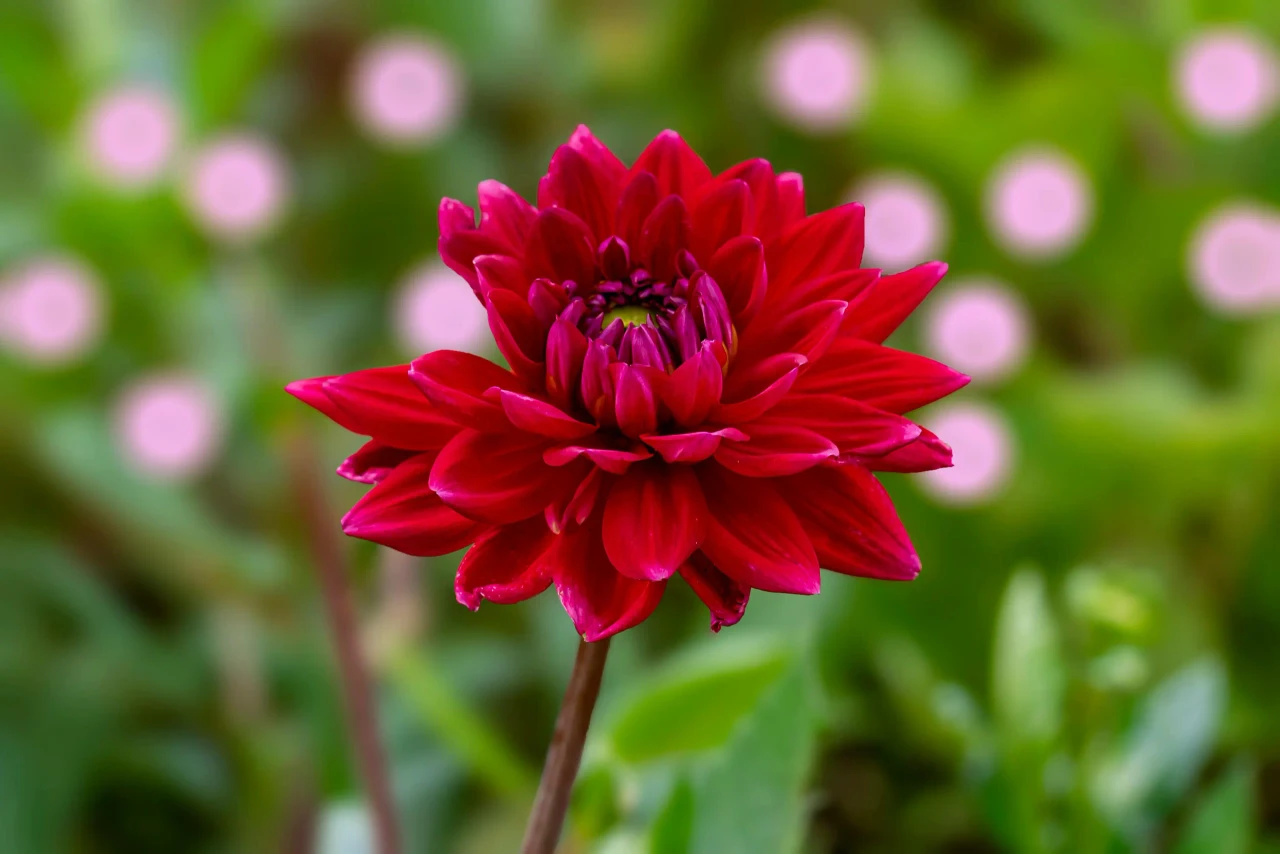

Flowers are among nature’s most beautiful creations, bringing color, fragrance, and freshness into our surroundings. From delicate roses and cheerful sunflowers to elegant lilies and fragrant jasmine, every flower has its own appearance, growing requirements, and cultural significance. Flowers are used to decorate homes, celebrate special occasions, express emotions, and create peaceful outdoor spaces. Learning about different flowers can help people choose the right varieties for gardens, bouquets, festivals, and thoughtful gifts.
Understanding a flowers name is also useful for students, gardening enthusiasts, florists, and anyone who enjoys exploring the natural world. Some flowers are admired for their bright colors, while others are valued for their fragrance, unusual shapes, or ability to attract butterflies and other pollinators. Certain varieties grow best in warm weather, whereas others flourish during cooler months. Knowing these differences makes it easier to select flowers that suit a particular climate, location, and purpose.
Whether you want to identify flowers you see in a garden, prepare a colorful bouquet, or start growing plants at home, understanding their characteristics is a helpful first step. This guide explores popular flower varieties, their meanings, seasonal preferences, and practical growing tips so that beginners and experienced gardeners can make informed choices.
Popular Flowers and Their Names
Flowers come in thousands of varieties, each offering something distinctive. Some are internationally recognized for their symbolism, while others are especially popular in Indian gardens, religious ceremonies, and seasonal celebrations. The following varieties are among the most familiar choices for gardens, bouquets, and decorative arrangements.
1. Rose
The rose is one of the world’s most recognizable flowers and is commonly associated with love, affection, beauty, and admiration. Roses are available in red, pink, white, yellow, orange, and many blended shades. Red roses are traditionally connected with romantic love, while pink varieties often represent appreciation and gratitude. White roses are frequently chosen for elegant arrangements and peaceful occasions.
Roses grow well in locations with adequate sunlight, fertile soil, and good drainage. Regular watering, suitable pruning, and proper air circulation can encourage healthy growth and flowering. Depending on the variety and local climate, roses can be grown in garden beds, containers, and decorative pots.
2. Sunflower
Sunflowers are famous for their large, bright yellow flower heads and distinctive dark centers. Their cheerful appearance makes them popular for summer gardens, floral arrangements, and photography. Sunflowers are often associated with positivity, warmth, happiness, and admiration.
These plants generally prefer sunny locations and well-drained soil. Taller varieties may need additional space and support, while dwarf varieties are suitable for containers and smaller gardens. Sunflowers also provide valuable resources for pollinators, and their seeds can attract birds when the flower heads mature.
3. Lotus
The lotus is a culturally significant aquatic flower, particularly in India, where it is associated with purity, knowledge, spiritual growth, and renewal. Its broad leaves and elegant blossoms make it a distinctive feature of ponds and water gardens. Lotus flowers commonly appear in shades of pink and white, although other cultivated varieties are available.
Lotus plants need suitable aquatic conditions, warm temperatures, and plenty of sunlight. They are typically grown in ponds or sufficiently large water containers with appropriate soil and water depth. Because of their cultural importance, lotus flowers are also used in religious ceremonies and traditional decorations.
4. Jasmine
Jasmine is valued for its delicate white flowers and sweet fragrance. Several jasmine varieties are popular in India, where their blossoms are used in garlands, hair decorations, and festive arrangements. Jasmine is often associated with affection, elegance, freshness, and hospitality.
Most commonly cultivated jasmine varieties prefer warm conditions, sunlight, and well-drained soil. Depending on the species, plants may grow as shrubs or climbing vines. Regular pruning helps maintain their shape and can encourage new growth. Jasmine is particularly suitable for balconies, courtyards, and gardens where its fragrance can be enjoyed.
5. Marigold
Marigolds are widely appreciated for their vibrant yellow, golden, and orange flowers. They are especially popular in India during festivals, weddings, religious celebrations, and community events. Their bright colors make them suitable for garlands, entrances, decorative displays, and garden borders.
Marigolds are generally easy to grow and can tolerate a range of garden conditions when drainage and sunlight are adequate. They are commonly cultivated in pots and flower beds and often bloom generously in suitable weather. Removing faded flowers can encourage continued flowering and keep plants looking attractive.
6. Lily
Lilies are admired for their graceful petals, striking shapes, and elegant appearance. Depending on the variety, their flowers may be white, pink, orange, yellow, or deep red. Lilies are commonly used in bouquets, formal decorations, and special-occasion arrangements because they create a sophisticated visual effect.
Growing requirements differ among lily species, but many prefer fertile, well-drained soil and appropriate sunlight. Some varieties grow from bulbs and flower during particular seasons. Gardeners should also remember that many true lilies are highly toxic to cats, making careful placement important in homes with pets.
7. Hibiscus
Hibiscus plants produce large, colorful flowers that are particularly well suited to tropical and subtropical climates. Their blossoms may be red, yellow, pink, orange, or white, depending on the variety. Hibiscus is a familiar sight in Indian gardens and is also grown in containers for balconies, patios, and sunny outdoor spaces.
These plants generally prefer warmth, sunlight, regular watering, and soil that drains effectively. Healthy hibiscus plants can produce flowers repeatedly during favorable growing conditions. Their broad petals and prominent central structures make them attractive additions to tropical landscaping.
8. Tulip
Tulips are well known for their smooth, cup-shaped flowers and wide range of colors. They are often associated with spring, fresh beginnings, elegance, and affection. Red tulips can suggest romantic feelings, while yellow varieties are commonly connected with cheerfulness.
Tulips are traditionally associated with cooler climates because many varieties require a period of winter chilling to flower successfully. In warmer regions, growing them may require carefully selected bulbs and controlled conditions. Their bright, structured blossoms are especially popular in bouquets and seasonal floral displays.
9. Orchid
Orchids are a diverse family of flowering plants known for their unusual shapes, intricate patterns, and long-lasting blooms in many cultivated varieties. Their flowers may be white, purple, pink, yellow, green, or patterned with several colors. Orchids are frequently selected for elegant gifts, indoor decoration, and specialized plant collections.

Growing orchids successfully depends on the species. Some thrive in humid tropical environments, while others need cooler temperatures or different light conditions. Many popular indoor orchids grow best in specialized, airy growing media rather than ordinary garden soil. Understanding the needs of a particular variety is essential for healthy flowering.
10. Daisy
Daisies are recognized for their simple flower heads, often featuring white petals surrounding a yellow center. Other varieties display pink, purple, or colorful petals. Their fresh appearance is commonly associated with innocence, friendship, simplicity, and happiness.
Many daisies grow well in sunny gardens with moderately fertile, well-drained soil. Some varieties are perennial, returning year after year, while others are cultivated as annual plants. Daisies are useful for borders, cottage-style gardens, and informal bouquets because they combine easily with other flowers.
Flowers Name in English and Their Common Colors
Learning the names of flowers alongside their colors makes identification easier for children, students, travelers, and gardening beginners. Although many flowers are available in several shades, the following table lists common colors associated with popular varieties.
| Flower name | Common colors | Popular use |
|---|---|---|
| Rose | Red, pink, white, yellow | Gifts and bouquets |
| Sunflower | Yellow, golden | Gardens and decorations |
| Lotus | Pink, white | Ponds and ceremonies |
| Jasmine | White, cream | Garlands and fragrance |
| Marigold | Yellow, orange | Festivals and garlands |
| Lily | White, pink, orange, yellow | Bouquets and events |
| Hibiscus | Red, pink, yellow, white | Gardens and landscaping |
| Tulip | Red, yellow, pink, purple | Spring arrangements |
| Orchid | Purple, white, pink, yellow | Indoor decoration |
| Daisy | White, yellow, pink | Borders and bouquets |
| Lavender | Purple, violet | Fragrant gardens |
| Chrysanthemum | Yellow, white, pink, red | Seasonal displays |
| Daffodil | Yellow, white | Spring gardens |
| Petunia | Purple, pink, red, white | Pots and hanging baskets |
| Periwinkle | Blue, purple, pink, white | Ground cover |
Flower colors can vary depending on the species, cultivar, growing conditions, and stage of flowering. Therefore, color alone is not always enough to identify a particular plant.
Different Types of Flowers and Their Meanings
Flowers have played an important role in human traditions for centuries. People use them to express emotions that may be difficult to communicate through words. Although meanings differ between cultures and occasions, certain flowers have become widely associated with particular feelings and values.
Flowers That Represent Love and Affection
Roses are among the most familiar flowers associated with romance, but carnations, tulips, orchids, and certain lilies are also popular choices for expressing affection. The appropriate variety often depends on the relationship and the occasion. A bouquet of red roses may be suitable for an anniversary, while pink carnations or mixed seasonal flowers can communicate appreciation and warmth.
Color also influences the impression created by an arrangement. Soft pinks and whites often produce a gentle, elegant appearance, whereas bright reds and oranges create a more dramatic effect. Rather than following symbolism too strictly, people can choose flowers according to the recipient’s favorite colors, personal preferences, and the message they want to convey.
Flowers Associated With Peace and Positivity
White lilies, daisies, lotus flowers, and sunflowers are often selected for their associations with peace, hope, happiness, and renewal. Their meanings are not universal, but their visual characteristics make them suitable for a range of occasions. White flowers can create a calm atmosphere, while yellow blossoms introduce warmth and brightness.
Flowers can also improve the atmosphere of everyday spaces. A small vase of seasonal blooms on a desk, dining table, or balcony can make a room feel more welcoming. Choosing flowers for personal enjoyment rather than only for special events allows people to appreciate their beauty throughout the year.
Seasonal Flowers and the Best Time to Grow Them
The season in which a flower grows best depends on its species, local temperatures, rainfall, sunlight, and soil conditions. In India, gardeners often select varieties according to the broad seasonal pattern of summer heat, monsoon rainfall, and cooler winter weather. However, local climates differ considerably, so these are general guidelines rather than fixed planting rules.
Summer Flowers
Sunflowers, hibiscus, zinnias, and certain heat-tolerant marigold varieties can perform well in warm conditions when they receive suitable care. Many summer-flowering plants need consistent moisture, especially when grown in containers that dry out more quickly than garden beds. Watering during cooler parts of the day can help reduce unnecessary evaporation.
Gardeners should also consider the intensity of afternoon sunlight. Some flowers flourish in full sun, while others benefit from partial shade during extreme heat. Mulching can help retain soil moisture, and regular observation makes it easier to identify signs of wilting, pests, or heat stress before plants suffer serious damage.
Winter Flowers
Cooler months are often favorable for flowers such as petunias, pansies, calendulas, snapdragons, and some varieties of chrysanthemums in many parts of India. These plants can bring color to gardens when summer species are no longer flowering as strongly. They are commonly grown in pots, raised beds, and decorative borders.
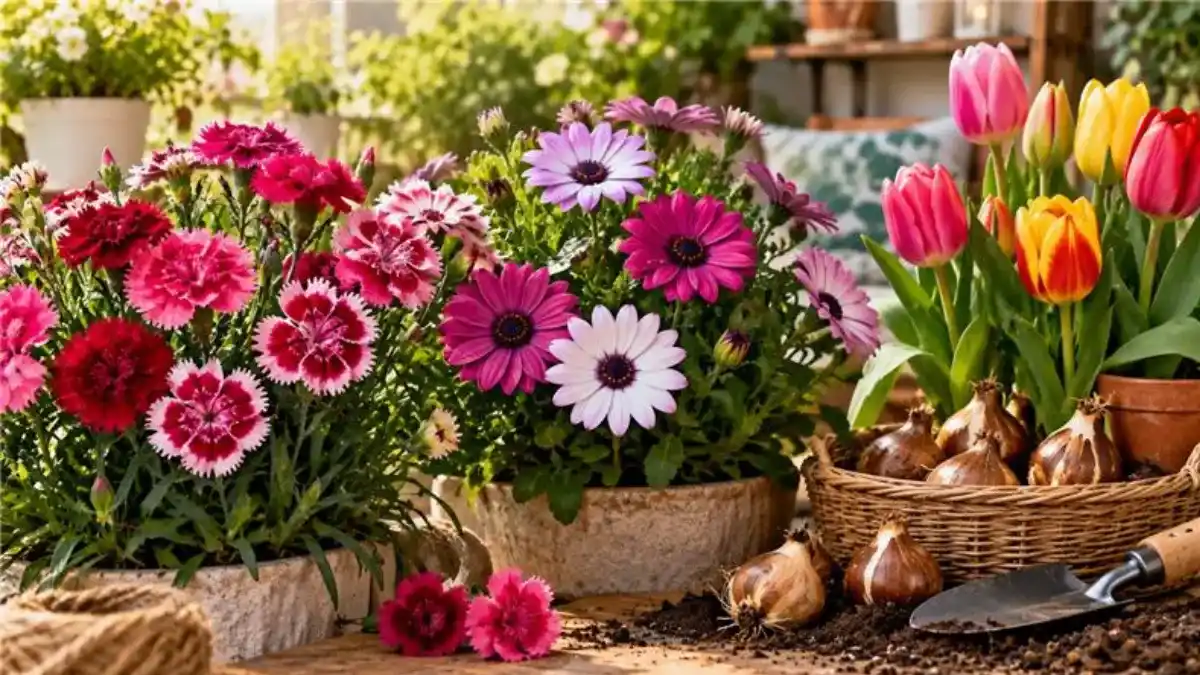
Successful winter gardening begins with selecting suitable varieties and planting them at the appropriate time for the local region. Plants generally benefit from adequate sunlight, healthy soil, and watering that matches the weather. Excessive watering can be a problem during cooler periods because moisture may evaporate more slowly and soil can remain wet for longer.
How to Choose the Right Flowers for Your Garden
Choosing flowers involves more than selecting attractive colors. Gardeners should consider available space, sunlight, watering requirements, soil conditions, maintenance needs, and the purpose of the planting area. A balcony with limited space may be better suited to compact petunias or small marigolds, whereas a large garden can accommodate taller sunflowers, flowering shrubs, and climbing plants.
Another important consideration is whether the flowers are intended for fragrance, decoration, pollinator support, or regular cutting for bouquets. Jasmine may be a good choice for fragrance, while sunflowers and daisies can provide visual interest and support visiting pollinators. People with children or pets should also check plant toxicity before bringing unfamiliar varieties into the home or garden.
A practical approach is to begin with a few easy-to-grow plants and expand the collection as experience increases. Observing how flowers respond to local conditions helps gardeners understand watering schedules, sunlight exposure, and seasonal changes. Over time, a carefully selected mixture of flowering plants can create a garden that remains interesting across different parts of the year.
Simple Tips for Growing Healthy Flowers
Most flowering plants benefit from appropriate sunlight, well-drained soil, suitable watering, and regular observation. However, individual species have different needs, so gardeners should avoid applying exactly the same routine to every plant. A sun-loving sunflower and a shade-tolerant flowering plant, for example, may require very different positions to thrive.
The following practices can help beginners maintain healthier flowering plants:
- Choose varieties suited to your local climate and available sunlight.
- Use containers with drainage holes and avoid leaving roots in standing water.
- Water according to soil moisture and plant needs rather than following a rigid daily schedule.
- Remove dead flowers and inspect leaves regularly for pests or disease.
Fertilizer should be used carefully because excessive nutrients can encourage leafy growth without improving flowering. Similarly, pruning should follow the requirements of the particular plant, as cutting at the wrong time may remove developing flower buds. When gardeners understand these basic principles, maintaining colorful plants becomes easier and more rewarding.
The Importance of Flowers in Everyday Life
Flowers contribute to the environment as well as to human culture. Many flowering plants provide nectar and pollen for bees, butterflies, and other pollinators, which support important ecological processes. Planting a variety of suitable flowers can help provide food for these visitors across different flowering periods. Native species are often particularly valuable because local pollinators may be well adapted to them.
Flowers also have a meaningful place in celebrations, personal relationships, and creative activities. They appear in weddings, festivals, religious observances, birthdays, and remembrance ceremonies. Their colors and fragrances can influence the atmosphere of a space, while arranging or growing them offers an enjoyable hobby for people of different ages.
In addition, learning about flowers encourages curiosity about plant biology, biodiversity, and seasonal changes. Children can practice identification, observe pollinators, and understand how plants develop from seeds or other growing structures. Adults can use gardening to explore sustainable practices, develop patience, and create more inviting outdoor spaces.
Conclusion
Flowers bring beauty, color, fragrance, and meaning to everyday life. From roses and sunflowers to jasmine, lotus, marigolds, and orchids, every variety offers distinctive characteristics that make it suitable for different environments and occasions. Learning a flowers name alongside its appearance, growing requirements, and traditional symbolism helps people make better choices when buying bouquets, decorating homes, or planning gardens.
The best flowers are not necessarily the rarest or most expensive varieties. Often, the most rewarding choices are plants that grow well in the local climate, suit the available space, and provide enjoyment throughout their flowering period. By paying attention to sunlight, soil, water, and seasonal conditions, even beginners can grow attractive flowers successfully.