

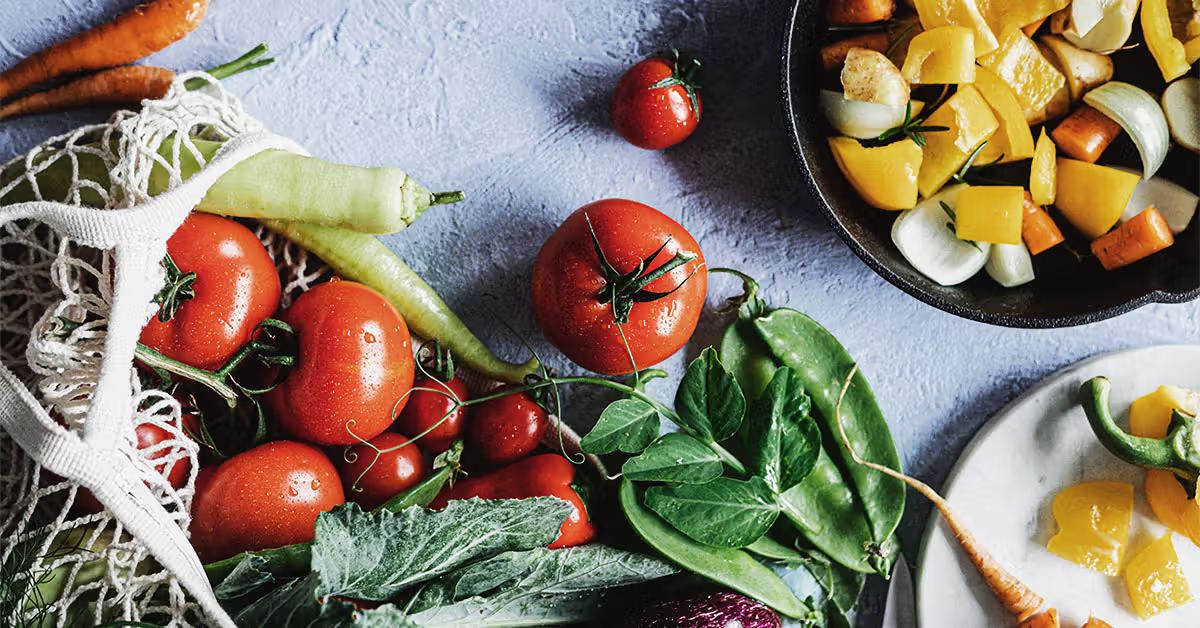

Vegetables are an essential part of a balanced diet because they provide vitamins, minerals, dietary fiber, and other nutrients that support overall health. From leafy greens and colorful root vegetables to crunchy gourds and nutritious beans, different varieties offer unique flavors, textures, and health benefits. Learning about vegetables name lists can help students improve their vocabulary, parents teach children about healthy foods, and families make better choices when planning everyday meals.
In Indian households, vegetables are closely connected to daily cooking traditions. Potatoes, tomatoes, onions, spinach, cauliflower, carrots, peas, and brinjal are commonly used in a wide range of dishes. Depending on the season and region, people also enjoy vegetables such as bottle gourd, ridge gourd, okra, pumpkin, radish, and bitter gourd. These ingredients can be prepared as curries, soups, salads, stir-fries, stuffed dishes, and many other meals.
Understanding different vegetables is useful for more than simply identifying food items. It can help people diversify their diets, reduce dependence on a few familiar ingredients, and discover affordable ways to improve their nutrition. Whether someone is looking for a basic list for schoolwork or practical ideas for healthy cooking, knowing the names, categories, and uses of vegetables makes everyday food choices easier.
What Are Vegetables?
Vegetables are edible plant parts that people commonly consume as part of their meals. Depending on the plant, the edible portion may be a leaf, root, stem, flower, fruit, seed, or bulb. For example, spinach is eaten for its leaves, carrots for their roots, cauliflower for its flower structure, and potatoes for their underground tubers.
In everyday cooking, the word vegetable generally describes plant foods used in savory dishes, although some of them are botanically classified as fruits. Tomatoes, cucumbers, capsicums, pumpkins, and eggplants are common examples. This distinction is important because culinary categories are based mainly on how foods are prepared and eaten, while botanical categories describe the structure and development of plants.
Vegetables are available in fresh, frozen, dried, and preserved forms. Fresh produce is widely used in Indian kitchens, while frozen vegetables can be convenient when particular varieties are unavailable or out of season. Choosing different colors and types throughout the week is a practical way to introduce nutritional variety without making meals complicated.
Complete Vegetables Name List in English
A comprehensive vegetables name list includes familiar everyday foods as well as less commonly used varieties. The following table groups popular vegetables with their common culinary categories and typical uses.
| Vegetable name | Category | Common use |
|---|---|---|
| Potato | Tuber | Curries, fries, and mashed dishes |
| Tomato | Culinary fruit | Gravies, soups, and salads |
| Onion | Bulb | Curries, chutneys, and seasoning |
| Carrot | Root | Salads, soups, and cooked dishes |
| Spinach | Leafy green | Dal, saag, and parathas |
| Cauliflower | Flower | Curries and roasted dishes |
| Cabbage | Leafy vegetable | Stir-fries, salads, and rolls |
| Brinjal (eggplant) | Culinary fruit | Bharta and curries |
| Okra (ladyfinger) | Culinary fruit | Stir-fries and curries |
| Cucumber | Culinary fruit | Salads and raita |
| Radish | Root | Salads, parathas, and curries |
| Beetroot | Root | Salads, soups, and side dishes |
| Green peas | Legume | Pulao, curries, and snacks |
| Bottle gourd | Gourd | Curries and soups |
| Bitter gourd | Gourd | Stuffed dishes and stir-fries |
| Pumpkin | Culinary fruit | Curries, soups, and roasted dishes |
| Capsicum | Culinary fruit | Stir-fries, pizza, and stuffed dishes |
| Broccoli | Flower | Steamed and roasted meals |
| Sweet potato | Tuberous root | Roasted snacks and boiled dishes |
| Garlic | Bulb | Seasoning and sauces |
This list includes many vegetables used in Indian and international cuisines. Some, such as potatoes and onions, are common ingredients in everyday cooking, while others, such as broccoli, are often included in salads, steamed meals, and modern healthy recipes. The best choices depend on availability, personal preferences, cooking habits, and nutritional needs.
Different Types of Vegetables
Vegetables can be classified according to the part of the plant that people eat. This classification makes it easier to understand their characteristics and remember their names. It is also useful for students studying basic science because it connects familiar foods with plant structure.
1. Leafy Green Vegetables
Leafy vegetables include spinach, fenugreek leaves, lettuce, amaranth leaves, mustard greens, and coriander leaves. They are often rich in folate, vitamin K, and other nutrients, although their exact nutritional composition varies. Dark green varieties can contribute important micronutrients to a balanced diet.
These vegetables are particularly popular in Indian cooking. Spinach can be added to lentils, fenugreek leaves can be used in parathas, and mustard greens are traditionally prepared as saag. Leafy vegetables generally require careful washing because soil can collect between their leaves. They can be steamed, sautéed, or cooked in curries, depending on the variety.
2. Root Vegetables
Root vegetables include carrots, radishes, beetroot, turnips, and several other edible underground plant parts. They often contain fiber and carbohydrates, while their vitamins and minerals vary according to the species. Carrots are known for beta-carotene, which the body can convert into vitamin A, while beetroot provides folate and other nutrients.
Root vegetables are versatile because they can be eaten raw when appropriate, boiled, roasted, steamed, or incorporated into soups and curries. Carrots add natural sweetness to dishes, radishes provide a peppery flavor, and beetroot contributes a distinctive color. Keeping a few root vegetables available at home can make it easier to prepare quick meals during busy weekdays.
3. Stem and Flower Vegetables
Some vegetables are eaten mainly for their stems, while others are valued for their flower structures. Asparagus and celery are examples of stem vegetables, whereas broccoli and cauliflower are commonly classified as flower vegetables. These varieties offer different textures and flavors, making them suitable for many cooking methods.
Broccoli and cauliflower can be steamed, roasted, or added to curries. Asparagus is often grilled or sautéed, while celery is used in soups, salads, and other dishes. Light cooking can improve texture and make certain vegetables more appealing, but preparation methods should be chosen according to the food and the desired result.
4. Fruiting Vegetables
Fruiting vegetables are plant foods whose edible portions develop from flowers and contain seeds. Tomatoes, cucumbers, capsicums, eggplants, and many gourds belong to this group botanically, although they are generally treated as vegetables in cooking.
These foods can add freshness, color, and moisture to everyday meals. Tomatoes are frequently used in gravies, cucumbers are popular in salads, and capsicums provide a mild sweetness and crisp texture. Eggplants can be roasted, grilled, or cooked into rich curries. Including several varieties helps prevent meals from becoming repetitive.
5. Legume Vegetables
Green peas, green beans, broad beans, and cluster beans are examples of vegetables from the legume family. Many legumes provide dietary fiber, and their nutrient content depends on whether they are eaten fresh, dried, or processed. Mature dried beans and pulses are especially useful sources of plant protein.
Fresh green peas can be added to pulao, mixed vegetable curry, and soups. Green beans work well in stir-fries and lightly spiced side dishes. These vegetables can contribute to satisfying meals when combined with whole grains, other vegetables, and suitable protein sources.
Nutritional Benefits of Eating Vegetables
Vegetables contribute to good nutrition by supplying a combination of vitamins, minerals, fiber, water, and naturally occurring plant compounds. Different varieties have different nutritional profiles, so eating a range of vegetables is generally more beneficial than relying on only one or two types. For example, leafy greens provide nutrients such as folate and vitamin K, carrots supply beta-carotene, and tomatoes contain vitamin C and lycopene.
Dietary fiber is another important benefit. It supports normal bowel function and can help people feel satisfied after meals. Fiber-rich vegetables can be especially useful when combined with whole grains, legumes, nuts, and other nutritious foods. However, individual needs vary, and people with specific digestive conditions may require personalized dietary advice.
Vegetables can also support heart health and overall dietary quality when they replace some foods high in excess salt, added sugar, or saturated fat. Potassium-containing vegetables may contribute to healthy blood pressure regulation as part of a balanced diet. No single vegetable prevents or cures a disease, but regularly consuming a varied diet can contribute to long-term well-being.
How to Include More Vegetables in Your Daily Diet
Adding more vegetables does not require expensive ingredients or complicated recipes. Small adjustments to familiar meals can make a meaningful difference. For example, chopped carrots, peas, and beans can be added to rice dishes, while spinach can be mixed into lentils. Tomatoes, cucumbers, carrots, and onions can also be combined to prepare a quick side salad.
A practical approach is to plan meals around the produce available in the local market. Seasonal vegetables are often easier to find and may offer better value than less readily available varieties. Frozen vegetables can also be useful when fresh options are limited, provided they are stored and prepared according to package instructions.
Here are a few simple ways to increase vegetable intake:
-
Add at least one vegetable to lunch and dinner.
-
Include different colors throughout the week.
-
Prepare vegetable-rich soups, curries, or stir-fries.
-
Keep washed, safely stored produce ready for convenient meals.
These habits can help families develop a more varied eating pattern without making everyday cooking unnecessarily difficult. People should also consider portion sizes, cooking methods, and their individual nutritional requirements.
Seasonal Vegetables and Smart Shopping
Seasonality affects the availability, price, freshness, and variety of vegetables. In India, winter commonly brings vegetables such as carrots, peas, cauliflower, radishes, and several leafy greens to many local markets. Summer markets may offer cucumbers, gourds, okra, and other produce suited to warmer conditions. Availability differs across states, local climates, and farming regions, so these are general patterns rather than fixed rules.
Buying seasonal produce can help households manage food expenses and discover varieties they might not otherwise use. When shopping, look for vegetables with a fresh appearance, appropriate firmness, and no obvious signs of spoilage. Leafy greens should not be excessively wilted, while root vegetables should generally be firm and free from extensive soft or rotten areas.
It is equally important to store produce properly. Some vegetables need refrigeration, while certain varieties are better kept in a cool, dry, well-ventilated place. Washing vegetables before preparation helps remove soil and debris, but storing wet produce for long periods can encourage spoilage. Following suitable food-handling practices helps maintain quality and reduce waste.
Common Mistakes to Avoid When Preparing Vegetables
One common mistake is cooking every vegetable in the same way. Some varieties benefit from roasting or sautéing, while others are better steamed or incorporated into soups. Excessive cooking may affect texture and reduce certain heat-sensitive nutrients. At the same time, appropriate cooking can improve the digestibility, flavor, and safety of many vegetables, so raw preparation is not always the best option.
Another mistake is relying on a narrow selection of produce. Eating potatoes, onions, and tomatoes regularly is perfectly normal, but adding leafy greens, legumes, roots, and seasonal varieties can improve dietary diversity. People should also avoid assuming that fresh vegetables are always nutritionally superior to every frozen alternative. Properly frozen vegetables can retain substantial nutrients and offer a convenient option.
Finally, vegetables should not be treated as a substitute for an entire balanced diet. Whole grains, protein-rich foods, healthy fats, and other food groups also matter. The aim is to create meals that are varied, satisfying, and appropriate for a person’s age, activity level, and health needs.
Conclusion
Learning about vegetables is a useful step toward healthier eating, better meal planning, and stronger food awareness. From familiar potatoes, tomatoes, and onions to leafy greens, root vegetables, legumes, and gourds, each category offers different culinary possibilities and nutritional characteristics. Understanding these differences can help people choose ingredients that suit their preferences, budgets, and everyday routines. A well-planned vegetables name list is useful for students, parents, home cooks, and anyone interested in expanding their knowledge of common foods. It can also encourage people to explore seasonal produce and experiment with new recipes rather than repeatedly choosing the same ingredients.