

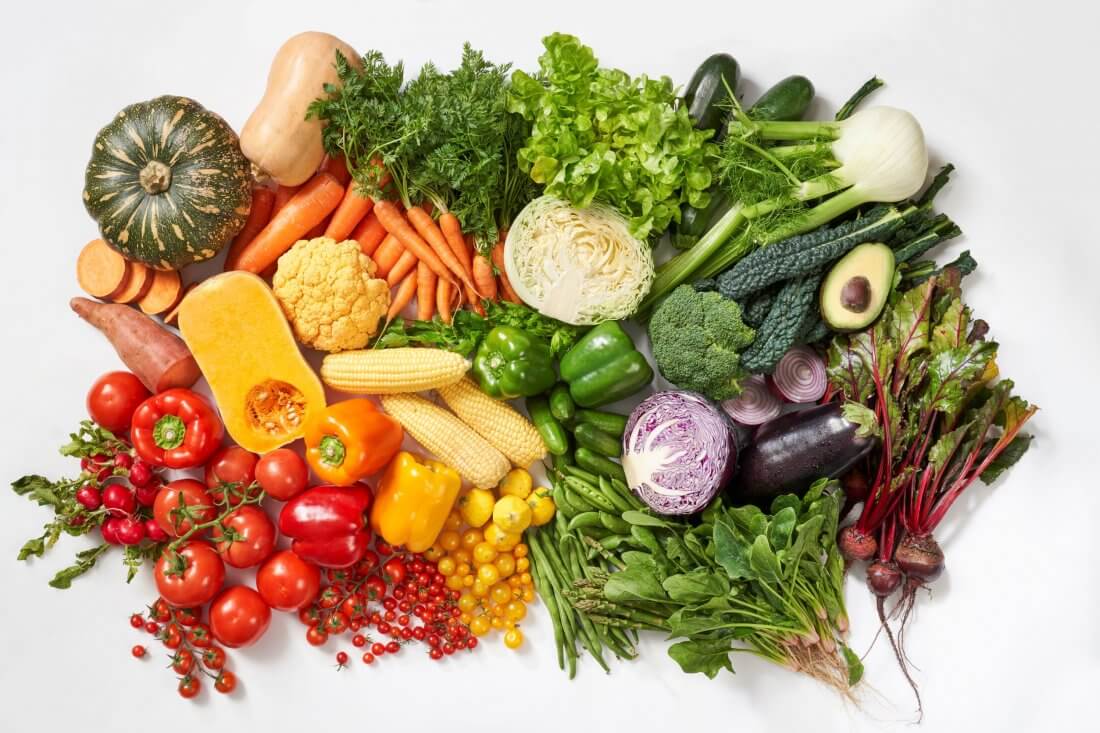

Vegetables are an essential part of a balanced diet, providing vitamins, minerals, dietary fiber, and other nutrients that support overall health. From leafy greens and colorful root vegetables to crunchy gourds and nutritious beans, each variety offers a different combination of nutrients, flavors, and culinary uses. Learning the names of common vegetables can help people make better food choices, plan balanced meals, and discover new ingredients for everyday cooking.
Understanding a vegetables name list is useful for children learning basic vocabulary, students completing school assignments, families planning weekly groceries, and anyone interested in healthy eating. Vegetables are available in different shapes, sizes, colors, and textures, making them suitable for countless recipes. Some are eaten raw in salads, while others become softer and more flavorful when cooked. Many vegetables are also affordable, widely available, and easy to incorporate into traditional meals.
In India, vegetables play an important role in daily food habits, with seasonal varieties appearing in curries, dals, parathas, soups, stir-fries, and regional specialties. Knowing the different categories and uses of vegetables makes grocery shopping more convenient and encourages dietary variety. This guide explores common vegetable names, their classifications, nutritional contributions, and practical ways to enjoy them.
What Are Vegetables?
Vegetables are edible plant parts commonly used in savory dishes. Depending on the plant, the edible portion may be a leaf, root, stem, flower, fruit, or seed. Although culinary traditions generally classify vegetables separately from fruits, botanical classifications sometimes differ. For example, tomatoes, cucumbers, and eggplants are botanically fruits because they develop from flowers and contain seeds, but they are commonly treated as vegetables in cooking.
Vegetables contribute to a balanced diet because they provide a variety of essential nutrients without requiring complicated preparation. Many contain fiber that supports digestive health, while different varieties supply vitamins and minerals needed for normal bodily functions. Their natural colors also reflect the presence of different plant compounds. Eating a mixture of vegetables rather than relying on just one type is a practical way to benefit from their diverse nutritional profiles.
Common Vegetables Name List
Vegetables can be organized into groups according to their edible parts, appearance, and culinary characteristics. This makes it easier to identify unfamiliar varieties and understand how they are commonly prepared.
The following table contains frequently used vegetable names, including varieties popular in Indian households and many international cuisines.
| Vegetable name | Common category | Common culinary use |
|---|---|---|
| Potato | Tuber | Curries, fries, and mashed dishes |
| Tomato | Culinary fruit | Sauces, salads, and gravies |
| Onion | Bulb | Curries, soups, and seasoning |
| Carrot | Root | Salads, soups, and cooked dishes |
| Radish | Root | Salads, parathas, and pickles |
| Beetroot | Root | Salads, juices, and side dishes |
| Spinach | Leafy green | Saag, soups, and stir-fries |
| Cabbage | Leafy vegetable | Salads, rolls, and stir-fries |
| Cauliflower | Flower | Curries, roasted dishes, and parathas |
| Broccoli | Flower | Steamed dishes and stir-fries |
| Cucumber | Culinary fruit | Salads and raita |
| Eggplant | Culinary fruit | Bharta, curries, and roasted dishes |
| Okra | Seed pod | Curries and stir-fries |
| Green peas | Seed | Curries, pulao, and soups |
| Bottle gourd | Culinary fruit | Curries and cooked preparations |
| Bitter gourd | Culinary fruit | Stuffed dishes and stir-fries |
| Pumpkin | Culinary fruit | Soups, curries, and roasted dishes |
| Sweet potato | Tuberous root | Roasted snacks and boiled dishes |
| Green beans | Seed pod | Stir-fries and mixed vegetables |
| Turnip | Root | Soups, curries, and roasted dishes |
Types of Vegetables and Their Characteristics
1. Leafy Green Vegetables
Leafy vegetables are valued for their tender leaves, distinctive flavors, and nutritional variety. Common examples include spinach, fenugreek leaves, amaranth leaves, lettuce, kale, and mustard greens. They can be prepared in several ways, including steaming, sautéing, boiling, or adding them to soups and traditional dishes. In Indian cooking, spinach and mustard greens are frequently used in preparations that combine vegetables with spices, lentils, or other ingredients.
Many leafy greens provide folate, vitamin K, and other nutrients, although their exact nutritional content varies by variety and preparation method. Some also contain iron and calcium, but the body does not absorb all forms of these minerals equally well. Combining plant foods with vitamin C-rich ingredients, such as lemon or tomatoes, can improve the absorption of non-heme iron. Washing leafy vegetables carefully and cooking them appropriately helps make them convenient additions to everyday meals.
2. Root Vegetables
Root vegetables grow underground and store nutrients that support plant growth. Popular examples include carrots, radishes, beetroots, turnips, and sweet potatoes. Their textures range from crisp and juicy to dense and starchy, giving them different roles in cooking. Carrots are commonly added to salads and soups, radishes are used in stuffed flatbreads, and beetroots can provide natural color to salads and cooked dishes.
Root vegetables can contribute fiber, vitamins, and minerals to the diet. Carrots contain beta-carotene, which the body can convert into vitamin A, while sweet potatoes provide carbohydrates and may also supply substantial beta-carotene depending on their variety. Their natural flavors can become sweeter when roasted, making them useful in meals that require little additional seasoning. Choosing a variety of root vegetables helps add different textures and nutrients to a weekly menu.
3. Stem and Bulb Vegetables
Stem and bulb vegetables include celery, asparagus, onions, garlic, leeks, and spring onions. Their edible portions develop differently from those of leafy greens and roots, and they are often used to build flavor in everyday cooking. Onions and garlic are especially common ingredients in Indian kitchens, where they form the base of many gravies, sauces, and vegetable dishes. Celery and asparagus are more frequently used in certain international cuisines but can also be incorporated into soups, salads, and roasted meals.
These vegetables contribute distinctive flavors and different plant compounds. Onions and garlic contain sulfur-containing compounds, while asparagus supplies fiber and several vitamins. They can be combined with other vegetables to create balanced meals without relying entirely on salt or heavy sauces for flavor. Proper storage in a cool, dry, or refrigerated environment, depending on the vegetable, helps maintain freshness and reduce unnecessary food waste.
4. Flower Vegetables
Flower vegetables are plants whose edible portions are flower buds or flowering structures. Cauliflower, broccoli, and artichokes are familiar examples. Cauliflower is widely used in Indian dishes such as aloo gobi and vegetable curries, while broccoli is commonly steamed, roasted, or added to pasta and stir-fries. These vegetables absorb seasonings well and can be prepared with spices, herbs, or modest amounts of oil.
Broccoli and cauliflower belong to the cruciferous vegetable family. They provide fiber, vitamin C, and other nutrients in varying amounts. Broccoli also contains vitamin K and several plant compounds that are being studied for their roles in human health. Including these vegetables alongside other colorful produce helps improve dietary variety. Their flavor and texture can change significantly depending on cooking time, so lightly steaming or roasting them may help preserve a pleasant texture.
5. Fruit Vegetables
Some plants are botanically classified as fruits but are treated as vegetables in everyday cooking. Tomatoes, cucumbers, eggplants, bell peppers, pumpkins, and gourds belong to this culinary category. These foods are common in curries, salads, soups, grilled dishes, and regional recipes. Tomatoes provide acidity and depth to gravies, cucumbers add a refreshing crunch, and eggplants develop a soft texture when roasted or cooked slowly.
Fruit vegetables can supply water, fiber, vitamins, and various plant compounds. Tomatoes contain lycopene, while bell peppers can provide vitamin C in substantial amounts. Pumpkins contain carotenoids, although the precise composition varies by variety. Their different colors and flavors make them versatile ingredients that can be used in both simple home cooking and more elaborate meals.
6. Legumes and Seed Vegetables
Green peas, green beans, fresh broad beans, and other edible pods or seeds are often included among vegetables in culinary settings. Their nutritional characteristics differ from those of leafy vegetables because some contain more protein or starch. Green peas, for example, contribute carbohydrates, fiber, and plant protein, while green beans provide fiber and several micronutrients.
These vegetables can make meals more filling when combined with grains, other vegetables, and suitable protein sources. Peas can be added to pulao, soups, and curries, while beans work well in stir-fries and mixed vegetable dishes. Fresh, frozen, and appropriately stored canned varieties can all be convenient options. Frozen vegetables can be particularly useful because they reduce preparation time and make certain ingredients available outside their main growing season.
Health Benefits of Eating Vegetables Regularly
Vegetables support several aspects of general health when included as part of a varied and balanced diet. Their fiber content can support regular bowel movements and contribute to a healthy digestive system. Fiber-rich foods may also help people feel satisfied after meals, which can make balanced eating habits easier to maintain. Different vegetables provide different nutrients, so eating a broad selection is generally more beneficial than depending on only a few familiar options.
Vegetables also supply vitamins, minerals, water, and plant compounds that contribute to normal bodily functions. Vitamin C supports normal immune function and collagen formation, while folate is important for cell division. Potassium helps support normal muscle and nerve function, and vitamin A is essential for vision and other biological processes. These nutrients are distributed differently across vegetables, which is another reason to vary food choices throughout the week.
A vegetable-rich diet can also contribute to long-term health when combined with regular physical activity, adequate sleep, and other balanced dietary habits. However, no individual vegetable guarantees protection from disease, and vegetables should not be viewed as a replacement for medical care. Their greatest value comes from being part of an overall eating pattern that includes a suitable balance of whole grains, protein sources, fruits, and healthy fats.
How to Include More Vegetables in Daily Meals
Adding vegetables to meals does not require expensive ingredients or complicated recipes. Simple changes can increase variety without significantly changing established food habits. For example, chopped carrots and peas can be mixed into rice, spinach can be added to dal, and grated vegetables can be incorporated into parathas. Cucumber, tomato, and onion salads can accompany lunch or dinner, while vegetable soups provide another way to combine several ingredients in one dish.
Planning meals in advance can also make vegetable consumption more consistent. Choose produce according to seasonal availability, household preferences, and the time available for cooking. Frozen vegetables are useful when fresh options are inconvenient, and leftovers can be incorporated into soups, wraps, or mixed dishes. Washing, cutting, and storing vegetables safely after shopping can make everyday preparation easier.
A few practical habits can help build a varied routine:
- Add at least one vegetable to lunch and dinner.
- Choose different colors and varieties throughout the week.
- Keep convenient options such as frozen peas or chopped carrots available.
- Use steaming, roasting, sautéing, or boiling according to the vegetable.
The goal is not to prepare elaborate meals every day. Consistent, manageable choices can help households include more vegetables without creating unnecessary expense or food waste.
Tips for Buying and Storing Fresh Vegetables
Selecting fresh produce begins with checking its appearance, firmness, and smell. Most vegetables should look reasonably fresh for their variety, without extensive mold, unusual sliminess, or significant signs of decay. Leafy greens should generally appear crisp rather than wilted, while root vegetables should not be excessively soft or badly damaged. Natural differences in shape and size do not necessarily indicate poor quality, so appearance should be considered alongside freshness and condition.
Storage requirements vary considerably. Leafy greens and many tender vegetables generally last longer when refrigerated, while dry onions and garlic are commonly kept in a cool, dry, well-ventilated place. Potatoes are best stored away from direct sunlight in a cool location. Some vegetables can be washed before storage if they are dried thoroughly, but excess moisture may shorten the shelf life of others. It is often practical to wash produce shortly before preparation, unless a particular storage method calls for otherwise.
Buying seasonal produce can improve variety and may reduce costs, although prices depend on location, weather, transport, and supply. Purchasing reasonable quantities also prevents vegetables from spoiling before they are used. If a vegetable begins to deteriorate, assess its condition carefully rather than automatically assuming that cooking will make spoiled food safe.
Common Mistakes to Avoid When Eating Vegetables
One common mistake is eating the same few vegetables repeatedly while overlooking other available varieties. Potatoes, onions, and tomatoes are useful ingredients, but rotating them with leafy greens, roots, legumes, gourds, and cruciferous vegetables can broaden the range of nutrients in the diet. Another mistake is cooking every vegetable for the same length of time. Tender spinach requires much less cooking than firm root vegetables, and overcooking can affect texture, flavor, and some heat-sensitive nutrients.
It is also important not to assume that raw vegetables are always healthier than cooked ones. Cooking can reduce certain heat-sensitive vitamins, but it can also improve the availability of some compounds and make particular vegetables easier to digest. The best method depends on the food and the overall meal. Using moderate cooking times, safe food-handling practices, and a variety of preparation methods is a sensible approach for most households.
Conclusion
Learning about different vegetables helps people make informed food choices, discover new ingredients, and prepare more varied meals. From leafy greens and root vegetables to flower vegetables, bulbs, gourds, and edible seeds, each category offers distinct flavors, textures, and nutritional contributions. A well-planned diet does not depend on expensive produce or complicated recipes; simple combinations of familiar vegetables can provide variety and convenience. A useful vegetables name list can support school learning, grocery planning, cooking, and everyday nutrition awareness. By choosing seasonal produce, storing it properly, experimenting with different cooking methods, and including a range of colors in meals, people can make vegetables a consistent part of their routine. The most practical approach is to build sustainable habits that suit personal preferences, local availability, and household budgets while enjoying the diversity that vegetables bring to the table.