

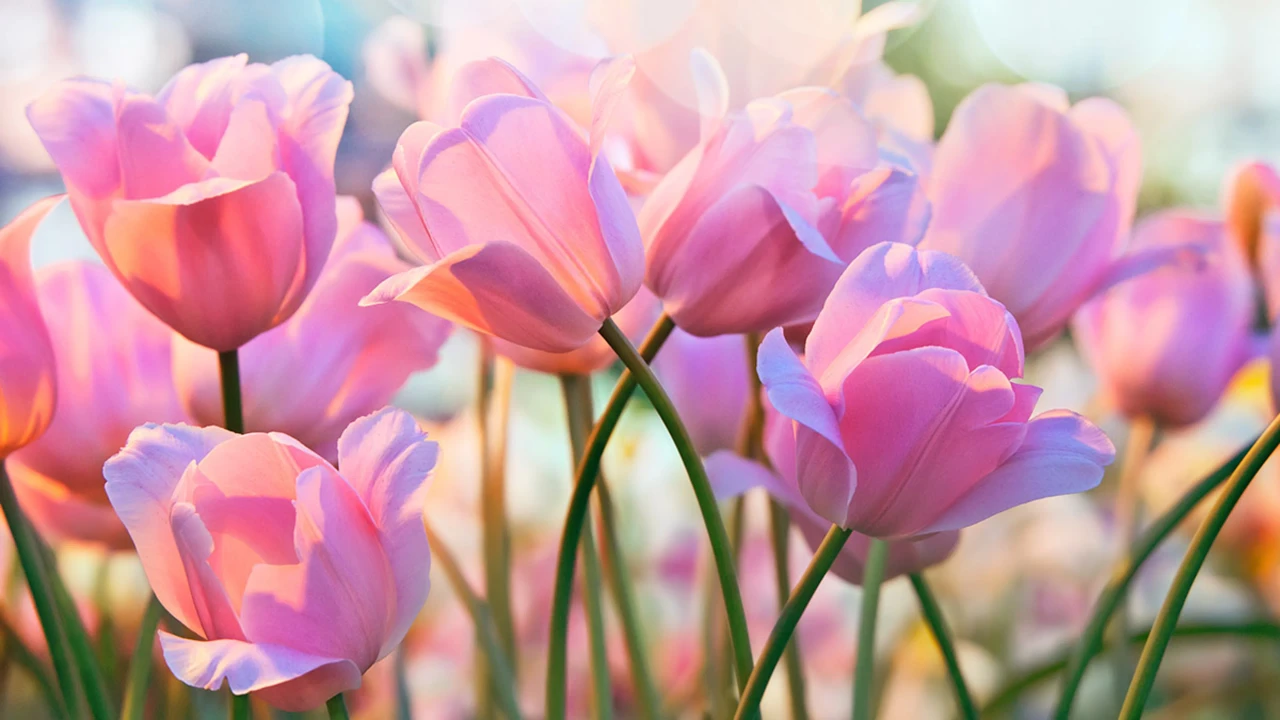

Flowers are among nature’s most beautiful creations. They bring color to gardens, brighten homes, express emotions, and make special occasions memorable. From delicate roses and cheerful sunflowers to elegant lilies and fragrant jasmine, every flower has its own appearance, fragrance, and significance. Some flowers are admired for their vibrant colors, while others are valued for their soothing fragrance, cultural importance, or ability to attract butterflies and other pollinators.
Learning different flowers name is useful for students, gardening enthusiasts, nature lovers, and anyone who wants to understand the world of plants better. Children often learn flower names as part of their early education, while adults may explore them when choosing plants for balconies, gardens, weddings, or home decoration. Knowing a flower’s name can also help people identify suitable varieties for different climates, growing conditions, and personal preferences.
In this guide, you will discover popular flowers from around the world, their common colors, meanings, and uses. You will also learn about seasonal flowers, flowering plants for home gardens, fragrant varieties, and practical tips for choosing blooms that suit your needs. Whether you want to expand your vocabulary or create a beautiful garden, this article offers a helpful introduction to the fascinating diversity of flowers.
What Are Flowers and Why Are They Important?
Flowers are the reproductive structures of flowering plants, scientifically known as angiosperms. They play an essential role in plant reproduction by supporting pollination and the development of seeds. Many flowers attract bees, butterflies, birds, and other pollinators through their colors, scents, nectar, and shapes. These relationships help maintain healthy ecosystems and support the reproduction of numerous plant species.
Beyond their biological importance, flowers have a significant place in human life. They are used for decoration, religious ceremonies, festivals, celebrations, and expressions of affection or sympathy. Some varieties are cultivated for perfumes, essential oils, natural dyes, and traditional cultural practices. Flowers also contribute to the beauty of public parks, roadsides, residential gardens, and agricultural landscapes. Understanding their characteristics makes it easier to select suitable plants for different environments.
100+ Popular Flowers Name With Their Common Colors
Flowers come in countless shapes, sizes, fragrances, and colors. Some grow on trees, others develop on shrubs, and many flourish as seasonal annuals or perennial garden plants. The following table introduces 30 familiar flowers and their commonly seen colors.
| Flower name | Common colors | Popular use |
|---|---|---|
| Rose | Red, pink, white, yellow | Bouquets and gardens |
| Sunflower | Yellow, golden | Gardens and cut flowers |
| Lotus | Pink, white | Ponds and cultural ceremonies |
| Jasmine | White, cream | Fragrance and gardens |
| Marigold | Yellow, orange | Decorations and festivals |
| Lily | White, pink, orange, yellow | Bouquets and landscaping |
| Tulip | Red, pink, purple, yellow | Spring gardens |
| Daisy | White, yellow, pink | Borders and bouquets |
| Hibiscus | Red, pink, yellow, white | Tropical gardens |
| Orchid | Purple, white, pink | Indoor decoration |
| Lavender | Purple, blue-violet | Fragrance and landscaping |
| Chrysanthemum | Yellow, white, pink, purple | Seasonal displays |
| Daffodil | Yellow, white | Spring gardens |
| Carnation | Red, pink, white | Floral arrangements |
| Gerbera | Red, orange, pink, yellow | Bouquets |
| Poppy | Red, orange, pink | Ornamental gardens |
| Petunia | Purple, pink, white, red | Pots and hanging baskets |
| Zinnia | Red, orange, pink, yellow | Summer gardens |
| Bougainvillea | Pink, purple, red, white | Walls and fences |
| Periwinkle | Pink, white, purple | Ground cover |
| Magnolia | White, pink, purple | Ornamental trees |
| Plumeria | White, yellow, pink | Tropical landscapes |
| Sweet pea | Pink, purple, white | Fragrant gardens |
| Morning glory | Blue, purple, pink | Climbers and trellises |
| Pansy | Purple, yellow, white | Winter and cool-season beds |
| Foxglove | Purple, pink, white | Cottage gardens |
| Cosmos | Pink, white, purple | Summer borders |
| Freesia | White, yellow, pink, purple | Fragrant bouquets |
| Aster | Purple, pink, white | Autumn gardens |
| Snapdragon | Red, pink, yellow, white | Flower beds and arrangements |
These colors represent common varieties rather than every possible shade. Modern cultivation has produced many hybrids with distinctive patterns, mixed colors, and unusual flower forms. For example, roses are available in numerous shades, while orchids can display spotted petals, stripes, and intricate color combinations.
Popular Flowers and Their Meanings
Rose: A Symbol of Love and Appreciation
The rose is one of the most recognized flowers worldwide. Its layered petals, attractive shape, and wide range of colors make it a favorite for romantic celebrations, anniversaries, birthdays, and formal events. Red roses are commonly associated with romantic love, pink roses with appreciation, yellow roses with friendship, and white roses with purity or remembrance. These meanings can vary across cultures, so the context in which a rose is given also matters.
Roses grow on shrubs and climbing plants, depending on the variety. They generally perform best with adequate sunlight, well-drained soil, and regular watering. Gardeners can choose compact varieties for containers or climbing roses for arches and fences. Removing spent blooms and providing appropriate care can encourage healthy growth and, in many varieties, repeated flowering.
Sunflower: A Flower Associated With Happiness
Sunflowers are famous for their large flower heads and bright yellow petals. Their cheerful appearance makes them popular in home gardens, flower arrangements, and educational projects. Depending on the variety, sunflowers can grow into tall plants with impressive blooms or remain compact enough for containers. Their seeds also provide food for birds and can be harvested from suitable varieties.
These plants generally prefer full sunlight and soil that drains well. Taller varieties may need support in windy locations, while dwarf varieties are easier to grow in smaller spaces. Sunflowers can also help introduce children to gardening because their growth is easy to observe and their broad flower heads are visually distinctive.
Lotus: Beauty in Aquatic Environments
The lotus is an aquatic flowering plant known for its striking blossoms and broad leaves. It grows in suitable ponds and shallow-water environments, where its flowers rise above the water’s surface. In several Asian cultures, the lotus represents purity, renewal, peace, and spiritual growth. It is also an important cultural symbol in India and other countries.
Growing lotus requires more specialized conditions than growing ordinary garden flowers. Many varieties need a warm, sunny location and a suitable aquatic container or pond. Gardeners should choose a variety appropriate for the available space because some lotus plants spread considerably. With proper conditions, the plant can produce beautiful flowers throughout its active growing season.
Jasmine: A Favorite for Its Fragrance
Jasmine is appreciated for its delicate blossoms and distinctive fragrance. Many jasmine varieties produce white flowers, although some have yellow or other-colored blooms. The plant is widely grown in warm regions and is valued for gardens, garlands, and cultural ceremonies. Certain species are also used in perfumery and scented products.
Jasmine plants vary in their growth habits. Some grow as shrubs, while others climb over supports or fences. Most popular garden varieties need suitable sunlight, well-drained soil, and watering that matches their growing conditions. Their fragrance can make them especially appealing near entrances, patios, and outdoor seating areas.
Lily: Elegance and Variety
Lilies are admired for their large, graceful flowers and varied colors. Depending on the species and cultivar, their blooms may be white, yellow, orange, pink, or deep red. They are popular in bouquets, landscaped gardens, and formal floral arrangements. Different lily varieties have different fragrances, so selecting the right type can help meet particular decorative preferences.
Many lilies grow from bulbs and benefit from well-drained soil and appropriate sunlight. Some prefer cooler conditions around their roots, while others perform well in warmer climates. An important safety consideration is that true lilies are extremely toxic to cats, and even small exposures can cause serious illness. Homes with cats should avoid keeping true lilies where pets could contact them or their pollen.
Different Types of Flowers Based on Their Growing Season
Flowering seasons depend on local temperatures, rainfall, sunlight, and the specific variety being cultivated. A flower that blooms during spring in a temperate country may grow during a different season in a warmer region. In India, for example, gardeners often choose plants according to summer heat, monsoon humidity, and winter temperatures.
Spring and Cool-Season Flowers
Tulips, daffodils, pansies, and some varieties of petunias are associated with spring or cooler growing conditions. They can bring fresh color to gardens after colder periods. In warmer parts of India, cool-season flowers such as calendula, pansy, and certain petunias are often grown during winter when temperatures are more suitable.
These plants usually benefit from good drainage and watering that keeps the soil appropriately moist without making it waterlogged. Some varieties require a period of cold weather to flower successfully, which means they may not perform well in every Indian climate. Selecting varieties suited to the local region is more effective than relying on a general seasonal calendar.
Summer Flowers
Zinnias, sunflowers, cosmos, and heat-tolerant varieties of marigolds can add vibrant colors to gardens during warmer months. Their suitability depends on local conditions, because intense heat can affect flowering even in plants that generally tolerate summer weather. In particularly hot areas, partial protection from harsh afternoon sunlight may help certain varieties.
Regular observation is important during hot weather. Containers dry out more quickly than garden beds, so potted plants may require more frequent watering. Applying a suitable layer of organic mulch can help reduce moisture loss, while removing dead or damaged flowers can keep many ornamental plants looking attractive.
Monsoon and Humid-Weather Flowers
Rainy weather can support the growth of many tropical and subtropical flowering plants, including hibiscus and bougainvillea in suitable conditions. However, excessive moisture can also encourage fungal diseases, root problems, and damage to delicate petals. Heavy rainfall may flatten taller plants or wash away nutrients from exposed soil.
Gardeners should pay attention to drainage during the monsoon season. Pots need unobstructed drainage holes, and garden beds should not remain waterlogged. Allowing adequate airflow between plants and removing diseased foliage can reduce some common moisture-related problems.
Flowers Name for Home Gardens and Balconies
Choosing flowers for a home garden depends on available sunlight, container size, local climate, and the amount of time available for maintenance. A sunny balcony may suit petunias, marigolds, gerberas, or compact zinnias, while a shaded area may require plants that tolerate lower light levels. Before buying plants, observe how many hours of direct sunlight the space receives.
Containers also influence plant health. Small pots dry out quickly and restrict root development, while oversized containers can retain too much moisture if the soil drains poorly. Select pots with drainage holes and use a suitable growing medium for the particular plant. Regularly inspect leaves and stems for pests, discoloration, and signs of overwatering.
For beginners, the following options are worth considering:
-
Marigolds for bright flowers and relatively straightforward care.
-
Zinnias for colorful blooms in sunny locations.
-
Petunias for containers and hanging baskets in suitable weather.
-
Hibiscus for larger outdoor spaces in warm climates.
-
Jasmine for fragrance where its light and temperature requirements can be met.
No single plant is ideal for every home. Checking local growing recommendations before purchasing seeds or seedlings can prevent disappointment and reduce unnecessary maintenance.
Fragrant Flowers That Make Gardens More Inviting
Fragrant flowers add another dimension to outdoor spaces. Jasmine, lavender, roses, sweet peas, and freesia are popular choices for their appealing scents. Their fragrances can make a garden feel more welcoming, especially when plants are placed near patios, windows, pathways, or seating areas. However, fragrance strength varies by species, cultivar, weather, and time of day.
Lavender generally prefers plenty of sunlight and well-drained soil, making it a good option for suitable dry or temperate conditions. Jasmine is often better suited to warm environments, depending on the species. Roses offer a wide selection of fragrances, from light and fresh to rich and spicy. When choosing scented plants, consider allergies and sensitivities, particularly if flowers will be grown near frequently used indoor spaces.
How to Choose the Right Flowers for Different Occasions
Flowers are often selected according to the message, atmosphere, or visual effect a person wants to create. Roses are popular for romantic occasions, while sunflowers and gerberas can create a bright, cheerful arrangement. White lilies and chrysanthemums may appear in formal ceremonies, although their symbolism differs between cultures. Seasonal flowers can also be a practical choice because they are often easier to source locally.
When selecting flowers for an event, consider color combinations, fragrance, durability, and the setting. A bouquet intended for a hot outdoor celebration may need flowers that tolerate warmth better than delicate varieties. For home decoration, flowers with sturdy stems and a longer vase life can be convenient. People who prefer sustainable choices can look for locally grown, seasonal flowers and reuse suitable containers rather than relying on heavily packaged arrangements.
Benefits of Growing Flowers at Home
Growing flowers can make a home more attractive while offering opportunities to learn about plants and nature. Caring for flowering plants encourages observation, patience, and a better understanding of sunlight, soil, water, and seasonal changes. Gardening can also provide a relaxing outdoor activity and a sense of accomplishment when plants produce healthy leaves and blooms.
Flowering plants may support local pollinators when suitable varieties are selected and grown without unnecessary pesticide use. Native flowering plants can be particularly valuable because local insects and birds may already be adapted to them. Providing a mix of plants that flower at different times can make a garden more useful to pollinators throughout the year. Access to sunlight, water, and appropriate growing space remains essential for maintaining a healthy garden.
Common Mistakes to Avoid When Growing Flowers
Even attractive and resilient plants can struggle when their growing requirements are overlooked. One frequent mistake is watering every plant on the same schedule. Some flowers prefer consistently moist soil, while others are vulnerable to root damage when their roots remain wet for too long. Checking the soil before watering is usually more reliable than following a rigid daily routine.
Another common problem is choosing plants without considering local weather or sunlight. A variety that thrives in a cool climate may struggle during an extremely hot summer, while a sun-loving plant may produce fewer blooms in deep shade. Overusing fertilizer, overcrowding plants, and ignoring pests can also affect flowering. Providing the right conditions from the beginning is generally more effective than trying to correct several growing problems later.
Conclusion
Learning about flowers opens the door to a colorful world of natural beauty, plant science, gardening, and cultural traditions. From roses and sunflowers to lotus, jasmine, lilies, and seasonal garden varieties, every flower offers distinctive features that make it interesting. Some are admired for their fragrance, others for their vibrant colors, and many for their role in supporting pollinators and enriching outdoor spaces. Exploring different flowers name can help students improve their vocabulary, gardeners select suitable plants, and nature lovers recognize the diversity of flowering species. The best choice depends on the purpose, local climate, available space, sunlight, and maintenance requirements. By learning about each plant before growing or gifting it, you can make more informed decisions and enjoy flowers in ways that suit your everyday life.