

.jpg "Fruits Name: Discover Popular Varieties, Benefits and Uses")
.jpg&description=Explore a detailed guide to fruits name, popular varieties, nutritional benefits, seasonal choices, and simple ways to include more fruits in your daily diet.)
Fruits are among the most enjoyable and naturally nutritious foods available. They come in countless shapes, colors, textures, flavors, and sizes, making them an easy addition to almost any type of diet. From sweet tropical mangoes and bananas to refreshing oranges, apples, grapes, and watermelons, every fruit offers its own combination of nutrients and natural compounds. Learning about different fruits can help people make better food choices while also making everyday meals more interesting.
When people search for a fruits name list, they are often looking for more than simple names. They may want to discover fruits they have never tried, understand their nutritional value, identify seasonal varieties, or find convenient options for breakfast and snacks. Fruits can be eaten fresh, added to salads, blended into smoothies, mixed with yogurt, or used in many traditional and modern recipes.
A better understanding of fruits also makes it easier to create a varied eating pattern. Instead of depending on only one or two familiar choices, people can rotate different fruits throughout the year. This approach introduces a wider range of vitamins, minerals, fiber, and plant compounds into meals while keeping food enjoyable and diverse.
Why Fruits Are an Important Part of a Balanced Diet
Fruits provide several nutrients that support normal body functions. Many fruits contain dietary fiber, which contributes to healthy digestion and can help people feel satisfied after eating. Fruits also commonly provide vitamin C, potassium, folate, and other micronutrients, although the exact nutritional profile varies considerably from one variety to another.
The natural water content of many fruits is another useful feature. Watermelon, oranges, strawberries, peaches, and other juicy fruits can contribute to daily fluid intake while providing nutrients at the same time. However, fruit should complement overall hydration rather than replace regular water consumption.
Another advantage is variety. A person who regularly changes the fruits they eat can experience different flavors and textures while receiving different nutrients. For example, citrus fruits are well known for vitamin C, bananas provide useful amounts of potassium and carbohydrate, while berries contain a range of colorful plant compounds. No single fruit needs to provide everything; variety is what makes a fruit-rich eating pattern practical.
Popular Fruits and What Makes Them Special
There is an enormous variety of fruits available around the world, but some have become everyday favorites because they are affordable, convenient, versatile, or widely available. Apples, bananas, oranges, grapes, mangoes, pineapples, papayas, guavas, and watermelons are familiar choices in many households.
Apples are particularly convenient because they require little preparation and can be eaten as a snack or incorporated into meals. Bananas are equally practical and are often chosen before or after physical activity because they provide carbohydrates and potassium. Oranges are refreshing and contain vitamin C, while grapes can be eaten individually without preparation.
Mangoes are especially popular in warm climates and are valued for their rich flavor and naturally sweet taste. Papaya has a soft texture and is frequently eaten at breakfast or as part of fruit preparations. Guava is another nutrient-rich option with a distinctive aroma and texture. These examples show why exploring different fruits can make a regular diet more enjoyable.
A Simple Comparison of Common Fruits
| Fruit | Notable Nutrients | Common Ways to Eat It |
|---|---|---|
| Apple | Fiber, vitamin C | Fresh, sliced, salads |
| Banana | Potassium, carbohydrates | Fresh, smoothies, breakfast |
| Orange | Vitamin C, folate | Fresh, salads, juice |
| Mango | Vitamin C, vitamin A compounds | Fresh, smoothies, desserts |
| Guava | Vitamin C, fiber | Fresh, salads, snacks |
| Papaya | Vitamin C, vitamin A compounds | Fresh, breakfast, salads |
| Watermelon | Water, vitamin C | Fresh, chilled snacks |
| Grapes | Carbohydrates, vitamin K | Fresh, salads, snacks |
Seasonal Fruits and Why Variety Matters
Seasonality has traditionally influenced which fruits appear in local markets. In many regions, certain fruits become more abundant during particular months because temperature, rainfall, and growing conditions affect production. Choosing seasonal produce can provide greater variety and allow people to experience fruits when they are naturally plentiful.
Mangoes, for example, are strongly associated with warmer months in many parts of the world, while citrus fruits may be especially common during cooler periods. Watermelon is popular during hot weather because of its high water content, whereas apples, pears, and several other fruits can be available across extended seasons depending on the growing region and storage methods.
A seasonal approach does not mean people should eat only fruits that grow locally at a particular moment. Modern food distribution makes many varieties available throughout the year. Instead, seasonality can be viewed as an opportunity to explore different choices and avoid relying on the same foods every day.
Nutritional Benefits of Eating Different Fruits
One of the strongest reasons to include multiple fruit varieties in a diet is nutritional diversity. Different fruits contain different proportions of fiber, vitamins, minerals, antioxidants, and other naturally occurring plant compounds. Eating a range of colors can be a simple way to encourage variety.
Red and purple fruits such as strawberries, cherries, grapes, and berries contain colorful plant compounds, while orange and yellow fruits such as mangoes, papayas, and oranges provide carotenoid and vitamin C sources. Green fruits, including kiwifruit and certain varieties of grapes and apples, add another range of nutrients and flavors.
It is important to understand that nutritional benefits are not limited to one “superfruit.” Healthy eating is generally more sustainable when people focus on overall dietary patterns rather than searching for a single food that supposedly solves every nutritional need. Fruits work best alongside vegetables, whole grains, legumes, protein sources, healthy fats, and adequate hydration.
How Fruits Can Support Everyday Eating
Adding fruit to meals does not have to involve complicated recipes. A banana can be paired with breakfast, an apple can become a convenient afternoon snack, and chopped papaya or melon can be served alongside a regular meal. These simple habits can make fruit consumption feel natural rather than like an additional task.
Another useful approach is combining different textures. Soft fruits such as papaya or banana can work well in smoothies, while apples and pears provide crunch. Berries can add color to yogurt or oatmeal, and citrus segments can brighten salads. Such combinations make healthy meals more appealing without requiring complicated cooking techniques.
For people with busy schedules, preparation can also make a difference. Washing suitable fruits and keeping ready-to-eat portions available can reduce the temptation to choose highly processed snacks. Whole fruit is generally a straightforward option because it requires little preparation and naturally comes with fiber.
Fresh Fruit, Dried Fruit, Juice, and Smoothies
Fresh whole fruit is often the simplest way to consume fruit because it retains its natural structure and fiber. Eating fruit whole also tends to take longer than drinking an equivalent amount in liquid form, which can influence how satisfying it feels. For everyday snacking, whole fruit can therefore be a convenient choice.
Dried fruit can also be nutritious, but removing water makes it much more concentrated. A small serving may contain substantially more calories and naturally occurring sugar than a similar-looking serving of fresh fruit. Portion awareness is therefore useful when eating raisins, dates, dried apricots, or other dried varieties.
Fruit juice can provide certain nutrients, but it generally contains less fiber than whole fruit. Smoothies may retain more of the original fruit structure depending on how they are prepared, although large portions can still provide considerable calories and naturally occurring sugars. The ingredients added to smoothies also matter. Adding sweetened syrups or large quantities of refined ingredients can change the nutritional quality of an otherwise fruit-based drink.
Simple Ways to Add More Fruit to Your Routine
Increasing fruit intake does not require completely changing your meals. Small substitutions and additions can gradually make fruit a regular part of the day. For example, a piece of fruit can replace a packaged sweet snack, berries can be added to breakfast, or chopped fruit can accompany yogurt.
Some practical ideas include:
- Keep two or three different fruits available at home.
- Add sliced fruit to breakfast or plain yogurt.
- Choose whole fruit when you need a convenient snack.
- Experiment with unfamiliar seasonal varieties.
The most important factor is consistency. Eating a wide variety of fruit occasionally is less useful than developing a realistic routine that includes fruit regularly. Personal preferences, budget, availability, and dietary requirements should all be considered when choosing which varieties to purchase.
How to Choose and Store Fruits Properly
Selecting good-quality fruit usually begins with examining its appearance, firmness, smell, and overall condition. However, not every fruit should be judged by the same standards. Some fruits naturally soften as they ripen, while others remain relatively firm even when ready to eat. Understanding these differences can reduce unnecessary food waste.
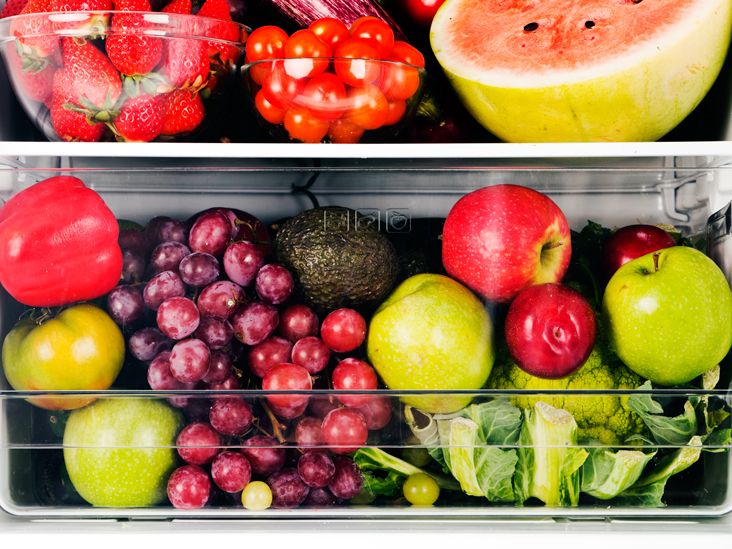
Storage also depends on the fruit. Some varieties can remain at room temperature until ripe and then be refrigerated, while others are better kept chilled from the beginning. Bananas, for example, can change color quickly in refrigeration, whereas berries generally benefit from refrigeration because they are delicate and spoil more easily.
Buying smaller quantities of highly perishable fruit can also be practical. If a household regularly throws away spoiled produce, purchasing a realistic amount may be better than buying a large quantity simply because it appears economical. Good storage and sensible purchasing help preserve both food quality and household budgets.
Fruits for Different Times of the Day
Fruit can fit into almost any part of a daily eating routine. At breakfast, bananas, apples, berries, papaya, or oranges can accompany other foods. During the afternoon, an apple, pear, guava, or handful of grapes can provide a convenient alternative to heavily processed snacks.
After physical activity, carbohydrate-containing fruits can be combined with a source of protein to create a more balanced snack. For example, fruit can be paired with yogurt, nuts, or another suitable protein-rich food. The best choice depends on the individual’s overall diet, activity level, preferences, and nutritional requirements.
The key is not to follow a rigid fruit schedule. Different people have different routines, and fruit can be incorporated wherever it fits naturally. This flexibility makes healthy eating easier to maintain over the long term.
Exploring Less Familiar Fruits
Once someone becomes comfortable with common fruits, exploring unfamiliar varieties can make eating more exciting. Kiwi, dragon fruit, passion fruit, star fruit, persimmon, lychee, jackfruit, and many regional varieties offer different flavors and textures. Trying new fruits can also introduce people to foods that may have cultural or seasonal significance.
Exploration does not mean every fruit needs to become a regular purchase. The purpose is simply to expand awareness and discover personal favorites. Farmers’ markets, local produce shops, and seasonal markets can be useful places to encounter varieties that are not always found in standard grocery selections.
A broader understanding of fruits can also be valuable for families. Children may be more interested in eating fruit when they are allowed to choose between several colors, shapes, and textures. Turning fruit selection into a small exploration can make healthy foods feel more enjoyable rather than restrictive.
Building a Balanced Fruit-Eating Habit
Although fruits are nutritious, balance remains important. A healthy diet includes a range of food groups rather than depending heavily on one category. Fruit can provide valuable nutrients and fiber, but it works best as part of an overall eating pattern that includes vegetables, protein sources, whole grains, and healthy fats.
People with specific dietary needs may also need individualized guidance from a qualified healthcare or nutrition professional. Factors such as allergies, digestive conditions, blood glucose management, and other nutritional considerations can influence which fruits and portions are most appropriate.
The goal should therefore be practical rather than extreme. Instead of trying to eat every available fruit, choose several varieties that are enjoyable, affordable, accessible, and compatible with your eating habits. Over time, rotating those choices can create a diverse and sustainable routine.
Conclusion
Understanding different fruits makes it easier to build a colorful, varied, and enjoyable diet. From familiar apples and bananas to seasonal mangoes, refreshing watermelons, nutrient-rich guavas, and less common tropical varieties, each fruit offers its own characteristics. Looking beyond a basic fruits name list allows people to understand how different choices can fit into everyday meals and snacks. The most effective approach is not to search for one perfect fruit but to embrace variety. Eating different fruits throughout the year can provide a broader selection of nutrients, flavors, textures, and culinary possibilities. Whether eaten whole, added to breakfast, mixed into a salad, or incorporated into a balanced snack, fruit can be a simple and enjoyable part of everyday eating.