

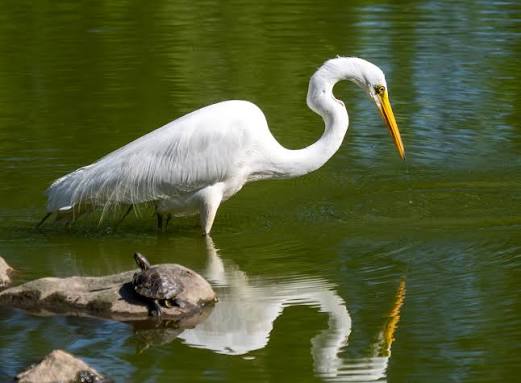

Birds are among the most fascinating animals found across the planet. They live in forests, grasslands, wetlands, deserts, mountains, coastal regions, and even busy cities. Their ability to fly, varied body shapes, colorful feathers, distinctive calls, and different feeding habits make them an important part of nature. Learning the names of birds can also help children and adults recognize the wildlife they encounter in gardens, parks, farms, and natural habitats.
The term birds name can refer to the names used to identify different bird species, from familiar birds such as sparrows and pigeons to impressive birds such as eagles, owls, flamingos, and peacocks. Every species has its own characteristics, behavior, habitat, and role in the ecosystem. Some birds spend most of their lives in trees, while others are adapted to water, open fields, rocky mountains, or urban environments.
Understanding birds is more than simply memorizing a list of names. Bird names can introduce people to differences in size, appearance, feeding behavior, nesting habits, migration, and survival strategies. With thousands of bird species worldwide, even a simple introduction can become an exciting journey into the natural world.
Understanding Bird Names and Classification
Birds belong to the class Aves and share several characteristics, including feathers, beaks, wings, and egg-laying reproduction. However, these common features hide an enormous amount of diversity. A tiny hummingbird and a large ostrich are both birds, yet their body structures, lifestyles, diets, and movement patterns are remarkably different.
When people search for birds name, they may be looking for a simple list for schoolwork, a reference for bird identification, or information about species commonly found in their region. Common names are generally easier to remember and use in everyday conversation, while scientific names provide a standardized way of identifying individual species. This distinction becomes particularly useful because the same bird may have different common names in different languages or regions.
Common Birds Found Around People
Many birds have adapted remarkably well to human environments. Pigeons, house sparrows, crows, mynas, bulbuls, and various doves can frequently be seen around residential areas, markets, parks, gardens, and agricultural land. Their ability to find food and nesting spaces near people has helped them survive in changing landscapes.
The familiar birds name list can therefore include species that people see almost every day. Their presence is sometimes overlooked because they are so common, but observing them closely can reveal interesting behaviors. A crow may use different sounds to communicate, while a sparrow may repeatedly visit a particular feeding location. Such everyday observations are a simple way to develop an interest in birdwatching.
Different Types of Birds
Bird diversity can be understood through several broad categories based on habitat, physical characteristics, feeding patterns, and behavior. These categories are not always strict scientific classifications, but they make it easier for beginners to understand how different birds live.
Forest birds often depend on trees for food, shelter, and nesting. Woodpeckers, parrots, hornbills, and many songbirds are associated with wooded environments. Waterbirds, including ducks, herons, storks, and flamingos, have physical adaptations that help them find food around lakes, rivers, wetlands, and coastal areas. Birds of prey such as eagles, hawks, and falcons possess strong feet and curved beaks suited to catching and consuming animal prey.
There are also flightless birds, including ostriches, emus, and cassowaries. Instead of relying on flight, these species have developed strong legs and other adaptations that support movement and survival on land. Penguins represent another remarkable group because their wings have evolved into structures suited to swimming rather than ordinary flight.
Popular Bird Names and Their Characteristics
A useful birds name reference should not only identify species but also explain what makes them different. The following table highlights several familiar examples.
| Bird | Typical Habitat | Main Food | Notable Feature |
|---|---|---|---|
| Sparrow | Urban areas, gardens | Seeds and insects | Small size and social behavior |
| Peacock | Forest edges, open land | Plants, insects, grains | Decorative tail feathers |
| Eagle | Mountains, forests, open areas | Fish and other animals | Powerful vision and talons |
| Owl | Forests, farmland, urban edges | Small animals | Nocturnal hunting |
| Flamingo | Wetlands and shallow lakes | Algae and small aquatic organisms | Long legs and curved bill |
| Penguin | Coastal and polar regions | Fish and marine organisms | Excellent swimming ability |
| Parrot | Forests and tropical regions | Fruits, seeds, nuts | Strong curved beak |
| Duck | Lakes, rivers, wetlands | Plants and small aquatic animals | Webbed feet |
These examples demonstrate how different birds have developed specialized features for their environments. A duck’s webbed feet help it move through water, while an owl’s specialized eyes and hearing support hunting in low-light conditions. Similarly, parrots have strong bills that allow them to crack seeds and nuts.
Birds and Their Habitats
Habitat plays a major role in determining where birds can survive. A species adapted to wetlands may struggle in a dry desert, while a bird that depends on dense forests may be affected when trees are removed. Food availability, nesting locations, water, temperature, and protection from predators all influence a bird’s ability to establish a population.
Urban environments have also become important habitats for several adaptable species. Buildings can provide nesting spaces, gardens can provide food and shelter, and artificial water sources may support birds during hot weather. However, cities can also create challenges, including reduced natural habitat, pollution, traffic, glass collisions, and limited food diversity.
Why Different Birds Have Different Adaptations
Bird adaptations are closely connected to survival. Birds that eat seeds often have specialized bills for cracking or handling them, whereas birds that catch insects may have thinner or differently shaped bills. Birds that hunt fish can have long legs, sharp talons, or bills suited to capturing prey in water.
Feathers serve several purposes as well. They provide insulation, help with flight, and can play a role in communication and attracting mates. In some species, striking feather patterns can also help individuals recognize members of their own species. These adaptations show how closely a bird’s physical characteristics are connected to its lifestyle.
What Do Birds Eat?
Bird diets vary greatly from one species to another. Some birds are primarily seed eaters, while others consume insects, fruits, nectar, fish, small mammals, reptiles, or other animals. Several species are omnivorous and can take advantage of different food sources depending on seasonal availability.
For example, hummingbirds are well known for feeding on nectar, although insects can also provide important nutrients. Eagles may hunt animals, while ducks can feed on aquatic plants and small organisms. Crows are highly adaptable and can consume a wide variety of foods. This flexibility is one reason certain species are successful in changing environments.
People who provide food for birds should also think about nutritional quality and cleanliness. Simply putting out large quantities of food does not necessarily benefit wildlife. Fresh water, appropriate natural vegetation, and safe shelter can sometimes provide more meaningful support than relying heavily on artificial feeding.
Birds and Migration
Migration is one of the most remarkable behaviors associated with birds. Many species travel long distances between breeding and non-breeding areas in response to seasonal changes. Migration can help birds reach regions where food is more abundant or where conditions are suitable for raising young.

Migratory routes can cross countries, seas, deserts, and mountain ranges. Birds may use environmental signals such as daylight changes, weather patterns, geographic features, and the Earth’s magnetic field to help with navigation. Some species migrate relatively short distances, while others travel thousands of kilometers.
The study of birds name and identification can become especially interesting during migration seasons because parks, wetlands, and coastal areas may temporarily host species that are not normally seen throughout the year.
Birds in the Ecosystem
Birds play important ecological roles. They can help control insect populations, disperse seeds, pollinate plants, recycle nutrients, and serve as food for other animals. Their activities can influence plant growth and the movement of organisms throughout an ecosystem.
Birds can also provide useful clues about environmental conditions. Changes in bird populations may sometimes indicate changes in habitat quality, food availability, water conditions, or other environmental pressures. For this reason, scientists and conservation groups often monitor bird populations to better understand ecological changes.
How to Start Identifying Birds
Learning to identify birds does not require expensive equipment. Beginners can start by observing birds carefully and noting their size, colors, body shape, beak, tail, behavior, habitat, and sounds. Comparing these features can make identification much easier than relying on color alone.
A good approach is to focus on a few familiar species first. Once their characteristics become recognizable, it becomes easier to distinguish similar-looking birds. Paying attention to movement can also help. Some birds walk on the ground, others hop between branches, and some spend much of their time hovering or gliding.
When observing birds outdoors, patience is important. Sudden movements can frighten them, so staying quiet and maintaining a reasonable distance provides a better opportunity to observe natural behavior.
Simple Habits for Better Bird Observation
A few practical habits can make birdwatching more enjoyable:
- Observe quietly and avoid disturbing nests or young birds.
- Note the bird’s size, shape, colors, calls, and habitat.
- Visit the same location at different times to notice seasonal changes.
- Keep a simple personal record of the birds you observe.
These habits turn casual observation into a useful learning activity. Over time, people can build their own collection of observations and become increasingly confident with identification.
Why Learning Bird Names Is Valuable
Learning birds name can be useful for students, nature enthusiasts, gardeners, travelers, photographers, and anyone interested in wildlife. For children, identifying birds can make outdoor learning more engaging because it connects classroom concepts with real-world observations.
For adults, bird identification can become a relaxing hobby. Watching birds encourages people to spend time outdoors and notice details that might otherwise be ignored. It can also encourage greater awareness of local ecosystems and the importance of protecting natural spaces.
Bird names are also valuable in education because they provide a foundation for learning about biology, ecology, geography, and conservation. Once someone becomes familiar with local species, they can begin asking deeper questions about migration, breeding, food webs, habitat loss, and environmental change.
Protecting Bird Populations
Bird conservation depends heavily on protecting suitable habitats. Forests, wetlands, grasslands, coastal areas, and other natural environments provide the resources birds need throughout their lives. Preserving these places can benefit not only birds but also insects, plants, mammals, reptiles, and countless other organisms.
Individuals can contribute through relatively simple choices. Planting native vegetation, maintaining clean water sources, reducing unnecessary disturbance, and making outdoor spaces safer for wildlife can all help. Communities can also support habitat restoration and responsible urban planning that considers wildlife needs.
Modern development does not automatically have to mean the disappearance of birds. Thoughtful landscaping, protected green spaces, responsible construction, and environmental awareness can help people and wildlife share the same landscape more successfully.
Interesting Facts About Birds
Birds have evolved an extraordinary range of abilities. Some can fly at impressive speeds, some can hover, and others can travel enormous distances during migration. Certain birds are capable of sophisticated problem-solving, while some species use complex calls to communicate with one another.
Another fascinating feature is the diversity of bird reproduction and parenting. Nest structures vary from simple ground scrapes to elaborate woven constructions. Depending on the species, parents may share incubation duties, feed chicks, defend nesting areas, or rely on highly specialized breeding strategies.
The wide variety represented by birds name lists reflects millions of years of evolutionary change. Each species represents a different combination of adaptations shaped by its environment and lifestyle.
Conclusion
Birds are much more than colorful creatures that fill the sky with songs and calls. They are essential parts of ecosystems and have developed remarkable adaptations for living in forests, wetlands, cities, mountains, grasslands, deserts, and oceans. Exploring birds name examples provides an accessible introduction to this incredible diversity and encourages people to observe nature more carefully.
Learning bird names becomes even more rewarding when identification is combined with knowledge about habitat, diet, migration, behavior, and conservation. Whether someone is studying birds for school, beginning a new hobby, or simply becoming more aware of wildlife around them, every observation can reveal something new. By appreciating birds and protecting the environments they depend on, people can help ensure that these remarkable animals continue to thrive for future generations.