

.jpg&description=Explore popular flowers name lists, their meanings, colors, uses, and growing tips. Discover beautiful flowers for gardens, homes, celebrations, and gifts.)
Flowers are among the most beautiful parts of nature, bringing color, fragrance, and life to gardens, homes, parks, and public spaces. They come in countless shapes, sizes, and colors, ranging from tiny wildflowers growing beside roads to magnificent blooms found in tropical gardens. Beyond their attractive appearance, flowers play an essential role in the environment by supporting pollinators, contributing to plant reproduction, and helping maintain healthy ecosystems. People also use flowers to express emotions, celebrate important occasions, decorate living spaces, and create meaningful connections with others.
Learning about different flowers can be useful for students, gardening enthusiasts, nature lovers, and anyone who wants to identify plants more confidently. A well-organized flowers name list makes it easier to recognize familiar varieties, understand their characteristics, and discover new options for home gardening or decoration. Some flowers are admired for their fragrance, while others are appreciated for their long-lasting blooms, unusual shapes, or ability to attract butterflies and bees. Understanding these differences can help you choose suitable flowers for your surroundings and appreciate the natural beauty they bring to everyday life.
What Are Flowers and Why Are They Important?
Flowers are the reproductive structures of flowering plants, scientifically known as angiosperms. Their primary biological function is to support reproduction, often by attracting pollinators such as bees, butterflies, birds, and other animals. Many flowers produce nectar or pollen, providing food for these visitors while helping transfer pollen between plants. This process contributes to the development of seeds and, in many species, fruits. Flowers therefore have an important relationship with biodiversity, agriculture, and the natural food systems that support human life.
Flowers also have cultural, emotional, and practical importance. They are commonly used during weddings, birthdays, festivals, religious ceremonies, anniversaries, and other special occasions. Roses are frequently associated with affection, marigolds are widely used in Indian celebrations, and lilies are popular in decorative arrangements. Flowers can also improve the appearance of outdoor spaces, provide fragrance, and create attractive habitats for beneficial insects. Whether growing in a small balcony planter or a large botanical garden, flowering plants can make an environment feel more welcoming and connected to nature.
Popular Flowers Name List With Their Characteristics
There are thousands of flowering plant species worldwide, but certain varieties are especially familiar because of their beauty, availability, cultural significance, and gardening value. The following list introduces some widely recognized flowers and explains what makes each one distinctive.
1. Rose
The rose is one of the most recognizable flowers in the world. It belongs to the genus Rosa and is available in numerous colors, including red, pink, white, yellow, orange, and purple-toned varieties. Roses are often associated with love, admiration, friendship, and appreciation, although their meanings can vary depending on color and cultural tradition. They are frequently used in bouquets, wedding decorations, gardens, and special gifts.
Roses can grow as compact bushes, climbing plants, or larger shrubs. Most varieties prefer adequate sunlight, fertile soil, and regular watering without waterlogged roots. Removing faded flowers and pruning appropriately can encourage healthy growth in many garden roses.
2. Sunflower
Sunflowers are famous for their large flower heads and bright yellow petals surrounding a central disk. They belong to the genus Helianthus and are commonly grown in gardens, farms, and educational projects. Depending on the variety, sunflowers may grow only a few feet tall or reach several meters. Their seeds are used as food, and sunflower crops also provide resources for wildlife.
These plants generally thrive in sunny locations with well-drained soil. Their flowers attract pollinators, while their mature seed heads can provide food for birds. Sunflowers are also popular among beginners because many varieties grow relatively quickly from seeds.
3. Lotus
The lotus is an aquatic flowering plant with broad leaves and striking blooms that rise above the water’s surface. In India, the lotus has strong cultural and spiritual associations and is recognized as the national flower. Its graceful appearance and ability to grow in muddy environments have made it an enduring symbol of purity, renewal, and resilience in several traditions.
Lotus plants require suitable aquatic conditions, sufficient warmth, and plenty of sunlight. They are commonly grown in ponds and specially prepared water gardens rather than ordinary garden beds. Their large leaves and distinctive flowers create a dramatic focal point in landscapes designed around water.
4. Jasmine
Jasmine is valued for its delicate flowers and distinctive fragrance. Many jasmine varieties produce white blooms, although yellow-flowered species also exist. The plant is widely appreciated in India, where jasmine flowers are used in garlands, traditional celebrations, hair decorations, and religious offerings. Their fragrance also makes them popular for gardens and certain scented products.
Different jasmine species grow as shrubs or climbing plants. Most prefer suitable sunlight, well-drained soil, and regular care during active growth. Some varieties bloom seasonally, while others can produce flowers over extended periods in favorable conditions.
5. Marigold
Marigolds are popular flowering plants known for their bright yellow, golden, and orange blooms. They are especially familiar in Indian gardens and festivals, where garlands made from marigolds decorate homes, temples, entrances, and celebration venues. Their cheerful appearance and relatively straightforward cultivation make them a common choice for beginners.
Marigolds generally grow well in sunny locations and soil that drains efficiently. They are available in different sizes, from compact bedding varieties to taller plants suitable for borders. Regularly removing faded flowers can help maintain a tidy appearance and encourage additional blooms in many varieties.
6. Tulip
Tulips are spring-flowering plants recognized for their smooth, cup-shaped blooms and broad range of colors. They are strongly associated with spring gardens and are widely cultivated in regions with suitable seasonal temperatures. Tulips may be red, pink, yellow, white, purple, or multicolored, making them useful for formal flower beds and decorative arrangements.
Many tulips grow from bulbs and require a suitable cool period to flower successfully. Their care requirements depend on the local climate and variety. In warmer regions, gardeners often need specially selected bulbs and appropriate planting schedules to achieve good results.
7. Lily
Lilies are elegant flowers with prominent petals, distinctive shapes, and, in many varieties, a noticeable fragrance. They appear in white, orange, pink, red, yellow, and other shades. Lilies are used in gardens, bouquets, and event decorations because their large blooms can create an attractive visual display.
Most true lilies grow from bulbs and benefit from well-drained soil and appropriate sunlight. Some varieties prefer cooler conditions, while others tolerate warmer environments. Gardeners should also remember that many lilies are highly toxic to cats, making careful placement essential in homes with pets.
8. Hibiscus
Hibiscus plants are known for their large, colorful flowers and prominent central stamens. Their blooms may be red, yellow, pink, orange, or white, depending on the species. Tropical hibiscus is particularly common in warm climates and is often grown in gardens, courtyards, and large containers.
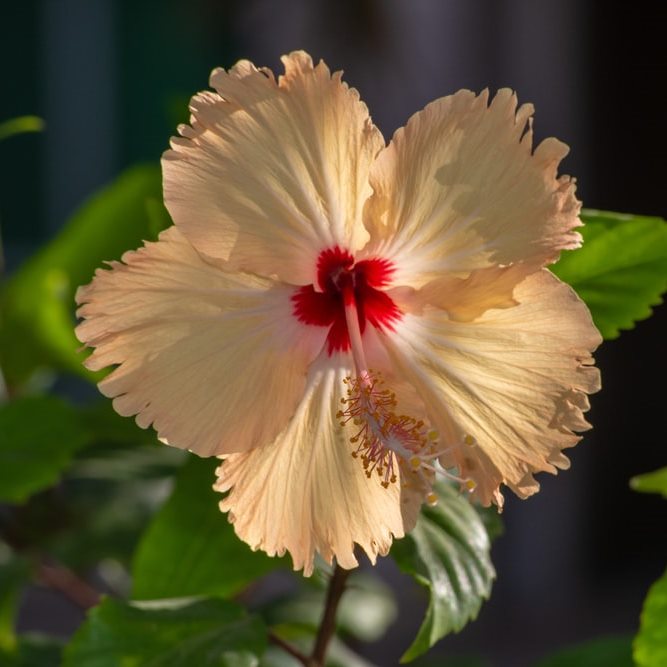
Hibiscus generally grows best with sufficient sunlight, warmth, and regular watering suited to the soil and climate. These plants can develop into attractive shrubs and produce repeated blooms under favorable conditions. Some hibiscus species are also grown for their edible calyces, which are used in particular drinks and food preparations.
9. Orchid
Orchids are a diverse group of flowering plants admired for their unusual shapes, intricate patterns, and long-lasting blooms in many cultivated varieties. They range from compact plants suitable for indoor displays to species that grow on trees or in specialized habitats. Their flowers can appear in white, purple, pink, yellow, and combinations of several colors.
Orchid care depends heavily on the species. Many popular indoor orchids need bright, indirect light, good air circulation, and a growing medium that allows their roots to breathe. Overwatering is a common problem, so gardeners should understand the specific moisture requirements of their chosen variety.
10. Daisy
Daisies have a simple, familiar appearance, typically featuring a central disk surrounded by petal-like structures. Traditional daisies are often white with yellow centers, although related ornamental varieties offer many other colors. Their fresh appearance makes them popular in gardens, informal bouquets, and spring decorations.
Many daisies grow well in sunny areas with suitable soil drainage. Different species vary in height, flowering season, and tolerance for heat or cold. Some are compact annuals, while others are perennial plants that return over multiple growing seasons.
Different Flowers Name by Color and Appearance
Flower colors can help people identify varieties and select plants for particular decorative purposes. However, color alone does not always provide a reliable identification because many species have several cultivated color forms.
| Flower name | Common colors | Main characteristic |
|---|---|---|
| Rose | Red, pink, white, yellow | Layered petals and varied fragrance |
| Sunflower | Yellow, golden, orange | Large flower head |
| Lotus | Pink, white | Aquatic growth and broad leaves |
| Jasmine | White, yellow | Distinctive fragrance |
| Marigold | Yellow, orange | Dense blooms and garden versatility |
| Tulip | Red, pink, yellow, purple | Cup-shaped flowers |
| Lily | White, orange, pink, yellow | Large, prominent blooms |
| Hibiscus | Red, pink, yellow, white | Large flowers with a prominent center |
| Orchid | Purple, white, pink, yellow | Diverse shapes and patterns |
| Daisy | White, yellow, pink | Simple, recognizable flower head |
| Lavender | Purple, violet | Aromatic foliage and flower spikes |
| Chrysanthemum | White, yellow, pink, red | Dense flower heads in many forms |
This comparison is useful when planning a garden or preparing a bouquet. For example, sunflowers can create a bold focal point, while lavender adds purple color and fragrance. Roses and lilies work well in many formal arrangements, whereas daisies and marigolds can provide a more casual, cheerful appearance. The best combination depends on the desired style, local climate, and flowering season.
More Beautiful Flowers to Discover
Beyond the most familiar varieties, many other flowers deserve attention because of their distinctive appearance, fragrance, or growing habits. Lavender is appreciated for its aromatic foliage and purple flower spikes, while chrysanthemums offer numerous forms and colors that are especially popular in autumn displays and seasonal decorations. Carnations are known for their ruffled petals and availability in many shades, making them common choices for bouquets and celebrations.
Other notable examples include the delicate forget-me-not, the trumpet-shaped petunia, the fragrant gardenia, the colorful zinnia, and the climbing morning glory. Bougainvillea is particularly noticeable in warm climates because its colorful display comes mainly from modified leaves called bracts surrounding its small flowers. Plumeria, also known as frangipani, is admired for its fragrant blooms and is often planted in tropical and subtropical gardens.
A Short List of Additional Flower Names
Here are five more flowering plants worth recognizing:
- Lavender
- Chrysanthemum
- Carnation
- Petunia
- Gardenia
These flowers demonstrate how varied flowering plants can be. Some are grown mainly for their fragrance, while others are selected for colorful borders, hanging baskets, containers, or cut-flower arrangements.
How to Choose the Right Flowers for Your Garden
Choosing suitable flowers begins with understanding the conditions in which they will grow. Sunlight is particularly important because some flowering plants need several hours of direct sun, while others perform better with filtered light or partial shade. Soil quality also matters. Well-drained soil is suitable for many garden flowers, but aquatic plants such as lotus require very different conditions. Before purchasing plants, consider your available space, the local climate, seasonal temperatures, and how much time you can spend on maintenance.

It is also helpful to consider flowering periods and the purpose of your garden. Combining plants that bloom at different times can provide color across several months rather than concentrating all flowering in one short season. Native flowering plants can be particularly valuable because they may be better adapted to local conditions and can support regional pollinators. If you have limited space, compact varieties grown in containers can create an attractive display on a balcony, terrace, or windowsill.
Practical Tips for Healthy Flowering Plants
Successful flower gardening does not necessarily require expensive equipment or extensive experience. Consistent care, suitable plant selection, and attention to changing weather conditions can make a significant difference.
- Choose varieties suited to your local climate and available sunlight.
- Water according to each plant’s needs instead of following one fixed schedule.
- Use suitable soil and containers with adequate drainage when required.
- Remove dead or diseased plant material and monitor plants for pests.
Fertilizer should be applied according to the needs of the species and the growing medium. Excessive fertilizer can encourage foliage growth without improving flowering and may damage plants. Likewise, frequent watering is not always beneficial, especially for varieties that prefer their soil to dry slightly between waterings.
The Role of Flowers in Culture and Everyday Life
Flowers have long been used to communicate feelings that can be difficult to express through words alone. Red roses are commonly associated with romantic love, yellow flowers often represent cheerfulness or friendship, and white flowers may be used to convey peace or remembrance. These associations are not universal, however, and the meaning of a particular flower can change according to cultural traditions, religious practices, and personal experiences.
In India, flowers are especially important during festivals, weddings, family ceremonies, and religious observances. Marigold garlands, jasmine decorations, lotus offerings, and rose arrangements appear in different regional traditions. Flowers are also part of ordinary life, from small bouquets given to friends to plants maintained in household courtyards. Their significance extends beyond decoration because flower cultivation supports nurseries, florists, gardeners, farmers, and other people working throughout the horticultural industry.
Flowers and Environmental Sustainability
Flowering plants contribute to healthier ecosystems when they provide food and habitat for pollinators. Bees, butterflies, and other insects visit flowers to collect nectar or pollen, helping many plants reproduce. A garden containing several suitable flowering species can offer resources across different seasons, particularly when the selected plants bloom at different times. Native plants can be especially useful for supporting local wildlife, although the best choices depend on the region and the needs of its pollinators.
Sustainable flower gardening also involves using water responsibly, avoiding unnecessary pesticide applications, and selecting plants suited to the local environment. Gardeners can improve soil health with appropriate organic matter and reduce waste by reusing suitable containers. When buying cut flowers, people may also consider seasonal availability and locally grown options. These choices do not eliminate every environmental impact, but they can help make gardening more thoughtful and resource-conscious.
Conclusion
Flowers add beauty, fragrance, color, and meaning to the natural world. From roses and sunflowers to jasmine, lotus, tulips, and orchids, each variety has distinctive characteristics that make it suitable for different gardens, celebrations, and decorative arrangements. Learning a flowers name list can help students improve their knowledge of nature, support beginners who want to grow plants, and make it easier to identify blooms encountered in everyday life.