

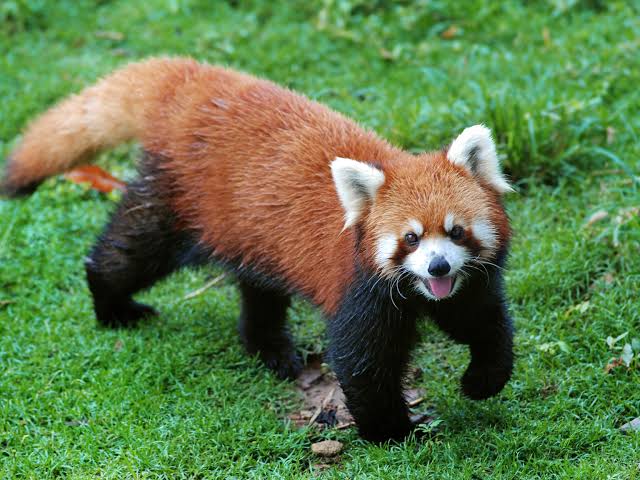

Animals are an essential part of our planet, contributing to the balance of ecosystems and making the natural world incredibly diverse. From tiny insects living beneath the soil to enormous whales swimming through the oceans, every species has unique characteristics, behaviors, and survival strategies. Learning about animal names helps children, students, nature enthusiasts, and wildlife lovers understand the different creatures that share our environment.
The topic of animals name is useful for educational activities, school assignments, general knowledge, and everyday learning. People often begin by recognizing familiar animals such as dogs, cats, cows, lions, elephants, and horses. However, the animal kingdom includes thousands of fascinating species that live in forests, deserts, grasslands, mountains, wetlands, and oceans. Understanding their names alongside their habitats and characteristics makes learning more interesting and meaningful.
Animals also play important roles in human life. Some provide companionship, while others contribute to agriculture, pollination, seed dispersal, and the natural food chain. At the same time, wildlife faces challenges from habitat destruction, pollution, climate change, and illegal hunting. Learning about different animals is therefore not just a way to improve vocabulary but also an opportunity to appreciate biodiversity and understand why protecting nature matters.
What Are Animals?
Animals are living organisms that belong to the biological kingdom Animalia. Most animals need to consume other organisms or organic matter to obtain energy, and many can move independently during at least one stage of their lives. They range from simple aquatic organisms to highly complex mammals with advanced communication, learning, and social behaviors.
Animals are commonly grouped according to characteristics such as their body structure, method of reproduction, habitat, and biological classification. Mammals generally have hair or fur and feed their young with milk. Birds have feathers, while reptiles typically possess scaly skin. Fish are adapted to aquatic environments, and amphibians often spend different stages of their lives in water and on land. Invertebrates, including insects, spiders, mollusks, and worms, form an especially diverse group without a backbone.
These categories help people understand the differences between species and organize information for educational purposes. For example, a dolphin and a shark both live in water, but a dolphin is a mammal that breathes air, whereas a shark is a fish that obtains oxygen through its gills. Looking beyond appearances reveals how diverse animal life really is.
Animals Name List With Examples
A broad animals name list can be organized into familiar categories to make learning easier. The following table provides examples of animals, their biological groups, and the environments in which they commonly live.
| Animal Name | Animal Group | Common Habitat |
|---|---|---|
| Lion | Mammal | Grasslands and savannas |
| Elephant | Mammal | Forests and grasslands |
| Tiger | Mammal | Forests and grasslands |
| Dog | Mammal | Human settlements |
| Cat | Mammal | Homes and varied environments |
| Eagle | Bird | Mountains, forests, and open areas |
| Parrot | Bird | Tropical forests and woodlands |
| Penguin | Bird | Southern Hemisphere coastal regions |
| Crocodile | Reptile | Rivers, lakes, and wetlands |
| Snake | Reptile | Forests, deserts, and grasslands |
| Frog | Amphibian | Wetlands and moist habitats |
| Salmon | Fish | Rivers and oceans |
| Dolphin | Mammal | Oceans and some rivers |
| Octopus | Mollusk | Marine environments |
| Butterfly | Insect | Gardens, forests, and grasslands |
This list demonstrates that animals differ significantly in size, physical structure, behavior, and habitat. Some species are domesticated and live alongside humans, while others depend on wild environments for food, shelter, and reproduction. Although the table includes familiar examples, the animal kingdom contains an enormous variety of additional species, each with its own ecological role.
Different Types of Animals
1. Mammals
Mammals are warm-blooded vertebrates characterized by features such as hair or fur and milk-producing mammary glands in females. Most mammals give birth to live young, although a few, including the platypus and echidnas, lay eggs. Mammals display a wide range of adaptations, from the thick fur of polar bears to the streamlined bodies of dolphins.
Common mammal names include lions, tigers, elephants, bears, monkeys, deer, rabbits, horses, cows, goats, dogs, and cats. Wild mammals may hunt other animals, graze on vegetation, eat fruits, or consume a mixture of foods. Domestic mammals can support agriculture, provide companionship, and assist people with various tasks. Their intelligence, social behavior, and adaptability make them one of the most familiar animal groups.
2. Birds
Birds are vertebrates distinguished by feathers, beaks, and wings. Although most birds can fly, some species, including ostriches, emus, and penguins, are flightless. Birds occupy nearly every major terrestrial habitat, from tropical rainforests and wetlands to deserts, mountains, and polar regions.
Examples include sparrows, pigeons, crows, eagles, owls, peacocks, parrots, ducks, swans, and flamingos. Different species have specialized feeding habits. Eagles may capture small mammals or fish, hummingbirds feed on nectar, and many seed-eating birds help disperse plants. Birds also contribute to ecosystems by controlling insect populations and transporting seeds between locations.
3. Reptiles
Reptiles are vertebrates that generally have dry, scaly skin and rely on external environmental heat to regulate their body temperature. Most lay eggs, although some species give birth to live young. They inhabit a wide range of environments, including deserts, forests, wetlands, and tropical regions.

Common reptile names include snakes, crocodiles, alligators, turtles, tortoises, geckos, and iguanas. Their physical adaptations support different survival strategies. Some snakes use camouflage to avoid predators, while crocodiles have powerful jaws suited to catching prey. Turtles possess protective shells, and many lizards can move quickly to escape danger. Despite common fears about reptiles, many species are harmless to humans and play important roles in maintaining ecological balance.
4. Amphibians
Amphibians are vertebrates that often depend on moist environments because their skin can play an important role in respiration and water exchange. Many species begin life as aquatic larvae and later develop into adults capable of living on land. Frogs, toads, salamanders, and newts are well-known examples.
Frogs commonly inhabit ponds, marshes, forests, and gardens, while some salamanders live beneath rocks or inside damp woodland environments. Many amphibians feed on insects and other small invertebrates, helping regulate their populations. Because their skin is sensitive to environmental changes, amphibians can be affected by water pollution, habitat destruction, and disease. Their presence can provide useful information about the condition of local ecosystems.
5. Fish
Fish are aquatic vertebrates that generally breathe through gills and use fins for movement. They inhabit freshwater environments such as rivers and lakes as well as saltwater habitats such as seas and oceans. Their body shapes, feeding strategies, and sizes vary considerably according to the environments in which they live.
Examples of fish include salmon, tuna, goldfish, clownfish, catfish, sardines, seahorses, and sharks. Some fish consume algae or plankton, while others feed on insects, crustaceans, or smaller fish. Coral reef fish often display bright colors that help with camouflage, communication, or species recognition. Fish support aquatic food webs and provide food and livelihoods for communities around the world.
6. Insects and Other Invertebrates
Invertebrates are animals without a backbone, and they represent an enormous proportion of known animal diversity. This group includes insects, spiders, crabs, snails, octopuses, jellyfish, earthworms, and many other organisms. Insects typically have six legs and three main body sections, while spiders have eight legs and belong to a different group called arachnids.
Bees, butterflies, ants, beetles, dragonflies, and grasshoppers are familiar insects. Bees and butterflies can help pollinate flowering plants, while earthworms improve soil structure through their activities. Spiders help control insect populations, and marine invertebrates contribute to ocean ecosystems in numerous ways. Their small size does not make them unimportant; many ecosystems depend on these organisms for essential processes.
Animals Based on Their Habitats
Forest Animals
Forests provide shelter, food, breeding areas, and protection for a wide range of animals. Tigers, leopards, deer, monkeys, bears, squirrels, owls, and numerous insects inhabit different forest environments. Tropical rainforests support particularly high biodiversity because warm temperatures and abundant rainfall allow many plant and animal species to thrive.
Forest animals have developed specialized adaptations to survive in their surroundings. Monkeys use strong limbs to move through trees, while owls have features suited to hunting in low light. Some mammals rely on camouflage, and others use calls, scent markings, or group behavior to communicate. When forests are cleared or fragmented, these animals can lose access to food and safe breeding areas.
Desert Animals
Deserts experience limited rainfall, and many have extreme temperature changes between day and night. Animals living in these environments must conserve water, find shelter, and manage heat. Camels, fennec foxes, desert tortoises, scorpions, snakes, and certain lizards are examples of animals adapted to desert conditions.
Some desert species remain underground during the hottest hours, becoming active after sunset. Others obtain much of their moisture from food or conserve water through specialized physiological processes. Camels can tolerate considerable variation in water availability, while the large ears of fennec foxes help release body heat. These adaptations demonstrate how animals can survive even in challenging environments.
Grassland Animals
Grasslands are open landscapes dominated by grasses, with relatively few trees in many regions. They support grazing animals and the predators that depend on them. Zebras, antelopes, bison, giraffes, lions, cheetahs, prairie dogs, and various grassland birds live in different grassland ecosystems.
Many grazing animals possess long legs that help them travel across open terrain and escape predators. Herd behavior can improve protection because several individuals can watch for danger. Predators may use speed, cooperation, or camouflage to catch prey. Grasslands also depend on animals for nutrient cycling and seed dispersal, making wildlife an important component of these landscapes.
Aquatic Animals
Aquatic environments include freshwater rivers and lakes, coastal waters, coral reefs, and the open ocean. Fish, whales, dolphins, seals, sea turtles, octopuses, jellyfish, and crustaceans demonstrate the variety of life found in water. Some aquatic animals spend their entire lives underwater, while others must regularly surface to breathe.
Marine mammals such as whales and dolphins use lungs rather than gills, so they need to reach the surface for air. Fish generally extract oxygen from water through their gills. Different species occupy different depths, from shallow coral reefs filled with colorful fish to deep-sea environments where animals have adapted to darkness and high pressure. Protecting aquatic habitats is important because pollution, overfishing, and rising ocean temperatures threaten many species.
Why Learning Animal Names Is Important
Learning animal names strengthens vocabulary, improves observation skills, and builds a foundation for understanding biology. For young learners, recognizing animals such as elephants, rabbits, lions, and butterflies can make early science lessons more engaging. Older students can expand their knowledge by studying scientific classification, food chains, migration, reproduction, and adaptations.
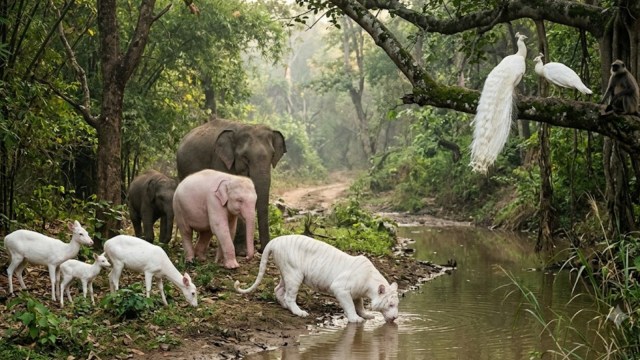
An organized animals name list can also help teachers prepare classroom activities, parents introduce children to nature, and students complete educational projects. Grouping animals by habitat, diet, or biological class makes it easier to remember their differences. For example, comparing a lion, a deer, and a zebra introduces the concepts of predators, herbivores, and prey relationships.
Learning about animals also encourages empathy and environmental responsibility. When people understand that bees help pollinate crops or that predators can regulate prey populations, they begin to recognize the connections between wildlife and human well-being. This knowledge can inspire practical actions, including reducing plastic waste, planting native species, protecting natural spaces, and avoiding products connected to illegal wildlife trade.
How to Remember Animal Names Easily
Remembering a large number of animal names becomes easier when learning is organized into small, meaningful groups. Instead of memorizing a long list at once, learners can study mammals first, followed by birds, reptiles, amphibians, fish, and invertebrates. Connecting each animal with a distinctive feature, such as an elephant’s trunk or a giraffe’s long neck, creates a stronger memory association.
Useful learning techniques include:
- Use pictures: Associate each animal name with a clear image or drawing.
- Group similar animals: Learn species according to their biological class or habitat.
- Practice regularly: Review a few names every day rather than studying everything at once.
- Observe nature: Identify birds, insects, and other animals in gardens or parks.
Games, flashcards, storytelling, and nature documentaries can make this process more enjoyable. Learners can also create their own categories, such as animals that live in water, animals with feathers, or animals commonly found on farms. Repeated practice combined with visual recognition helps build lasting knowledge.
Animal Conservation and Environmental Protection
Wild animals depend on healthy habitats for food, shelter, migration, and reproduction. However, many species face growing pressure from deforestation, urban development, pollution, climate change, invasive species, and illegal hunting. When habitats disappear or become fragmented, animal populations may decline because they can no longer access sufficient resources or safely reproduce.
Conservation efforts include establishing protected areas, restoring damaged ecosystems, monitoring endangered populations, and enforcing laws against wildlife trafficking. Communities can contribute by keeping local environments clean, respecting wild animals, supporting responsible conservation initiatives, and learning about species native to their regions. Responsible tourism is also important because wildlife should be observed without unnecessary disturbance.
Protecting biodiversity requires cooperation among governments, scientists, conservation organizations, businesses, and local communities. Every species has its own ecological role, although the importance of individual species varies between ecosystems. Preserving animal diversity helps maintain ecological resilience and safeguards natural resources for future generations.
Conclusion
Animals are an extraordinary part of Earth’s biodiversity, ranging from familiar domestic companions to rare wildlife living in remote forests, deserts, mountains, and oceans. Understanding their names, characteristics, classifications, and habitats provides valuable knowledge for students, teachers, parents, and nature enthusiasts. It also reveals how different species depend on their environments and interact with other living organisms.