


Introduction
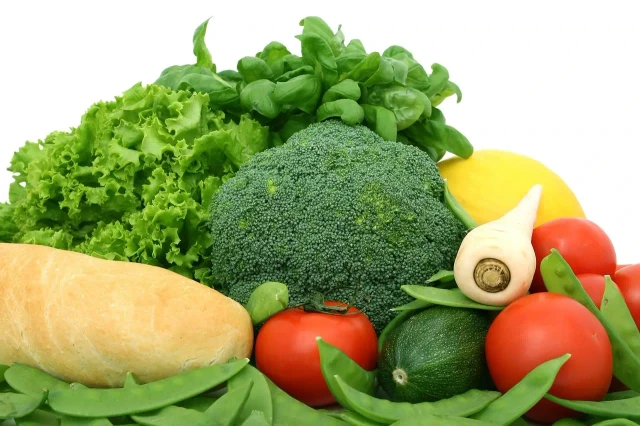
Vegetables are an essential part of a balanced and nutritious diet. They come in many colors, shapes, textures, and flavors, making everyday meals more enjoyable and varied. Learning different vegetables name can help children, students, parents, and anyone interested in healthy eating understand the wide range of foods available. From familiar choices such as potatoes, tomatoes, carrots, and spinach to less common options such as zucchini, asparagus, kale, and artichokes, every vegetable can bring something different to the plate. Vegetables can be eaten raw, boiled, steamed, roasted, grilled, or cooked into soups and curries. They are generally valued for their vitamins, minerals, fiber, and other nutrients. A colorful selection of vegetables can also make meals visually appealing while encouraging better eating habits.
What Are Vegetables?
Vegetables are edible parts of plants that are commonly used as food. Depending on the plant, the edible portion may be a root, stem, leaf, flower, bulb, or fruit that is used in savory cooking. For example, carrots and radishes are roots, spinach and lettuce are leafy vegetables, while cauliflower and broccoli are flower vegetables. Onions and garlic are bulbs, whereas celery is mainly a stem. Understanding these differences makes learning vegetables name more interesting because it shows how many parts of plants can become useful foods.
Vegetables are used in cuisines around the world. Indian meals commonly feature vegetables in curries, sabzi, soups, and rice dishes, while other cuisines may use them in salads, pasta, sandwiches, stews, or roasted dishes. Their versatility makes them suitable for breakfast, lunch, dinner, and snacks. Choosing different types throughout the week can also provide greater variety in a person’s diet.
Common Vegetables Name
There are hundreds of edible vegetables grown in different parts of the world. Some are available throughout the year, while others are strongly associated with particular seasons. The following table includes common vegetables and their typical uses.
| Vegetable | Common Use | Main Nutritional Highlights |
|---|---|---|
| Potato | Curries, fries, soups | Carbohydrates, potassium |
| Tomato | Salads, sauces, curries | Vitamin C, antioxidants |
| Carrot | Salads, soups, cooking | Beta-carotene, fiber |
| Spinach | Curries, soups, salads | Iron, folate, vitamins |
| Cauliflower | Curries, roasting | Fiber, vitamin C |
| Broccoli | Steaming, stir-frying | Fiber, vitamin C, vitamin K |
| Cabbage | Salads, stir-fries | Fiber, vitamin C |
| Peas | Rice, curries, soups | Protein, fiber |
| Onion | Curries, salads, sauces | Antioxidant compounds |
| Cucumber | Salads, snacks | Water, vitamin K |
| Eggplant | Curries, roasting | Fiber, various nutrients |
| Bell Pepper | Salads, stir-fries | Vitamin C, antioxidants |
This list represents only a small selection of vegetables. Local markets often contain additional varieties depending on the season and region. Exploring different vegetables name can introduce new flavors and cooking possibilities.
Leafy Vegetables
Leafy vegetables are an important group that includes spinach, kale, lettuce, mustard greens, fenugreek leaves, and collard greens. They are often recognized for their vibrant green color and are frequently included in salads, soups, curries, and cooked side dishes. Leafy vegetables can provide nutrients such as folate, vitamin K, vitamin C, and fiber, although the nutritional composition varies from one vegetable to another.
Spinach is especially popular because it can be prepared in many ways. It can be added to soups, blended into sauces, cooked with lentils, or used in traditional dishes. Lettuce is commonly eaten raw in salads and sandwiches, while mustard greens and fenugreek leaves are often cooked. Adding a variety of leafy vegetables to meals is a simple way to increase dietary diversity.
Root Vegetables
Root vegetables grow beneath the soil and include carrots, radishes, beets, turnips, sweet potatoes, and other varieties. They are valued for their distinctive flavors and different textures. Carrots are naturally crisp and slightly sweet, while radishes have a sharper flavor. Sweet potatoes are softer and naturally sweet when cooked.
Root vegetables can be roasted, boiled, steamed, mashed, or incorporated into soups and curries. They can also be sliced and added to salads. Because different root vegetables contain different nutrients, eating a variety rather than relying on just one type can make meals more diverse. Their versatility is another reason they appear frequently when people search for vegetables name for cooking, school projects, or general food knowledge.
Cruciferous Vegetables
Cruciferous vegetables include broccoli, cauliflower, cabbage, Brussels sprouts, and several leafy varieties. These vegetables belong to the same botanical family and are popular in many cuisines. Broccoli can be steamed or roasted, while cauliflower can be turned into curries, soups, roasted dishes, or mashed preparations. Cabbage is commonly used in salads, stir-fries, soups, and stuffed dishes.
These vegetables contain fiber and a range of vitamins and plant compounds. Their strong flavors can vary considerably depending on preparation. Roasting may create a deeper flavor, while steaming can preserve a lighter texture. Including several cruciferous vegetables in meals can therefore provide both nutritional variety and different culinary experiences.
Seasonal Vegetables
Seasonality plays an important role in the availability, taste, and price of vegetables. Some vegetables grow particularly well during cooler weather, while others thrive during warmer months. Peas, carrots, cauliflower, and leafy greens are commonly associated with cooler seasons in many regions. Okra, gourds, and some varieties of beans are often popular during warmer periods.
Buying seasonal produce can encourage people to try vegetables when they are naturally abundant in local markets. Seasonal cooking also makes it easier to change recipes throughout the year. Instead of preparing the same vegetables every week, families can select what is fresh and available. This approach can make meals more interesting while helping people discover more vegetables name and varieties.
Benefits of Eating Different Vegetables
Vegetables provide a broad combination of nutrients and are an important component of healthy eating patterns. Many vegetables contain dietary fiber, vitamins, minerals, water, and naturally occurring plant compounds. Fiber can support normal digestion, while vitamins and minerals contribute to several important functions in the body.
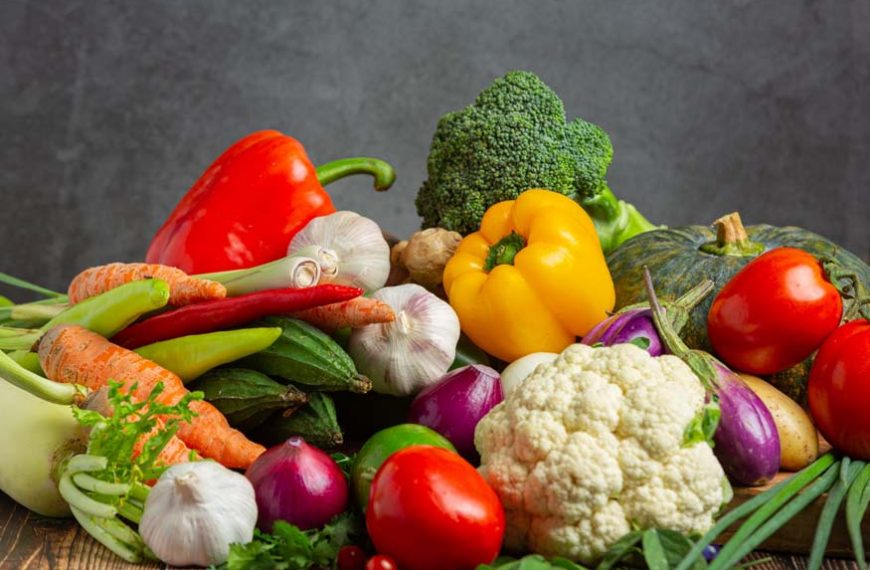 Different vegetables provide different nutritional profiles, so variety is useful. For example, orange vegetables such as carrots are known for beta-carotene, while leafy greens can provide folate and vitamin K. Tomatoes provide vitamin C and other plant compounds. This does not mean one vegetable is better than another; rather, each can contribute differently to a varied diet.
A few simple habits can make vegetables easier to include:
- Add vegetables to at least two main meals each day.
- Choose different colors throughout the week.
- Try a new vegetable occasionally.
- Combine raw and cooked vegetables.
Colorful Vegetables and Their Variety
The color of a vegetable can make meals more attractive and can also reflect the presence of different natural plant pigments. Green vegetables include spinach, broccoli, peas, cucumber, and beans. Red vegetables include tomatoes and red peppers. Orange vegetables include carrots and pumpkins. Purple vegetables include purple cabbage and some varieties of eggplant.
Eating vegetables in different colors is a practical way to introduce greater variety into meals. A colorful plate may also encourage children to become more interested in trying unfamiliar foods. When learning vegetables name, grouping them according to color can be an easy and memorable method for students.
How to Add Vegetables to Everyday Meals
Vegetables do not need to be complicated to prepare. They can be included in familiar dishes without completely changing cooking habits. Chopped carrots, peas, beans, and bell peppers can be added to rice dishes. Spinach can be incorporated into lentils or soups. Tomatoes and cucumbers can be used in salads, while roasted cauliflower or broccoli can serve as a simple side dish.
Another useful approach is to prepare vegetables in advance. Washing and cutting suitable vegetables can make them easier to use during busy days. Keeping several varieties available also encourages experimentation. When people become familiar with more vegetables name and cooking methods, they often find it easier to create varied meals.
Vegetables for Children and Students
Learning vegetables name can be an enjoyable educational activity for children. Teachers and parents can introduce vegetables through pictures, classroom activities, coloring exercises, kitchen activities, or simple identification games. Connecting a vegetable with its color, shape, taste, and plant part can help children remember it more easily.
For example, children can learn that carrots are usually orange and grow underground, while spinach is a leafy green vegetable. They can also compare the textures of cucumber, tomato, and cabbage. Encouraging children to participate in simple food preparation can make vegetables less unfamiliar. However, food preferences develop gradually, so children may need repeated opportunities to encounter new vegetables.
How to Choose and Store Vegetables
Fresh vegetables generally look firm and appropriate for their type, although appearance naturally differs among varieties. Avoiding produce with extensive damage, unusual softness, or signs of spoilage can help with quality. Different vegetables require different storage conditions, so they should not all be treated exactly the same way.
Leafy vegetables are often best used relatively quickly, while root vegetables may have a longer storage life under suitable conditions. Washing vegetables immediately before use can be practical for some varieties, while proper storage helps maintain quality. Keeping vegetables organized and visible in the kitchen can also encourage regular use and reduce unnecessary waste.
Frequently Asked Questions
1. What are some common vegetables name?
Some common vegetables include potato, tomato, carrot, spinach, cabbage, cauliflower, broccoli, peas, onion, cucumber, eggplant, and bell pepper.
2. Which vegetables are commonly used in daily cooking?
Potatoes, onions, tomatoes, carrots, spinach, cabbage, peas, cauliflower, and beans are commonly used in many everyday meals.
3. Why should we eat different vegetables?
Different vegetables provide different nutrients, flavors, colors, and textures. Eating a variety can make meals more balanced and interesting.
4. How can children learn vegetables name easily?
Children can learn through pictures, games, kitchen activities, classroom exercises, and grouping vegetables according to colors, shapes, or plant parts.
5. Can vegetables be eaten both raw and cooked?
Yes. Many vegetables can be eaten raw or cooked, depending on the variety and preparation method. Cucumbers and lettuce are commonly eaten raw, while others are frequently cooked.
Conclusion
Learning about vegetables can be useful for children, students, families, and anyone interested in food and nutrition. From leafy greens and root vegetables to cruciferous varieties and colorful produce, there is an impressive range to explore. Understanding different vegetables name can also make grocery shopping, meal planning, cooking, and educational activities easier. Each vegetable offers its own flavor, texture, culinary uses, and nutritional characteristics. Instead of depending on only a few familiar choices, adding variety can make everyday meals more enjoyable. Whether vegetables are prepared in curries, salads, soups, roasted dishes, or simple side meals, they remain an important part of diverse eating habits. Exploring new vegetables gradually is a practical way to discover new foods and bring more variety to the kitchen.