


Names are an essential part of personal identity, family heritage, and social recognition. They represent more than a collection of letters because they often carry generations of traditions, cultural values, and emotional connections. Among the different terms associated with personal names, a maiden name holds particular significance in discussions about marriage, family history, official documentation, and individual identity.
Although the concept has existed for centuries, its importance continues to evolve in modern society. Earlier generations often followed established naming traditions after marriage, whereas people today have greater flexibility in deciding how they wish to identify themselves. Professional commitments, personal preferences, cultural backgrounds, and administrative requirements frequently influence these decisions.
Understanding different naming conventions can also help individuals avoid confusion when completing official applications, researching family records, or updating personal information. Whether someone chooses to retain their original surname or adopt a different one, knowing how these naming practices work makes it easier to navigate everyday situations.
What Does This Traditional Naming Term Mean?
A maiden name generally refers to a woman’s family surname before marriage, particularly when she adopts a different surname afterward. It is often the surname recorded on her birth certificate, early educational documents, and childhood identification records. However, an original family surname and a premarital surname may differ if someone has previously changed their legal name.
For example, consider a woman named Emily Carter who marries Daniel Wilson and decides to become Emily Wilson. In this situation, Carter represents her premarital surname, while Wilson becomes her married surname. Both names remain connected to her personal history, even though she may use only one for her current official and professional activities. This distinction becomes particularly useful when verifying older records.
The Historical Background of Surname Traditions
Naming traditions have developed differently across civilizations. In many historical societies, surnames helped identify family relationships, occupations, geographical origins, and social connections. Marriage sometimes introduced changes to these identities, particularly in communities where women traditionally adopted their husbands’ family names.
Over time, these customs became closely associated with household structures and inheritance practices. Sharing a common family surname was often viewed as a symbol of unity between married partners. However, such practices were never universal. Many societies maintained independent family names or developed alternative naming systems. Modern approaches increasingly recognize that personal identity does not need to follow a single traditional pattern.
Why Original Family Names Are Important
An individual’s original surname can provide a meaningful connection to their ancestry. It may reflect the geographical origins of their family, cultural background, linguistic heritage, or historical relationships. For individuals interested in understanding their roots, earlier surnames can offer valuable clues that help connect different generations.
Retaining knowledge of a maiden name also supports continuity between different stages of life. Educational certificates, professional qualifications, childhood records, and historical documents may contain names that are no longer used regularly. Knowing these details allows individuals to demonstrate connections between older and newer records without unnecessary complications. Beyond practical purposes, the emotional significance of an original surname can remain strong throughout a person’s life.
Understanding Different Types of Personal Names
People may use several names during their lifetime, depending on family circumstances, cultural traditions, and legal decisions. While some names remain unchanged from birth, others develop through marriage, adoption, professional activities, or personal choices. Understanding these distinctions helps individuals provide accurate information whenever previous or current names are requested.
The following table explains several common naming categories and their general purposes.
| Name Type | Meaning | Example |
|---|---|---|
| Birth name | Name originally recorded at birth | Sophia Brown |
| Premarital surname | Family surname used before marriage | Brown |
| Married name | Name adopted following marriage | Sophia Miller |
| Legal name | Name currently recognized in applicable official records | Sophia Miller |
| Professional name | Name used for career-related activities | Sophia Brown |
| Hyphenated surname | Combination of two family surnames | Brown-Miller |
| Former name | A name previously used by an individual | Sophia Brown |
These categories can sometimes overlap. For instance, a person may retain their birth surname as both their legal and professional name throughout their married life. Another individual may adopt a new legal surname while continuing to publish professional work under their original identity.
How Naming Traditions Differ Across Cultures
Cultural backgrounds play an influential role in determining how people approach surnames after marriage. In some Western communities, adopting a spouse’s surname has historically been a common practice. However, retaining an existing surname, combining surnames, or selecting another arrangement has also become familiar in contemporary society.
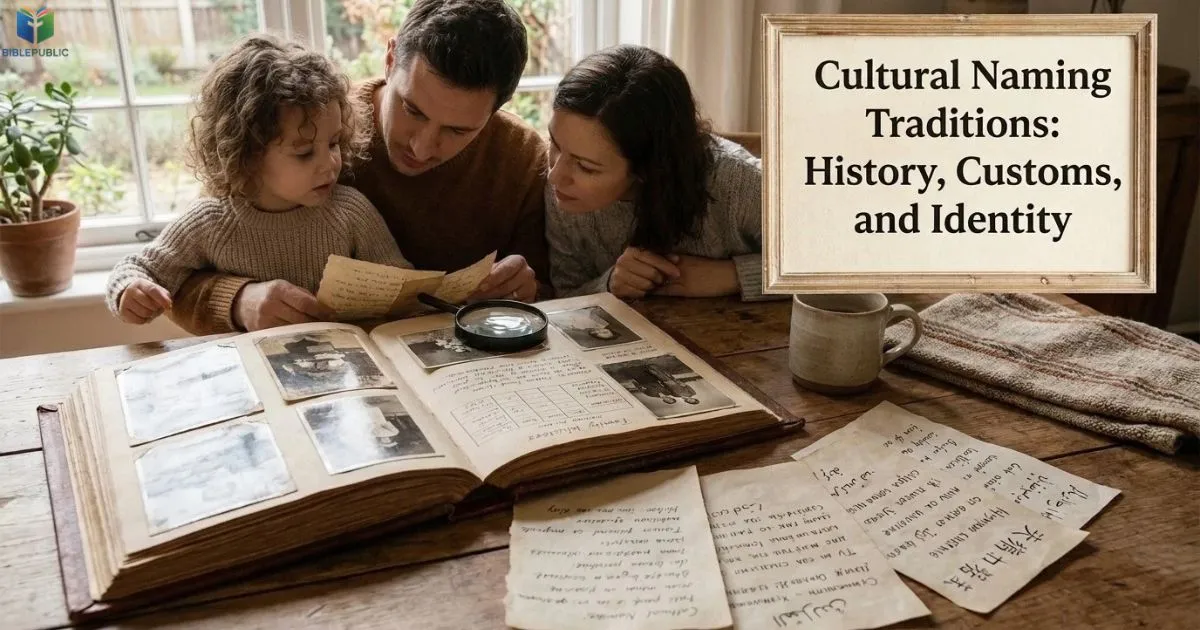
Other cultures follow different naming systems altogether. Certain Spanish-speaking communities traditionally use surnames representing both parental family lines. In several East Asian societies, women commonly retain their family surnames after marriage. South Asian naming practices vary significantly according to region, language, religion, and family preferences. These differences demonstrate that changing surnames is not a universal expectation and that personal naming conventions reflect diverse social histories.
The Role of Family Names in Personal Identity
A surname can carry considerable emotional importance because it connects individuals to their childhood experiences, parents, relatives, and cultural heritage. For many people, it represents a familiar identity developed over several decades. Changing that name may therefore feel like a significant personal transition rather than a simple administrative adjustment.
Some individuals enjoy adopting a shared family name because it represents a new chapter in their lives. Others prefer to maintain their existing identity because of its personal or historical meaning. Neither choice necessarily reflects a person’s commitment to marriage or family relationships. Modern perspectives increasingly acknowledge that meaningful relationships can exist independently of naming decisions.
Importance of Previous Names in Official Documents
Official institutions sometimes request information about previous surnames to establish continuity between different records. Government departments, educational institutions, financial organizations, and employers may need to confirm that documents containing different names belong to the same person.
A maiden name may appear in older records even after someone has officially adopted another surname. Maintaining accurate documentation of these changes can make administrative procedures easier. Individuals should carefully follow the instructions provided by the relevant institution because requirements vary across countries and organizations.
Common Situations Where Previous Names May Be Requested
Previous surname information may be relevant when completing certain administrative activities, including:
-
Applying for passports, visas, or immigration documents.
-
Verifying educational certificates and professional qualifications.
-
Completing background verification or employment applications.
-
Updating banking, insurance, and financial records.
-
Establishing connections between historical and current legal documents.
Providing accurate information can reduce unnecessary delays and prevent misunderstandings during identity verification.
Should Someone Change Their Surname After Marriage?
Deciding whether to change a surname after marriage is a personal choice influenced by individual preferences, family traditions, and applicable legal requirements. Some people appreciate sharing a common surname with their partner and children. Others prefer to retain a name that already represents their established identity.
Before making a decision, individuals may consider the practical effects of updating documents, professional accounts, financial information, and personal records. Discussing expectations with a partner can also help prevent misunderstandings. Where local laws permit different naming arrangements, couples can explore options that suit their circumstances rather than automatically following traditional expectations. The most suitable choice depends on what works for the people involved.
Keeping an Original Surname for Professional Reasons
Professional recognition is an important consideration when deciding whether to adopt a different family name. Individuals who have established careers may have published research, earned qualifications, built businesses, or developed professional reputations under their original surnames.
Keeping an existing name can maintain consistency across professional platforms, client relationships, industry publications, and employment histories. For example, an author who has published several successful books under her original surname may continue using that identity after marriage. Similarly, a doctor, lawyer, researcher, or business owner might prefer to maintain an established professional name. Where professional and legal names differ, individuals should ensure that contracts, licensing requirements, and official records are handled appropriately.
Combining Family Names After Marriage
Some couples choose to combine their surnames rather than replace one with another. A hyphenated surname can represent both family backgrounds while creating a shared identity. This arrangement may appeal to individuals who want to maintain their original heritage while acknowledging their marital relationship.
For example, someone named Olivia Parker who marries a person with the surname Evans might choose Parker-Evans. Other couples may use two surnames without a hyphen, depending on personal preferences and local rules. Although combined surnames can offer meaningful advantages, individuals should consider document consistency, spelling, and potential administrative limitations. Checking applicable naming procedures before making changes can help prevent complications.
How Previous Surnames Help in Genealogy Research
Genealogy involves studying family relationships and tracing ancestral connections across generations. Researchers frequently rely on historical records to understand how families developed, migrated, and established new communities. Original surnames can become particularly valuable when married individuals appear under different names in various documents.
Knowing a maiden name may help researchers locate birth certificates, marriage registers, census records, immigration documents, and historical family archives. Without this information, identifying the correct individual can become difficult, especially when several people share similar given names. By comparing multiple records, genealogists can build more accurate family trees and preserve historical connections that might otherwise be overlooked.
The Emotional Connection Between Names and Family Heritage
Family names often preserve memories of relatives, childhood homes, cultural celebrations, and shared experiences. An inherited surname may remind someone of grandparents who played an important role in their upbringing or ancestors who overcame significant challenges.
For individuals living away from their birthplace, maintaining an original surname may also provide a sense of belonging. It can preserve a connection to their language, community, or family traditions despite geographical distance. These emotional considerations explain why naming decisions deserve thoughtful discussion. A surname can represent both an individual’s past and the identity they wish to carry into the future.
The Changing Perspective of Modern Society
In 2026, naming preferences continue to reflect increasingly diverse family structures, professional lifestyles, and individual choices. Marriage does not automatically produce the same naming decisions for every couple. People may retain separate surnames, adopt shared family names, or choose combinations that acknowledge both partners.
Digital communication has also influenced the way people manage their identities. An individual may have an established presence across professional networks, online publications, business platforms, and personal accounts. Changing a surname can require adjustments across these environments. Consequently, contemporary naming decisions often involve balancing tradition, personal expression, career continuity, and practical convenience rather than following a single social expectation.
Using Previous Surnames for Online Security
Some websites and institutions have historically used family-related information as security questions for account recovery. Questions about a mother’s original surname are particularly familiar. However, such information should not be considered a strong security credential because family details may be discoverable through public records, social media, or genealogy platforms.
Individuals should prioritize stronger account protection methods, including unique passwords, multifactor authentication, and secure recovery procedures. Where a service still requires security questions, users should avoid relying on easily discoverable personal information whenever alternative options are available. Protecting family identity details and limiting unnecessary public disclosure can also reduce certain privacy risks.
What Happens to Personal Names After Divorce?
Divorce may lead individuals to reconsider their surname preferences. Some people choose to restore a previously used family surname, while others retain their married surname because it has become part of their personal, professional, or family identity.
Restoring a maiden name may involve formal procedures depending on the jurisdiction and the individual’s circumstances. Some people may be able to request restoration during divorce proceedings, while others may need to follow a separate administrative process. Keeping relevant documents and confirming local requirements can help ensure that records remain consistent. Ultimately, the decision often reflects practical considerations alongside personal feelings about identity and continuity.
How to Maintain Consistency Across Personal Records
Managing different names becomes easier when individuals maintain organized records of their personal information. Inconsistent spellings or incomplete updates can sometimes create difficulties when applying for services, traveling internationally, or verifying professional qualifications.
People considering a surname change should identify which records require updates and understand the correct procedures for each institution. Keeping copies of relevant supporting documents can also help establish connections between different names. Whenever an application requests both current and previous names, individuals should provide accurate information according to its instructions rather than assuming that every institution follows the same requirements.
Practical Tips for Managing Name Changes
-
Maintain secure copies of important identity documents.
-
Check spelling consistency across official records.
-
Keep supporting documentation for previous legal changes.
-
Inform relevant institutions when required.
-
Review travel documents before making international bookings.
These simple practices can make personal record management more efficient and reduce avoidable administrative problems.
Common Misunderstandings About Traditional Surnames
One common misunderstanding is that every married woman must adopt her husband’s surname. Naming practices depend on cultural traditions, personal decisions, and local laws. Many individuals continue using their original surnames throughout their lives without experiencing any change in their marital status.
Another misconception is that a former surname becomes irrelevant after a legal name change. Historical names can remain important for identification, family research, professional verification, and personal heritage. Additionally, using a different professional name does not necessarily mean that someone’s legal identity has changed. Understanding these distinctions helps people approach naming conventions without relying on outdated assumptions.
Frequently Asked Questions
1. What is a maiden name in simple words?
It generally refers to the family surname a woman used before marriage, especially when she adopts another surname afterward. It is frequently associated with her original family identity and may appear in earlier personal records.
2. Is changing a surname after marriage compulsory?
Not universally. In many jurisdictions, individuals can retain their existing surnames after marriage. Available options and administrative requirements depend on the applicable local laws and personal circumstances.
3. Are birth surnames and premarital surnames always identical?
No. Although they are frequently the same, an individual may have changed their surname through adoption, a previous marriage, or another legal process before their current marriage.
4. Can a married woman continue using her original surname professionally?
Yes, this is possible in many circumstances. However, professional registration, contracts, tax documents, and other official activities may require specific legal identification details.
5. Why do official applications request previous surnames?
Previous names may help organizations verify identity, locate historical records, and establish connections between documents issued at different stages of an individual’s life.
6. Can someone restore their original surname after divorce?
In many jurisdictions, individuals can restore a previously used surname by completing the applicable legal or administrative procedures. Requirements vary according to local regulations.
7. Is a mother’s original surname confidential information?
It is personal information, but it may not always be confidential because it can appear in historical records or public family information. It should not be relied upon as a secure password.
8. Can both partners retain their original surnames after marriage?
In many countries, married partners can retain their respective surnames. Couples may choose this arrangement for personal, cultural, professional, or practical reasons.
Conclusion
Personal names represent a meaningful combination of identity, cultural heritage, family history, and individual experience. The concept of a maiden name extends beyond traditional marriage customs because it also plays an important role in historical research, identity verification, professional recognition, and personal documentation.
As society continues to evolve, people increasingly recognize the importance of individual choice in naming decisions. Whether someone retains an original surname, adopts a married surname, or combines different family names, each arrangement can carry its own meaning and practical advantages.
Understanding naming conventions allows individuals to make informed decisions, maintain accurate records, and preserve meaningful connections with their heritage. Ultimately, a person’s identity is shaped not merely by their surname but also by their experiences, achievements, relationships, and the values they choose to carry throughout their life.