

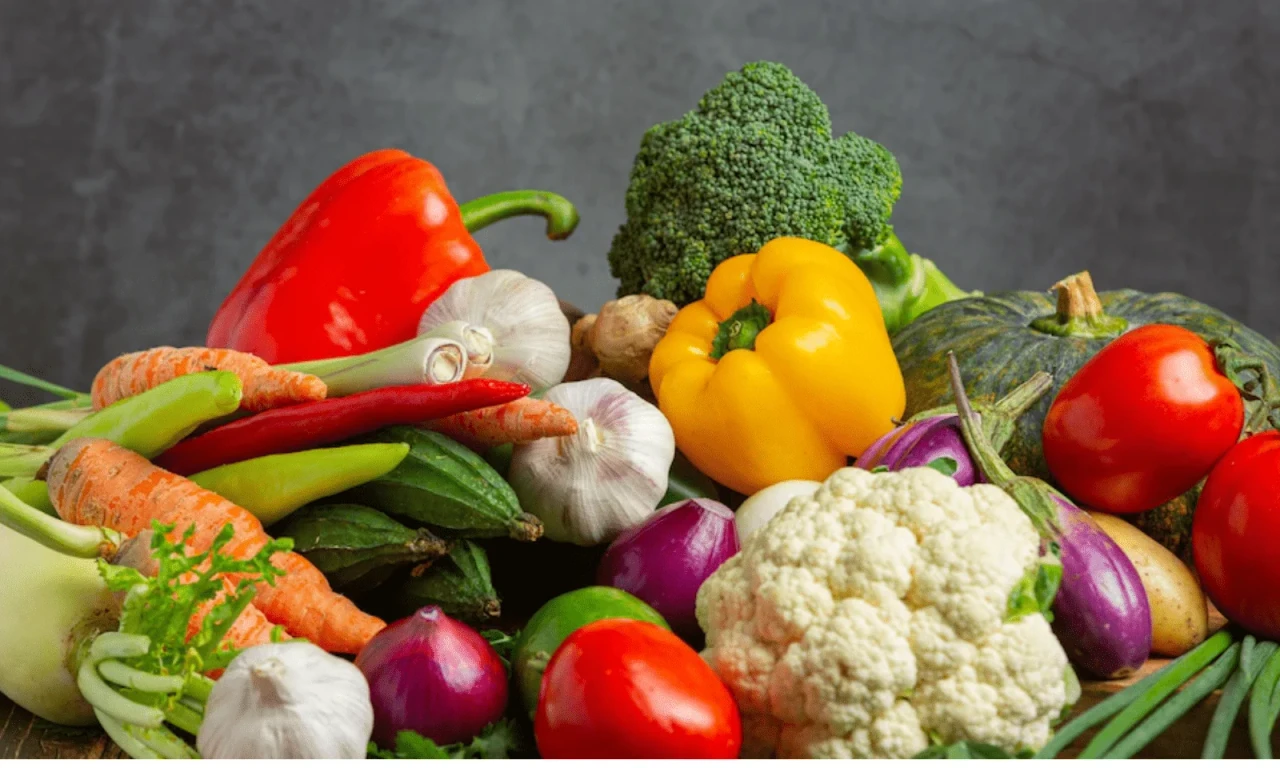

Vegetables are an essential part of a balanced diet, providing vitamins, minerals, dietary fiber, and other nutrients that support overall health. From leafy greens and colorful root vegetables to crunchy gourds and nutritious cruciferous varieties, every vegetable offers a different combination of flavors, textures, and nutritional benefits. Understanding the different types of vegetables makes it easier to plan meals, prepare balanced recipes, and introduce greater variety into everyday eating habits.
A well-organized vegetables name list is useful for students, parents, home cooks, gardeners, and anyone interested in improving their food knowledge. It can help children learn common vegetable names, assist shoppers when planning weekly groceries, and give beginners a clearer understanding of the ingredients used in different cuisines. In India, vegetables such as potatoes, onions, tomatoes, spinach, cauliflower, okra, and eggplant are common in household kitchens because they are versatile and can be prepared in numerous ways.
With growing awareness of healthy eating, seasonal produce, food quality, and household budgets, choosing vegetables has become an important part of everyday meal planning. Learning about their categories, nutritional properties, storage requirements, and cooking methods can help people make practical food choices without making their diets unnecessarily complicated.
Understanding the Different Types of Vegetables
Vegetables can be grouped according to the parts of plants that people commonly eat. These categories include leaves, roots, stems, flowers, fruits, and underground storage structures such as bulbs and tubers. Although many people use the word vegetable for all savory plant foods, some commonly recognized vegetables are botanically fruits. Tomatoes, cucumbers, pumpkins, and bell peppers are familiar examples.
Understanding these categories helps people recognize the variety available in local markets. Leafy vegetables are often used in curries, soups, salads, and traditional dishes, while root vegetables are popular in roasted meals, stews, and stuffed breads. Flower vegetables, such as cauliflower and broccoli, can be steamed, sautéed, or baked. Each category provides different culinary possibilities, allowing households to create varied meals throughout the year.
Leafy Green Vegetables
Leafy vegetables are widely appreciated for their nutritional value and versatility. Spinach, fenugreek leaves, mustard greens, amaranth leaves, lettuce, kale, and coriander leaves are common examples. Many leafy greens provide folate, vitamin K, vitamin C, and other important nutrients, although their exact nutritional composition varies by variety and preparation method.
In Indian cooking, leafy vegetables are frequently prepared with lentils, potatoes, spices, or other vegetables. Spinach can be added to soups and curries, while fenugreek leaves can improve the flavor of flatbreads and vegetable dishes. Washing leafy greens thoroughly, removing damaged leaves, and storing them appropriately can help maintain their quality and freshness.
Root Vegetables and Tubers
Root vegetables grow underground and store nutrients that support plant growth. Carrots, radishes, beetroot, turnips, and sweet potatoes belong to this group. Potatoes are technically stem tubers rather than roots, but they are commonly grouped with root vegetables in everyday cooking because of their similar culinary uses.
Carrots provide beta-carotene, which the body can convert into vitamin A. Beetroot contains folate and naturally occurring plant compounds, while sweet potatoes are a source of fiber and beta-carotene, depending on the variety. These vegetables can be boiled, roasted, steamed, or incorporated into curries. Their natural flavors range from sweet and earthy to mildly peppery, making them suitable for different recipes.
Cruciferous Vegetables
Cruciferous vegetables include cauliflower, cabbage, broccoli, radishes, and several varieties of mustard greens. They are known for their distinctive flavors and provide fiber, vitamins, and various naturally occurring plant compounds. Broccoli and cauliflower are particularly versatile because they can be used in soups, stir-fries, baked dishes, and traditional Indian curries.
These vegetables can be prepared using different cooking methods, but avoiding excessive cooking may help preserve some heat-sensitive nutrients. Steaming or briefly sautéing them is a practical approach when their texture and freshness are important. Combining cruciferous vegetables with grains, legumes, and healthy fats can also help create satisfying meals.
Popular Vegetables Name List for Everyday Use
A useful vegetables name list includes familiar varieties as well as vegetables that people may encounter less frequently. The following examples cover several categories commonly found in Indian markets and international cuisines.
| Vegetable name | Category | Common culinary use |
|---|---|---|
| Potato | Tuber | Curries, fries, and stuffed breads |
| Tomato | Botanical fruit | Sauces, salads, and gravies |
| Onion | Bulb | Curries, soups, and salads |
| Carrot | Root | Salads, soups, and cooked dishes |
| Spinach | Leafy green | Curries, soups, and lentil dishes |
| Cauliflower | Flower | Curries, roasted dishes, and stir-fries |
| Cabbage | Leafy head | Salads, stir-fries, and rolls |
| Okra | Fruit vegetable | Fried dishes and curries |
| Eggplant | Botanical fruit | Roasted dishes and curries |
| Cucumber | Botanical fruit | Salads and cooling side dishes |
| Pumpkin | Botanical fruit | Soups, curries, and baked dishes |
| Green peas | Seeds and pods | Rice dishes, curries, and soups |
| Radish | Root | Salads, pickles, and stuffed breads |
| Beetroot | Root | Salads, soups, and vegetable dishes |
| Bottle gourd | Fruit vegetable | Curries, soups, and stews |
This table illustrates how different vegetables can serve different purposes in the kitchen. Some provide the base for a dish, while others contribute flavor, color, texture, or additional nutrients. Choosing a mixture of these varieties can make everyday meals more interesting and nutritionally diverse.
Nutritional Benefits of Eating Vegetables Regularly
Vegetables provide a range of nutrients that contribute to normal body functions. Fiber supports digestive health and can help people feel satisfied after meals. Vitamin C contributes to normal immune function and helps the body absorb iron from plant foods. Vitamin A, including the vitamin A produced from beta-carotene, supports normal vision and immune function, while folate is important for cell division and growth.
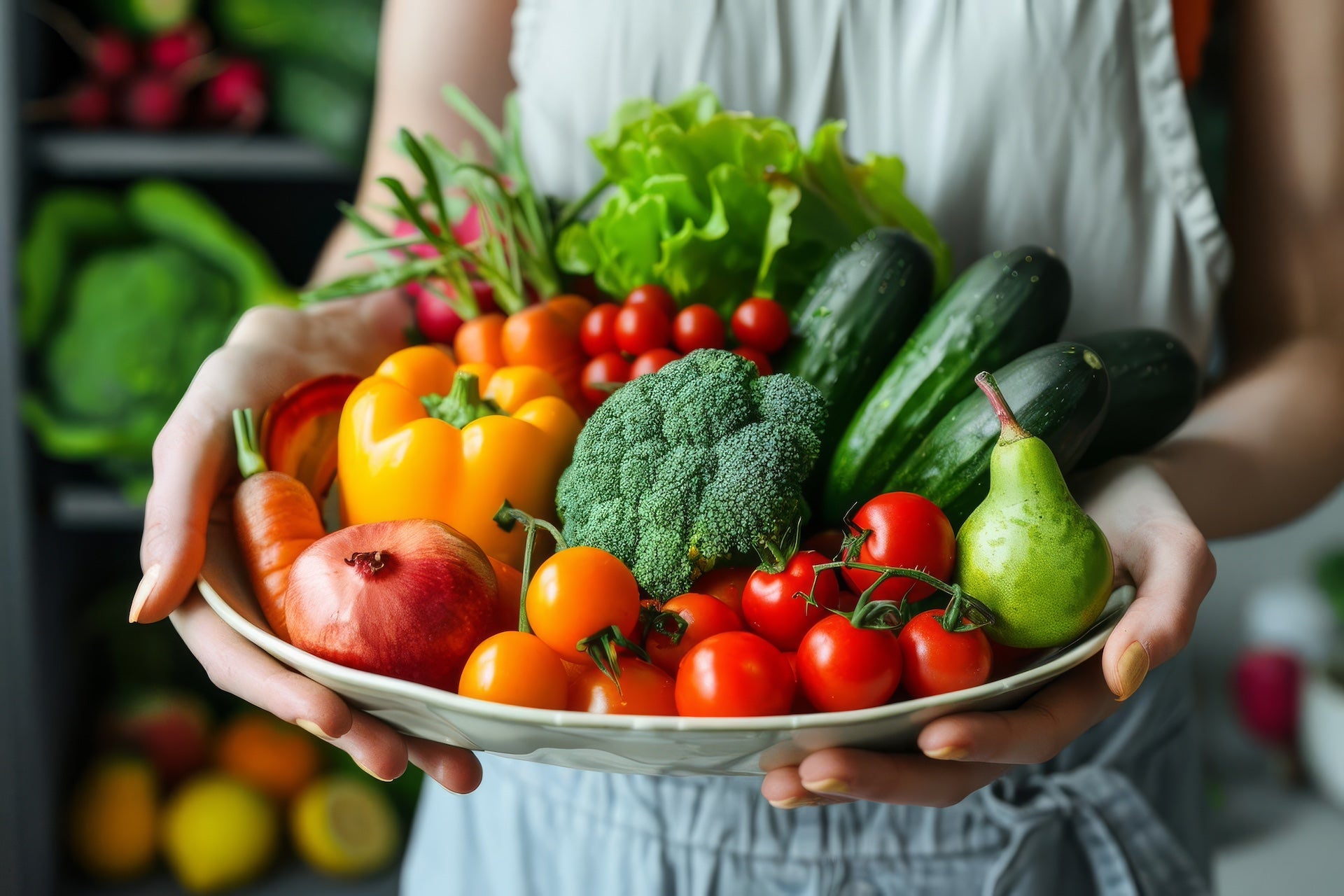
Different colors can offer a simple starting point for choosing a broader variety of vegetables. Orange vegetables, such as carrots and some pumpkins, are often rich in carotenoids. Dark green vegetables can supply folate and vitamin K, while red and purple varieties contain different plant pigments. Color alone does not tell the whole nutritional story, but eating a range of colors can encourage variety in the diet.
Vegetables also contribute water and dietary fiber, which are important for digestion and general dietary balance. However, no single vegetable provides every nutrient the body needs. A balanced eating pattern should include vegetables alongside fruits, whole grains, pulses, nuts, seeds, and appropriate protein sources.
How Vegetables Support Everyday Wellness
Including vegetables in daily meals can support healthy eating habits in several ways. Fiber-rich foods can contribute to regular bowel movements, while meals containing a variety of vegetables may help people manage overall energy intake. Vegetables can also add volume, flavor, and texture to meals without requiring large quantities of added sugar or saturated fat.
Preparation methods matter as well. Deep-frying vegetables regularly can substantially increase the amount of oil and energy in a meal. Steaming, boiling, roasting, and sautéing with moderate amounts of oil can provide alternatives. The best approach depends on the vegetable, the recipe, and personal preferences. Consistency and dietary variety are generally more useful than relying on one so-called superfood.
Seasonal Vegetables and Their Importance
Seasonal vegetables are often a practical choice because they may be more readily available and less expensive when harvested in abundance. In India, vegetable availability differs according to climate, region, rainfall, storage facilities, and farming practices. Consequently, a vegetable that is plentiful in one state or season may be less common in another.
During cooler months, many markets offer vegetables such as carrots, peas, radishes, cauliflower, spinach, and mustard greens. Warmer months may bring greater availability of gourds, cucumbers, okra, and certain varieties of eggplant. These are general patterns rather than fixed rules, since modern transportation, protected cultivation, and cold storage can extend availability throughout the year.
Choosing seasonal produce can encourage people to try new recipes and adjust their menus naturally. For example, carrots and peas can be incorporated into rice dishes during cooler months, while cucumber and bottle gourd can feature in lighter meals during warmer weather. Buying locally available produce can also make grocery planning easier, although affordability and freshness should be assessed individually.
How to Choose Fresh Vegetables
Freshness affects the flavor, texture, and storage life of vegetables. When shopping, look for produce that is appropriate for its variety, without extensive bruising, mold, unusual softness, or signs of decay. Leafy greens should generally appear reasonably crisp, while carrots and radishes should feel firm. Tomatoes can be chosen according to whether they are needed immediately or will be allowed to ripen at home.
It is also helpful to consider how much food the household can consume before it spoils. Buying large quantities may appear economical, but discarded vegetables waste both money and food. Planning meals before shopping allows buyers to estimate their requirements and select a sensible mixture of ingredients. Frozen vegetables can be a useful alternative when fresh produce is expensive, unavailable, or difficult to store.
Practical Shopping Tips
A few simple habits can make vegetable shopping more efficient:
- Choose a mixture of leafy greens, roots, and other vegetables instead of relying on only one category.
- Check for mold, severe bruising, and damaged areas before purchasing.
- Buy quantities that match your meal plan and available storage space.
- Compare seasonal prices and consider frozen vegetables when appropriate.
These habits can help households maintain variety while reducing unnecessary spending and food waste.
Proper Storage and Preparation of Vegetables
Correct storage helps preserve the quality of vegetables for longer. Many leafy greens and other perishable vegetables benefit from refrigeration, while some produce, including whole onions, garlic, and potatoes, generally stores better in a cool, dry, well-ventilated place away from direct sunlight. Tomatoes can often be kept at room temperature until ripe, depending on the expected storage period and household conditions.
Different vegetables have different storage requirements, so treating all produce the same way may lead to faster spoilage. Keeping potatoes away from onions can be helpful because the two can affect each other’s storage conditions. Delicate greens should be protected from excess moisture, and damaged pieces should be removed when appropriate. Cut vegetables generally require refrigeration and should be used promptly.
Before eating or cooking vegetables, wash them under clean running water. Avoid using soap or household detergents on produce. Wash vegetables before cutting when possible, and use clean utensils and cutting surfaces to reduce cross-contamination. If vegetables are peeled, remember that some nutrients and fiber may be concentrated in or near the skin, although peeling remains appropriate for certain varieties and recipes.
Easy Ways to Include More Vegetables in Daily Meals
Adding vegetables to everyday meals does not require completely changing established eating habits. Small adjustments can increase variety without making cooking difficult. For example, chopped carrots, peas, beans, or spinach can be added to rice, noodles, omelets, or lentil dishes. Grated vegetables can also be incorporated into parathas, sandwiches, savory pancakes, and homemade snacks.

Breakfast offers opportunities to include vegetables through vegetable poha, savory oats, stuffed flatbreads, or an omelet with chopped onions, tomatoes, and peppers. Lunch and dinner can feature mixed vegetable curries, seasonal stir-fries, soups, or salads. For people who prefer familiar meals, adding one extra vegetable to a favorite recipe may be an easier starting point than adopting an entirely different menu.
Children can become more interested in vegetables when they participate in washing produce, arranging colorful ingredients, or helping prepare simple recipes under adult supervision. Presenting vegetables in different textures and cooking styles may also help, since preferences can change with repeated exposure. The aim should be to make vegetables a normal and enjoyable part of eating rather than a food associated with pressure or punishment.
Common Mistakes to Avoid When Eating Vegetables
One common mistake is choosing only a small number of familiar varieties. Potatoes, onions, and tomatoes are useful kitchen staples, but relying on them almost exclusively limits dietary variety. Rotating ingredients throughout the week can introduce different flavors and nutrient profiles while keeping meals interesting.
Another mistake is assuming that raw vegetables are always healthier than cooked ones. Some nutrients are sensitive to heat, while the availability of certain compounds can improve with cooking. Cooking methods also influence the final nutritional profile. For instance, lightly cooking tomatoes can increase the availability of some carotenoids, while prolonged cooking may reduce certain heat-sensitive vitamins.
People should also avoid judging food quality solely by appearance. Fresh-looking produce is desirable, but frozen vegetables can retain substantial nutritional value and offer convenience. Similarly, vegetables do not need to be expensive or exotic to contribute to a healthy diet. Affordable local produce, prepared safely and included regularly, can be an excellent choice.
Conclusion
Learning about different vegetables can make grocery shopping, meal preparation, and healthy eating more manageable. From leafy greens and root vegetables to cruciferous varieties, gourds, bulbs, and edible pods, each category brings its own flavors, textures, and nutritional characteristics. Understanding these differences helps people select suitable ingredients for familiar recipes while discovering new ways to prepare everyday meals.
A comprehensive vegetables name list is valuable for students, families, home cooks, and anyone seeking to expand their food knowledge. It can serve as a starting point for learning common names, identifying vegetable categories, comparing culinary uses, and planning meals around seasonal availability. However, knowing the names is only the first step; selecting varied produce, storing it correctly, and preparing it safely are equally important.
Ultimately, a balanced approach works best. Choose vegetables according to availability, budget, freshness, and personal preference, and include a range of varieties throughout the week. By making small, consistent changes to daily meals, households can enjoy more colorful dishes, reduce food waste, and build practical eating habits that are easier to maintain over time.