

.jpg&description=Explore vegetables name lists with common examples, nutritional benefits, seasonal varieties, and practical tips to choose, store, and enjoy vegetables every day.)
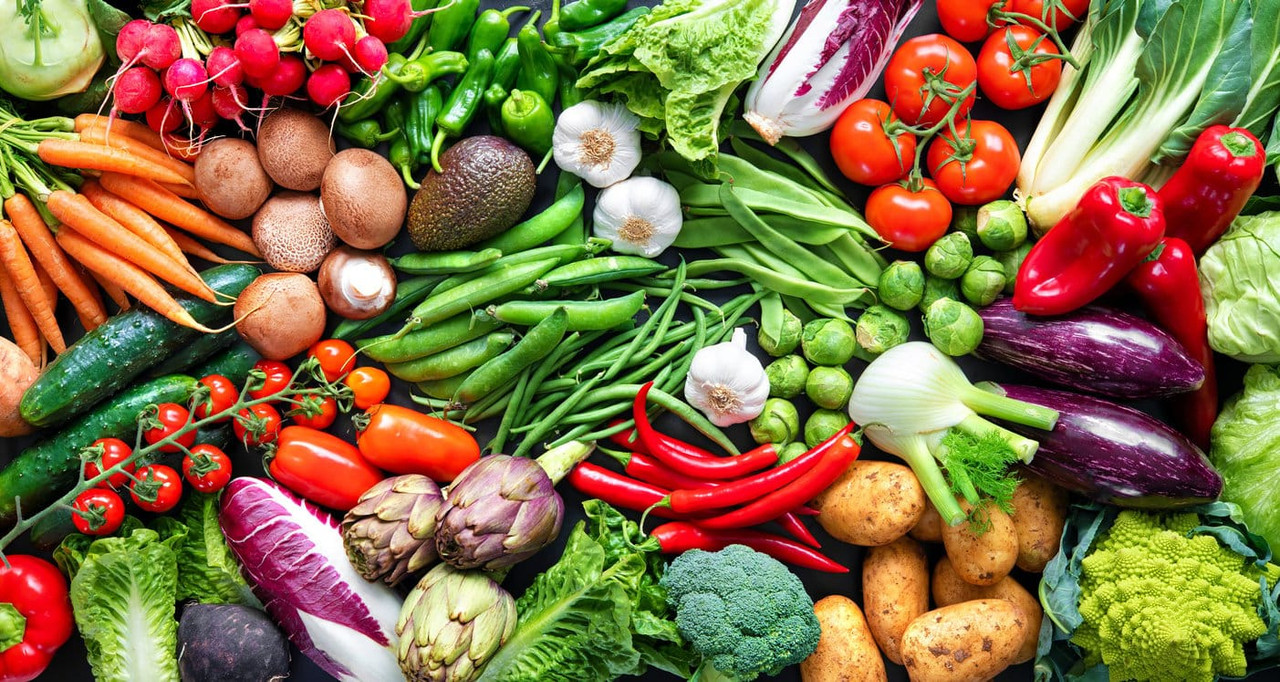
Vegetables are an essential part of a balanced diet because they provide vitamins, minerals, dietary fiber, and other nutrients that help the body function properly. From leafy greens and root vegetables to colorful peppers, gourds, and beans, every variety offers different flavors, textures, and nutritional qualities. Learning the names of vegetables is useful for students, parents, teachers, home cooks, and anyone who wants to improve their everyday food choices. It can also help people identify unfamiliar produce at markets and introduce more variety into their meals.
In India, vegetables are closely connected to regional cuisines, seasonal traditions, and daily cooking habits. Potatoes, tomatoes, onions, cauliflower, spinach, okra, carrots, and eggplants are common ingredients in many households. Some vegetables are enjoyed raw in salads, while others are boiled, steamed, roasted, or cooked with spices. Knowing different vegetables and understanding how they are used can make meal planning easier and encourage healthier eating habits.
A well-organized vegetables name guide also helps children develop vocabulary and recognize foods they see at home or in school. Adults can use the same information to explore new recipes, understand basic nutrition, and make shopping lists. Whether someone wants to learn a few everyday examples or discover a wider range of produce, understanding vegetable varieties is a practical starting point.
What Are Vegetables?
Vegetables are edible parts of plants that people commonly prepare as part of meals. These parts can include leaves, stems, roots, flowers, fruits, bulbs, and immature seeds. Spinach is an example of an edible leaf, carrots are roots, asparagus is a stem, cauliflower is a flower structure, and peas are seeds. Although these foods are grouped together in everyday cooking, they come from different botanical parts of plants.
The distinction between culinary and botanical classifications is particularly interesting. Tomatoes, cucumbers, pumpkins, and bell peppers are botanically fruits because they develop from flowers and contain seeds. However, they are usually treated as vegetables in cooking because of their savory flavors and common uses in meals. Understanding this difference helps explain why some foods can belong to one category scientifically and another in everyday language.
Vegetables are available in fresh, frozen, dried, and preserved forms. Fresh produce is popular for its flavor and texture, while frozen vegetables can offer convenience and reduce preparation time. The best choice depends on availability, budget, storage facilities, and the intended recipe.
Common Vegetables Name List
There are hundreds of edible vegetable varieties around the world, but some are particularly familiar because they are widely cultivated and used in everyday cooking. The following table groups common vegetables by their familiar English names and typical culinary uses.
| Vegetable name | Category | Common use |
|---|---|---|
| Potato | Tuber | Curries, fries, mashed dishes |
| Tomato | Botanical fruit | Sauces, salads, gravies |
| Onion | Bulb | Curries, soups, seasoning |
| Carrot | Root | Salads, soups, cooked dishes |
| Spinach | Leafy green | Saag, soups, fillings |
| Cauliflower | Flower | Curries, roasted dishes |
| Cabbage | Leafy head | Stir-fries, salads, rolls |
| Eggplant | Fruit vegetable | Bharta, curries, roasting |
| Okra | Fruit vegetable | Stir-fries, curries |
| Cucumber | Botanical fruit | Salads, raita |
| Green peas | Seeds | Rice dishes, curries |
| Pumpkin | Botanical fruit | Soups, curries, desserts |
| Radish | Root | Salads, parathas |
| Beetroot | Root | Salads, juices, cooked dishes |
| Bell pepper | Botanical fruit | Stuffing, stir-fries, salads |
These examples demonstrate how different vegetables contribute to the variety of everyday meals. Some provide a firm texture, some add sweetness, and others contribute distinctive aromas or flavors. Combining different types in one meal can make food more interesting while increasing the range of nutrients consumed.
Types of Vegetables Based on the Plant Part
1. Leafy Green Vegetables
Leafy greens include spinach, fenugreek leaves, amaranth leaves, lettuce, mustard greens, and coriander leaves. They are valued for their freshness and their contribution of nutrients such as folate, vitamin K, and other vitamins and minerals. Many leafy vegetables are also sources of dietary fiber, although their precise nutritional composition varies by variety and preparation method.
In Indian cooking, leafy greens appear in dishes such as palak paneer, methi paratha, saag, and vegetable dals. Some can be eaten raw after thorough washing, while others are usually cooked to improve their texture and flavor. Because leafy vegetables can lose freshness quickly, it is helpful to select crisp leaves without extensive yellowing or slimy patches and store them under suitable refrigerated conditions.
2. Root and Tuber Vegetables
Root and tuber vegetables include carrots, radishes, beetroots, turnips, potatoes, sweet potatoes, and yams. These vegetables grow underground or develop edible storage structures that allow plants to store nutrients. Their flavors range from sweet and earthy to mild and starchy, making them suitable for many different recipes.
Carrots can be eaten raw, steamed, or added to soups, while radishes are commonly used in salads and stuffed parathas. Potatoes are especially versatile because they can be boiled, roasted, mashed, or incorporated into curries. Sweet potatoes provide carbohydrates and fiber, and their natural sweetness makes them suitable for both savory and sweet preparations. Washing root vegetables thoroughly and removing damaged sections helps prepare them safely for cooking.
3. Flower Vegetables
Flower vegetables include cauliflower, broccoli, and artichokes. These vegetables are eaten because their flower structures or developing flower buds are suitable for cooking. Cauliflower is widely used in Indian households, where it appears in aloo gobi, parathas, pakoras, and mixed vegetable dishes. Broccoli is popular in steamed dishes, soups, salads, and stir-fries.
Cauliflower and broccoli provide fiber and several vitamins and minerals. Their flavor and texture can change considerably depending on how they are prepared. Steaming, roasting, and quick stir-frying are useful methods for retaining a pleasant texture without making them excessively soft. Overcooking may reduce their appeal, so preparation time should be adjusted according to the size of the pieces.
4. Stem and Bulb Vegetables
Stem vegetables include asparagus, celery, and kohlrabi stems, while bulb vegetables include onions, garlic, and shallots. These plant parts are important in cooking because they contribute distinctive textures and flavors. Onions and garlic are especially common in savory recipes, where they form the aromatic base for gravies, soups, and stir-fries.
Asparagus is often steamed, grilled, or roasted, while celery can be added to soups and salads. Onions are used both raw and cooked, and garlic is frequently added in small quantities to enhance flavor. Although these vegetables may be used differently from leafy greens or root vegetables, they still contribute to the diversity of a balanced diet.
5. Fruit Vegetables and Seed Vegetables
Tomatoes, cucumbers, eggplants, pumpkins, zucchini, and bell peppers are examples of foods botanically classified as fruits but commonly used as vegetables. Peas, sweet corn, and several types of beans are also important vegetable ingredients, with their edible seeds providing carbohydrates, fiber, or protein in varying amounts.
These foods are particularly versatile. Tomatoes are central to many sauces and curries, cucumbers are refreshing in salads, and bell peppers add color to cooked dishes. Eggplants can be roasted until soft or cooked into flavorful gravies. Green peas are often added to pulao, soups, and mixed vegetable preparations. Using several varieties together can create meals with different colors, textures, and flavors.
Health Benefits of Eating Vegetables
Vegetables contribute to a healthy eating pattern in several ways. Their fiber supports normal digestion and can help maintain regular bowel movements. Fiber-rich foods may also improve fullness after meals, which can be useful for people trying to manage their overall food intake. Different vegetables provide different amounts and types of fiber, so eating a variety is generally more beneficial than depending on a single option.
Many vegetables contain vitamins and minerals needed for normal body functions. Carrots provide beta-carotene, which the body can convert into vitamin A. Leafy greens can contribute folate and vitamin K, while potatoes supply potassium and vitamin C. Tomatoes provide vitamin C and lycopene, a naturally occurring plant compound. The amount of each nutrient depends on the vegetable variety, growing conditions, storage, and preparation method.
Vegetables also contribute color and variety to meals. Red, orange, green, purple, and white produce contains different combinations of naturally occurring plant compounds. Eating a range of colors can help people diversify their nutrient intake, although color alone does not guarantee that one vegetable is nutritionally superior to another.
A vegetable-rich diet can support long-term health when it is combined with other healthy habits, including adequate physical activity, sufficient sleep, and a balanced intake of protein, whole grains, fruits, and healthy fats. Vegetables are valuable components of a diet, but no single food can prevent every disease or replace appropriate medical care.
How to Include More Vegetables in Your Daily Diet
Adding vegetables to everyday meals does not have to involve complicated recipes or expensive ingredients. A simple approach is to include at least one vegetable with each main meal and gradually introduce more variety. For example, breakfast might include vegetable poha or an omelet with chopped vegetables, lunch could contain dal and a seasonal sabzi, and dinner might feature mixed vegetable soup or a stir-fry alongside rice or roti.
Different preparation methods can make the same vegetable feel like a completely different food. Carrots can be grated into salads, roasted as a side dish, or added to vegetable pulao. Spinach can be cooked with lentils, mixed into paratha dough, or used in soups. Cauliflower can be roasted with spices, added to curry, or combined with potatoes. These variations are helpful for households where family members have different preferences.
A few practical habits can make vegetable consumption easier:
-
Add chopped vegetables to familiar dishes such as dal, upma, poha, and pasta.
-
Keep washed and properly stored produce ready for quick meal preparation.
-
Choose seasonal vegetables when they are fresh, affordable, and readily available.
-
Experiment with steaming, roasting, grilling, and light stir-frying to discover preferred flavors.
The goal is to build a sustainable routine rather than force yourself to eat unfamiliar foods every day. Starting with vegetables you already enjoy and gradually introducing new varieties can make dietary changes easier to maintain.
Seasonal Vegetables and Their Importance
Seasonality affects the availability, price, freshness, and variety of vegetables. In India, the vegetables found in local markets can differ by region, climate, rainfall, and growing conditions. Winter markets in many areas commonly feature carrots, peas, cauliflower, radishes, and leafy greens. Warmer months may bring greater availability of gourds, cucumbers, okra, and other heat-tolerant crops, although local growing seasons vary.
Choosing seasonal produce can be practical because vegetables in their natural growing period may be easier to find and more affordable. Local availability also helps consumers plan meals around what is fresh rather than relying on a fixed list throughout the year. For instance, a family might prepare carrot and pea dishes during the cooler season and use bottle gourd, cucumber, or okra more frequently when those vegetables are readily available.
However, seasonal eating does not mean that vegetables outside their natural season should always be avoided. Refrigerated transport, protected cultivation, and freezing allow many vegetables to remain available year-round. The most suitable choice depends on quality, cost, accessibility, and personal dietary needs.
How to Select, Wash, and Store Vegetables
Choosing good-quality produce begins with checking its appearance and texture. Leafy greens should generally look fresh rather than wilted, while carrots and radishes should feel firm. Cauliflower and broccoli should have compact structures without extensive discoloration. Tomatoes can be selected according to whether they are needed for immediate use or will be allowed to ripen further. Avoid vegetables with extensive mold, unusual odors, or significant decay.
Wash vegetables under clean running water before cutting or eating them. Scrubbing firm produce can help remove soil, and leafy vegetables may need careful rinsing to remove dirt trapped between leaves. Soap, household detergents, and ordinary cleaning chemicals should not be used on food. Washing before storage can increase moisture and encourage spoilage in some vegetables, so it may be preferable to wash certain produce immediately before use.
Storage requirements vary. Leafy greens usually benefit from refrigeration, while onions, garlic, and many potatoes are commonly stored in a cool, dry, well-ventilated place. Some vegetables are sensitive to chilling, and whole tomatoes may develop better flavor when allowed to ripen at room temperature. Once vegetables are cut, refrigerate them promptly in clean, covered containers and use them within an appropriate period.
Planning meals around vegetables that spoil quickly can reduce household food waste. For example, delicate leafy greens can be used early in the week, while suitable root vegetables may remain usable for longer when stored correctly. Buying manageable quantities and checking stored produce regularly can help households save money and make better use of their groceries.
Vegetables Name for Children and Students
Learning vegetable names is a useful educational activity for children because it connects vocabulary with familiar objects and everyday experiences. Parents and teachers can introduce vegetables through pictures, market visits, cooking activities, or simple matching games. Children can learn to distinguish leafy vegetables from roots, identify colors, and recognize differences in shape and texture.
A practical learning exercise is to ask children to identify five vegetables in the kitchen, name their colors, and explain how each is eaten. They might identify a carrot as an orange root, spinach as a leafy green, and cauliflower as a flower vegetable. Older students can explore botanical classifications and discover why tomatoes and cucumbers are scientifically fruits even though they are usually treated as vegetables in cooking.
Food education can also encourage children to become more comfortable with unfamiliar produce. Allowing them to help wash vegetables, arrange salad ingredients, or choose a new vegetable at the market can make healthy foods more interesting. Repeated, pressure-free exposure is often more useful than insisting that a child immediately enjoy every vegetable.
Conclusion
Understanding different vegetable varieties makes everyday food choices easier, more varied, and more enjoyable. From leafy greens and roots to bulbs, flower vegetables, gourds, and edible seeds, each group offers distinctive characteristics and uses. Learning the common vegetables name list can help students improve their vocabulary, assist families with meal planning, and encourage home cooks to experiment with new ingredients. Vegetables provide valuable nutrients and can support a balanced diet when eaten alongside other nutritious foods. Selecting fresh produce, washing it properly, storing it correctly, and using suitable cooking methods can help maintain its quality and reduce unnecessary waste. Seasonal choices may also help households find affordable ingredients while enjoying greater variety throughout the year.