

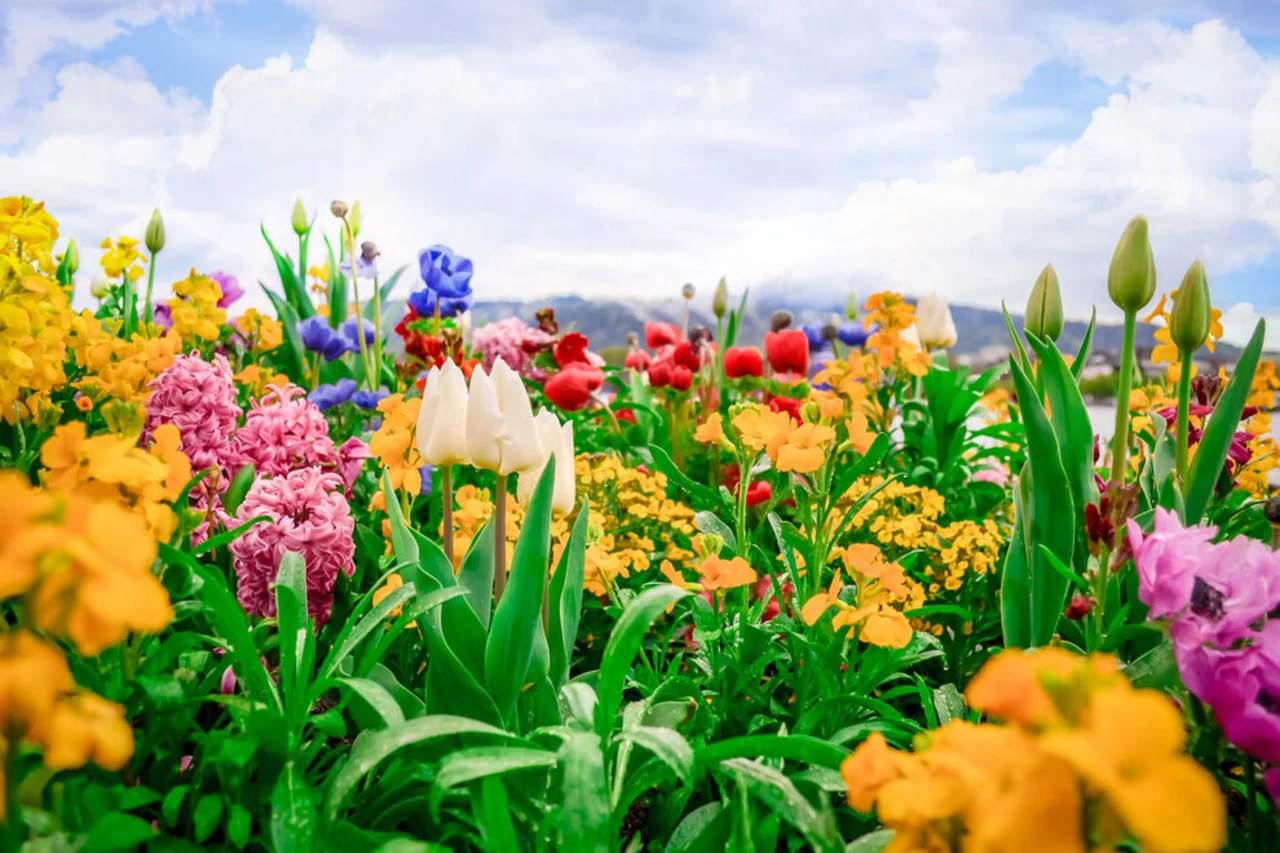
.webp&description=Explore 50+ flowers name with their colors, meanings, uses, and growing tips. Discover popular garden flowers, fragrant blooms, and beautiful varieties for every occasion.)
Flowers are among the most beautiful parts of nature. They brighten gardens, decorate homes, enhance celebrations, and bring color to everyday life. From delicate roses and cheerful sunflowers to fragrant jasmine and elegant lilies, every flower has its own appearance, fragrance, and charm. Some flowers are admired for their vibrant colors, while others are appreciated for their soothing fragrance, cultural importance, or ability to attract butterflies and bees. Learning about different flowers can help people choose suitable varieties for gardens, bouquets, gifts, and special occasions.
Understanding a flowers name is also useful for students, gardening enthusiasts, nature lovers, and anyone who wants to identify plants more easily. Flowers are commonly known by their everyday names, but many also have scientific names that help distinguish one species from another. For example, the common sunflower is scientifically known as Helianthus annuus, while the garden rose belongs to the genus Rosa. These names are useful when purchasing seeds, identifying plants, or researching their growing requirements.
Flowers also play an essential role in the natural world. They support pollination, help plants reproduce, and provide food for numerous insects and other animals. In human culture, flowers represent emotions such as love, friendship, gratitude, remembrance, and hope. By exploring their names, colors, characteristics, and meanings, readers can develop a better understanding of these remarkable plants and discover which varieties suit their personal interests.
What Are Flowers and Why Are They Important?
Flowers are the reproductive structures of flowering plants. They often contain colorful petals, pollen-producing parts, and structures that help plants develop seeds after successful pollination. Although people commonly admire flowers for their beauty, their biological purpose is much more significant. Many flowers attract pollinators through their colors, scents, nectar, and shapes. Bees, butterflies, birds, and other animals help transfer pollen between flowers, supporting plant reproduction and maintaining healthy ecosystems.
Flowers are also important in everyday life. They are used in wedding decorations, religious ceremonies, festivals, home interiors, landscaping, and personal gifts. Certain varieties are grown for perfumes, essential oils, and other products, while edible flowers such as nasturtiums and some varieties of calendula are used in culinary applications. However, not every flower is safe to eat, and some are toxic to people or pets. Proper identification is essential before using any flower for food or medicinal purposes.
50+ Popular Flowers Name With Their Characteristics
Different flowers offer different combinations of color, shape, fragrance, and growing requirements. Some thrive in warm, sunny conditions, while others prefer partial shade or cooler weather. The following table introduces popular flowers, their common colors, and the qualities that make them recognizable.
| Flower Name | Common Colors | Main Characteristics |
|---|---|---|
| Rose | Red, pink, white, yellow | Fragrant petals and thorny stems |
| Sunflower | Yellow, orange | Large flower heads that attract pollinators |
| Lotus | Pink, white | Aquatic flower with broad leaves |
| Jasmine | White, yellow | Small, highly fragrant blossoms |
| Marigold | Yellow, orange | Bright flowers and easy garden care |
| Lily | White, pink, orange, yellow | Large, elegant, often fragrant blooms |
| Tulip | Red, pink, purple, yellow | Cup-shaped flowers |
| Hibiscus | Red, pink, yellow, white | Large, prominent petals |
| Orchid | Purple, white, pink, yellow | Distinctive and varied flower shapes |
| Daisy | White, yellow, pink | Simple petals around a central disk |
| Lavender | Purple, blue | Fragrant flower spikes |
| Daffodil | Yellow, white | Trumpet-shaped central structure |
| Chrysanthemum | Various colors | Dense petals and many cultivated forms |
| Bougainvillea | Pink, purple, red, white | Colorful papery bracts |
| Periwinkle | Pink, purple, white | Five-petaled flowers and evergreen foliage |
| Poppy | Red, orange, pink | Delicate petals and distinctive seed capsules |
| Petunia | Purple, pink, red, white | Trumpet-shaped blooms |
| Zinnia | Red, orange, pink, yellow | Bright flowers suitable for summer gardens |
| Dahlia | Various colors | Layered petals and varied flower sizes |
| Magnolia | White, pink, purple | Large, often fragrant blossoms |
| Gardenia | White, cream | Glossy leaves and strong fragrance |
| Morning Glory | Blue, purple, pink | Climbing plant with trumpet-shaped flowers |
| Sweet Pea | Pink, purple, white | Fragrant blossoms on climbing stems |
| Cosmos | Pink, white, purple | Airy foliage and open flower heads |
| Aster | Purple, pink, white | Daisy-like blooms |
| Snapdragon | Pink, red, yellow, white | Upright flower spikes |
| Calendula | Yellow, orange | Bright blooms and edible petals in suitable varieties |
| Camellia | Pink, red, white | Glossy leaves and layered petals |
| Plumeria | White, yellow, pink | Fragrant tropical flowers |
| Freesia | White, yellow, pink, purple | Fragrant, funnel-shaped blooms |
| Gerbera | Red, orange, pink, yellow | Large, colorful flower heads |
| Bluebell | Blue, purple | Bell-shaped hanging flowers |
| Foxglove | Purple, pink, white | Tall spikes with bell-shaped flowers |
| Hydrangea | Blue, pink, white, purple | Large clusters of small flowers |
| Verbena | Purple, pink, red | Small flowers in clusters |
| Impatiens | Pink, red, white, orange | Colorful flowers suited to shaded areas |
| Begonia | Red, pink, white, yellow | Decorative flowers and foliage |
| Pansy | Purple, yellow, white | Distinctive patterned petals |
| Primrose | Yellow, pink, purple | Early-season blooms |
| Ranunculus | Pink, red, yellow, white | Numerous delicate-looking petals |
| Anemone | White, pink, purple, red | Open flowers with contrasting centers |
| Allium | Purple, white | Rounded clusters of small flowers |
| Coneflower | Purple, pink, orange | Raised central cone and daisy-like petals |
| Black-eyed Susan | Yellow, orange | Dark central disk |
| Bleeding Heart | Pink, white | Heart-shaped flowers |
| Yarrow | Yellow, white, pink | Flat-topped flower clusters |
| Lantana | Orange, yellow, pink, purple | Small flowers in multicolored clusters |
| Night-blooming Jasmine | White | Strong fragrance, especially at night |
| Tuberose | White | Tall spikes with intense fragrance |
| Balsam | Pink, red, white, purple | Colorful blooms and seed capsules |
| Ixora | Red, orange, yellow | Dense clusters of small flowers |
| Kalanchoe | Red, pink, yellow, orange | Small blooms and succulent leaves |
| Salvia | Blue, purple, red | Upright flower spikes that attract pollinators |
1. Rose: A Timeless Symbol of Love
Roses are among the most recognizable flowers in the world. They are admired for their layered petals, attractive colors, and fragrance, which varies considerably between varieties. Red roses are widely associated with romantic love, pink roses often express appreciation, white roses can represent purity or remembrance, and yellow roses are frequently used to communicate friendship and happiness. Roses are available as climbing plants, shrubs, miniature varieties, and long-stemmed flowers suitable for bouquets.
Growing roses successfully requires attention to sunlight, soil drainage, watering, and pruning. Most garden roses perform well in locations receiving several hours of direct sunlight each day. Regular inspection can help gardeners identify common problems such as aphids, black spot, and powdery mildew. With suitable care, roses can produce beautiful blooms throughout much of the growing season.
2. Sunflower: A Bright and Cheerful Garden Favorite
Sunflowers are famous for their large flower heads and bright yellow petals. Many varieties have dark central disks containing numerous tiny flowers, which can develop into seeds after pollination. Sunflowers are commonly associated with positivity, warmth, loyalty, and happiness. Their bold appearance makes them popular in summer gardens, floral arrangements, and educational activities for children.
Most sunflowers grow best in sunny locations with well-drained soil. Taller varieties may need additional space and support, while dwarf varieties are suitable for containers and smaller gardens. Sunflowers also attract pollinating insects, and their seeds provide food for certain bird species. Choosing a variety appropriate for the available space helps prevent overcrowding and supports healthy growth.
3. Lotus: A Flower With Cultural Significance
The lotus is an aquatic flowering plant known for its elegant petals and ability to grow in muddy environments. Lotus flowers are particularly significant in several Asian cultures, where they can symbolize purity, renewal, resilience, and spiritual development. Their broad leaves and striking flowers make them recognizable features of ponds and water gardens.
Lotus plants require suitable aquatic conditions, sufficient sunlight, and enough room for their leaves and roots to develop. They are often confused with water lilies, but the two are different groups of plants with distinct characteristics. Lotus leaves are commonly held above the water, while water lily leaves typically float on the surface. Both can contribute to attractive water gardens when grown under appropriate conditions.
4. Jasmine: A Favorite for Its Fragrance
Jasmine includes several species of flowering plants, many of which are valued for their small, delicate blossoms and pleasant fragrance. White jasmine flowers are particularly popular in India and other parts of Asia, where they may be used in garlands, traditional celebrations, and personal decorations. Jasmine fragrance is also widely appreciated in perfumery.
The growing requirements depend on the species, but many jasmine plants prefer warmth, sunlight, and soil that drains well. Some varieties grow as shrubs, while others climb along fences, trellises, and walls. Gardeners should check the mature size of a particular variety before planting it in a small space. Regular pruning can help maintain its shape and encourage manageable growth.
5. Marigold: A Popular Flower in Indian Gardens
Marigolds are widely grown for their bright yellow and orange blooms, long flowering periods, and relatively straightforward care requirements. In India, they are commonly associated with festivals, weddings, religious ceremonies, and decorative garlands. Their vivid colors make them useful for borders, containers, public spaces, and seasonal garden displays.
Marigolds generally prefer sunny locations and well-drained soil. Overwatering can damage their roots, while removing spent flowers can encourage continued blooming in many varieties. They are also popular among beginner gardeners because they can grow successfully in a range of suitable garden settings. Although marigolds may help support beneficial insects, they should not be treated as a guaranteed solution for every garden pest.
6. Lily: An Elegant Flower for Special Occasions
Lilies are known for their large, striking flowers and wide range of colors. Depending on the variety, their petals may be curved backward, trumpet-shaped, or arranged in open, star-like forms. Lilies often represent elegance, devotion, renewal, or remembrance, making them common choices for bouquets, formal events, and decorative arrangements.
Different lily varieties have different growing requirements, but many prefer fertile, well-drained soil and suitable sunlight. Gardeners should also be aware that true lilies are extremely dangerous to cats, including through exposure to pollen or plant material. Households with cats should avoid keeping true lilies in accessible areas and should seek immediate veterinary advice if exposure occurs.
7. Tulip: A Spring Flower With Simple Beauty
Tulips are popular spring flowers recognized by their cup-shaped blooms and smooth, upright stems. They appear in numerous colors, including red, pink, purple, yellow, and white. Tulips are frequently associated with love, elegance, and new beginnings, although their symbolism can vary depending on the color and cultural setting.
Tulips generally grow from bulbs and often perform best when they receive a suitable period of cool conditions. They need well-drained soil because excess moisture can cause bulbs to rot. In warmer climates, selecting varieties suited to local conditions and following region-specific planting advice can improve results. Their neat shapes and coordinated colors make them especially useful for formal garden beds and seasonal displays.
8. Hibiscus: A Tropical Flower With Bold Colors
Hibiscus plants are valued for their large, colorful flowers and attractive foliage. Depending on the species, blossoms may be red, pink, yellow, white, or orange. Tropical hibiscus is particularly popular in warm climates, including many parts of India, where it can grow as a shrub in gardens and containers.
Hibiscus generally benefits from adequate sunlight, regular watering, and fertile soil with good drainage. Some varieties are more tolerant of cooler conditions than others, so climate suitability should be checked before planting. Their prominent flowers can attract pollinators, while their appearance makes them useful for garden borders and outdoor decorative spaces.
9. Orchid: A Remarkable Variety of Flowering Plants
Orchids form a large family of flowering plants with extraordinary diversity in flower shape, size, and color. Some grow on trees in their natural environments, while others grow in soil or among rocks. Their unusual petal structures and long-lasting flowers have made them popular houseplants and decorative gifts.
Orchid care depends heavily on the species. Many commonly sold indoor orchids require indirect light, airflow, and a specialized growing medium rather than ordinary garden soil. Watering too frequently can damage their roots, while inadequate light may prevent flowering. Before purchasing an orchid, it is helpful to identify the variety and learn about its specific requirements.
10. Daisy: A Simple Flower With Lasting Appeal
Daisies are familiar flowers characterized by a central disk surrounded by petal-like structures. Traditional white daisies with yellow centers are widely associated with innocence, simplicity, and cheerfulness. However, many plants commonly called daisies come in other colors and sizes, making them suitable for a wide range of garden designs.
Many daisy varieties grow well in sunny locations with well-drained soil. Some are compact and ideal for containers, while others spread through garden beds or return year after year. Removing faded flowers can improve the appearance of many varieties and may encourage further blooming. Daisies are also useful for introducing children to flower identification and basic gardening.
11. Lavender: A Fragrant Addition to Gardens
Lavender is appreciated for its purple flower spikes, distinctive scent, and silvery-green foliage. It is frequently associated with calmness, relaxation, and cleanliness. Lavender flowers are used in decorative arrangements, scented products, and certain culinary applications involving appropriately identified edible varieties.
Lavender typically performs best in sunny locations with excellent drainage. It generally tolerates dry conditions better than persistently wet soil, making careful watering especially important. In humid climates, selecting a suitable variety and providing good airflow can help reduce problems associated with excessive moisture.
12. Bougainvillea: Colorful Growth for Outdoor Spaces
Bougainvillea is a vigorous climbing or sprawling plant commonly grown in warm climates. Its vivid pink, purple, red, orange, or white displays come primarily from colorful bracts surrounding small, less conspicuous flowers. This characteristic gives bougainvillea its distinctive appearance and makes it popular on walls, fences, balconies, and garden entrances.
Bougainvillea generally prefers full sunlight and well-drained soil. Once established, many varieties tolerate dry periods, although young plants need appropriate watering. Its thorny stems should be considered when choosing a planting location, particularly near narrow walkways or areas used by children.
How to Choose the Right Flowers for Your Garden
Choosing flowers involves more than selecting attractive colors. Climate, sunlight, soil conditions, available space, watering requirements, and maintenance time all affect how well a plant will grow. A sunny balcony may suit marigolds, zinnias, or compact petunias, while a shaded corner may be better for certain begonias or impatiens. People living in hot regions should prioritize varieties that can tolerate local summer temperatures and avoid plants that require extended cool conditions unless those needs can be met.
It is also useful to consider whether flowers are intended for decoration, fragrance, pollinator support, or cut-flower arrangements. Fragrant jasmine and gardenia may be suitable near outdoor seating areas, while sunflowers and cosmos can contribute to pollinator-friendly gardens. For containers, consider the mature size of the plant and the depth required for its roots. Selecting a flower that naturally suits the available environment often produces better results than attempting to maintain a plant under unsuitable conditions.
A simple selection process can help narrow down the options:
- For sunny spaces, consider sunflowers, marigolds, zinnias, and many roses.
- For fragrant gardens, explore jasmine, gardenia, lavender, and suitable rose varieties.
- For containers and balconies, consider petunias, compact marigolds, begonias, and dwarf sunflowers.
- For warm climates, explore suitable hibiscus, bougainvillea, and tropical flowering plants.
Understanding Flower Colors and Their Meanings
Flower colors often communicate emotions, although their meanings are not universal. Red flowers are frequently associated with love, passion, and celebration, while pink flowers can express affection, admiration, or gratitude. White flowers may symbolize peace, simplicity, remembrance, or new beginnings. Yellow flowers are often connected with happiness, friendship, and optimism, making them popular choices for cheerful arrangements.
Purple flowers are commonly associated with elegance, creativity, or dignity, while orange flowers can communicate enthusiasm and energy. Blue flowers may evoke calmness and serenity, although naturally blue varieties are less common than many other colors. Cultural traditions, personal preferences, and the occasion all influence how a floral gift is interpreted. When selecting flowers for weddings, birthdays, religious ceremonies, or memorial events, it is sensible to consider the recipient’s preferences and local customs rather than relying exclusively on traditional symbolism.
Flower Care Tips for Healthy Growth
Most flowering plants need a suitable balance of light, water, nutrients, and airflow. However, their exact requirements vary considerably. Some flowers thrive in direct sunlight, while others can suffer when exposed to intense afternoon heat. Checking the plant label and observing how the plant responds to its surroundings can help gardeners adjust their care routine.
Watering should depend on the plant species, soil condition, container size, and weather. Instead of following a rigid daily schedule, check the soil and water when necessary. Containers need drainage holes, and garden beds should not remain waterlogged. A suitable fertilizer may support flowering when used according to its instructions, but excessive fertilizer can encourage leafy growth at the expense of blooms.
Regularly removing damaged leaves, inspecting for pests, and pruning where appropriate can help maintain healthy plants. Deadheading is useful for many varieties, although it is unnecessary or unsuitable for some plants when seed production is desired. Gardeners should also avoid applying pesticides unnecessarily because pollinators and other beneficial insects can be harmed by inappropriate treatments.
Conclusion
Flowers add beauty, fragrance, variety, and ecological value to the world around us. From roses and lilies to marigolds, jasmine, lotus, and sunflowers, each plant has distinctive characteristics that make it suitable for different gardens, occasions, and personal preferences. Learning a flowers name alongside its colors, growing conditions, and common uses can make plant identification easier and help people select varieties that fit their needs. The best way to begin exploring flowers is to choose a few varieties that suit the local climate, available sunlight, and amount of care you can provide. Whether you want to decorate a balcony, create a fragrant garden, attract pollinators, or select a thoughtful gift, understanding the characteristics of different flowers will help you make informed choices. With suitable care and thoughtful selection, flowers can bring lasting color, natural beauty, and enjoyment to everyday life.