

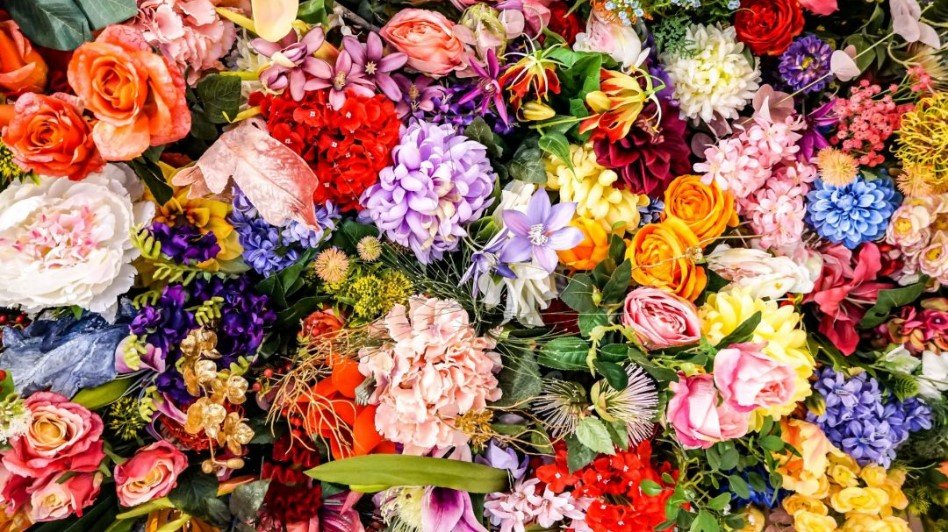

Flowers are one of nature’s most beautiful creations. They bring color to our surroundings, make gardens more attractive, and add a special touch to celebrations and everyday moments. From delicate roses to cheerful sunflowers, every flower has its own appearance, fragrance, growing habits, and cultural significance. Some flowers are appreciated for their beauty, while others are valued for their fragrance, traditional uses, or ability to attract butterflies and other pollinators. Learning the names of different flowers can help students, gardening enthusiasts, nature lovers, and anyone interested in plants understand the wonderful variety found in the natural world.
The topic of flowers name is useful for people of different ages because flowers are connected with education, gardening, festivals, weddings, gifts, and home decoration. In India, flowers such as marigolds, roses, jasmine, and lotuses are especially familiar because they appear in gardens, religious ceremonies, traditional decorations, and cultural events. Other flowers, including tulips, lilies, orchids, and hydrangeas, are popular in ornamental gardens around the world. Understanding their names, colors, characteristics, and growing requirements makes it easier to recognize them and choose suitable varieties for different purposes.
What Are Flowers and Why Are They Important?
Flowers are the reproductive structures of flowering plants. They play an essential role in plant reproduction by helping plants produce seeds, often through pollination. Their shapes, colors, scents, and nectar can attract insects, birds, and other pollinators. Although people usually admire flowers for their appearance, their importance extends beyond decoration. Flowering plants contribute to biodiversity, support ecosystems, and help maintain relationships between plants and pollinating animals.
Flowers also have cultural and emotional significance. A bouquet may express love, gratitude, friendship, sympathy, or congratulations without requiring many words. Garden flowers can make outdoor spaces feel peaceful, while flowering plants grown in pots can brighten balconies, windowsills, and indoor areas with suitable light. In addition, studying flowers helps children learn about plant biology, colors, seasonal changes, and the environment. Their beauty and usefulness make them an important part of both natural ecosystems and human life.
50+ Popular Flowers Name in English
There are thousands of flowering plant species worldwide, ranging from tiny wildflowers to large tropical blooms. Some are grown mainly for their fragrance, some for their striking colors, and others for their ability to survive in particular climates. The following table introduces popular flowers, their common colors, and their notable characteristics.
| Flower Name | Common Colors | Main Characteristics |
|---|---|---|
| Rose | Red, pink, white, yellow | Fragrant petals and thorny stems in many varieties |
| Sunflower | Yellow, orange | Large flower heads that attract pollinators |
| Lotus | Pink, white | Aquatic flower with broad floating leaves |
| Jasmine | White, yellow | Small flowers, often strongly fragrant |
| Marigold | Yellow, orange | Bright blooms commonly used in decorations |
| Lily | White, pink, orange, yellow | Large, noticeable flowers |
| Tulip | Red, pink, purple, yellow | Cup-shaped blooms |
| Orchid | Purple, white, pink, yellow | Diverse forms and distinctive petals |
| Hibiscus | Red, pink, yellow, white | Large flowers with prominent central structures |
| Daisy | White, yellow, pink | Open flower heads with a central disc |
| Lavender | Purple, blue | Fragrant flowers and narrow leaves |
| Chrysanthemum | White, yellow, pink, red | Many petal forms and colors |
| Daffodil | Yellow, white | Spring blooms with a central trumpet |
| Carnation | Pink, red, white | Fringed petals and long-lasting cut flowers |
| Gerbera | Red, orange, yellow, pink | Bright, daisy-like flower heads |
| Peony | Pink, white, red | Large, layered petals |
| Poppy | Red, orange, pink | Delicate petals and distinctive seed capsules |
| Petunia | Purple, pink, white | Trumpet-shaped flowers suitable for containers |
| Zinnia | Red, orange, pink, yellow | Colorful blooms popular in summer gardens |
| Magnolia | White, pink, purple | Large, often fragrant flowers |
| Bougainvillea | Pink, purple, red, white | Colorful papery bracts surrounding small flowers |
| Bluebell | Blue, purple | Bell-shaped flowers |
| Foxglove | Pink, purple, white | Tall flower spikes with tubular blooms |
| Morning Glory | Blue, purple, pink | Climbing plant with funnel-shaped flowers |
| Sweet Pea | Pink, purple, white | Fragrant flowers on climbing plants |
| Hydrangea | Blue, pink, white, purple | Rounded flower clusters |
| Gardenia | White, cream | Glossy leaves and strongly scented flowers |
| Freesia | Yellow, pink, purple, white | Fragrant flowers arranged along stems |
| Iris | Purple, blue, yellow, white | Distinctive petals and upright growth |
| Calendula | Yellow, orange | Bright flowers often grown in seasonal gardens |
| Aster | Purple, pink, white | Star-like flower heads |
| Ranunculus | Pink, red, yellow, white | Numerous delicate-looking layered petals |
| Camellia | Pink, red, white | Attractive flowers and evergreen foliage |
| Plumeria | White, yellow, pink | Fragrant tropical flowers |
| Night-Blooming Jasmine | White | Fragrant flowers that release a strong scent at night |
| Periwinkle | Purple, pink, white | Small flowers and spreading growth |
| Cosmos | Pink, white, purple | Airy foliage and open flower heads |
| Snapdragon | Pink, red, yellow, white | Upright flower spikes |
| Pansy | Purple, yellow, white | Flat flowers with contrasting markings |
| Begonia | Red, pink, white, orange | Ornamental foliage and colorful blooms |
| Sweet William | Pink, red, white | Clusters of small flowers |
| Lantana | Yellow, orange, pink, purple | Small flower clusters that attract pollinators |
| Verbena | Purple, pink, red, white | Clusters of small flowers |
| Delphinium | Blue, purple, pink | Tall flower spikes |
| Yarrow | White, yellow, pink | Flat-topped flower clusters |
| Snowdrop | White | Small, drooping flowers that appear in cool seasons |
| Calendula | Yellow, orange | Easy-to-grow seasonal flowering plant |
| Balsam | Pink, red, white, purple | Colorful blooms suited to warm conditions |
| Night-Blooming Cereus | White, cream | Large flowers that open for a short period at night |
| Bird of Paradise | Orange, blue | Unusual flowers resembling a bird |
| Bleeding Heart | Pink, white | Heart-shaped flowers |
| Allium | Purple, pink, white | Rounded clusters of small flowers |
| Tuberose | White | Tall flower spikes with a strong fragrance |
This flowers name list includes familiar garden plants, tropical varieties, seasonal blooms, and unusual ornamental species. Flower colors can vary by cultivar, growing conditions, and species. Some plants also have different common names in different regions, so scientific names can be useful when identifying a particular variety.
Popular Flower Names and Their Special Features
Rose
The rose is one of the most recognizable flowers in the world. It is associated with affection, appreciation, beauty, and romance, although its meaning can vary according to color and cultural context. Red roses are commonly given as romantic gifts, while yellow roses are often associated with friendship and cheerful feelings. White roses may represent remembrance, sincerity, or new beginnings. Roses grow as shrubs or climbing plants, depending on the variety, and they can be cultivated in garden beds, containers, and landscaped spaces. Many varieties have a noticeable fragrance, while others are selected mainly for their color, shape, or resistance to common plant diseases.
Lotus
The lotus is an aquatic flowering plant known for its elegant blooms and broad leaves. It grows in suitable ponds and shallow-water environments, where its flowers rise above the water. The lotus holds an important place in Indian culture and is associated with purity, renewal, knowledge, and spiritual symbolism. Its attractive flowers can be pink or white, depending on the species and variety. Lotus plants require adequate sunlight, warm conditions, and appropriate aquatic growing environments. They should not be confused with water lilies, which belong to a different plant group and have different flower and leaf characteristics.
Sunflower
Sunflowers are famous for their large, bright flower heads and tall stems. They are commonly associated with happiness, warmth, positivity, and summer. Their central discs contain many tiny individual flowers, which can develop into seeds after successful pollination. Sunflowers are valuable in gardens because they attract bees and other pollinators, while some varieties also produce edible seeds. They generally grow best in sunny locations with suitable soil and enough room for their roots and stems. Smaller cultivars can be grown in containers, making them a practical choice for people who want to enjoy their cheerful appearance in limited spaces.
Jasmine
Jasmine is widely appreciated for its delicate flowers and sweet fragrance. Depending on the species, jasmine may grow as a climbing vine, shrub, or spreading plant. White jasmine flowers are especially familiar in India, where they are used in garlands, traditional hair decorations, and celebrations. Some varieties flower during particular seasons, while others can bloom for longer periods in favorable conditions. Jasmine generally benefits from adequate sunlight, suitable watering, and well-draining soil. Its fragrance is strongest in certain varieties and may become more noticeable during the evening, making it an appealing addition to suitable outdoor gardens.
Marigold
Marigolds produce bright yellow and orange flowers that bring a festive appearance to gardens and decorative arrangements. They are popular in India during festivals, weddings, religious ceremonies, and other celebrations. Their flowers are often arranged into garlands or used to decorate entrances and event spaces. Marigolds are also useful garden plants because they are relatively easy to grow under suitable conditions and can flower generously when they receive enough sunlight. Regular removal of faded blooms may encourage continued flowering in many varieties. Although marigolds are often associated with celebrations, they are equally suitable for borders, flower beds, and seasonal containers.
Different Types of Flowers Based on Their Uses
Flowers can be grouped according to their purpose, growing habits, flowering season, or natural habitat. Ornamental flowers are cultivated primarily for their appearance and are commonly found in home gardens, public parks, and landscaped areas. Roses, petunias, chrysanthemums, and gerberas are examples of flowers frequently grown for decorative purposes. Their colors and forms make them suitable for creating attractive combinations in garden beds, balconies, and outdoor seating areas.
Fragrant flowers form another important category. Jasmine, gardenia, tuberose, lavender, and some rose varieties are appreciated for their scents. They may be planted near pathways, seating areas, or entrances where their fragrance can be enjoyed. Seasonal flowers, including pansies, petunias, zinnias, and marigolds, are selected according to local weather and planting schedules. Native wildflowers are also important because they can provide food and shelter for local pollinators while supporting regional biodiversity.
How to Choose the Right Flowers for Your Garden
Choosing flowers depends on the available space, climate, sunlight, soil, and amount of time you can spend caring for plants. A sunny balcony may suit marigolds, zinnias, or compact petunias, while a shaded area may be better for certain begonias or other shade-tolerant flowering plants. However, the ideal conditions differ between species and cultivars, so it is important to understand each plant’s requirements before purchasing it. Container gardeners should also consider pot size, drainage, and the mature height of a plant.
For beginners, selecting flowers that suit the local climate can make gardening easier. In many parts of India, marigolds and zinnias are suitable choices for warm, sunny conditions, while pansies are often grown during cooler months. Tropical plants such as hibiscus may thrive in warm environments when given appropriate care. People living in extremely hot regions should pay attention to heat tolerance, water requirements, and afternoon shade. Selecting suitable plants from the beginning can reduce unnecessary maintenance and improve the chances of healthy growth.
Simple Tips for Growing Healthy Flowers
Healthy flowering plants need appropriate sunlight, balanced watering, adequate nutrients, and suitable growing conditions. Most garden flowers benefit from soil that drains well, although aquatic plants such as lotus require a very different environment. Watering should depend on the plant species, pot size, soil moisture, and weather rather than following a fixed schedule for every flower. Excessive watering can cause root problems, while insufficient moisture may lead to wilting and reduced flowering.
A few basic practices can help maintain a thriving flower garden:
- Choose plants according to local climate and sunlight conditions.
- Use suitable soil and containers with adequate drainage where required.
- Remove dead or diseased plant material and inspect leaves regularly.
- Water according to the plant’s needs instead of keeping all soil constantly wet.
- Encourage pollinators by growing a variety of suitable flowering plants.
Fertilizer should be applied according to the plant’s growth stage and the product instructions. Too much fertilizer, particularly excessive nitrogen, can encourage leafy growth at the expense of flowers in some plants. Regular observation is equally important because yellow leaves, damaged buds, or unusual spots may indicate watering problems, pests, disease, or nutritional deficiencies. Addressing these issues early can help plants remain attractive and productive throughout their flowering season.
Flower Names in Education and Everyday Life
Learning flower names is a simple way to develop vocabulary, observation skills, and an interest in nature. Children can begin with familiar examples such as rose, lotus, sunflower, marigold, and jasmine before learning about less common flowers. Teachers and parents can make this learning process more engaging by connecting names with colors, shapes, scents, and growing environments. For example, a child might identify a sunflower by its large yellow flower head or recognize a lotus by its aquatic habitat.
Flower names are also useful in gardening, photography, floral design, and event planning. Knowing the difference between a lily and a tulip can help someone select suitable flowers for a bouquet, while understanding the growing requirements of a plant can prevent mistakes when creating a garden. In addition, learning both common and scientific names can reduce confusion when the same plant has several regional names. This knowledge makes it easier to communicate with gardeners, florists, and plant enthusiasts.
Conclusion
Flowers add beauty, fragrance, color, and ecological value to the world around us. From roses and lotuses to marigolds, jasmine, sunflowers, and orchids, each flower has distinctive characteristics that make it interesting to learn about and appreciate. Some are ideal for gifts and celebrations, others are suitable for home gardens, and many provide important resources for pollinators. Understanding their colors, uses, and growing requirements can help people make thoughtful choices for different environments and occasions. Exploring flowers name is a useful starting point for anyone who wants to improve their knowledge of plants, help children learn about nature, or create a more colorful garden. By beginning with familiar varieties and gradually discovering new species, you can develop a deeper appreciation for the diversity of flowering plants. Whether you grow flowers in a large garden, a small balcony, or a few containers near a window, choosing suitable varieties and caring for them properly can make the experience rewarding throughout the year.