

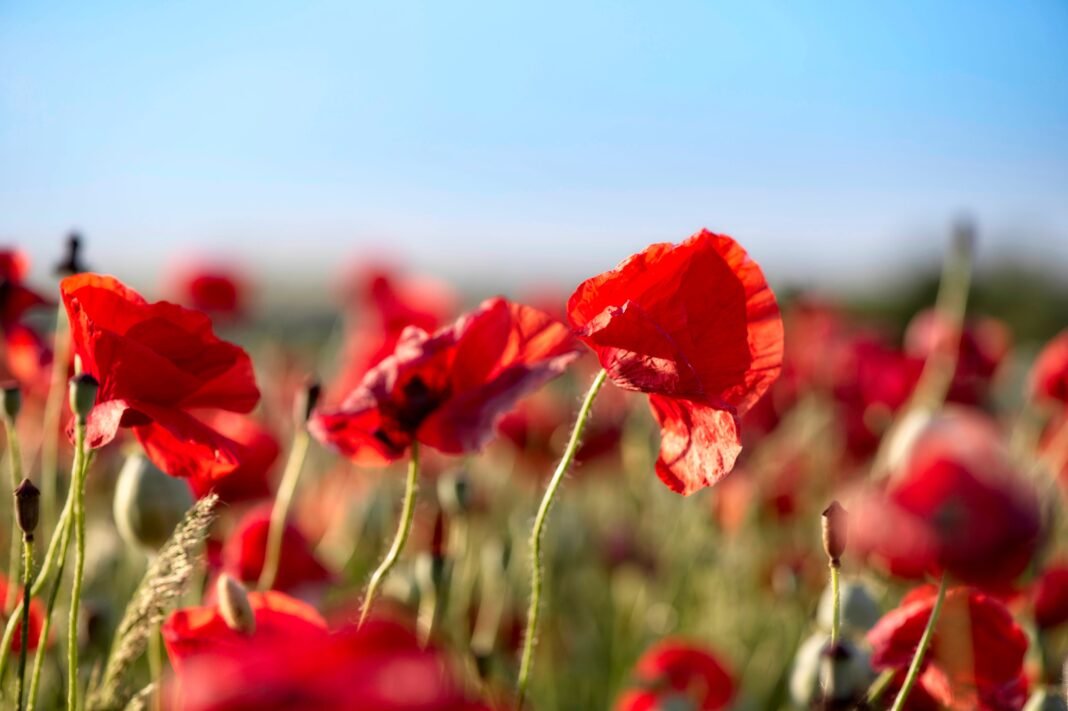

Flowers are among the most beautiful parts of nature, bringing color, fragrance, and life to gardens, homes, parks, and public spaces. They play an important role in human culture, celebrations, traditions, and everyday experiences. From a simple rose presented to a loved one to colorful marigolds decorating a home during a festival, flowers express emotions that are sometimes difficult to communicate through words. Learning the names of different flowers also helps people recognize plant varieties, understand their characteristics, and choose suitable blooms for different occasions.
Knowing a flowers name can be useful for students, gardening enthusiasts, nature lovers, and anyone interested in expanding their English vocabulary. Some flowers are famous for their fragrance, while others are admired for their bright colors, unusual shapes, or ability to attract butterflies and bees. Roses, sunflowers, lilies, tulips, jasmine, and marigolds are popular examples, but thousands of flowering plant species grow across different climates and regions.
In this guide, you will discover popular flower names in English, their colors, characteristics, meanings, and common uses. You will also learn how flowers differ by season, how to choose appropriate varieties for your garden, and how to care for flowering plants. Whether you are learning flower names for educational purposes or planning to grow beautiful plants at home, this information will help you understand the fascinating world of flowers.
What Are Flowers and Why Are They Important?
Flowers are the reproductive structures of flowering plants, scientifically known as angiosperms. They help plants reproduce by supporting processes such as pollination and seed formation. Many flowers produce nectar, pollen, and attractive scents that encourage insects, birds, and other animals to visit them. During these visits, pollen can move between flowers, helping plants produce seeds and maintain plant populations.
Beyond their biological purpose, flowers have considerable cultural, emotional, and environmental value. People use them to decorate homes, celebrate weddings, express sympathy, welcome guests, and mark religious or cultural occasions. Flowering plants can also improve the appearance of urban gardens, balconies, parks, and community spaces. When selected thoughtfully, they provide food and shelter for pollinators and contribute to a healthier garden ecosystem.
Understanding the different varieties makes it easier to select plants according to their growing requirements, appearance, and intended use. Some varieties thrive in warm, sunny conditions, while others prefer cooler weather or partial shade. Recognizing these differences helps gardeners make informed choices instead of selecting plants based only on their appearance.
Popular Flowers Name in English
There are many types of flowers, and each has distinctive characteristics. Some are widely recognized around the world, while others are especially important in particular regions or cultural traditions. The following varieties are popular because of their beauty, fragrance, availability, or suitability for gardens and decorations.
1. Rose
The rose is one of the most recognizable flowers in the world. It belongs to the genus Rosa and comes in a wide range of colors, including red, pink, white, yellow, orange, and purple shades. Roses are commonly associated with love, affection, admiration, and appreciation. Their layered petals and attractive fragrance make them popular for bouquets, wedding decorations, gardens, and special celebrations.
Roses grow as shrubs or climbing plants, depending on the variety. They generally need sufficient sunlight, suitable soil, regular watering, and occasional pruning to remain healthy. Different varieties bloom at different times, and many modern garden roses produce flowers repeatedly under favorable conditions. Because of their versatility, roses are suitable for both small home gardens and larger landscaped areas.
2. Sunflower
Sunflowers are famous for their large, bright yellow flower heads and tall green stems. Their appearance creates a cheerful atmosphere, making them popular in gardens, photographs, bouquets, and decorative arrangements. Sunflowers belong to the genus Helianthus and include varieties that grow to impressive heights as well as compact types suitable for containers.
These plants generally prefer full sunlight and well-drained soil. Many varieties attract bees and other pollinators, while their seeds provide food for birds and can also be harvested from suitable cultivated varieties. Sunflowers are particularly useful for introducing children to gardening because their growth is easy to observe and their large seeds are relatively simple to sow.
3. Jasmine
Jasmine is well known for its delicate white or yellow flowers and distinctive fragrance. Different jasmine species grow as shrubs or climbing plants, and many are cultivated in warm climates. In India, jasmine flowers have an important place in traditional celebrations, religious offerings, personal adornment, and decorative arrangements.
Jasmine plants generally require suitable sunlight, watering, and well-drained soil, although the exact requirements depend on the species. Their fragrant blooms are often collected for garlands and other traditional uses. Some varieties flower abundantly during warm weather, filling nearby spaces with a pleasant scent, especially during the evening.
4. Marigold
Marigolds are popular for their vivid orange, yellow, and golden blooms. They are commonly grown in home gardens, public landscapes, and decorative pots. In India, marigolds are especially familiar during festivals, weddings, religious ceremonies, and other celebrations where garlands and floral decorations are widely used.
Marigolds are generally easy to grow and can perform well in sunny locations with reasonably fertile, well-drained soil. Their bright flowers bring strong color to garden beds, while their accessibility makes them a practical choice for beginners. Regular removal of fading flowers can encourage continued blooming in many varieties.
5. Lily
Lilies are admired for their elegant shapes, prominent petals, and often pleasant fragrance. They are available in white, pink, orange, yellow, and other colors, depending on the species and cultivar. Lilies frequently appear in bouquets, formal floral arrangements, gardens, and celebrations because of their graceful appearance.
Most true lilies grow from bulbs and need growing conditions suited to their particular variety. Many prefer well-drained soil and a position with sunlight on their upper growth while their roots remain relatively cool. It is also important for pet owners to know that true lilies are extremely toxic to cats, and even small exposures can cause life-threatening kidney injury.
6. Lotus
The lotus is an aquatic flowering plant known for its large flowers and broad, rounded leaves. Pink and white varieties are especially familiar in South Asian cultures, where the flower has important symbolic associations with purity, beauty, and spiritual traditions. Its striking appearance also makes it a popular subject in art, photography, and garden design.
Lotus plants typically grow in ponds or specially designed water containers with suitable depth and growing conditions. They need abundant sunlight to flower well, along with enough space for their leaves and roots. Because lotus plants spread through underground structures, gardeners should choose an appropriate container or pond area before planting them.
7. Tulip
Tulips are spring-flowering plants recognized by their cup-shaped blooms and smooth, upright stems. They appear in many colors, including red, yellow, pink, purple, and white. Their neat shapes and rich colors make them popular for garden displays, floral arrangements, and seasonal decorations.
Tulips generally grow from bulbs and often perform best when they receive a cool dormant period. In regions with hot climates, gardeners may need to select suitable bulbs, follow local planting advice, or use controlled growing conditions. Their flowering period can be relatively short, but a carefully planned collection of varieties can create an attractive seasonal display.
8. Hibiscus
Hibiscus plants are known for their large, colorful flowers, which commonly appear in red, pink, yellow, orange, and white. Many varieties thrive in warm climates and are frequently grown in Indian gardens, courtyards, and pots. Their broad petals and prominent central structures make them easy to recognize.
Hibiscus generally grows well with adequate sunlight, regular watering, and well-drained soil. Some varieties can develop into large shrubs, while others remain manageable in containers with suitable pruning. Their flowers are also important to pollinators, and certain hibiscus species have culinary or traditional uses that depend on the particular plant.
9. Orchid
Orchids are a diverse family of flowering plants with distinctive shapes, unusual patterns, and long-lasting blooms in many cultivated varieties. They are popular indoor plants and decorative gifts because some species flower for extended periods when given suitable care. Their flowers can appear in white, purple, pink, yellow, and combinations of several colors.
Orchid care differs considerably between species. Many commonly cultivated tropical orchids grow naturally on trees rather than in ordinary garden soil, so they need an airy growing medium and appropriate moisture management. Overwatering and poor air circulation can damage their roots, making it important to understand the needs of the specific orchid being grown.
10. Daisy
Daisies are familiar flowers with white petals surrounding yellow centers in many common varieties. Some types are small and delicate, while others grow into larger flowering plants suitable for garden borders. Their simple appearance makes them popular in informal bouquets, garden landscapes, and nature-themed decorations.
Different daisy species have different growing requirements, but many prefer sunlight and well-drained soil. Some can spread readily and produce repeated blooms during favorable weather. They are also attractive to pollinating insects, making them a useful addition to gardens designed to support local wildlife.
Flowers Name List With Colors and Common Uses
Learning flower names becomes easier when each variety is connected with its appearance and common purpose. The following table provides a quick reference for popular flowers and their typical characteristics.
| Flower name | Common colors | Main characteristics | Common uses |
|---|---|---|---|
| Rose | Red, pink, white, yellow | Fragrant petals and thorny stems in many varieties | Gifts, bouquets, gardens |
| Sunflower | Yellow, golden | Large flower heads and tall stems | Gardens, seed production, decoration |
| Jasmine | White, yellow | Small, often strongly scented flowers | Garlands, gardens, traditional uses |
| Marigold | Orange, yellow | Bright blooms and easy cultivation | Festivals, garlands, landscaping |
| Lily | White, pink, orange | Elegant petals and prominent flowers | Bouquets, gardens, events |
| Lotus | Pink, white | Aquatic plant with broad leaves | Ponds, cultural symbolism, decoration |
| Tulip | Red, yellow, pink, purple | Cup-shaped seasonal blooms | Spring gardens, bouquets |
| Hibiscus | Red, pink, yellow, white | Large flowers on shrubs | Home gardens, landscaping |
| Orchid | Purple, white, pink, yellow | Diverse flower shapes and patterns | Indoor displays, gifts |
| Daisy | White, yellow, pink | Open flowers with a central disc | Borders, bouquets, gardens |
Colors and growing habits vary by species and cultivated variety, so the examples above describe common forms rather than every possible type.
Different Types of Flowers Based on Their Growing Habits
Flowers can also be classified according to the way their plants grow. Understanding these categories helps gardeners decide where to plant them and how much space they may need. Annual flowering plants usually complete their life cycle within one growing season. Marigolds and many sunflowers are commonly grown as annuals, making them useful for seasonal garden displays.
Perennial flowering plants can survive for multiple years when growing conditions are suitable. Some lilies and other garden flowers return seasonally, although their growth patterns depend on climate and species. Shrubs such as many hibiscus varieties produce flowers on woody plants, while climbing plants such as certain jasmine varieties can cover fences, trellises, and garden structures.
Aquatic flowers grow in or around water, with lotus being a well-known example. Orchids represent another diverse group with specialized growing requirements, including species that grow on trees and others that grow in soil. Choosing plants based on their growth habits is often more effective than selecting them by color alone because it helps ensure that each plant has enough space, light, and suitable moisture.
Seasonal Flowers and the Best Time to Grow Them
Flowering seasons depend on climate, temperature, daylight, rainfall, and the variety being cultivated. In many parts of India, marigolds, petunias, calendulas, and some other cool-season flowers are commonly planted during autumn or winter. These plants can create colorful displays when temperatures are moderate, although local conditions and the timing of seasonal weather influence their success.
During warmer months, heat-tolerant varieties such as suitable zinnias, portulacas, and sunflowers can perform well in sunny gardens. Tropical flowering shrubs, including many hibiscus varieties, may bloom for extended periods in favorable conditions. Jasmine flowering patterns vary by species and region, with some varieties producing particularly abundant blooms during warm or humid periods.
Gardeners should check local planting recommendations rather than relying entirely on a general calendar. A flower that thrives during winter in northern India may need different care in a warmer coastal region. Paying attention to temperature, sunlight, rainfall, and soil drainage helps plants establish healthy roots and produce better blooms.
How to Choose Flowers for Different Occasions
Flowers can communicate different feelings depending on their color, arrangement, cultural meaning, and the relationship between the giver and receiver. Roses are commonly chosen for romantic gestures, while bright sunflowers and mixed seasonal bouquets can create a cheerful impression. White lilies and other restrained arrangements may be selected for formal occasions or expressions of sympathy, although customs differ between communities.
For weddings and festivals, people often choose flowers that match the event’s colors, setting, and cultural traditions. Marigolds and jasmine are familiar choices for many Indian celebrations, while roses, orchids, and lilies are widely used in contemporary arrangements. Seasonal availability also matters because locally grown flowers may be fresher and more economical than varieties transported over long distances.
When choosing flowers for someone else, consider fragrance sensitivity, allergies, pet safety, and the practical requirements of the setting. Strongly scented flowers may not be appropriate for every indoor space, and certain plants can be harmful to animals. A thoughtful arrangement combines visual appeal with suitability for the person and occasion.
Simple Tips for Growing Healthy Flowering Plants
Growing flowers successfully does not always require a large garden. Many varieties can thrive in pots, balcony planters, window boxes, or small outdoor spaces if their basic requirements are met. Start by selecting plants that suit the available sunlight and climate. A sunny balcony may be suitable for marigolds or sunflowers, while some shade-tolerant flowering plants can work better in less exposed locations.
Watering should be adjusted according to the plant, container size, weather, and soil conditions. Excess water can cause root problems, especially in containers without drainage holes, while insufficient moisture can cause wilting and poor flowering. Using an appropriate growing medium, providing enough space for roots, and applying fertilizer according to the plant’s needs can encourage healthy growth.
Here are five practical gardening habits to follow:
-
Provide the amount of sunlight required by the selected variety.
-
Use pots with drainage holes and suitable growing media.
-
Water according to soil moisture rather than a rigid schedule.
-
Remove dead or damaged plant material when appropriate.
-
Inspect leaves and stems regularly for pests or signs of disease.
Consistent observation is more useful than making frequent changes without understanding the cause of a problem. If leaves turn yellow or flowers stop appearing, check the light, watering, root condition, and nutrient needs before applying additional fertilizer or other treatments.
Benefits of Learning Flower Names
Learning the names of flowers supports vocabulary development, general knowledge, and environmental awareness. Children can use flower names to improve spelling, practice describing colors, and understand basic plant biology. Adults may find this knowledge useful when shopping for bouquets, planning a garden, studying horticulture, or identifying plants in parks and natural spaces.
Flower identification also encourages closer observation of nature. Comparing the shapes of roses, daisies, lilies, and orchids helps people notice differences in petals, leaves, stems, and growing patterns. These observations can lead to a better understanding of pollination, biodiversity, and the relationship between plants and their environment.
For language learners, connecting each name with a picture, color, and simple description can make new vocabulary easier to remember. For gardeners, learning the names of specific species and cultivars helps them research planting requirements more accurately. This makes flower knowledge useful beyond memorizing a list of familiar names.
Conclusion
Flowers bring beauty, fragrance, and ecological value to the world around us. From roses and jasmine to sunflowers, marigolds, tulips, and orchids, each variety has distinctive characteristics that make it suitable for particular gardens, celebrations, and decorative purposes. Understanding flower colors, growing habits, seasonal patterns, and care requirements helps people appreciate these plants more deeply. Learning a flowers name is a useful starting point for exploring gardening, nature, and English vocabulary. Whether you want to decorate your home, select a thoughtful gift, create a colorful balcony garden, or teach children about plants, knowing common varieties makes the process easier. By choosing suitable plants and providing proper care, anyone can enjoy the beauty of flowering plants while helping create greener, more welcoming spaces.