

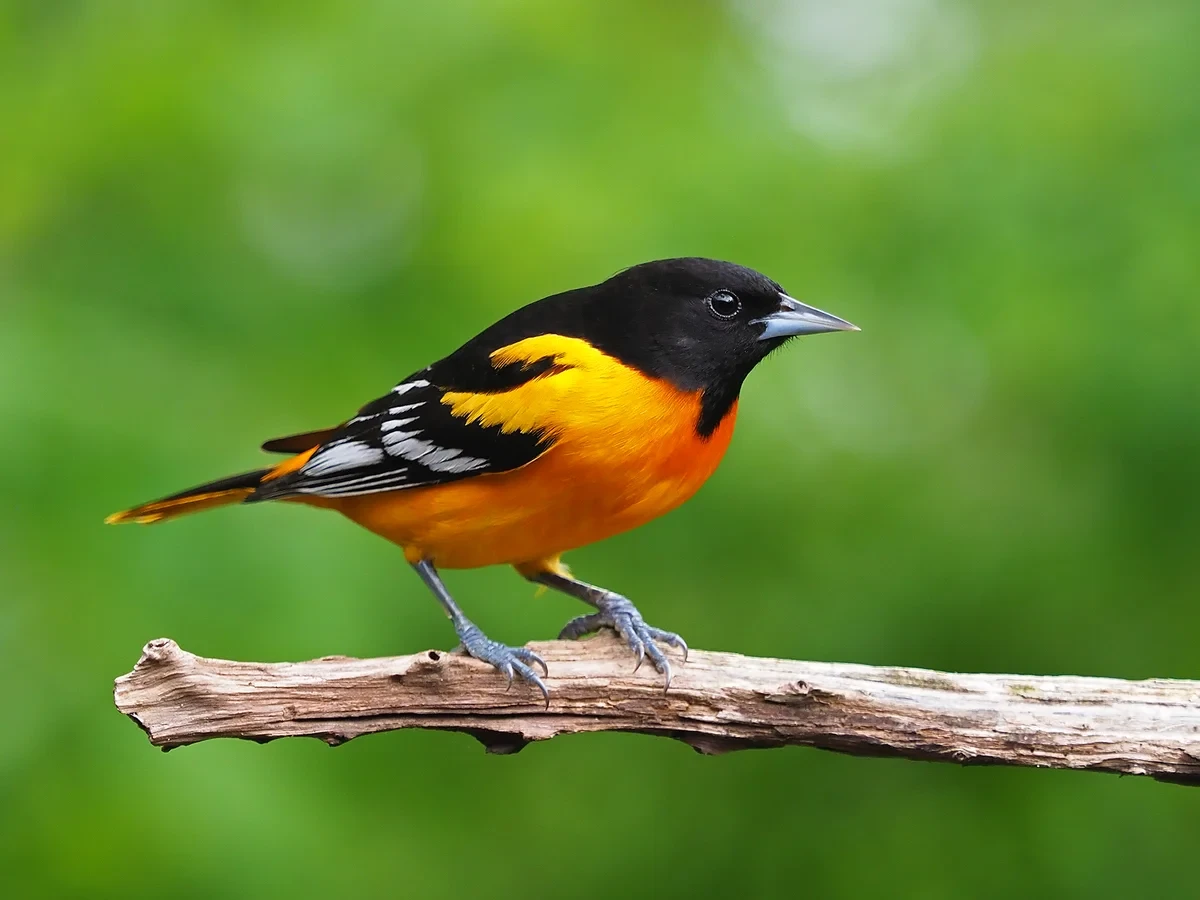

Birds are among the most fascinating creatures on Earth. They can be found in almost every environment, from dense tropical forests and snowy mountains to deserts, wetlands, gardens, and busy cities. Their colorful feathers, distinctive calls, varied sizes, and remarkable flying abilities make them interesting to people of all ages. Learning the names of different birds is also a simple way to understand wildlife, improve general knowledge, and develop an appreciation for nature.
A collection of birds name examples can be useful for students, parents, teachers, nature enthusiasts, and anyone who wants to identify birds more confidently. Some birds are familiar because they visit balconies and gardens, while others live far from human settlements. Certain species are famous for their beautiful appearance, others for their intelligence, and some for their ability to travel thousands of kilometers during migration. Understanding their names, characteristics, and habitats makes it easier to recognize the diversity of birdlife around the world.
What Are Birds?
Birds are warm-blooded vertebrate animals belonging to the class Aves. They have feathers, beaks, two legs, and wings. Most bird species can fly, although some, including ostriches, emus, and penguins, have evolved different adaptations that make them better suited to running or swimming. Birds reproduce by laying eggs, and many species build nests to protect their eggs and raise their young.
Birds perform important roles in natural ecosystems. They help control insect populations, spread seeds, pollinate certain plants, and maintain ecological balance. For example, vultures consume animal remains, helping clean the environment, while hummingbirds transfer pollen as they feed on nectar. Observing birds can also reveal information about local environmental conditions because changes in their populations may reflect habitat loss, pollution, or changes in food availability.
100 Common Birds Name List
The following table contains familiar bird names from different habitats and regions. It includes garden birds, water birds, birds of prey, and several species known for their unusual appearances or behaviors.
| No. | Bird Name | Main Characteristic |
|---|---|---|
| 1 | Sparrow | Small bird commonly seen near homes |
| 2 | Pigeon | Adaptable bird found in cities |
| 3 | Parrot | Often known for colorful feathers |
| 4 | Crow | Intelligent bird with dark plumage |
| 5 | Peacock | Famous for the male’s elaborate display |
| 6 | Eagle | Powerful bird of prey |
| 7 | Owl | Many species are active at night |
| 8 | Kingfisher | Often catches fish |
| 9 | Woodpecker | Uses its bill to drill into wood |
| 10 | Hummingbird | Can hover while feeding |
| 11 | Robin | Recognized by its familiar song |
| 12 | Dove | Often associated with peace |
| 13 | Duck | Commonly found around water |
| 14 | Swan | Large water bird with a long neck |
| 15 | Goose | Often travels in groups |
| 16 | Flamingo | Known for long legs and pink coloring |
| 17 | Pelican | Has a large bill and throat pouch |
| 18 | Crane | Tall bird with long legs |
| 19 | Heron | Often hunts in shallow water |
| 20 | Stork | Large wading bird |
| 21 | Ostrich | Largest living bird |
| 22 | Emu | Large flightless bird |
| 23 | Penguin | Flightless bird adapted to swimming |
| 24 | Kiwi | Flightless bird native to New Zealand |
| 25 | Turkey | Large bird raised for food |
| 26 | Hen | Female chicken |
| 27 | Rooster | Adult male chicken |
| 28 | Quail | Small ground-dwelling bird |
| 29 | Pheasant | Often has colorful plumage |
| 30 | Partridge | Ground-dwelling bird |
| 31 | Falcon | Fast-flying bird of prey |
| 32 | Hawk | Hunts small animals |
| 33 | Vulture | Feeds mainly on animal remains |
| 34 | Kite | Often glides while searching for food |
| 35 | Condor | Large soaring bird |
| 36 | Albatross | Famous for long-distance ocean flight |
| 37 | Seagull | Common around coasts |
| 38 | Tern | Often dives for fish |
| 39 | Puffin | Seabird with a colorful bill |
| 40 | Cormorant | Skilled underwater swimmer |
| 41 | Magpie | Often has contrasting plumage |
| 42 | Blue Jay | Known for blue feathers |
| 43 | Cardinal | Many males have bright red plumage |
| 44 | Goldfinch | Often recognized by yellow markings |
| 45 | Canary | Known for its singing |
| 46 | Nightingale | Celebrated for its song |
| 47 | Lark | Many species have musical calls |
| 48 | Swallow | Agile aerial insect hunter |
| 49 | Swift | Spends much of its life flying |
| 50 | Wagtail | Often moves its tail up and down |
| 51 | Bulbul | Common in many Asian regions |
| 52 | Myna | Known for its vocal abilities |
| 53 | Hornbill | Often has a prominent bill and casque |
| 54 | Hoopoe | Recognized by its distinctive crest |
| 55 | Bee-eater | Catches bees and other insects |
| 56 | Sunbird | Often feeds on nectar |
| 57 | Weaver Bird | Builds intricate nests |
| 58 | Drongo | Known for its distinctive tail and calls |
| 59 | Roller | Some species have brilliant blue feathers |
| 60 | Lapwing | Often found in open fields |
| 61 | Sandpiper | Commonly searches for food along shorelines |
| 62 | Plover | Small to medium-sized wading bird |
| 63 | Ibis | Has a distinctive curved bill |
| 64 | Spoonbill | Uses a spoon-shaped bill to feed |
| 65 | Osprey | Specializes in catching fish |
| 66 | Harrier | Often hunts over open ground |
| 67 | Kestrel | Can hover while searching for prey |
| 68 | Peregrine Falcon | Known for its high-speed hunting dives |
| 69 | Barn Owl | Often has a heart-shaped facial disc |
| 70 | Eagle Owl | Large owl with prominent ear tufts |
| 71 | Macaw | Large parrot with vivid feathers |
| 72 | Cockatoo | Often has a movable head crest |
| 73 | Lovebird | Small parrot known for social behavior |
| 74 | Budgerigar | Small Australian parrot |
| 75 | Cockatiel | Popular pet bird with a crest |
| 76 | Lorikeet | Many species feed on nectar |
| 77 | Toucan | Recognized by its large bill |
| 78 | Lyrebird | Famous for remarkable sound imitation |
| 79 | Bowerbird | Some males build decorated bowers |
| 80 | Cassowary | Large flightless bird |
| 81 | Rhea | Large flightless bird from South America |
| 82 | Secretary Bird | Long-legged African bird of prey |
| 83 | Shoebill | Has a large, shoe-shaped bill |
| 84 | Jacana | Often walks on floating vegetation |
| 85 | Grebe | Adapted to diving and swimming |
| 86 | Loon | Excellent diving water bird |
| 87 | Guillemot | Seabird that dives for fish |
| 88 | Gannet | Plunges into water to catch fish |
| 89 | Frigatebird | Skilled soaring seabird |
| 90 | Petrel | Often travels long distances over oceans |
| 91 | Kookaburra | Known for its laughing call |
| 92 | Roadrunner | Fast-running bird of dry regions |
| 93 | Cuckoo | Many species have distinctive calls |
| 94 | Koel | Known for its loud, clear calls |
| 95 | Barbet | Often has a stout bill |
| 96 | Nuthatch | Climbs along tree trunks |
| 97 | Chickadee | Small bird with a distinctive call |
| 98 | Tit | Small, active woodland bird |
| 99 | Starling | Some species form large flocks |
| 100 | Waxwing | Known for its smooth plumage and crest |
Different Types of Birds
Birds can be classified into several broad groups based on their physical features, feeding habits, and preferred habitats. Although these categories are useful for beginners, they are not always mutually exclusive. A bird may belong to more than one practical category depending on how it lives and obtains food.
1. Pet and Domestic Birds
Pet and domestic birds are familiar to people because they are kept in homes, farms, or managed environments. Budgerigars, cockatiels, canaries, and lovebirds are popular companion birds because of their appearance, social behavior, or vocal abilities. Chickens, ducks, geese, and turkeys are examples of domestic birds commonly raised for food or other agricultural purposes.
Keeping a bird responsibly requires more than providing a cage and food. Birds need suitable space, a balanced diet, clean water, mental stimulation, and opportunities to display natural behaviors. Social species may become stressed when isolated, while parrots can require considerable attention and long-term care. Anyone considering a pet bird should research the needs and expected lifespan of the particular species before making a commitment.
2. Wild Birds
Wild birds live independently in natural or human-modified environments. Eagles, kingfishers, hornbills, woodpeckers, and many species of sparrows are examples. Their diets vary widely: some hunt animals, some eat seeds and fruits, and others feed on insects, nectar, or fish. These differences allow many bird species to share the same environment without relying on exactly the same food resources.
Wild birds also depend on suitable nesting areas and access to food and water. Forest clearing, wetland destruction, pollution, and collisions with buildings can threaten local populations. Planting native vegetation, keeping natural areas clean, and avoiding disturbance near nests can help support birds in residential and rural environments.
3. Birds of Prey
Birds of prey, also called raptors, generally have strong feet with sharp talons and hooked bills adapted for capturing or eating animal prey. Eagles, hawks, falcons, and many owls belong to this group. Their hunting strategies differ: a falcon may pursue prey at high speed, while an eagle might soar above open ground before swooping down.
These birds help regulate populations of other animals and contribute to ecosystem balance. Their success depends on the availability of suitable prey, nesting sites, and open hunting areas. Some species have recovered through conservation efforts, while others remain vulnerable to habitat destruction, poisoning, and other human-related threats.
4. Water Birds
Water birds are commonly associated with lakes, rivers, marshes, estuaries, and coastal environments. Ducks, swans, pelicans, herons, flamingos, and many shorebirds are examples. Their bodies, bills, and legs often reflect their feeding habits. Long-legged herons can stand in shallow water to catch fish, while ducks use their bills to filter or collect food from the water.
Wetlands provide birds with food, shelter, and breeding areas, making these habitats especially important for biodiversity. Pollution, excessive water extraction, and the conversion of wetlands into developed land can reduce the resources available to water birds. Protecting wetlands benefits not only birds but also fish, amphibians, plants, and communities that depend on healthy water systems.
Birds Found in India
India supports a remarkable range of birdlife because it includes forests, grasslands, deserts, mountains, coastlines, rivers, and wetlands. Some species are commonly seen near houses and farms, while others are associated with particular regions or habitats. The house sparrow, Indian peafowl, rose-ringed parakeet, common myna, red-vented bulbul, and white-throated kingfisher are examples of birds many people may encounter in different parts of the country.
The Indian peafowl is India’s national bird and is especially recognizable by the male’s colorful display feathers. Parakeets often visit trees and gardens, while bulbuls feed on fruits and insects. Kingfishers are frequently associated with water bodies, although their diets vary by species. India is also an important destination for migratory birds, which arrive from other regions during particular seasons to find food, suitable weather, or breeding grounds. The species seen in any location depend on local habitat, season, and environmental conditions.
Interesting Facts About Birds
Birds have developed many remarkable abilities that help them survive in different environments. Their adaptations include specialized beaks, complex songs, excellent eyesight, and a wide range of movement patterns. Some birds can fly over oceans for extended periods, while others travel between continents during seasonal migrations. The Arctic tern is famous for its long annual migration, and the albatross is well adapted to gliding over the ocean using air currents.
Here are five fascinating facts about birds:
- Hummingbirds can hover in place while feeding on nectar.
- Owls have specialized feathers that help many species fly quietly.
- Woodpeckers use strong bills to access insects and other food inside wood.
- Some parrots can learn to imitate human speech and environmental sounds.
- Penguins use their wings as flippers to move efficiently underwater.
Bird communication is equally interesting. Calls can warn others about danger, maintain contact between flock members, or help individuals recognize potential mates. Some species perform elaborate courtship displays, while others construct intricate nests using grass, twigs, mud, or plant fibers. These behaviors show that birds are not simply defined by their ability to fly; their lives involve complex relationships with their surroundings and with one another.
How to Identify Different Birds
Identifying birds becomes easier when you observe several features instead of relying on color alone. Start by estimating the bird’s size and shape. Look at its bill, tail, legs, and wing pattern, then notice how it moves. A bird hopping on the ground may have different feeding habits from one climbing a tree trunk or searching for insects in the air. Its call can also provide a valuable clue, particularly when the bird is hidden among leaves.

Habitat and location are important as well. A long-legged bird standing in shallow water may be a heron or another wading species, while a small, brightly colored bird near flowers could be a sunbird or another nectar-feeding species. However, appearance and habitat alone may not be enough for a confident identification. Lighting, age, sex, season, and regional differences can affect what you see, so observing multiple characteristics is more reliable than making a decision from a single feature.
How to Help and Protect Birds
Birds face several challenges, including habitat loss, plastic pollution, pesticides, climate change, and collisions with glass windows. Even small changes around homes and schools can make local environments safer. Native plants can provide shelter and natural food, while clean water sources may help birds during hot weather. Window treatments that make glass more visible can also reduce collisions.
People can support birds through practical, responsible actions. Avoid disturbing nests, keep pets from chasing wildlife, and never remove eggs or young birds simply because they appear unattended. If you provide supplementary food, choose appropriate options for local species and keep feeding areas clean. Feeding bread to water birds is generally discouraged because it offers poor nutrition and can contribute to pollution when uneaten food accumulates.
Conservation also depends on protecting larger habitats. Forests, grasslands, wetlands, and coastal ecosystems provide essential resources that individual gardens cannot replace. Supporting habitat restoration and learning about threatened species can help people understand the broader needs of wildlife. Respectful birdwatching encourages curiosity while allowing birds to carry on with their natural activities.
Conclusion
Learning birds name is an enjoyable way to explore the natural world and recognize the extraordinary diversity of birds. From familiar sparrows and pigeons to powerful eagles, graceful swans, colorful parrots, and flightless penguins, every species has characteristics that help it survive in its environment. Understanding bird names also introduces learners to different habitats, feeding patterns, migration behaviors, and ecological roles.