

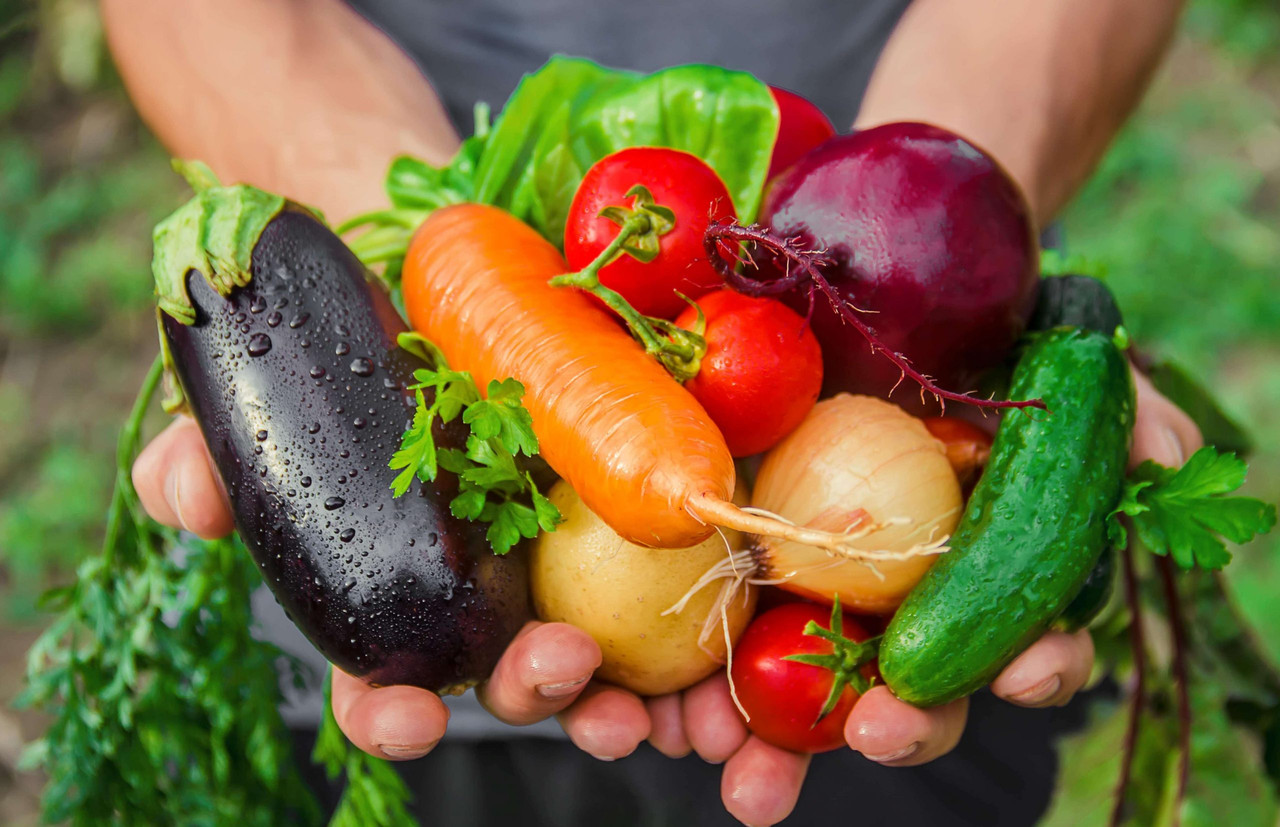

Vegetables are an essential part of a balanced diet, providing vitamins, minerals, dietary fiber, and other nutrients that support overall health. From familiar household ingredients such as potatoes, onions, tomatoes, and spinach to less commonly used varieties such as asparagus, artichokes, and Brussels sprouts, vegetables offer an impressive range of flavors, textures, and nutritional benefits. They are used in cuisines worldwide and can be prepared in countless ways, including boiling, steaming, roasting, grilling, sautéing, and eating raw when appropriate.
Learning different vegetables name options can help people make better food choices, plan balanced meals, and introduce more variety into their daily diets. Whether someone is preparing a traditional Indian meal, packing a school lunch, cooking a quick dinner, or planning a vegetable garden, understanding common varieties makes everyday decisions easier. Vegetables are also valuable for people who want to prepare affordable meals because many seasonal options are inexpensive, widely available, and suitable for multiple recipes.
What Are Vegetables?
Vegetables are edible plant parts that are commonly used in savory dishes. Depending on the plant, the edible portion may be a root, stem, leaf, flower, fruit, or seed. Carrots and radishes are examples of roots, spinach and cabbage are leafy vegetables, and cauliflower and broccoli are edible flower structures. Potatoes are underground tubers, while peas are seeds that develop inside pods.
In everyday cooking, vegetables are generally distinguished by how they are used rather than by strict botanical classification. For example, tomatoes, cucumbers, and bell peppers are botanically fruits because they develop from flowers and contain seeds, but they are usually treated as vegetables in cooking. This practical classification makes it easier to organize ingredients, understand recipes, and choose suitable combinations for different meals.
Common Vegetables Name List
There are hundreds of edible vegetable varieties around the world, and each has its own appearance, flavor, texture, and culinary purpose. Some are available throughout the year, while others are associated with particular seasons. The following examples include widely used vegetables from Indian kitchens and international cuisines.
| Vegetable Name | Category | Common Uses |
|---|---|---|
| Potato | Tuber | Curries, fries, soups |
| Onion | Bulb | Gravies, salads, stir-fries |
| Tomato | Fruit vegetable | Sauces, curries, soups |
| Carrot | Root | Salads, soups, mixed dishes |
| Spinach | Leafy | Dal, curries, smoothies |
| Cauliflower | Flower | Curries, roasting, stir-fries |
| Cabbage | Leafy head | Salads, noodles, rolls |
| Broccoli | Flower | Steaming, roasting, pasta |
| Cucumber | Fruit vegetable | Salads, sandwiches, raita |
| Radish | Root | Salads, parathas, pickles |
| Eggplant | Fruit vegetable | Bharta, curries, grilling |
| Green peas | Seed | Pulao, curries, soups |
| Bell pepper | Fruit vegetable | Pizza, stir-fries, salads |
| Beetroot | Root | Salads, soups, vegetable dishes |
| Okra | Pod | Curries, stir-fries, frying |
This list includes some of the most recognizable vegetables, but many additional options are worth exploring. Sweet potatoes, turnips, bottle gourds, bitter gourds, ridge gourds, pumpkins, green beans, mushrooms, asparagus, celery, and Brussels sprouts can all contribute variety to everyday meals. Choosing a combination of different colors, textures, and plant parts helps prevent meals from becoming repetitive.
Types of Vegetables Based on Plant Parts
Root Vegetables
Root vegetables grow underground and store nutrients that help the plant develop. Common examples include carrots, radishes, beetroots, turnips, and sweet potatoes. These vegetables often have a naturally earthy or sweet flavor, making them suitable for soups, roasted dishes, salads, and traditional recipes. Carrots can be eaten raw or cooked, while radishes are frequently used in salads, stuffed flatbreads, and pickles.
Root vegetables are convenient ingredients because many can be stored for several days or longer under suitable conditions. Their textures range from crisp and crunchy to soft and creamy after cooking. Sweet potatoes, for instance, can be baked or steamed, while beetroot can be grated into salads or cooked as part of a mixed vegetable dish.
Leafy Green Vegetables
Leafy vegetables include spinach, fenugreek leaves, amaranth leaves, lettuce, kale, and mustard greens. They are commonly used in curries, soups, salads, and side dishes. In India, spinach and fenugreek leaves are familiar ingredients in home cooking, while lettuce and kale are frequently included in salads and other international dishes.
Many leafy greens provide folate, vitamin K, and other useful nutrients, although their nutritional composition varies. Washing them carefully before preparation is important because soil and other contaminants can remain between the leaves. Cooking methods such as steaming or lightly sautéing can help preserve their texture and flavor without requiring excessive oil.
Stem and Flower Vegetables
Some vegetables are valued for their stems, shoots, or flowers. Asparagus, celery, and bamboo shoots are examples of stem vegetables, while cauliflower, broccoli, and artichokes are commonly grouped among flower vegetables. These varieties can add distinctive textures and flavors to meals.
Broccoli and cauliflower are particularly versatile because they can be steamed, roasted, added to soups, or mixed into curries. Asparagus can be grilled or sautéed, while celery is often used as a flavor base for soups and stews. Preparing these vegetables with moderate seasoning allows their natural flavors to remain noticeable.
Fruit and Pod Vegetables
Tomatoes, cucumbers, pumpkins, eggplants, and bell peppers are botanically fruits but are usually considered vegetables in everyday cooking. Green beans, okra, and peas are also widely used in savory dishes. These ingredients appear in recipes ranging from fresh salads to cooked curries and casseroles.
Fruit and pod vegetables offer considerable culinary flexibility. Tomatoes contribute moisture and acidity to sauces, bell peppers add sweetness and color, and eggplants develop a soft texture when roasted or cooked slowly. Green beans and peas can be included in rice dishes, mixed vegetable preparations, and soups.
Nutritional Benefits of Eating Vegetables
Vegetables supply a wide range of nutrients that support normal body functions. Many contain dietary fiber, which contributes to digestive health and can help people feel satisfied after meals. Vitamin C supports normal immune function and collagen formation, while vitamin A precursors found in vegetables such as carrots and pumpkins support healthy vision. Leafy greens can provide folate and vitamin K, and potatoes contribute potassium and carbohydrates.
Different vegetables contain different combinations of nutrients, so relying on only one variety may limit dietary diversity. Eating a range of colors is a practical way to include different plant compounds in meals. Orange vegetables such as carrots and pumpkins contain carotenoids, while many green vegetables provide folate and other micronutrients. Red vegetables, including tomatoes, contain beneficial plant compounds such as lycopene.
Vegetables can also support healthy eating patterns when they replace some foods that are high in salt, added sugar, or saturated fat. However, their benefits depend partly on preparation. Deep-frying vegetables regularly or adding large amounts of salt and rich sauces can increase the energy or sodium content of a dish. Steaming, roasting, boiling, and sautéing with moderate amounts of oil are useful alternatives.
How to Include More Vegetables in Daily Meals
Adding vegetables to meals does not have to involve complicated recipes or expensive ingredients. Small changes, such as including chopped carrots in poha, adding spinach to dal, mixing peas into pulao, or serving cucumber with lunch, can increase variety without requiring a complete change in eating habits. Frozen vegetables can also be useful when fresh produce is unavailable or when time is limited.
The most practical approach is to select vegetables that fit personal preferences, cooking skills, budget, and local availability. Seasonal produce is often easier to find and may offer better value. Planning a few meals in advance can reduce food waste and help households use ingredients before they spoil.
Simple ways to eat vegetables more regularly include:
- Add at least one vegetable to lunch and dinner.
- Combine different colors and textures in the same meal.
- Keep washed, properly stored vegetables ready for cooking.
- Try one unfamiliar variety occasionally to discover new flavors.
These small habits can make vegetables a more consistent part of the diet. There is no need to purchase every variety at once; beginning with familiar options and gradually introducing new ones is often easier to maintain.
Choosing Fresh Vegetables at the Market
Selecting fresh produce involves checking its appearance, texture, smell, and overall condition. Carrots and radishes should generally feel firm, leafy greens should look reasonably fresh, and bell peppers should have relatively smooth skins without extensive soft spots. Avoid produce with mold, unusual odors, leaking areas, or extensive signs of decay. Minor cosmetic imperfections do not necessarily mean a vegetable is unsafe or unsuitable to eat.
It is also helpful to consider the intended use before purchasing. Vegetables for salads may need to be particularly crisp, while produce intended for soups or cooked dishes may tolerate minor cosmetic flaws. Buying reasonable quantities prevents unnecessary waste, especially for ingredients that spoil quickly. Choosing a mixture of fresh, frozen, and appropriately stored shelf-stable vegetables can make meal planning more flexible.
Proper Storage and Preparation
Different vegetables require different storage conditions. Many leafy greens and delicate vegetables remain fresh longer when refrigerated, while potatoes and onions are generally better stored in a cool, dry, well-ventilated place away from direct sunlight. Whole produce often keeps longer than cut produce, so it is useful to chop vegetables shortly before cooking whenever practical.
Before eating or cooking, wash vegetables thoroughly under clean running water. Remove damaged sections and keep raw produce separate from raw meat, poultry, and seafood to reduce the risk of cross-contamination. Refrigerate cut vegetables promptly and follow appropriate food-safety guidance for cooked leftovers. Washing vegetables before storage can sometimes increase spoilage if moisture remains, so storage practices should suit the specific produce.
Preparation methods can also influence texture and nutrient retention. Long cooking in large amounts of water may cause some water-soluble vitamins to move into the cooking liquid. Steaming, microwaving, or quickly sautéing vegetables can help limit these losses. If vegetables are boiled for soup or curry, using the cooking liquid in the dish can retain some of the nutrients that have moved into it.
Seasonal Vegetables and Sustainable Eating
Seasonality influences the availability, price, flavor, and variety of vegetables. In many parts of India, winter markets commonly feature produce such as carrots, peas, radishes, cauliflower, and leafy greens, although local growing conditions and regional markets differ. Summer may bring greater availability of gourds, cucumbers, and other heat-tolerant crops. These patterns are not identical everywhere, so checking what is locally abundant is often the most reliable way to plan purchases.
Choosing seasonal vegetables can support affordable meal planning and encourage people to eat a wider range of produce throughout the year. Reducing food waste is another useful step. Planning meals around ingredients already available at home, freezing suitable produce, and using edible vegetable trimmings in stocks can help households make better use of their purchases. Sustainable eating does not require perfection; practical decisions made consistently can have meaningful benefits.
Common Mistakes to Avoid When Eating Vegetables
One common mistake is eating the same two or three vegetables every day while overlooking other available options. Familiar foods are convenient, but greater variety can improve the range of nutrients and plant compounds in the diet. Another mistake is assuming that all vegetables must be eaten raw to be healthy. Cooking can make some vegetables easier to digest and may improve the availability of certain nutrients, so both raw and cooked preparations can have a place in balanced meals.
People may also discard edible portions unnecessarily or store produce in unsuitable conditions. Vegetable peels should not automatically be removed when they are edible and the produce has been cleaned properly, although peeling may be appropriate for certain varieties or recipes. At the same time, spoiled sections, inedible parts, and produce with signs of contamination should be handled carefully rather than used indiscriminately. Good food hygiene and appropriate storage remain important regardless of how nutritious a vegetable may be.
Conclusion
Understanding different vegetables name options is a simple way to improve meal planning, discover new recipes, and make everyday eating more varied. From potatoes, carrots, and spinach to broccoli, eggplant, peas, and asparagus, every vegetable offers its own culinary uses and nutritional characteristics. Learning how these varieties differ helps people select suitable ingredients for salads, curries, soups, snacks, and complete meals.