

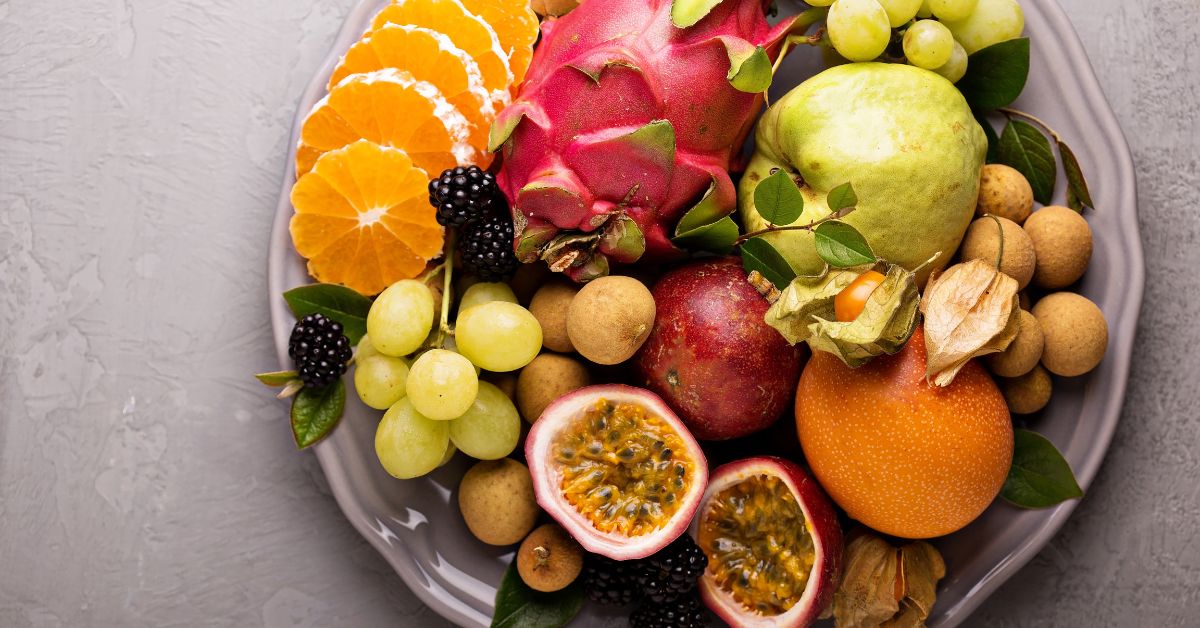

Fruits are an important part of a balanced diet because they provide essential vitamins, minerals, dietary fiber, water, and naturally occurring sugars. From sweet mangoes and juicy watermelons to tangy oranges and crisp apples, fruits come in countless varieties, each offering a distinctive taste, texture, aroma, and nutritional profile. They are enjoyed around the world as everyday snacks, breakfast ingredients, refreshing beverages, desserts, and additions to traditional meals. Learning about different fruits can help people make more interesting food choices while discovering new flavors and ways to improve their eating habits.
A well-organized fruits name list is useful for students completing school assignments, parents teaching children about food, gardeners exploring different varieties, and anyone who wants to expand their knowledge of healthy eating. Some fruits are widely available throughout the year, while others are strongly associated with particular seasons or regions. In India, for example, mangoes are especially popular during summer, while oranges, guavas, and several other varieties are commonly enjoyed during cooler months. Understanding these differences makes fruit selection easier and helps people appreciate the variety of produce available in local markets.
What Are Fruits?
Fruits are plant structures that generally develop from flowers and often contain seeds. In everyday cooking and nutrition, the word usually refers to edible produce that is frequently sweet, juicy, or mildly acidic. Botanically, however, some foods commonly treated as vegetables, including tomatoes and cucumbers, are also classified as fruits because of how they develop from flowering plants. This distinction demonstrates that the culinary meaning of a fruit is not always identical to its botanical definition.
Fruits vary considerably in size, color, flavor, and nutritional composition. Apples and pears have a firm, crunchy texture, whereas papayas and bananas are softer and easier to mash. Citrus fruits have a refreshing acidity, while grapes and ripe mangoes offer a sweeter taste. Some varieties, such as watermelon, contain substantial amounts of water, making them particularly refreshing in warm weather. Others, including avocados, contain more fat than most fruits. This natural diversity allows fruits to serve different purposes in meals and snacks.
A List of 30 Popular Fruits Name
The following list introduces familiar fruits from India and other parts of the world. Learning their common English names can improve vocabulary and make it easier to identify different varieties when shopping, cooking, or studying plants.
- Apple
- Banana
- Mango
- Orange
- Grapes
- Watermelon
- Papaya
- Guava
- Pineapple
- Pomegranate
- Strawberry
- Blueberry
- Raspberry
- Blackberry
- Cherry
- Pear
- Peach
- Plum
- Kiwi
- Lemon
- Lime
- Coconut
- Avocado
- Jackfruit
- Lychee
- Dragon fruit
- Muskmelon
- Custard apple
- Fig
- Apricot
These examples include common household favorites, tropical varieties, citrus fruits, and berries. Availability depends on the region, season, transportation, and storage conditions. Some varieties are inexpensive and widely available in local markets, while others may be imported or sold only in selected stores.
Different Types of Fruits and Their Characteristics
1. Tropical Fruits
Tropical fruits grow in warm climates and are widely enjoyed for their rich flavors and distinctive textures. Mango, banana, papaya, pineapple, jackfruit, coconut, and lychee are familiar examples. Mangoes are valued for their sweet, aromatic flesh, while bananas are convenient snacks that require no preparation beyond peeling. Papayas have soft orange flesh and can be eaten ripe or used in certain savory preparations. Pineapples offer a combination of sweetness and acidity, making them suitable for fruit salads, desserts, and cooked dishes.
Many tropical fruits contain vitamin C, potassium, fiber, or other useful nutrients, although their exact nutritional composition differs. Jackfruit is particularly versatile because its ripe flesh can be eaten as a sweet fruit, while its unripe flesh is often prepared in savory recipes. Coconut has several edible forms, including its white flesh and coconut water. Choosing a range of tropical fruits instead of relying on only one variety can provide greater dietary diversity.
2. Citrus Fruits
Citrus fruits include oranges, lemons, limes, mandarins, and grapefruits. They are known for their refreshing flavor and characteristic acidity. Oranges are commonly eaten whole or added to fruit salads, while lemons and limes are frequently used to season meals, prepare drinks, and enhance the taste of cooked vegetables. Mandarins are easy to peel and divide into segments, making them convenient options for snacks.
Many citrus fruits are good sources of vitamin C, a nutrient involved in normal immune function, collagen formation, and iron absorption. Eating whole citrus fruits also provides dietary fiber, particularly when the edible segments and surrounding membranes are consumed. Although fresh citrus juice can contribute vitamins and hydration, whole fruit generally provides more fiber and usually requires more time to consume. People who experience discomfort from acidic foods may prefer smaller portions or less acidic alternatives.
3. Berries
Berries include strawberries, blueberries, raspberries, blackberries, and several other small fruits. They are popular because of their bright colors, pleasant flavors, and versatility in cooking. Strawberries have a sweet, slightly tangy taste, while blueberries offer a mild sweetness and a soft texture. Raspberries and blackberries have a more delicate structure and are often used in desserts, breakfast bowls, smoothies, and homemade fruit sauces.
Many berries contain fiber, vitamin C, and naturally occurring plant compounds, including anthocyanins in varieties with deep red, blue, or purple colors. These compounds are studied for their roles in human health, but no single berry can prevent or cure disease. Fresh berries can be relatively expensive or difficult to find in some regions. Frozen unsweetened berries provide a practical alternative because they can be stored for longer periods and used whenever needed.
4. Pome Fruits and Stone Fruits
Apples and pears are commonly grouped as pome fruits, while peaches, plums, cherries, and apricots are examples of stone fruits. Apples are available in many varieties, ranging from crisp and tart to soft and sweet. Pears often have a tender, juicy texture when ripe. Both fruits can be eaten fresh, added to salads, or cooked into desserts and other dishes.

Stone fruits contain a central pit or hard stone surrounded by edible flesh. Peaches are soft and aromatic, plums may taste sweet or tart depending on their variety, and cherries are popular in both fresh and cooked forms. Apricots are smaller fruits that can be enjoyed fresh or dried. Their nutrients differ by variety and preparation, so choosing several kinds throughout the week is a sensible way to enjoy different flavors and textures.
Nutritional Benefits of Common Fruits
Fruits contribute to a balanced eating pattern by supplying nutrients that support normal body functions. However, their benefits depend on the variety, portion size, preparation method, and the rest of a person’s diet. The table below summarizes selected fruits and their commonly recognized nutritional characteristics.
| Fruit | Notable nutrients | Practical way to enjoy it |
|---|---|---|
| Apple | Fiber and vitamin C | Eat whole as a snack |
| Banana | Potassium and vitamin B6 | Add to breakfast |
| Orange | Vitamin C and folate | Eat in segments |
| Mango | Vitamins A and C | Serve fresh in season |
| Guava | Vitamin C and fiber | Eat after washing |
| Papaya | Vitamin C and carotenoids | Serve ripe at breakfast |
| Watermelon | Water and vitamin C | Enjoy chilled in portions |
| Pomegranate | Fiber and plant compounds | Add seeds to salads |
| Kiwi | Vitamin C and fiber | Slice into a fruit bowl |
| Avocado | Unsaturated fats and fiber | Spread on whole-grain toast |
Fiber and Digestive Health
Dietary fiber is one of the important reasons to include whole fruits in daily meals. Fiber supports normal digestive function, helps maintain regular bowel movements, and can contribute to a feeling of fullness after eating. Apples, pears, guavas, berries, and kiwis are examples of fruits that can provide useful amounts of fiber. Eating the edible skin when appropriate and safe can increase fiber intake, although skins should be washed carefully before consumption.
People who currently eat very little fiber may benefit from increasing their intake gradually and drinking enough water. A sudden increase can cause bloating or discomfort in some individuals. Fruit can contribute to daily fiber intake, but vegetables, whole grains, beans, lentils, nuts, and seeds are also valuable sources.
Vitamins, Minerals, and Hydration
Different fruits supply different combinations of vitamins and minerals. Citrus fruits and guavas are known for their vitamin C content, while bananas provide potassium and vitamin B6. Orange-fleshed fruits, such as mangoes and papayas, contain carotenoids that the body can use in vitamin A production. These nutrients support various normal functions, including vision, skin health, metabolism, and immune system activity.
Fruits with high water content, such as watermelon and muskmelon, can contribute to fluid intake, especially during hot weather. Nevertheless, fruit should complement rather than replace drinking water. Eating a mixture of fruits across different days is generally more useful than expecting one particular variety to provide every nutrient the body needs.
Seasonal Fruits in India
Seasonal eating is a practical way to enjoy produce when it is commonly harvested in a particular region. In India, mangoes, watermelons, muskmelons, and lychees are strongly associated with warmer months, although exact availability varies by state and growing conditions. During cooler months, many markets offer citrus fruits, guavas, apples, and other seasonal varieties. Bananas and papayas are often available for much of the year, depending on local supply.
Buying seasonal produce can sometimes reduce costs and improve access to fresh, locally grown options. However, seasonality is not identical across the country. A fruit grown in one state may reach another market at a different time, and modern storage and transportation can extend availability. Instead of following a rigid seasonal calendar, consumers can observe local prices, freshness, and quality when deciding what to purchase.
How to Choose and Store Fresh Fruits
Selecting good-quality produce helps reduce food waste and makes fruit more enjoyable to eat. Different varieties have different signs of ripeness, so appearance alone is not always enough. Apples should generally feel firm, while ripe mangoes may have a pleasant aroma and give slightly when gently pressed. Bananas develop darker spots as they ripen, but this does not automatically mean they have spoiled. Watermelons should be free from obvious damage, deep cracks, or leaking areas.
A few practical habits can help when buying and storing fruit:
- Choose produce without extensive bruising, mold, or unusual soft patches.
- Buy quantities that can reasonably be consumed before spoilage.
- Refrigerate cut fruit promptly in clean, covered containers.
- Wash fruit under clean running water before cutting or eating it.
Whole fruit often keeps longer than cut fruit, although storage needs differ. Some fruits ripen more effectively at room temperature before being refrigerated, while others can be chilled soon after purchase. Avoid washing fruit long before storage unless it will be dried thoroughly, as excess moisture can encourage spoilage. Cut fruit should not remain at room temperature for extended periods, especially in hot weather.
Simple Ways to Include More Fruits in Your Diet
Adding fruit to everyday meals does not require complicated recipes or expensive ingredients. A banana with breakfast, an apple during a work break, or a small bowl of seasonal fruit after lunch can make fruit consumption more convenient. People who prefer savory foods can add pomegranate seeds to salads, serve citrus segments alongside meals, or combine chopped fruit with plain yogurt and nuts.

Smoothies can be useful when prepared with whole fruit, but they should not automatically replace every serving of whole produce. Large drinks can contain several portions of fruit at once, and added sugar, syrups, or sweetened ingredients can increase their energy content. Whole fruit generally offers a more substantial chewing experience and may be more filling for some people. Dried fruits such as raisins, dates, and dried apricots are also convenient, but they are more concentrated in natural sugars and calories by weight than their fresh counterparts, so portion size matters.
Common Myths About Eating Fruits
One common misconception is that all fruits contain the same nutrients. In reality, their nutritional profiles differ considerably. Citrus fruits are notable for vitamin C, bananas provide potassium, and many berries contain colorful plant compounds. Eating only one type of fruit may offer certain nutrients, but a diverse selection is a more practical approach to obtaining a broader range of vitamins, minerals, and fiber.
Another misconception is that fruit must always be avoided because it contains sugar. Whole fruits contain naturally occurring sugars alongside water, fiber, and other nutrients, making them different from many foods and drinks with added sugars. Most people can include suitable portions of whole fruit in a balanced diet. Individuals managing diabetes or other medical conditions may need personalized advice about portions, meal timing, and carbohydrate intake. Fruit juice and sweetened fruit drinks also differ from whole fruit because they may contain less fiber or more added sugar.
Conclusion
Learning about fruits name lists and different fruit varieties can make everyday food choices easier, whether the goal is improving vocabulary, planning meals, exploring seasonal produce, or understanding basic nutrition. From familiar apples, bananas, and oranges to tropical mangoes, jackfruit, and lychees, each fruit offers its own flavor, texture, and nutritional characteristics. Exploring these varieties can also make meals more enjoyable and introduce new ingredients into familiar recipes.