

Fruits are an essential part of a balanced diet, offering natural sweetness, refreshing flavors, and a variety of nutrients that support everyday health. From juicy mangoes and crisp apples to tropical pineapples and vitamin-rich oranges, fruits come in countless shapes, colors, textures, and flavors. They can be enjoyed as quick snacks, blended into smoothies, added to breakfast bowls, or used to prepare delicious desserts. Learning about different fruits makes grocery shopping easier and helps people introduce more variety into their daily meals.
A well-organized fruits name list is useful for students, parents, teachers, food enthusiasts, and anyone interested in healthy eating. Students may need fruit names for school assignments or vocabulary practice, while families may want to discover new varieties for their weekly meals. Understanding common fruit names also helps people recognize seasonal produce and make informed choices based on taste, availability, and nutritional value. With growing interest in fresh foods and balanced eating, knowing about different fruits has become a practical part of everyday food planning.
Fruits differ in their nutritional composition, so eating a variety is generally more beneficial than relying on just one type. Some are particularly rich in vitamin C, others provide dietary fiber, and many contain potassium, folate, or naturally occurring plant compounds. Although fruits can contribute to a healthy lifestyle, no single fruit supplies every nutrient the body needs. Exploring their names, characteristics, and uses is a simple way to appreciate the variety available and make meals more colorful and enjoyable.
Popular Fruits Name List for Everyday Use
There are many familiar fruits available in supermarkets, neighborhood markets, and home gardens. Apples, bananas, oranges, grapes, mangoes, papayas, watermelons, and guavas are common choices in many households. Each has a distinct flavor and texture, making it suitable for different occasions. Apples are crisp and convenient for packed lunches, bananas are soft and easy to eat on the go, and watermelons provide a refreshing option during hot weather.
The following fruits name list includes familiar varieties that people may encounter in everyday life. Availability depends on location, growing conditions, and season, but many fruits are now sold throughout much of the year.
| No. | Fruit name | Common characteristic |
|---|---|---|
| 1 | Apple | Crisp texture and sweet-tart flavor |
| 2 | Banana | Soft flesh and naturally sweet taste |
| 3 | Mango | Juicy, aromatic tropical fruit |
| 4 | Orange | Citrus flavor and vitamin C |
| 5 | Grapes | Small, juicy fruits available in several colors |
| 6 | Papaya | Soft orange flesh and mild sweetness |
| 7 | Watermelon | Refreshing flesh with high water content |
| 8 | Pineapple | Sweet, tangy flavor |
| 9 | Guava | Fragrant fruit with edible seeds |
| 10 | Pomegranate | Juicy, ruby-colored edible seeds |
| 11 | Pear | Sweet flesh with a distinctive texture |
| 12 | Peach | Soft skin and fragrant flesh |
| 13 | Strawberry | Bright red fruit with a sweet-tart taste |
| 14 | Kiwi | Green flesh with tiny edible seeds |
| 15 | Lemon | Sour citrus fruit used in drinks and cooking |
| 16 | Cherry | Small fruit with sweet or tart varieties |
| 17 | Plum | Smooth skin and juicy flesh |
| 18 | Lychee | Sweet, fragrant fruit with translucent flesh |
| 19 | Coconut | Provides water and edible white flesh |
| 20 | Jackfruit | Large tropical fruit with fleshy edible bulbs |
This list provides a useful starting point for learning fruit vocabulary and identifying everyday produce. It also demonstrates that fruits vary considerably in size, taste, and culinary purpose. Some are eaten whole, while others are peeled, sliced, juiced, or incorporated into cooked dishes. Trying different varieties can help people discover new flavors and increase the diversity of their meals.
Different Types of Fruits and Their Characteristics
1. Tropical Fruits
Tropical fruits generally grow in warm climates and are popular for their rich flavors and distinctive aromas. Mangoes, bananas, pineapples, papayas, jackfruit, coconuts, and lychees belong to this broad group. Mangoes are especially popular during summer in India, where several regional varieties are enjoyed fresh or used in drinks, chutneys, and desserts. Papaya is valued for its soft texture, while pineapple adds a tangy taste to fruit salads and savory recipes.
Many tropical fruits contain water, carbohydrates, fiber, vitamins, and minerals in varying amounts. Bananas provide potassium and vitamin B6, while papaya and pineapple contain vitamin C. Coconut is different from many other tropical fruits because its nutritional profile depends on whether someone consumes the water, fresh flesh, or dried flesh. These differences make it useful to consider the specific fruit and its form rather than assuming every tropical variety provides the same benefits.
2. Citrus Fruits
Citrus fruits include oranges, lemons, limes, grapefruits, and mandarins. They are recognized for their refreshing aroma and combination of sweet, sour, and tangy flavors. Oranges are commonly eaten as snacks, while lemons and limes are frequently used to add acidity to salads, beverages, marinades, and cooked dishes. Mandarins are often easy to peel, making them convenient for children and adults alike.
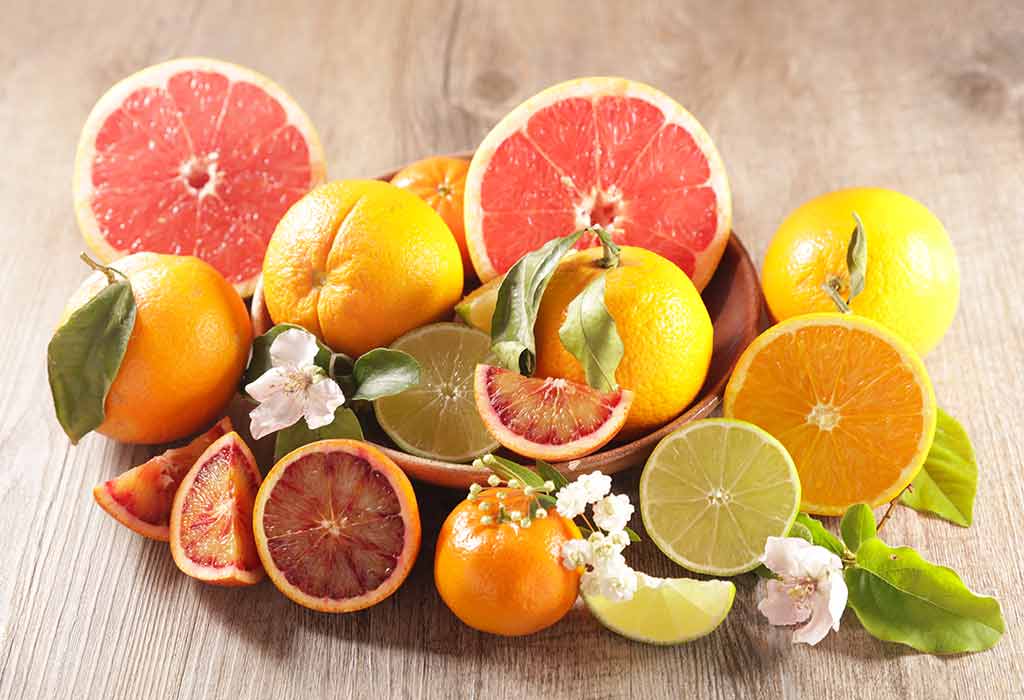
Vitamin C is one of the best-known nutrients in citrus fruits. It supports normal immune function, collagen formation, and the absorption of iron from plant-based foods. Eating whole citrus fruits also provides fiber that may be reduced when the fruit is strained into juice. People who enjoy citrus beverages can therefore benefit from including whole fruit in their diet as well, rather than depending exclusively on juice.
3. Berries and Small Fruits
Berries include strawberries, blueberries, raspberries, blackberries, and several related varieties. Depending on the botanical definition, some fruits commonly called berries, such as strawberries, are classified differently from true botanical berries. In everyday food discussions, however, the term generally refers to small, colorful fruits that are often juicy and rich in flavor.
Many berries contain vitamin C, fiber, and naturally occurring plant compounds, including anthocyanins in certain dark-colored varieties. They can be added to breakfast cereals, oatmeal, yogurt, and homemade smoothies. Fresh berries may be expensive or less available in some regions, so frozen unsweetened varieties can be a practical alternative. Choosing between fresh and frozen fruit often depends on cost, storage space, availability, and personal preference.
4. Stone Fruits
Stone fruits are characterized by a hard pit or stone surrounding their central seed. Common examples include peaches, plums, cherries, apricots, and nectarines. Their flesh may be soft, firm, juicy, sweet, or tart depending on the variety and ripeness. These fruits are often eaten fresh, but they can also be baked, cooked into sauces, or added to breakfast dishes.
Stone fruits provide different combinations of vitamins, minerals, water, and fiber. Apricots, for example, contain beta-carotene, which the body can convert into vitamin A. Cherries contain plant compounds that contribute to their color, while peaches provide a refreshing source of water and carbohydrates. Washing these fruits carefully and removing the hard pits before serving helps make them easier to prepare and eat.
Nutritional Benefits of Eating Fruits Regularly
Fruits contribute to a balanced eating pattern because they supply several important nutrients in convenient, enjoyable forms. Their nutritional value varies, but many contain dietary fiber, vitamins, minerals, water, and naturally occurring plant compounds. Including different fruits throughout the week helps provide a broader range of these nutrients than eating the same variety every day.
Supporting Digestion and Gut Health
Dietary fiber is an important component of many fruits. Apples, pears, guavas, berries, and oranges provide fiber that supports normal digestion and helps maintain regular bowel movements. Some types of fiber also serve as food for beneficial gut microorganisms. Eating fruit with its edible skin, where appropriate, can increase fiber intake, provided the fruit is washed properly.
People who currently eat very little fiber may prefer to increase their fruit intake gradually and drink sufficient water. This can help the digestive system adjust comfortably. Whole fruits are generally more filling than strained fruit juice because chewing takes time and the intact fruit retains more of its original fiber structure. However, individual tolerance differs, so the most suitable choices depend on personal digestion and dietary needs.
Providing Vitamins and Minerals
Different fruits supply different nutrients. Citrus fruits, guavas, kiwis, and strawberries are useful sources of vitamin C, while bananas provide vitamin B6 and potassium. Certain fruits, including apricots and mangoes, contain carotenoids associated with vitamin A activity. These nutrients support normal bodily functions, including immune activity, nerve function, and the maintenance of healthy tissues.
A varied diet is more effective than relying on one fruit for a particular nutrient. For example, oranges can contribute vitamin C, but they do not replace all the nutrients found in vegetables, whole grains, legumes, nuts, and other foods. Fruits work best as one part of a varied eating pattern that provides sufficient energy, protein, healthy fats, vitamins, and minerals.
Helping With Hydration
Watermelon, oranges, strawberries, grapes, and melons contain substantial amounts of water. Eating these fruits can contribute to daily fluid intake, particularly during hot weather or after outdoor activities. Their refreshing textures and natural flavors can make them appealing choices for people who find plain water less interesting.
Nevertheless, fruit should complement rather than completely replace drinking water. Fluid needs differ depending on temperature, physical activity, age, and individual health circumstances. People working outdoors or exercising in warm conditions may need to pay particular attention to hydration throughout the day.
How to Choose the Right Fruits for Different Needs
Selecting fruit becomes easier when people consider their preferences, daily routines, budget, and nutritional goals. A student who needs a portable snack may prefer bananas, apples, or mandarins because they are relatively convenient to carry. Someone preparing breakfast might choose papaya, berries, or sliced pears, while a family planning a summer gathering may prefer watermelon, pineapple, and mangoes for a shared fruit platter.
The best fruits name choices are not necessarily the most expensive or unusual varieties. Locally grown seasonal fruits can be affordable, flavorful, and easier to find at their natural harvest time. Frozen fruit can also reduce waste and provide convenient options when fresh varieties are unavailable. Rather than purchasing large quantities of unfamiliar produce, shoppers can start with small amounts, compare flavors, and gradually expand their selection.
When choosing fresh fruit, consider these practical points:
-
Check for visible mold, leaking juice, or extensive bruising.
-
Choose fruit at an appropriate ripeness for when you plan to eat it.
-
Compare seasonal prices and select varieties that fit your budget.
-
Wash produce under clean running water before eating or cutting it.
Fruit does not always need to be perfectly shaped or visually flawless to be enjoyable. Slight cosmetic marks may not affect its quality, although signs of spoilage should be taken seriously. Proper storage also matters: some fruits ripen at room temperature, while others last longer in refrigeration once ripe. Keeping cut fruit covered and refrigerated helps maintain quality and reduce contamination risks.
Seasonal Fruits and Their Uses in Everyday Meals
Seasonal eating can make fruit selection more interesting and may help households find better prices. In India, mangoes, watermelons, and lychees are associated with warmer months in many regions, while oranges, guavas, and certain varieties of strawberries are commonly available during cooler periods. Exact seasons differ by state, altitude, weather, and farming practices, and modern supply chains can extend availability beyond traditional harvest periods.
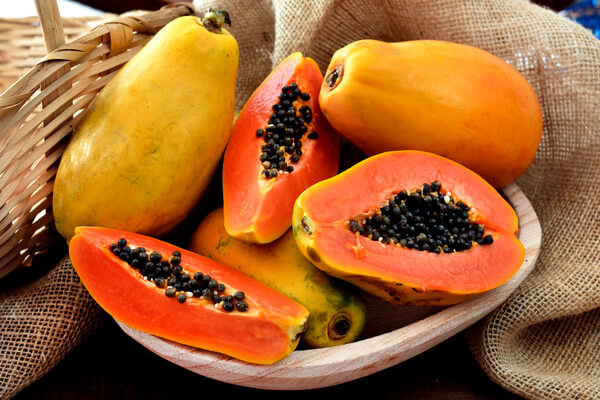
Adding fruit to everyday meals does not require complicated recipes. Sliced bananas can accompany oats, apples can be paired with unsweetened yogurt, and pomegranate seeds can add color and texture to salads. Mangoes and papayas work well in fruit bowls, while lemons can provide acidity to savory dishes. Combining fruit with protein or healthy fats, such as yogurt or nuts, can create a more satisfying snack than eating a small amount of fruit alone.
People can also reduce food waste by planning meals around ripe produce. Soft bananas may be suitable for smoothies or baking, while ripe mangoes can be diced and frozen for later use. Fruit that is still firm can often be left to ripen under suitable conditions. However, produce showing mold, fermentation, or unusual spoilage should not be used simply to avoid waste.
Common Mistakes to Avoid When Eating Fruits
One common misconception is that every fruit has the same nutritional value. In reality, fruits differ in fiber, vitamins, minerals, energy content, and water content. Eating only bananas or only apples can provide useful nutrients, but it limits dietary variety. Including fruits with different colors, textures, and flavors is a straightforward way to broaden the range of nutrients consumed.
Another mistake is assuming that all fruit products are equivalent to whole fruit. Fresh fruit, frozen fruit without added sugar, canned fruit, dried fruit, and fruit juice have different characteristics. Dried fruit is more concentrated in energy and natural sugars by weight because much of its water has been removed. Fruit juice may contain vitamins, but it typically provides less fiber and can be easier to consume quickly in large quantities. Checking ingredient labels can help people distinguish products with added sugar from those made without it.
People managing specific medical conditions or dietary restrictions may need individualized guidance about fruit portions and preparation. For example, those monitoring blood glucose levels may find it helpful to consider portion sizes, the form of fruit, and how it fits into their overall meals. This does not mean that fruit should automatically be avoided; the appropriate approach depends on individual circumstances and professional advice.
Conclusion
Learning about different fruits is a simple way to improve food awareness, expand vocabulary, and make everyday meals more varied. From apples, bananas, and oranges to tropical favorites such as mangoes, guavas, and jackfruit, each variety offers its own taste, texture, and nutritional characteristics. Exploring a broad selection can help people discover affordable seasonal options and find convenient foods that suit their routines. A useful fruits name guide should do more than list familiar varieties. It should also help readers understand how fruits differ, how to select and store them, and how to include them in balanced meals. Prioritizing whole fruit, choosing a range of varieties, washing produce properly, and paying attention to portion sizes are practical habits that can support healthier eating. With a little planning and curiosity, fruits can become an enjoyable and versatile part of everyday life.