

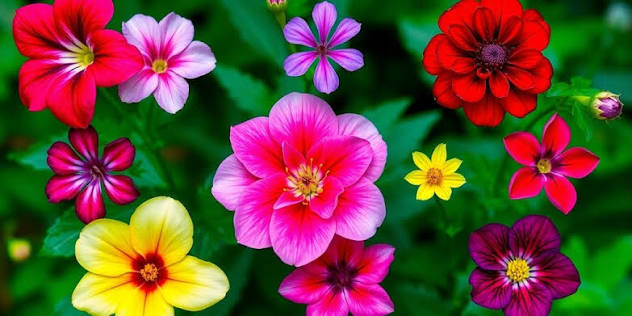
Flowers bring color, fragrance, and natural beauty into everyday life. From the bright yellow sunflower that follows the sunlight to the delicate petals of a rose, every flower has its own appearance and charm. Flowers are found in gardens, parks, forests, mountains, and even deserts, where different species adapt to their surroundings. People also use flowers to express emotions, decorate homes, celebrate special occasions, and create peaceful outdoor spaces. Learning about different flowers helps gardeners, students, nature enthusiasts, and anyone who enjoys the beauty of plants discover new varieties and understand their characteristics.
A flowers name list is useful when selecting plants for a home garden, preparing a school project, arranging a bouquet, or choosing a thoughtful gift. Some flowers are admired for their fragrance, while others are popular because of their vibrant colors, long blooming periods, or ability to attract butterflies and bees. Roses are often associated with love, lilies with elegance, and sunflowers with happiness. However, the meaning of a flower can vary depending on the culture, occasion, and color. Understanding these differences makes it easier to select flowers that suit personal preferences and practical needs.
Why Learning About Different Flower Names Is Useful
Knowing flower names helps people identify plants and make better decisions when buying seeds, arranging bouquets, or planning gardens. A gardener who recognizes marigolds, petunias, and zinnias can compare their growing requirements and choose suitable varieties for a particular space. Similarly, someone preparing a wedding arrangement can combine roses, carnations, and baby’s breath to create a balanced appearance. Learning botanical names can also prevent confusion because the same common name may refer to different plants in different regions.
Flower identification is valuable for environmental awareness as well. Many flowering plants provide nectar and pollen for bees, butterflies, and other pollinators. Native flowers can be particularly useful because they are often adapted to local soil, rainfall, and temperature conditions. By understanding which flowers grow naturally in a region, people can create gardens that support local wildlife while reducing unnecessary maintenance.
50 Popular Flowers and Their Characteristics
The following flowers are known for their distinctive colors, shapes, fragrances, or gardening uses. Some are suitable for containers and small balconies, while others perform better in open gardens with plenty of sunlight.
1. Rose
The rose is one of the most recognizable flowers in the world. It grows in several colors, including red, pink, white, yellow, and orange. Roses are commonly associated with love, appreciation, friendship, and admiration. They are popular in bouquets, weddings, gardens, and anniversary gifts. Depending on the variety, rose plants can grow as compact shrubs, climbing plants, or larger bushes.
Most roses benefit from well-drained soil, regular watering, and sufficient sunlight. Removing faded blooms can encourage continued flowering in many varieties. Gardeners should also provide enough space for air circulation to reduce the risk of fungal diseases.
2. Sunflower
Sunflowers are admired for their large flower heads, bright yellow petals, and tall stems. Some varieties produce enormous blooms, while dwarf types are suitable for containers. Their seeds are used as food, and mature flower heads can provide a valuable food source for birds.
These plants generally prefer full sunlight and well-drained soil. Because taller varieties can become heavy, they may need support in windy locations. Sunflowers are also attractive additions to wildlife-friendly gardens.
3. Lotus
The lotus is an aquatic flowering plant associated with purity, renewal, and spiritual symbolism in several Asian traditions. Its large leaves and elegant flowers emerge above the water, creating a striking appearance in ponds and water gardens. Lotus flowers commonly appear in shades of pink and white.
Lotus plants need suitable aquatic conditions, warmth, and plenty of sunlight. They are different from water lilies, even though both are frequently grown in ponds. Their spreading growth means that an appropriate container or dedicated growing area is important.
4. Marigold
Marigolds are popular garden flowers known for their golden yellow, orange, and reddish blooms. They are widely grown in Indian homes, public gardens, festivals, and decorative arrangements. Their cheerful colors make them suitable for borders, containers, and seasonal displays.
Marigolds generally grow well in sunny locations and tolerate a range of garden conditions. Avoid consistently waterlogged soil, as excessive moisture can damage the roots. Some varieties are also valued for attracting pollinators.
5. Jasmine
Jasmine is appreciated for its delicate white or yellow flowers and sweet fragrance. Certain species are used in traditional garlands, perfumes, and religious or cultural ceremonies. Depending on the species, jasmine may grow as a shrub or climbing vine.
Many jasmine varieties prefer warm conditions and bright light. Regular pruning can help maintain their shape, while suitable watering supports healthy growth. Before purchasing a plant, check its species because cold tolerance and flowering habits vary.
6. Tulip
Tulips are spring-blooming flowers famous for their cup-shaped petals and wide range of colors. They are frequently used in floral arrangements and ornamental gardens. Red, pink, yellow, purple, and white tulips are among the familiar varieties.
Tulips generally grow best in climates that provide an appropriate cool period for their bulbs. In warmer regions, successful cultivation may require carefully selected varieties and suitable planting conditions. Their blooming season is often relatively short, making timing important.
7. Lily
Lilies have elegant flowers with prominent petals and, in many varieties, a noticeable fragrance. They appear in white, orange, yellow, pink, and other colors. Lilies are widely used in bouquets, formal arrangements, and landscaped gardens.

Most lilies need well-drained soil and suitable sunlight, although requirements differ among species. One important consideration is pet safety: many true lilies are extremely toxic to cats, including through pollen exposure. Households with cats should avoid keeping these plants where animals could contact them.
8. Hibiscus
Hibiscus flowers are known for their large, colorful blooms and prominent central structures. They commonly appear in red, pink, yellow, orange, and white. Tropical hibiscus is especially popular in warm-climate gardens and can also be grown in suitable containers.
Hibiscus plants generally need warmth, sunlight, and regular watering during active growth. Protection from cold weather may be necessary for tropical varieties. Their bold appearance makes them useful for creating a focal point in a garden.
9. Orchid
Orchids are a diverse family of flowering plants with unusual shapes and intricate patterns. Their blooms may be white, purple, pink, yellow, green, or multicolored. Phalaenopsis orchids are especially popular as indoor ornamental plants because their flowers can remain attractive for an extended period.
Orchid care depends on the species. Many commonly sold indoor orchids grow in specialized bark-based potting mixtures rather than ordinary garden soil. Appropriate light, ventilation, and watering are more important than simply giving the plant frequent moisture.
10. Daisy
Daisies are recognized by their simple flower heads, often featuring white petals surrounding a yellow center. They are associated with freshness, innocence, and simplicity. Different daisy species grow in gardens, meadows, and other open environments.
Many garden daisies prefer sunlight and moderately fertile, well-drained soil. Their straightforward appearance makes them suitable for informal flower beds, country-style gardens, and mixed bouquets.
11. Lavender
Lavender is valued for its purple flower spikes and distinctive fragrance. It is often planted in ornamental gardens and used in scented products. Its flowers attract bees and other pollinators when blooming.
Lavender generally prefers full sunlight and excellent drainage. It can struggle in heavy, constantly wet soil, particularly during cooler weather. In suitable conditions, established plants can provide fragrance and color with relatively modest watering needs.
12. Chrysanthemum
Chrysanthemums produce dense, decorative blooms in numerous shapes and colors. They are especially popular in autumn displays and floral arrangements. Depending on the variety and local climate, they can be grown in garden beds or containers.
These flowers usually need adequate light, regular moisture, and good drainage. Removing faded blooms improves their appearance, while choosing varieties suited to the local growing season helps support better flowering.
13. Bougainvillea
Bougainvillea is a vigorous ornamental plant known for its bright pink, purple, red, orange, or white bracts. The small true flowers are located within these colorful structures. It is commonly trained over walls, fences, pergolas, and garden supports in warm climates.
Bougainvillea generally thrives in sunlight and well-drained soil. Once established, many varieties tolerate relatively dry conditions. Its thorny stems should be considered when choosing a planting location near pathways.
14. Daffodil
Daffodils are spring flowers recognized by their trumpet-shaped central structures and surrounding petals. Yellow is their most familiar color, although white and combinations of different shades also occur. They are commonly associated with renewal and the arrival of spring.
Daffodils grow from bulbs and generally require seasonal conditions appropriate to their variety. They are also toxic if eaten, so bulbs should be stored away from children and pets.
15. Carnation
Carnations feature ruffled petals and are available in numerous colors. They are frequently used in bouquets, celebrations, and formal floral arrangements because of their decorative appearance and relatively good vase life.
Carnations generally benefit from sunlight, well-drained soil, and suitable air circulation. Different varieties have different temperature requirements, so selecting a type appropriate for the local climate can improve flowering.
16. Zinnia
Zinnias produce bright, daisy-like or layered flowers in colors such as red, orange, pink, purple, and yellow. They are popular with beginner gardeners because many varieties grow readily from seed.
Zinnias prefer warm weather, sunlight, and well-drained soil. Watering near the base of the plant can help keep foliage dry and reduce some disease problems. Their blooms are also attractive to butterflies.
17. Petunia
Petunias are widely grown in balcony containers, hanging baskets, window boxes, and garden borders. Their trumpet-shaped flowers appear in many colors and patterns, including striped and contrasting varieties.
Most petunias flower best with sufficient sunlight and regular watering. Container-grown plants may need more frequent attention because potting mixtures dry out faster than garden soil. Removing damaged growth and providing appropriate nutrients can support continued flowering.
18. Poppy
Poppies are recognized for their delicate petals and striking central structures. Depending on the species, their flowers may be red, orange, pink, white, or purple. They occur in gardens and natural landscapes and are often associated with remembrance.
Poppy-growing requirements vary significantly by species. Some are annuals, while others are perennial plants. Gardeners should identify the particular species before choosing a planting location or deciding how to manage its growth.
19. Peony
Peonies are admired for their large, layered flowers and rich colors. They are commonly used in wedding arrangements, garden borders, and decorative bouquets. Their flowering season can be spectacular, although individual blooms do not last indefinitely.
Many herbaceous peonies prefer climates with a sufficient winter chill. They generally need well-drained soil and a stable planting position, as established plants may take time to develop fully.
20. Magnolia
Magnolia flowers are known for their large petals, elegant shape, and, in some species, pleasant fragrance. They can be white, pink, purple, or cream-colored. Magnolias grow on trees or shrubs and are valued for their architectural presence in landscapes.
The best growing conditions depend on the species. Many magnolias prefer fertile, well-drained soil and enough space for mature growth. Their size should be considered before planting them near buildings or narrow pathways.
21. Bluebell
Bluebells produce clusters of bell-shaped flowers, often in shades of blue or violet. They are associated with woodland landscapes and springtime displays. Different species have different growth habits and environmental preferences.
Bluebells generally perform well in suitable soil conditions with adequate moisture. Their flowering period can be relatively brief, so combining them with other seasonal plants helps maintain garden interest.
22. Morning Glory
Morning glory is a climbing plant known for its trumpet-shaped flowers and rapid growth. Blooms may appear in blue, purple, pink, or white, depending on the species and cultivar. It can be trained over trellises and fences.


These plants commonly prefer sunlight and support for their climbing stems. Some species can spread aggressively, so gardeners should check local guidance before planting them in open ground.
23. Gardenia
Gardenias are prized for their creamy white flowers and strong, sweet fragrance. They are commonly grown as ornamental shrubs in warm climates and can also be cultivated in containers when conditions are suitable.
Gardenias often prefer acidic soil, consistent moisture, and bright light without excessive harsh exposure. They can be sensitive to unsuitable soil conditions, which may cause yellowing leaves and reduced growth.
24. Begonia
Begonias are versatile ornamental plants grown for their flowers, foliage, or both. Flower colors include red, pink, orange, white, and yellow. Many varieties work well in containers, shaded balconies, and indoor decorative settings.
Their light and watering needs vary by type. Many begonias prefer bright indirect light or partial shade and soil that remains lightly moist without becoming waterlogged.
25. Cosmos
Cosmos flowers have delicate, often feathery foliage and simple blooms in pink, white, orange, or purple. They are common in informal gardens and are appreciated for their airy appearance.
Many cosmos varieties grow readily from seed in sunny locations. They often perform well in moderately fertile soil, while excessive fertilizer may encourage leafy growth at the expense of flowers.
More Beautiful Flowers to Recognize
Beyond the familiar garden favorites, numerous other flowers offer unique shapes, textures, and growing possibilities. Knowing a wider range of flowers can help gardeners develop more varied planting schemes and help students expand their understanding of plant diversity.
| No. | Flower name | Common colors | Popular feature |
|---|---|---|---|
| 26 | Aster | Purple, pink, white | Attracts pollinators |
| 27 | Freesia | Yellow, pink, white | Sweet fragrance |
| 28 | Geranium | Red, pink, white | Container gardening |
| 29 | Gladiolus | Multiple colors | Tall flower spikes |
| 30 | Hydrangea | Blue, pink, white | Large flower clusters |
| 31 | Iris | Purple, blue, yellow | Distinctive petal shape |
| 32 | Lantana | Orange, pink, yellow | Butterfly attraction |
| 33 | Nasturtium | Orange, red, yellow | Edible flowers in suitable varieties |
| 34 | Pansy | Purple, yellow, white | Contrasting petal patterns |
| 35 | Ranunculus | Pink, red, yellow | Layered petals |
| 36 | Salvia | Blue, purple, red | Pollinator-friendly blooms |
| 37 | Snapdragon | Pink, red, white | Upright flower clusters |
| 38 | Sweet Pea | Pink, purple, white | Fragrant blossoms |
| 39 | Verbena | Purple, pink, red | Long flowering displays |
| 40 | Water Lily | White, pink, yellow | Floating aquatic flowers |
| 41 | Anemone | Red, purple, white | Contrasting centers |
| 42 | Calendula | Orange, yellow | Bright seasonal blooms |
| 43 | Delphinium | Blue, purple, white | Tall flower spikes |
| 44 | Foxglove | Pink, purple, white | Bell-shaped flowers |
| 45 | Gazania | Orange, yellow, red | Sun-loving blooms |
| 46 | Impatiens | Pink, red, white | Shade-friendly varieties |
| 47 | Plumeria | White, yellow, pink | Tropical appearance |
| 48 | Sweet William | Pink, red, white | Clustered flowers |
| 49 | Yarrow | White, yellow, pink | Flat-topped flower clusters |
| 50 | Zantedeschia (Calla Lily) | White, pink, yellow | Sculptural flower shape |
These examples show how widely flowers differ in appearance and purpose. For instance, hydrangeas create large clusters that can fill a garden bed, while snapdragons add vertical interest. Gazanias suit sunny areas, whereas many impatiens perform better in partial shade. Matching a plant to its growing environment is generally more effective than choosing it based only on color.
How to Choose the Right Flowers for Your Garden
Choosing flowers begins with understanding the available space and the conditions in which plants will grow. A sunny terrace, a shaded balcony, and a large backyard each support different varieties. Sunflowers, zinnias, and many marigolds appreciate full sunlight, while some begonias and impatiens are better suited to partial shade. Checking the expected mature height and spread also prevents plants from becoming overcrowded.
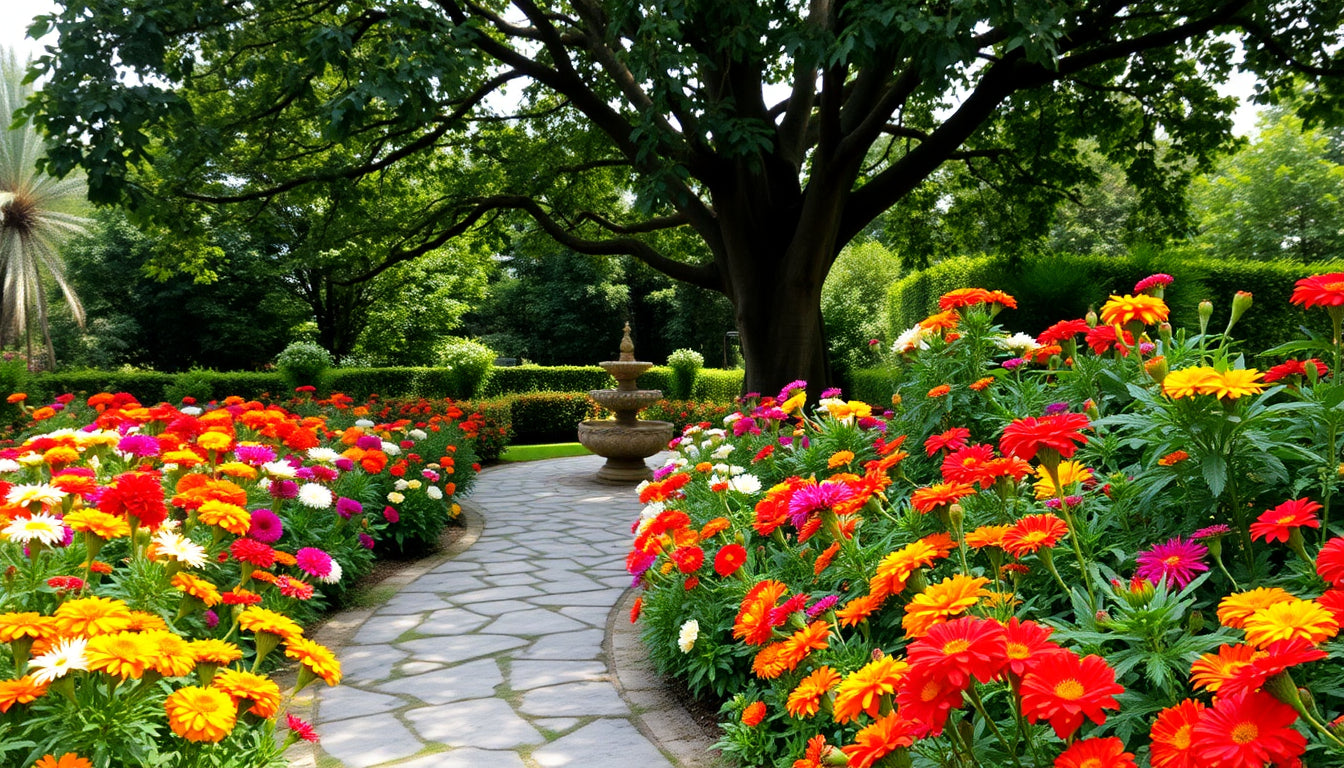
Climate is equally important. In warm parts of India, including areas with hot summers, gardeners may need to choose heat-tolerant varieties and protect delicate plants during extreme temperatures. Seasonal flowers such as marigolds and zinnias can provide color during suitable growing periods, while bougainvillea and tropical hibiscus can offer longer-lasting ornamental value in appropriate conditions. Local planting calendars are useful because flowering seasons vary by region.
Practical Tips for Healthy Flowering Plants
A successful flower garden depends on consistent care rather than constant intervention. These basic practices can help many common varieties grow well:
- Choose flowers suited to the local climate, available sunlight, and growing space.
- Use pots with drainage holes and soil mixtures appropriate for each plant.
- Water according to the plant’s needs instead of following a fixed schedule for every flower.
- Remove dead or diseased plant material and inspect leaves for pests.
- Follow suitable pruning and feeding practices for the specific species.
It is also helpful to combine plants with different flowering periods. Early-season flowers can provide color before summer varieties reach maturity, while later-blooming plants can extend the garden’s visual appeal. Including flowers that attract pollinators can make the garden more useful to local wildlife.
Conclusion
Exploring different flowers reveals a remarkable range of colors, shapes, fragrances, and growing habits. From classic roses and cheerful sunflowers to elegant orchids, fragrant jasmine, and distinctive calla lilies, each plant offers something different. A well-organized flowers name guide can help readers identify popular varieties, compare their characteristics, and select suitable plants for gardens, bouquets, school projects, and special occasions. The best flower choices depend on personal preference, local climate, available sunlight, soil conditions, and the amount of care a gardener can provide. By learning about flower varieties and understanding their individual needs, anyone can make more informed planting decisions. Whether the goal is to create a colorful balcony, support pollinators, decorate a celebration, or simply enjoy nature, flowers offer an accessible way to bring beauty and variety into everyday life.