

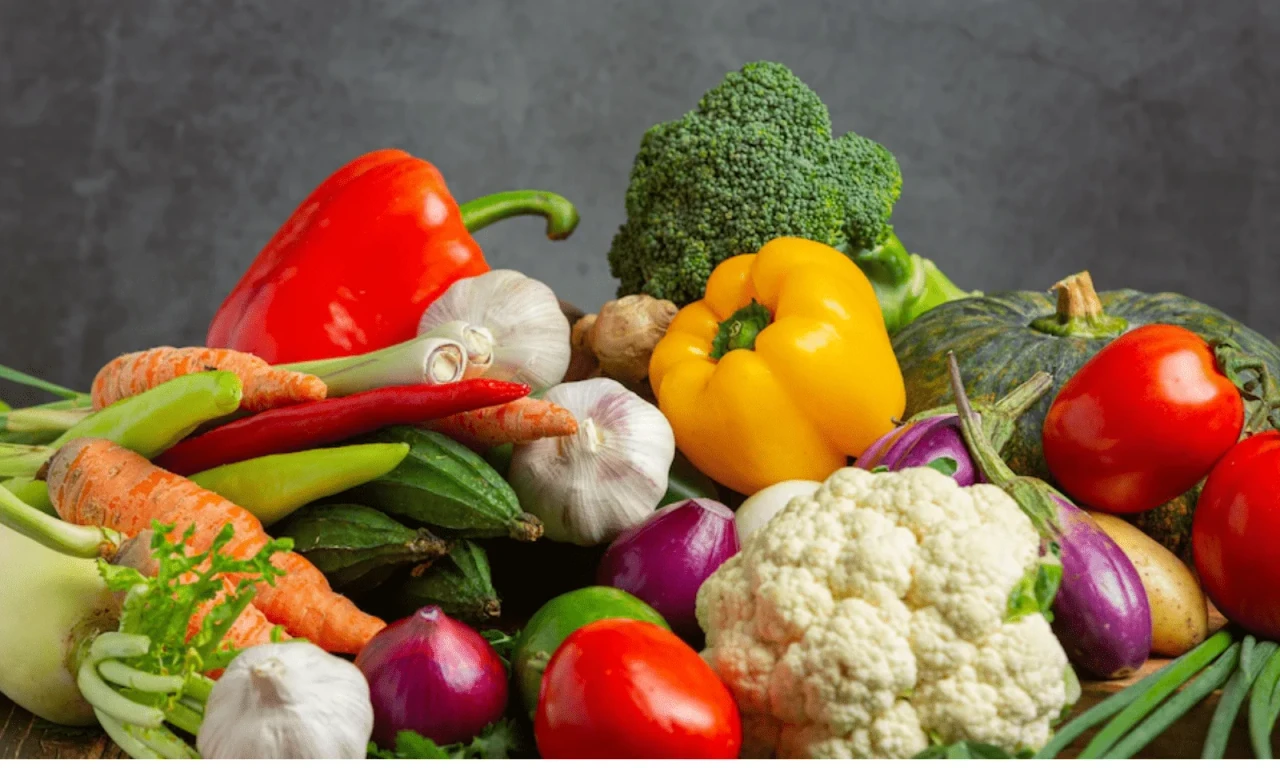

Vegetables are among the most important foods in a balanced everyday diet. They provide a combination of vitamins, minerals, fiber, antioxidants, and other naturally occurring nutrients that support normal body functions. From familiar choices such as potatoes, carrots, tomatoes, spinach, and onions to less commonly used varieties such as asparagus, zucchini, kale, and turnips, vegetables offer an enormous range of flavors, textures, colors, and culinary possibilities. Learning about different vegetables can make meal planning easier while also encouraging people to include a wider variety of plant foods in their daily meals.
When people search for a vegetables name list, they are often looking for more than just a collection of words. They may want to identify unfamiliar vegetables, understand their nutritional qualities, discover cooking ideas, or choose better ingredients for regular meals. A broad understanding of vegetables can be particularly useful for families, students, home cooks, and anyone trying to create more varied meals. Different vegetables contain different nutrient combinations, which is why eating a colorful assortment is generally more useful than relying on only one or two familiar choices.
The modern approach to healthy eating increasingly focuses on variety, practicality, and overall dietary balance rather than treating one food as a complete solution. Vegetables can be included in breakfasts, lunches, dinners, soups, salads, curries, stir-fries, sandwiches, and snacks. Whether they are eaten raw, steamed, roasted, sautéed, boiled, or incorporated into traditional recipes, they can add both nutritional value and variety to everyday meals.
What Are Vegetables?
Vegetables are edible plant parts commonly used as food. Depending on the plant, the edible portion may be a leaf, root, stem, flower, bulb, tuber, or fruit that is traditionally prepared as a vegetable. This explains why vegetables can look and taste remarkably different from one another. Leafy vegetables such as spinach have a completely different structure from root vegetables such as carrots and beets, while broccoli and cauliflower are flower-related vegetables.
From a culinary perspective, vegetables are often grouped according to their appearance, texture, growing characteristics, and common uses. Root vegetables grow below the soil, leafy vegetables are valued for their edible leaves, and bulb vegetables such as onions and garlic develop underground structures. Tomatoes, peppers, pumpkins, and cucumbers are botanically fruits, but they are commonly treated as vegetables in cooking. This distinction demonstrates why a vegetables name list can contain foods that belong to different botanical categories.
Popular Vegetables Name List
There are hundreds of edible vegetables grown and consumed around the world. Some have become everyday ingredients because they are affordable, versatile, and easy to prepare, while others are associated with particular regions or cuisines. Potatoes, onions, tomatoes, carrots, cabbage, cauliflower, peas, spinach, and eggplant are examples of vegetables that appear frequently in meals across many cultures.
A useful vegetables name collection can include familiar household ingredients as well as vegetables that people may encounter less frequently. Exploring different varieties can help expand meal options and introduce new flavors without requiring complicated cooking methods.
| Vegetable | Common Type | Typical Uses | Notable Nutritional Features |
|---|---|---|---|
| Carrot | Root vegetable | Salads, soups, roasting | Beta-carotene, fiber |
| Spinach | Leafy vegetable | Curries, salads, soups | Folate, vitamin K, carotenoids |
| Potato | Tuber | Curries, baking, roasting | Carbohydrates, potassium |
| Tomato | Culinary vegetable | Sauces, salads, soups | Vitamin C, lycopene |
| Broccoli | Flowering vegetable | Steaming, roasting, stir-fries | Fiber, vitamin C, vitamin K |
| Cauliflower | Flowering vegetable | Curries, roasting, soups | Fiber, vitamin C |
| Peas | Legume vegetable | Rice dishes, curries, soups | Protein, fiber |
| Beetroot | Root vegetable | Salads, roasting, juices | Folate, natural nitrates |
| Cabbage | Leafy vegetable | Stir-fries, salads, curries | Fiber, vitamin C |
| Bell pepper | Fruiting vegetable | Salads, stir-fries, roasting | Vitamin C, carotenoids |
Different Categories of Vegetables
Root Vegetables
Root vegetables are plants in which the underground portion is commonly eaten. Carrots, beets, radishes, turnips, and sweet potatoes are familiar examples. These vegetables can have naturally sweet, earthy, or slightly spicy flavors depending on the variety. Their firm textures also make them suitable for roasting, boiling, soups, stews, and other hearty dishes.
Root vegetables can be particularly useful during colder seasons because many varieties store well when kept under appropriate conditions. Carrots can be eaten raw or cooked, while beetroot is frequently roasted, boiled, grated into salads, or incorporated into other dishes. Sweet potatoes provide a softer texture and naturally sweet flavor that works well in both savory and mildly sweet preparations.
Leafy Vegetables
Leafy vegetables include spinach, lettuce, kale, mustard greens, collard greens, and other edible leaves. They are often associated with vitamins, minerals, fiber, and plant compounds. Because leafy vegetables can be prepared quickly, they are convenient additions to busy-day meals.
Spinach, for example, can be added to omelets, soups, curries, pasta dishes, or smoothies. Lettuce is commonly eaten raw in salads and sandwiches, while sturdier greens can be sautéed or cooked into traditional dishes. Washing leafy vegetables properly and storing them appropriately can help preserve their freshness and quality.
Cruciferous Vegetables
Cruciferous vegetables include broccoli, cauliflower, cabbage, Brussels sprouts, and several related varieties. They are known for their distinctive flavors and contain fiber, vitamins, minerals, and various naturally occurring plant compounds.
These vegetables are especially versatile because they can be steamed, roasted, stir-fried, grilled, or added to soups. Roasting can bring out a deeper flavor and firmer texture, while steaming provides a simple preparation that requires little added fat. Combining different cruciferous vegetables with grains, beans, or other plant foods can create satisfying meals.
Bulb and Stem Vegetables
Bulb vegetables include onions, garlic, and related plants, while celery and asparagus are examples of vegetables in which stems are commonly eaten. These foods can play different roles in cooking. Onions and garlic are often used to establish the base flavor of a dish, whereas asparagus and celery may serve as more prominent ingredients.
Because onions and garlic contribute strong aromas and flavors, they can make simple dishes taste more complex without requiring large quantities of additional ingredients. Celery adds crispness to salads and soups, while asparagus can be roasted, steamed, grilled, or sautéed.
Why Eating a Variety of Vegetables Matters
One of the strongest reasons to explore a wider vegetables name range is nutritional variety. Different vegetables provide different combinations of nutrients and plant compounds. Dark green vegetables may provide substantial amounts of certain vitamins and minerals, orange vegetables are often rich in carotenoid pigments, and brightly colored peppers can provide vitamin C and other beneficial compounds.
Eating a mixture of colors is a simple practical strategy for increasing variety. This does not mean that every meal needs to contain every color. Instead, people can rotate ingredients throughout the week. For example, a meal might contain spinach one day, carrots another day, and broccoli or bell peppers on another. This approach keeps meals interesting while expanding the range of plant foods consumed.
Nutritional Value of Common Vegetables
Vegetables generally provide relatively few calories compared with many heavily processed foods while contributing water, fiber, vitamins, minerals, and other nutrients. However, their nutritional profiles vary considerably. The preparation method can also influence the final nutritional characteristics of a dish.
For instance, deep-frying vegetables can substantially increase the amount of fat and calories in the finished food, while steaming or roasting with a modest amount of oil may provide a different nutritional profile. Boiling can also change the amount of certain water-soluble nutrients depending on cooking time and whether the cooking water is discarded. This is why both ingredient selection and preparation method matter when building balanced meals.
Fiber and Digestive Health
Many vegetables contribute dietary fiber, which supports normal digestive function and can contribute to feelings of fullness. Fiber is found naturally in plant foods and is an important part of a balanced diet. Vegetables such as carrots, peas, broccoli, cabbage, and sweet potatoes can contribute meaningful amounts when included regularly.
Increasing vegetable intake gradually can be useful for people who currently eat very little fiber. Drinking adequate fluids and maintaining variety can also make a higher-fiber eating pattern easier to manage. Individual nutritional needs vary, so dietary changes should be appropriate for a person’s overall circumstances.
Vitamins, Minerals, and Plant Compounds
Vegetables provide a broad collection of micronutrients. Leafy greens can contribute folate and vitamin K, while many colorful vegetables provide carotenoids and vitamin C. Potatoes and several other vegetables can contribute potassium, and peas provide both fiber and plant-based protein.
The natural pigments responsible for the colors of vegetables are often associated with different plant compounds. This is another reason that relying on a single vegetable every day is less interesting nutritionally than eating a varied selection. A colorful plate can be a simple visual reminder to include different types of plant foods.
How to Choose Fresh Vegetables
Freshness can influence taste, texture, and cooking quality. When shopping, consumers can look for vegetables that appear appropriate for their variety, without extensive signs of spoilage, severe bruising, or unusual deterioration. Leafy vegetables are generally best when they look crisp rather than severely wilted, while root vegetables should usually feel firm.
Seasonality can also affect availability, price, and flavor. Buying vegetables that are abundant during a particular season may provide more economical choices. Frozen vegetables can also be practical because they are convenient to store and can be used when fresh produce is unavailable or when reducing food waste is a priority.
A few simple shopping habits can make vegetable selection easier:
- Choose a mixture of colors and vegetable types.
- Check produce for visible spoilage or significant damage.
- Buy quantities that can realistically be used before deterioration.
- Consider fresh, frozen, or properly stored options according to convenience.
Ways to Include More Vegetables in Daily Meals
Adding vegetables does not always require completely changing familiar recipes. One practical method is to add vegetables to meals that are already part of a person’s routine. Chopped carrots, peas, spinach, onions, tomatoes, or bell peppers can be incorporated into rice dishes, curries, omelets, soups, pasta, and sandwiches.

Another useful strategy is to change the preparation method rather than abandoning vegetables that seem uninteresting. A vegetable that tastes bland when boiled may become much more appealing when roasted with herbs and spices. Similarly, raw vegetables can provide crunch in salads, while cooked versions can provide softness and depth to soups and stews. Experimenting with texture, seasoning, and cooking time can make a significant difference.
Raw, Cooked, and Frozen Vegetables
Raw vegetables can provide crisp textures and are convenient for salads and snacks. Carrots, cucumbers, tomatoes, bell peppers, and lettuce are commonly eaten without extensive cooking. However, not every vegetable is best suited to raw consumption, and some become easier to eat or digest after cooking.
Cooking can soften tough plant structures and make certain vegetables more appealing. Steaming, roasting, grilling, and sautéing are popular methods because they can preserve much of the vegetable’s character while creating different flavors and textures. Frozen vegetables are another practical option, particularly for busy households, because they can be stored for longer periods and added directly to many cooked meals.
Seasonal Vegetables and Smart Meal Planning
Seasonal eating can help people discover vegetables that naturally become more available at different times of the year. Availability differs according to climate, location, farming practices, and local markets, so there is no single seasonal calendar that applies everywhere. In warm regions, certain vegetables may remain available for much of the year, while other areas experience more noticeable seasonal changes.
Meal planning can make vegetable consumption more consistent. Instead of buying a large amount of produce without a plan, households can decide on several meals before shopping. For example, a weekly plan could include leafy greens for one meal, root vegetables for another, and cruciferous vegetables in a third. This reduces repetition and can also help minimize unnecessary food waste.
Common Mistakes When Eating Vegetables
Vegetables are generally nutritious foods, but preparation and overall dietary balance still matter. Covering vegetables in heavy sauces, excessive salt, or large amounts of added fat can change the nutritional profile of the meal. Similarly, eating vegetables alone does not automatically create a balanced diet because the body also needs appropriate amounts of protein, carbohydrates, fats, and other nutrients.
Another common mistake is focusing on only one or two vegetables because they are familiar. A broader approach is usually more practical. Rotating vegetables across meals can provide greater variety and make healthy eating less repetitive. Exploring a larger vegetables name collection can therefore be useful for discovering ingredients that fit different tastes and cooking styles.
How to Build a Balanced Vegetable Plate
A balanced meal can include vegetables alongside a suitable source of protein and a carbohydrate-rich food, depending on individual dietary needs. For example, roasted vegetables can accompany beans and whole grains, while a vegetable curry can be served with rice or another staple food. The goal is not to make every plate complicated but to create meals with complementary foods.
Portion sizes and nutritional requirements vary between individuals because age, activity level, health status, and personal dietary patterns all influence food needs. The most sustainable approach is usually one that is practical enough to follow consistently. Vegetables can become a regular part of this pattern without needing to dominate every meal.
Conclusion
Understanding different vegetables makes healthy meal planning more flexible, enjoyable, and practical. From leafy greens and root vegetables to cruciferous varieties, bulbs, stems, and colorful fruiting vegetables, each group offers different flavors, textures, and nutritional characteristics. A varied diet can make it easier to obtain a broad range of nutrients while keeping everyday meals interesting.