

.jpg "Fruits Name: A Complete Guide to Common Fruits and Their Benefits")
.jpg&description=Explore popular fruits name, their nutrients, health benefits, uses, and simple ways to include fruits in your daily diet.)
Fruits are among the most natural and versatile foods available to us. They come in different colors, shapes, sizes, flavors, and textures, making them an important part of diets around the world. From sweet apples and bananas to juicy oranges, refreshing watermelons, and tropical mangoes, every fruit offers a different combination of nutrients. Learning different fruits name can be useful for children, students, parents, and anyone interested in improving their everyday food choices. Fruits commonly provide vitamins, minerals, dietary fiber, water, and naturally occurring plant compounds. They can be eaten fresh, added to meals, blended into smoothies, or used in a variety of dishes. Including a wide selection of fruits in a balanced diet can make meals more colorful while providing a range of essential nutrients.
Why Learning Different Fruits Is Useful
Knowing different fruits name is more than a vocabulary exercise. It can help people recognize food varieties and understand the choices available at grocery stores, markets, and restaurants. Children can learn fruit names as part of basic education, while adults may use the knowledge when planning balanced meals. Different fruits contain different combinations of nutrients, so variety is valuable. For example, citrus fruits are well known for vitamin C, bananas provide carbohydrates and potassium, while berries contain fiber and various plant compounds. Seasonal fruits can also introduce people to foods that are fresh and locally available. Instead of depending on one favorite fruit, learning about many varieties encourages a more diverse diet. This simple knowledge can support better meal planning and make healthy eating more interesting.
Common Fruits Name List
There are hundreds of edible fruits cultivated around the world. Some are familiar almost everywhere, while others are strongly associated with particular climates and regions. Common fruits name include apple, banana, mango, orange, grapes, papaya, watermelon, pineapple, guava, pomegranate, strawberry, blueberry, pear, peach, plum, kiwi, cherry, coconut, lemon, lime, avocado, melon, and jackfruit. Each fruit has its own characteristics and culinary uses. Apples can be eaten whole or sliced into salads, bananas work well in breakfast dishes and smoothies, and oranges can be eaten fresh or used to add flavor to recipes. Tropical fruits such as mango, papaya, pineapple, and jackfruit are especially popular in warm regions. Exploring different varieties helps people discover new flavors while adding nutritional diversity to meals.
Apple
Apples are among the most widely recognized fruits. They are available in many varieties, ranging from sweet to slightly tart, and can be enjoyed with or without their skin. Apples contain dietary fiber and several vitamins and plant compounds. Their crisp texture makes them convenient for snacks, lunch boxes, and salads. Apples can also be cooked into desserts, sauces, and other dishes. Because they are easy to store and transport, they are a practical choice for many households.
Banana
Bananas are soft, naturally sweet fruits that are especially convenient for quick snacks. They provide carbohydrates and are a source of potassium and other nutrients. Their natural sweetness makes them useful in smoothies, breakfast bowls, and baked recipes. Bananas are also easy to peel and eat without preparation, which makes them popular among children and adults. Ripe bananas can be mashed and added to recipes to provide moisture and sweetness.
Mango
Mango is a popular tropical fruit known for its rich flavor, bright color, and juicy flesh. Depending on the variety and ripeness, mangoes can range from mildly sweet to intensely sweet and aromatic. They provide vitamin C, vitamin A-related nutrients, and other plant compounds. Mango can be eaten fresh, added to salads, blended into drinks, or used in desserts. In many countries, mango is closely associated with summer and seasonal food traditions.
Citrus Fruits and Their Importance
Citrus fruits are valued for their refreshing taste and nutritional qualities. Oranges, lemons, limes, grapefruits, and mandarins belong to this broad group. Many citrus fruits are recognized as good sources of vitamin C, which supports normal immune function and helps the body absorb iron from plant foods. Their natural acidity also makes them useful for cooking. Lemon and lime juice can add flavor to vegetables, salads, drinks, and meals without requiring large amounts of salt or rich sauces.
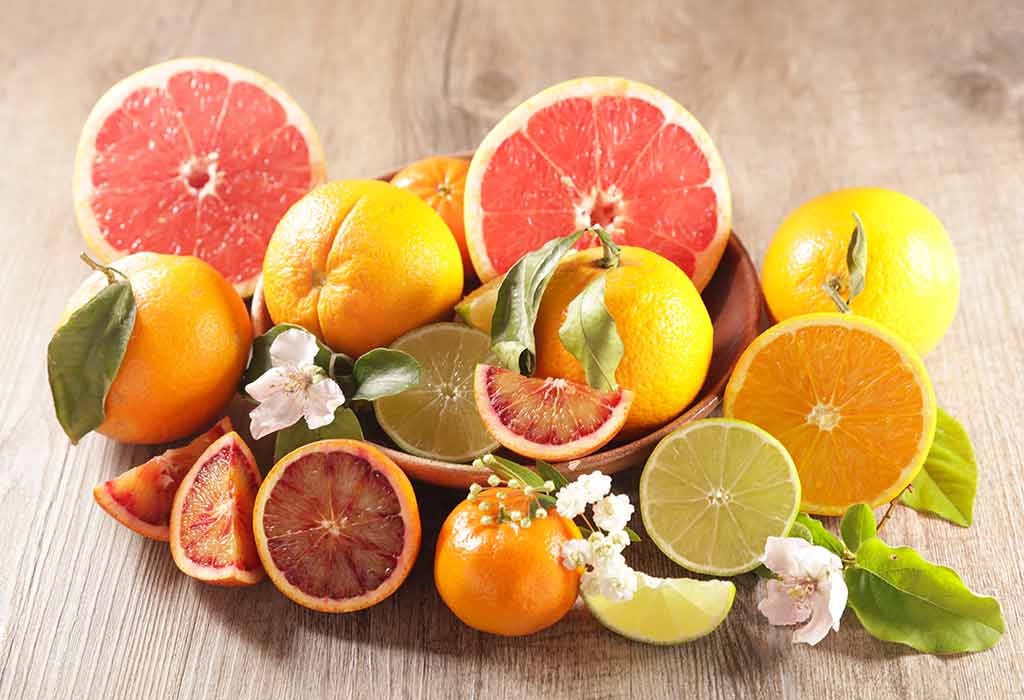 Oranges and mandarins are commonly eaten as snacks because their segments are convenient to separate. Including citrus fruits as part of a varied diet can provide both flavor and useful nutrients. Their bright colors also make meals visually appealing.
Tropical Fruits
Tropical fruits grow especially well in warm climates and include some of the most distinctive foods found around the world. Mango, papaya, pineapple, guava, coconut, jackfruit, and dragon fruit are examples. Many tropical fruits contain substantial water and provide vitamins, minerals, fiber, and naturally occurring plant compounds. Papaya is soft and sweet when ripe, while pineapple has a juicy texture and a characteristic tangy flavor. Guava can be eaten fresh and contains fiber and vitamin C. Jackfruit is notable for its large size and versatility. Tropical fruits can be enjoyed on their own or incorporated into salads, beverages, desserts, and savory recipes.
Berries and Small Fruits
Berries are another important category when discussing fruits name. Strawberries, blueberries, raspberries, blackberries, and cranberries are popular examples. These fruits are generally colorful and contain dietary fiber along with various plant compounds. Their small size makes them convenient additions to breakfast bowls, yogurt, oatmeal, and smoothies. Strawberries are commonly eaten fresh, while blueberries can be incorporated into baked foods. Berries can also provide natural sweetness to meals without requiring large amounts of added sugar. Because many berries are delicate, proper storage is important to maintain their freshness. Frozen berries can also be useful because they can be stored for longer periods and added to smoothies or cooked recipes when fresh varieties are unavailable.
Fruits Rich in Water
Some fruits contain a high proportion of water and can be particularly refreshing in warm weather. Watermelon, muskmelon, oranges, strawberries, peaches, and many other fruits contribute fluids along with nutrients. Watermelon is especially popular during hot seasons because of its juicy texture and mild sweetness. Melons can be served chilled, sliced, or added to fruit salads. Fruits should not be considered a replacement for regular water intake, but their fluid content can contribute to overall hydration. Choosing fresh, water-rich foods can also make meals more satisfying during hot weather. Their natural sweetness and refreshing texture make them a convenient alternative to many heavily processed snacks.
Nutritional Benefits of Eating Fruits
A varied fruit intake can contribute several important nutrients to a balanced eating pattern. Fruits commonly provide dietary fiber, vitamin C, folate, potassium, and other vitamins and minerals, although the exact nutritional profile differs from one fruit to another. Fiber supports normal digestive function and can contribute to feelings of fullness. Vitamins and minerals perform many roles in the body, including supporting normal metabolism and tissue function. Fruits also contain naturally occurring plant compounds that contribute to their colors, flavors, and biological properties.
For this reason, eating a variety of colors and types can be a practical way to broaden nutrient intake. However, fruits work best as one part of an overall balanced diet that also includes vegetables, whole grains, protein sources, and healthy fats.
Seasonal Fruits and Local Choices
Seasonality can influence the availability, flavor, and price of fruits. Markets often offer different varieties depending on the time of year and local climate. Choosing seasonal produce can be an easy way to add variety to meals while exploring foods that are naturally available in a particular region. In India, for example, mangoes are strongly associated with the summer season, while several citrus and winter fruits become more common during cooler months. Local markets may also offer regional fruits that are less familiar internationally. Exploring seasonal fruits name can therefore be both educational and practical. It allows families to try different flavors throughout the year rather than eating exactly the same foods in every season.
How to Include Fruits in Daily Meals
There are many simple ways to include fruits in everyday eating habits. A banana or apple can work as a convenient snack, while berries can be added to yogurt or oatmeal. Chopped mango, papaya, or pineapple can be included in a fruit bowl. Apples, pears, and grapes can add sweetness and texture to salads. Citrus segments can provide freshness alongside breakfast or lunch. Smoothies can combine several fruits, although whole fruits generally provide more intact fiber than juices. Dried fruits can also be used in moderation, but they are more concentrated in calories and natural sugars because much of their water has been removed. The best approach is to choose a variety of fresh or appropriately prepared fruits and make them a regular part of balanced meals.
Fruits for Children
Teaching children different fruits name can make healthy food education more engaging. Children often respond well to colorful foods, simple names, and opportunities to choose between several options. Parents can introduce fruits gradually and serve them in different forms, such as sliced apples, banana pieces, orange segments, or soft seasonal fruits. Making a colorful fruit plate can turn snack time into an enjoyable learning experience. Children can also learn to recognize differences in shape, color, taste, and texture. It is generally better to encourage positive exposure to different foods rather than forcing a child to eat a particular fruit. Repeated opportunities to try new foods can help children become familiar with a wider variety of flavors.
Fruits and a Balanced Lifestyle
Fruits can support a balanced lifestyle when combined with other nutritious foods and healthy habits. They are convenient, versatile, and naturally flavorful, making them useful for replacing some highly processed snack choices. However, a healthy diet does not depend on eating unlimited amounts of any single food. Portion sizes, individual nutritional needs, overall dietary patterns, and activity levels all matter. Whole fruits are generally preferable to fruit-flavored products that contain substantial added sugars. Variety is also important because no single fruit supplies every nutrient the body needs. Combining fruits with foods such as nuts, seeds, yogurt, whole grains, vegetables, legumes, or other protein sources can create more balanced meals and snacks.
Interesting Facts About Fruits
The world of fruits includes many unusual varieties that may not be familiar to everyone. Some fruits grow on trees, while others grow on vines, bushes, or herbaceous plants. Bananas, for example, grow on large herbaceous plants rather than traditional woody trees. Strawberries have their seeds on the outside, which makes them visually distinctive. Coconut is botanically classified as a fruit, while tomatoes are botanically fruits even though they are commonly used as vegetables in cooking. Avocados are also fruits despite their savory flavor. These differences show why learning fruits name can be an interesting way to explore basic food science, botany, nutrition, and culture.
Choosing and Storing Fruits
Selecting good-quality fruit depends on the specific variety. Some fruits should be firm when purchased and allowed to ripen at room temperature, while others are best consumed soon after purchase. Color, aroma, texture, and visible condition can help determine freshness. Damaged or spoiled portions should be removed, and fruits should be handled and stored appropriately. Washing fresh produce before eating or preparing it is an important food-safety practice. Some fruits benefit from refrigeration, while others may lose quality if refrigerated too early. Understanding how different fruits ripen can reduce food waste. Buying quantities that can realistically be consumed also helps households enjoy fresh produce without allowing large amounts to spoil.
Conclusion
Learning different fruits name introduces people to a wide world of flavors, nutrients, cultures, and food traditions. Apples, bananas, mangoes, oranges, berries, melons, tropical fruits, and many other varieties can each contribute something different to a balanced eating pattern. Fruits provide important nutrients and can make everyday meals more colorful and enjoyable. Exploring seasonal and local varieties can also encourage greater food diversity. Whether eaten as a snack, included in breakfast, mixed into a salad, or used in a recipe, fruits offer many practical possibilities. The key is variety and balance rather than relying on a single type. By becoming familiar with different fruits and their characteristics, people can make more informed and enjoyable choices for everyday meals.