

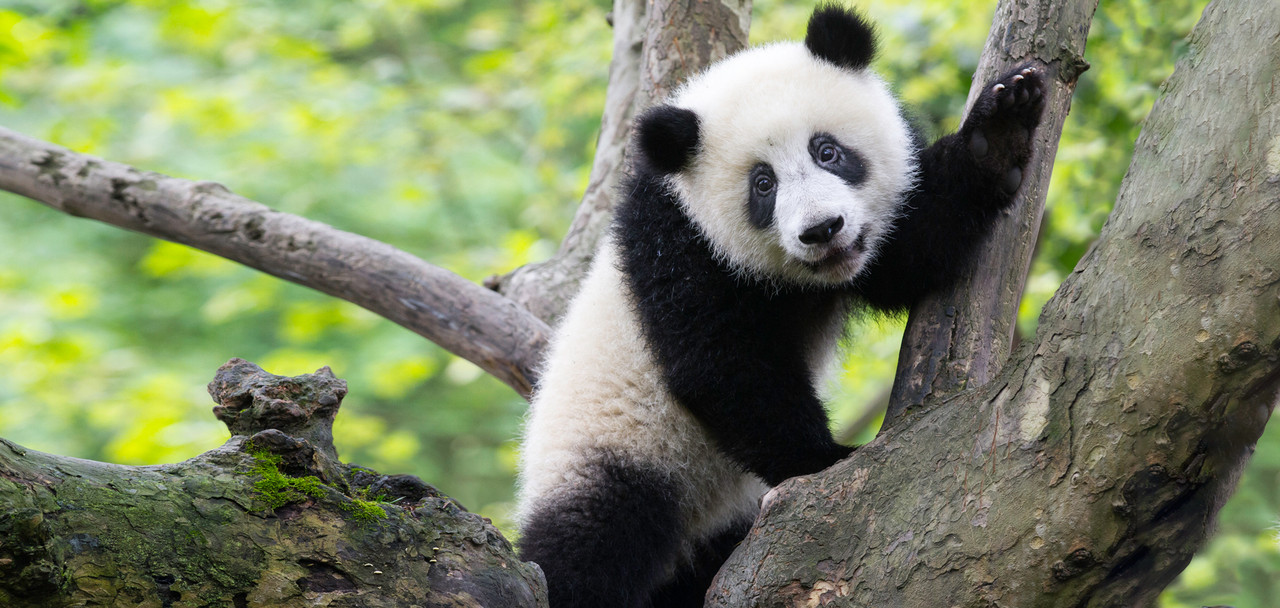

Animals are among the most fascinating forms of life on Earth. They live across almost every environment, from deep oceans and tropical forests to deserts, grasslands, mountains, wetlands, and even cities. Their remarkable differences in appearance, behavior, size, diet, movement, and survival strategies make the natural world incredibly diverse. Learning about animals is not simply about memorizing species names; it is about understanding how living organisms interact with their surroundings and contribute to the balance of ecosystems.
The term animals name can represent a broad collection of creatures that people encounter in nature, farms, homes, wildlife reserves, and oceans. A tiny insect, a powerful elephant, a colorful bird, a swimming fish, and a domestic pet may appear completely different, yet each has adaptations that help it survive. These adaptations have developed over generations and allow species to find food, avoid predators, reproduce, and respond to changing environmental conditions.
Studying animals also helps people understand why biodiversity matters. Every species has a role within its ecosystem, whether it pollinates plants, controls populations of other organisms, spreads seeds, breaks down organic material, or provides food for another species. When animal populations decline, the effects can extend beyond the individual species and influence entire ecological communities.
Understanding Animal Diversity
Animal diversity is one of the most visible features of life on Earth. Scientists have identified millions of animal species, while many others are believed to remain undiscovered or insufficiently studied. Animals range from microscopic organisms to some of the largest creatures ever known to have lived. Their body structures and lifestyles can be remarkably different, yet they share fundamental characteristics such as the need for energy, growth, reproduction, and responses to their environment.
Animals can broadly be discussed according to major biological groups. Vertebrates have backbones and include mammals, birds, reptiles, amphibians, and fish. Invertebrates do not have a backbone and include insects, spiders, mollusks, worms, crustaceans, and many other groups. Within these categories, there is enormous variation. For example, mammals include both land-dwelling species such as lions and deer and marine species such as whales and dolphins.
The diversity of animals is closely connected with the environments in which they evolved. Arctic species often have adaptations for cold conditions, while desert animals may have mechanisms that reduce water loss. Aquatic species commonly have body structures suited to swimming, and birds have specialized features that support flight. This connection between an organism and its environment is one of the most important ideas in understanding wildlife.
Major Groups Found in the Animal Kingdom
Mammals
Mammals are recognized by several important characteristics, including hair or fur at some stage of their lives and the ability of females to produce milk for their young. This group includes familiar animals such as dogs, cats, elephants, horses, monkeys, bears, and many marine species.
Mammals occupy an impressive range of habitats. Bats can fly through forests and urban environments, while seals and whales spend much of their lives in water. Elephants depend on complex social relationships, while solitary mammals may spend much of their time searching for food alone. Their behavior demonstrates how different species can develop very different strategies for survival.
Birds
Birds are found on every continent and occupy environments ranging from forests and wetlands to deserts and coastal regions. Feathers, beaks, wings, and specialized skeletal structures are among their defining features. While many birds fly, some species have evolved for swimming, running, or living in environments where sustained flight is unnecessary.
Bird behavior can be equally diverse. Some birds migrate across enormous distances, while others remain within relatively small territories throughout their lives. Their diets can include seeds, fruits, insects, fish, nectar, or other animals. Birds also play important ecological roles as pollinators, predators, scavengers, and seed dispersers.
Reptiles and Amphibians
Reptiles include snakes, lizards, turtles, crocodilians, and several other groups. Many reptiles rely on external environmental heat to regulate their body temperature. Their scales and other adaptations can help protect them from environmental conditions and reduce water loss.
Amphibians, including frogs, toads, salamanders, and newts, are generally associated with moist environments, although some species have developed specialized ways to survive in drier habitats. Many amphibians have life cycles that involve significant changes between juvenile and adult stages. Because they can be sensitive to environmental changes, amphibians are often considered useful indicators of ecosystem health.
Fish and Aquatic Animals
Fish represent an enormous range of aquatic life. They live in oceans, rivers, lakes, streams, coral reefs, and other aquatic environments. Their body shapes, feeding strategies, and swimming abilities vary according to their habitats.
Beyond fish, aquatic ecosystems contain mammals, reptiles, mollusks, crustaceans, and countless microscopic organisms. Together, these species form complex food webs. A change in one population can influence numerous others, demonstrating why aquatic biodiversity is so important.
How Animals Adapt to Their Environment
Adaptation allows animals to survive under particular environmental conditions. Some adaptations are physical, such as thick fur, protective shells, webbed feet, sharp claws, or specialized teeth. Others involve behavior. Migration, nocturnal activity, group living, food storage, and seasonal changes in activity are examples of behavioral strategies that can improve survival.

Camouflage is another fascinating adaptation. Animals may have colors or patterns that make them difficult to detect against their surroundings. Some predators use camouflage to approach prey, while prey species may use it to avoid being noticed. In other cases, animals have warning colors that communicate that they may be dangerous or unpleasant to eat.
Adaptations do not mean that animals consciously choose characteristics because they need them. Instead, populations change over generations as inherited characteristics influence survival and reproduction. Over long periods, this process can contribute to the extraordinary variety of forms found in nature.
Animal Habitats and Ecosystems
An animal’s habitat provides the resources it needs to survive. Food, water, shelter, suitable temperatures, and opportunities for reproduction are all important. Forest animals may rely on trees for food and protection, while grassland species often depend on open spaces and seasonal vegetation.
Deserts demonstrate how specialized animal life can become. Many desert species avoid the hottest part of the day and become active during cooler periods. Some obtain much of their required moisture from food, while others have physiological adaptations that help them conserve water.
Forests, wetlands, mountains, oceans, and grasslands each support different communities. However, these environments are interconnected. Rivers can carry nutrients from inland areas toward coastal ecosystems, while migrating animals can transport seeds and nutrients between distant locations. Protecting habitats therefore helps preserve entire networks of life rather than only individual species.
Animal Diets and Food Chains
Food is one of the strongest connections between animals and their ecosystems. Herbivores primarily consume plants or plant material, carnivores depend mainly on other animals, and omnivores consume a combination of plant and animal foods. Some animals have highly specialized diets, while others are able to eat a wide range of resources.
A basic food chain might begin with plants, followed by a herbivore and then a predator. In reality, ecosystems are usually more complicated because species often have multiple food sources and predators. These interconnected relationships create food webs.
| Animal Group | Common Food Sources | Typical Ecological Role |
|---|---|---|
| Herbivores | Grass, leaves, fruits, seeds | Primary consumers |
| Carnivores | Other animals | Predators |
| Omnivores | Plants and animals | Flexible consumers |
| Scavengers | Dead animals and remains | Nutrient recycling |
| Insectivores | Insects and small invertebrates | Population control |
Understanding these relationships helps explain why removing one species can sometimes have effects far beyond that species itself. Predator populations, prey numbers, vegetation, and nutrient cycles can all influence one another.
Animal Communication and Social Behavior
Animals communicate in many ways. Sounds, body movements, colors, scents, vibrations, and physical contact can all transmit information. Birds may use songs to establish territories or attract mates, while mammals can use vocalizations to maintain contact with members of their groups.
Social behavior is particularly interesting in species that live in organized groups. Elephants, wolves, primates, dolphins, and several bird species can demonstrate complex interactions. Group living may provide advantages such as improved protection, cooperative care of young, or more effective searching for food.
However, not every animal benefits from living in groups. Some species are largely solitary and interact with others mainly for mating or territorial purposes. This difference shows that there is no single successful social strategy in the animal world.
How Animals Support Healthy Ecosystems
Animals contribute to ecosystems in countless ways. Bees and other pollinators help many plants reproduce. Birds and mammals can transport seeds over considerable distances. Predators can prevent certain prey populations from becoming excessively large, while scavengers consume remains that would otherwise accumulate.
Small animals can also have enormous ecological importance. Insects, worms, and other invertebrates contribute to decomposition, pollination, soil processes, and food webs. Their small size does not mean that their ecological influence is insignificant.
Several important roles include:
- Pollinating flowering plants and supporting reproduction.
- Spreading seeds across different habitats.
- Controlling populations of prey and smaller organisms.
- Recycling nutrients through feeding and decomposition.
Threats Facing Wildlife Today
Many animal populations face pressure from habitat destruction, pollution, climate-related changes, overexploitation, invasive species, and other human-driven factors. Habitat loss is particularly significant because animals may lose access to food, shelter, breeding areas, or migration routes.
Climate change can also affect animals by altering temperatures, rainfall patterns, seasonal cycles, and food availability. Some species can adjust their behavior or move toward more suitable environments, while others have fewer options. Species that depend on highly specific environmental conditions may face particularly difficult challenges.
Conservation efforts therefore need to consider both individual species and the habitats on which they depend. Protecting forests, wetlands, grasslands, oceans, and other ecosystems can provide benefits for numerous species simultaneously.
The Importance of Responsible Animal Conservation
Conservation is not limited to wildlife reserves. It can include habitat restoration, responsible land management, scientific research, sustainable resource use, protection of threatened species, and public education. Local communities also play an important role because people often live closest to the ecosystems being protected.
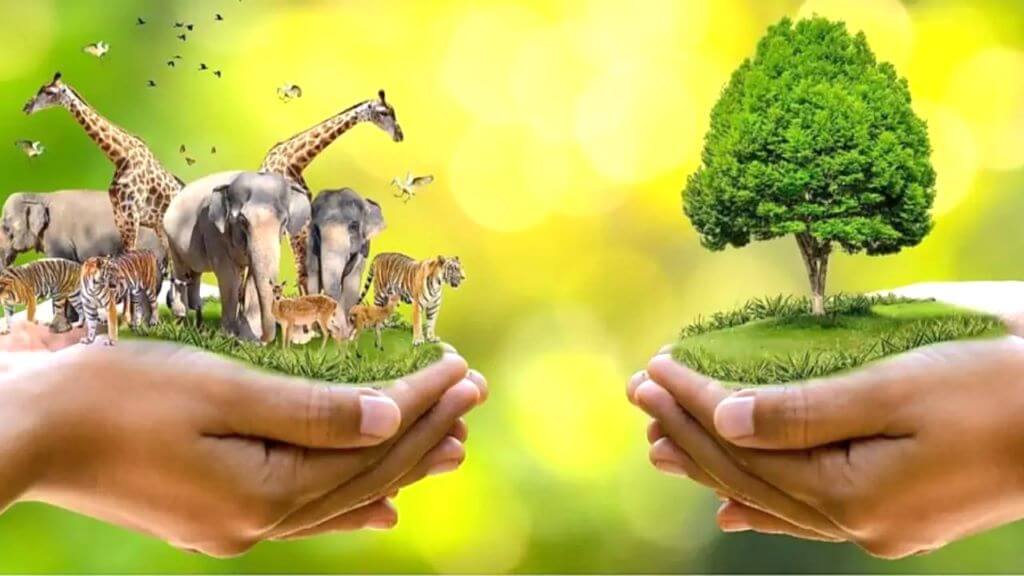
Modern conservation increasingly combines traditional ecological knowledge with scientific monitoring and technology. Camera traps, satellite imagery, acoustic monitoring, genetic research, and population surveys can help researchers understand animal movements and identify changes in wildlife populations.
For individuals, responsible behavior can also contribute to conservation. Avoiding unnecessary disturbance of wildlife, reducing waste, supporting habitat-friendly practices, and learning about local species can help create greater awareness of biodiversity.
Why Learning About Animals Matters
Learning about animals encourages curiosity about nature and reveals the complex relationships that keep ecosystems functioning. Children can develop scientific thinking by observing birds, insects, pets, or local wildlife, while adults can gain a deeper understanding of environmental issues by learning how species depend on particular habitats.
The study of animals also contributes to scientific discovery. Research into animal movement, genetics, communication, and physiology can improve our understanding of biology and sometimes inspire new technologies or medical research. Even species that appear ordinary may possess unusual abilities that researchers continue to investigate.
The enormous variety represented by animals name also reminds us that nature cannot be understood through a single perspective. Every species has its own combination of adaptations, behaviors, ecological relationships, and environmental requirements. Looking at these differences together provides a much clearer picture of life on Earth.
Conclusion
Animals are an essential part of the natural world, connecting ecosystems through food chains, pollination, seed dispersal, predation, decomposition, and countless other relationships. From enormous marine mammals to tiny insects, each species has characteristics shaped by its environment and evolutionary history. Their diversity demonstrates the remarkable ability of life to adapt to different conditions. Understanding animals name is therefore about much more than creating a list of species. It involves exploring habitats, behaviors, adaptations, diets, communication, ecological roles, and conservation challenges. As natural environments continue to experience pressure from human activities and environmental changes, knowledge becomes an important foundation for responsible action.