

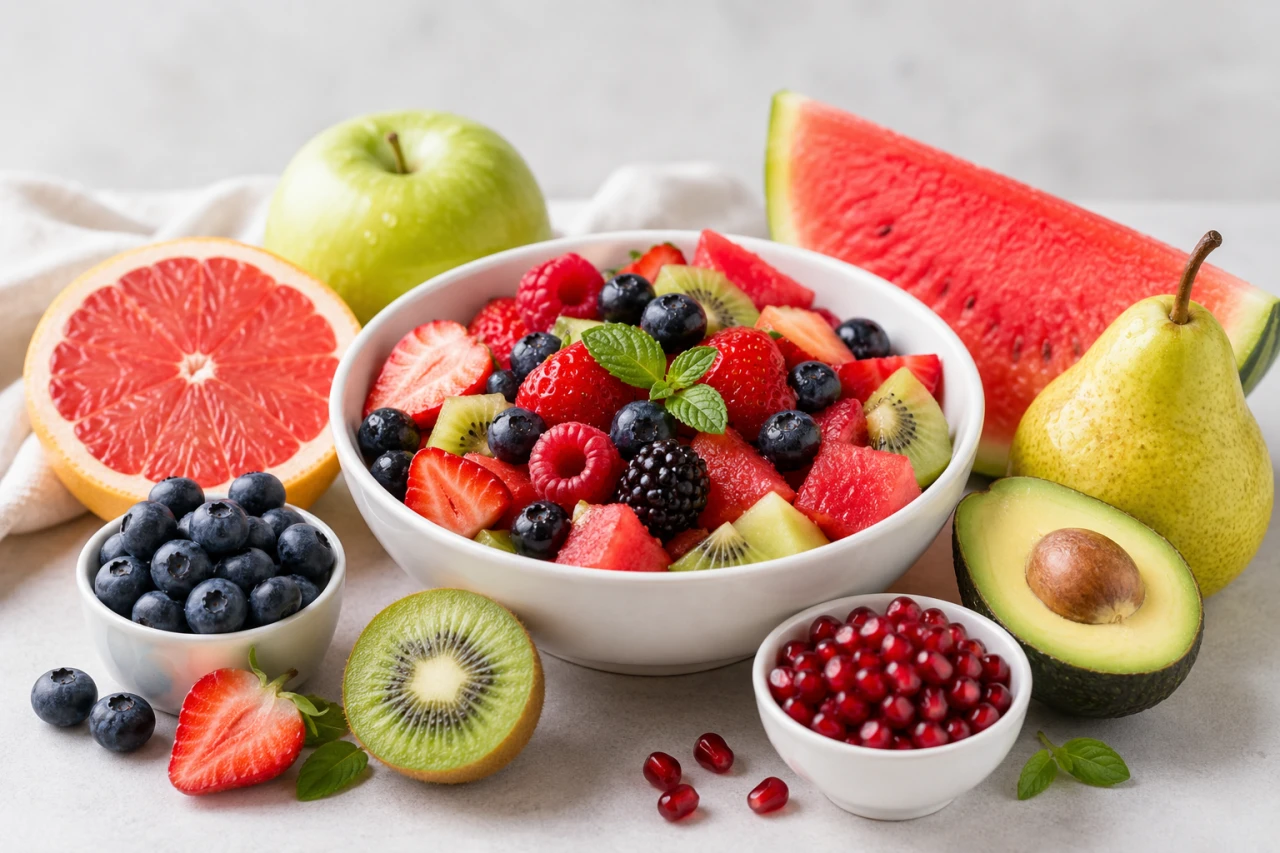

Learning different fruits name is a simple way to understand the variety of foods available for a balanced and nutritious diet. Fruits come in countless colors, shapes, flavors, and textures, ranging from familiar choices such as apples and bananas to tropical favorites such as mangoes, papayas, pineapples, and dragon fruit. Each fruit offers a different combination of vitamins, minerals, natural carbohydrates, fiber, water, and plant compounds.
Fresh fruit also fits naturally into modern eating habits because it can be consumed with little preparation. A banana can become a quick breakfast addition, an apple can be carried as a convenient snack, and berries can be added to yogurt or oatmeal. Understanding different fruits name can therefore help people make more varied food choices instead of relying on the same few options throughout the year.
In today’s busy lifestyle, fruit can provide an easy way to add nutrient-rich foods to everyday meals. While no single fruit provides every nutrient the body needs, eating a variety of fruits can contribute to an overall balanced eating pattern. Seasonal availability, affordability, personal preferences, and local food traditions can all influence which fruits are practical for different households.
Why Knowing Different Fruits Name Is Useful
The variety of fruits available today makes it easier to build meals around different flavors and nutritional characteristics. Some fruits are particularly refreshing because they contain substantial amounts of water, while others provide more dietary fiber or natural energy. Citrus fruits are widely recognized for their vitamin C content, whereas bananas are commonly valued for their carbohydrate content and potassium.
Knowing different fruits name can also make grocery shopping and meal planning more interesting. Instead of purchasing the same fruit every week, consumers can rotate between seasonal choices. This approach introduces different flavors and textures while helping create greater variety in the diet. For families, learning fruit names can additionally encourage children to become familiar with foods from different regions and cultures.
Another advantage is that fruit can be incorporated into meals in many forms. Fresh fruit can be eaten whole, chopped into salads, blended into smoothies, mixed with yogurt, or used as an ingredient in breakfast dishes. However, whole fruit is generally a particularly useful choice because it retains its natural fiber and requires more chewing than many processed fruit-based foods.
Popular Fruits and Their Nutritional Characteristics
Different fruits have different nutritional profiles, which is why variety matters. Apples, for example, are commonly eaten with their skin and provide dietary fiber along with several micronutrients and plant compounds. Bananas offer carbohydrates and potassium and are frequently used as a convenient pre- or post-exercise snack. Oranges and other citrus fruits provide vitamin C and are naturally juicy and refreshing.
Mangoes, papayas, and pineapples are popular tropical fruits with distinctive flavors. Mangoes can contribute vitamins and carotenoid compounds, while papaya provides vitamin C and other nutrients. Pineapple contains vitamin C and a naturally occurring enzyme called bromelain. These examples demonstrate why comparing fruits only by calories or sweetness does not provide a complete picture of their nutritional value.
| Fruit | Common Nutritional Highlights | Popular Ways to Eat |
|---|---|---|
| Apple | Fiber, vitamin C, plant compounds | Whole, sliced, salads |
| Banana | Carbohydrates, potassium, vitamin B6 | Whole, smoothies, oatmeal |
| Orange | Vitamin C, water, folate | Whole, segments |
| Mango | Vitamin C, carotenoids, carbohydrates | Fresh, salads, smoothies |
| Papaya | Vitamin C, fiber, carotenoids | Fresh, breakfast bowls |
| Pineapple | Vitamin C, water, carbohydrates | Fresh, salads, smoothies |
| Guava | Vitamin C, fiber, folate | Whole, sliced, smoothies |
| Watermelon | Water, carbohydrates, vitamin A-related compounds | Fresh, chilled |
| Pomegranate | Fiber and plant polyphenols | Seeds, salads, yogurt |
| Grapes | Water, carbohydrates, plant compounds | Whole, chilled, salads |
Citrus Fruits for Everyday Meals
Citrus fruits occupy an important place among commonly consumed fruits because of their refreshing flavor and vitamin C content. Oranges, mandarins, lemons, limes, and grapefruit are familiar examples. Their naturally acidic flavor makes them useful not only as snacks but also as ingredients in salads, beverages, marinades, and other dishes.

Vitamin C plays several important roles in the body, including supporting normal immune function and helping with collagen formation. Citrus fruits can therefore be a practical addition to a varied diet. Eating whole oranges or mandarins also provides dietary fiber that is reduced when fruit is transformed into strained juice.
Tropical Fruits Add Variety and Flavor
Tropical fruits have become increasingly familiar in markets around the world. Mango, papaya, pineapple, guava, coconut, passion fruit, and dragon fruit are examples of fruits associated with warm climates. Their distinctive flavors can make healthy meals more appealing, especially for people who become bored with familiar foods.
Guava is notable for its vitamin C content, while papaya contains carotenoids and fiber. Dragon fruit has a mild flavor and contains seeds that contribute small amounts of beneficial fats and fiber. Mangoes are naturally sweet and can be enjoyed in moderation as part of meals containing other food groups. Rather than considering one tropical fruit superior to another, it is more useful to appreciate the different nutritional and culinary qualities they bring.
Berries and Other Colorful Fruits
Berries such as strawberries, blueberries, raspberries, blackberries, and cranberries are often associated with colorful diets. Their red, blue, and purple shades come from naturally occurring plant pigments and compounds. They can be eaten on their own or added to yogurt, oatmeal, whole-grain cereals, and homemade smoothies.
The broader lesson from berries is that color variety can be useful when choosing produce. Different fruits contain different combinations of plant compounds, so including fruits with several colors can increase dietary diversity. Fresh berries may be seasonal or relatively expensive in some locations, while frozen varieties can provide another practical option when properly stored.
How to Add More Fruit to a Daily Routine
Adding fruit to a daily eating pattern does not necessarily require complicated recipes. A person who usually skips breakfast could add sliced banana or berries to oatmeal. Someone looking for an afternoon snack might choose an apple, orange, guava, or pear instead of a highly processed snack. Fruit can also be paired with foods such as yogurt, nuts, seeds, or whole grains to create a more satisfying combination.
Simple habits can make fruit consumption easier:
- Keep a few ready-to-eat fruits visible and accessible.
- Choose seasonal fruits when they offer better availability or value.
- Wash and prepare fruit in advance when appropriate.
- Rotate different colors and varieties throughout the week.
Portion awareness can also be useful because fruit contains naturally occurring sugars and carbohydrates. This does not make fruit an unhealthy food, but overall dietary balance still matters. People with specific dietary or medical requirements may need individualized advice about portions and carbohydrate intake.
Seasonal Fruit Choices and Local Availability
Seasonality can influence both the taste and affordability of fruit. In India, for example, mangoes are strongly associated with the warmer months, while oranges, guavas, apples, pomegranates, and other fruits may have different peak periods depending on the region and growing conditions. Modern supply chains mean many fruits can be found outside their traditional seasons, but local availability can still affect freshness and price.

Choosing seasonal produce can also make meal planning more interesting. Instead of trying to purchase every type of fruit throughout the year, households can focus on what is readily available and rotate choices as seasons change. This approach allows people to enjoy natural variety without making grocery shopping unnecessarily complicated.
Fruits for Children and Families
Introducing children to different fruits name can encourage curiosity about food from an early age. Children may respond differently to textures, flavors, and colors, so offering variety without forcing a particular food can make mealtimes more positive. A child who dislikes one fruit may enjoy another because of differences in sweetness, texture, or aroma.
Families can make fruit more engaging by serving several options together. A simple fruit bowl containing banana, apple, papaya, watermelon, or seasonal choices can create an opportunity to try small portions of unfamiliar foods. Involving children in washing or arranging fruit can also turn preparation into a practical learning experience.
Whole Fruit, Juice, and Processed Fruit
One important distinction when considering fruits name is the difference between whole fruit and fruit-based beverages. Whole fruit contains water and naturally occurring fiber, while fruit juice generally provides less fiber because much of the solid portion has been removed. Drinking large quantities of juice can also make it easier to consume more sugar and calories quickly than when eating whole fruit.
Processed fruit products require additional attention because some may contain added sugar. Canned fruit packed in syrup, sweetened fruit drinks, and heavily processed fruit snacks are not nutritionally identical to fresh or minimally processed fruit. Reading labels and choosing products with little or no added sugar can help consumers make more informed decisions.
Simple Ways to Create a More Varied Fruit Routine
A varied fruit routine can be built without purchasing expensive or unusual produce. Start with fruits that are affordable and readily available, then introduce one or two unfamiliar varieties periodically. For example, someone who regularly eats bananas and apples might add guava, papaya, pomegranate, or a seasonal citrus fruit.
Another useful strategy is to think about fruit as part of a meal rather than only as a separate snack. Chopped fruit can accompany breakfast, sliced fruit can be added to salads, and berries can complement yogurt. This makes it easier to consume fruit consistently while maintaining variety across meals.
Conclusion
Understanding different fruits name can make everyday food choices more diverse, enjoyable, and nutritionally balanced. Apples, bananas, oranges, mangoes, guavas, papayas, berries, pomegranates, pineapples, and many other fruits each offer distinctive combinations of nutrients, flavors, textures, and culinary uses. Rather than searching for one “perfect” fruit, building variety into regular meals is a more practical approach. Fresh fruit can be especially convenient because many varieties require little preparation and can be incorporated into breakfast, snacks, salads, and desserts. Choosing seasonal and locally available options can also make fruit more accessible.